by HPA | Oct 22, 2012 | All News, Cirrus Articles, Garmin Articles
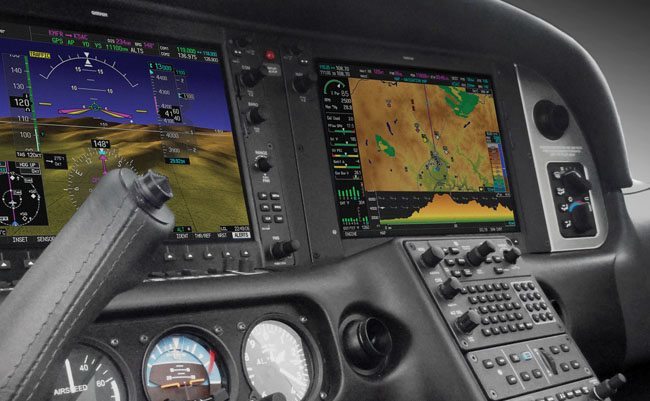
You have finally upgraded from an Avidyne equipped aircraft to a Garmin glass panel. Admittedly, there are a lot more buttons, but yet so much more capability. You spend the first several weeks after your transition training flying around, mostly VFR, getting the hang of things. At the end of the month, you turn on the MFD and see that your NavData is expired.
by HPA | Sep 7, 2012 | All News, Cessna Articles, Cirrus Articles, Garmin Articles, Product Reviews
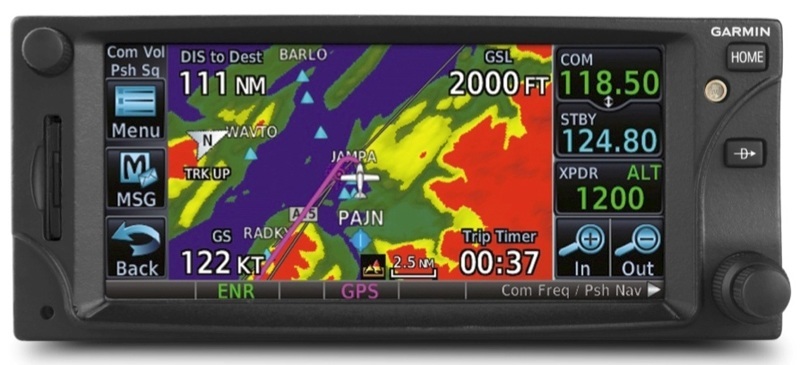
I was taking a peek into a Cirrus a few weeks back, probably a 2002 or 2003 SR22. A quick glance at the panel and the GPS’s showed me everything was as it should be: 2 Avidyne screens, 2 Garmin 430s, the S-TEC 55x autopilot. The pilot offered to take me for a demo flight to show off his new GPS. I thought, well, I’m pretty good with a 430, maybe he wants some tips or something.

by HPA | Jul 9, 2012 | All News, Cirrus Articles, Training / Education
When I hear Williamsburg and Jamestown, Virginia, pilgrims and colonists are the first images that flash into my mind. I see Thomas Jefferson riding down dirt roads in between beautiful, huge homes with one of those white wigs on. I envision Indians lurking around the outskirts of town, some friends and some enemies. But then I remember, that was 200 years ago.

by HPA | Jun 22, 2012 | All News, Cirrus Articles, Training / Education
Cape Cod is beautiful. This was my first time seeing it and it was gorgeous, both from the ground and from the air. All the inlets and sailing boats dotting the landscape with all the green forests on the land added up to a spectacular landscape. We were able to take a day to fly out over the Cape, then down to Martha’s Vineyard for dinner, and that is a must do flight. Truly splendid.

by HPA | May 9, 2012 | All News, Cirrus Articles, Garmin Articles, Training / Education
So, you’ve bought a new Cirrus. More than likely, it’s very different then what you have been flying. You’ve heard lots of rumors concerning landing it flat, touchy controls, something about a parachute, and an advanced glass panel setup. These rumors have you a little worried about taking it for a spin (not literally, of course). No need to fear, your local CSIP is here. A CSIP is factory trained by the Cirrus Aircraft Company and is certified to do factory transition training in all Cirrus aircraft.

by HPA | Apr 5, 2012 | All News, Cirrus Articles, Training / Education
The nice thing about an Avidyne is that if you have any kind of instrument failure, the procedure is the same. The most likely failure will be a PFD or MFD failure. With a Garmin, when this happens, the two screens automatically merge into one on whichever display is operating. You’ll have the engine gauges and the flight instruments together, similar to how they look upon system start up.

by HPA | Mar 30, 2012 | All News, Cirrus Articles, Garmin Articles
The Cirrus factory, a mythical kingdom that a lucky few are able to enter and partake. Lo, I am here to say that, contrary to some, it is not a fairy tail conjured up by some rather imaginative pilots. No, it does exist in the bustling metropolis of Duluth, Minnesota. I was there recently for the Cirrus Standardized Instructor Program, training to become a CSIP. It was an exhilarating and exhausting experience, but I came out with everything in tact, thus able to be known from henceforth as an official CSIP. Here’s a little bit about my experience.
by HPA | Mar 10, 2012 | All News, Cirrus Articles, Training / Education
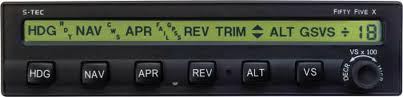
We talked last week about the Cirrus recommended procedure for briefing and flying instrument approaches. I hope you’ve had some time to practice some of the techniques presented there. If so, your approaches should look a lot more organized and streamlined! This week, we’re going to discuss what Cirrus recommends as far as using the S-TEC autopilot to fly approaches. I’m going to split the article up into how you would be flying the approach, either receiving vectors or flying directly to an initial approach fix. So, just turn that autopilot on, sit back and get ready to learn! (Note: All information below is taken from the Cirrus Flight Operations Manual for the SR20 and SR22).

by HPA | Mar 2, 2012 | All News, Cirrus Articles, Training / Education
A lot of pilots these days don’t get a lot of actual IFR time, so they don’t have to shoot many actual IFR approaches. This leads to pilots quickly getting rusty on approach briefings and procedures. Cirrus has published their Flight Operations Manual (FOM) to provide standardized guidance on how to perform all the normal flight maneuvers, including instrument approach guidance. To help knock some of that rust off, here’s an overview of the way Cirrus wants pilots to fly approaches in the SR22. (Note: All information below is taken from the Cirrus Flight Operations Manual for the SR20 and SR22).
by HPA | Feb 20, 2012 | All News, Cirrus Articles, Product Reviews
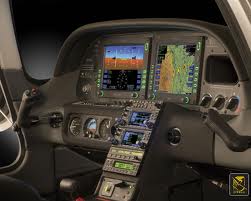
Avidyne has done many things well with their venture into the glass cockpit arena (brief side note: I find it humorous that even Avidyne still uses Garmin’s GPS. As usual, I digress). On the PFD, there are eight bezel keys, four on each side, each with it’s own function. On the bottom of the display are two knobs, one on each side, that are used to input information into each of the different fields next to the bezel keys.
by HPA | Jan 26, 2012 | All News, Cirrus Articles, Garmin Articles, Product Reviews
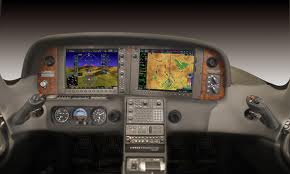
New Cirrus aircraft equipped with the Garmin Perspective avionics suite are a pilot’s dream. All parties involved got this one right. Gone are the days when general aviation pilots have to twist knobs to select an airport identifier. In comes the Garmin Control Unit (GCU) with a complete keyboard which saves time and frustration. Most of the knobs are gone off the MFD, now repositioned on the GCU for easier access. Even the avionics panel is streamlined. I’m getting ahead of myself, though. Let us start with the PFD and analyze the whole setup.
by HPA | Nov 28, 2011 | All News, Cessna Articles, Cirrus Articles, Garmin Articles, Training / Education
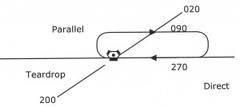
”November Four Seven Two Mike Charlie, hold as published on the VOR, maintain five thousand, expect further clearance in thirty minutes.” Those dreaded words no IFR pilot wants to hear. In yeoman’s terms, a hold clearance screams “DELAY!” This is when the pilot turns to his passengers and says, “Well folks, you might want to get comfortable. Just hope none of you have to go to the bathroom.”…
by HPA | Nov 14, 2011 | All News, Cessna Articles, Cirrus Articles, Garmin Articles, Training / Education
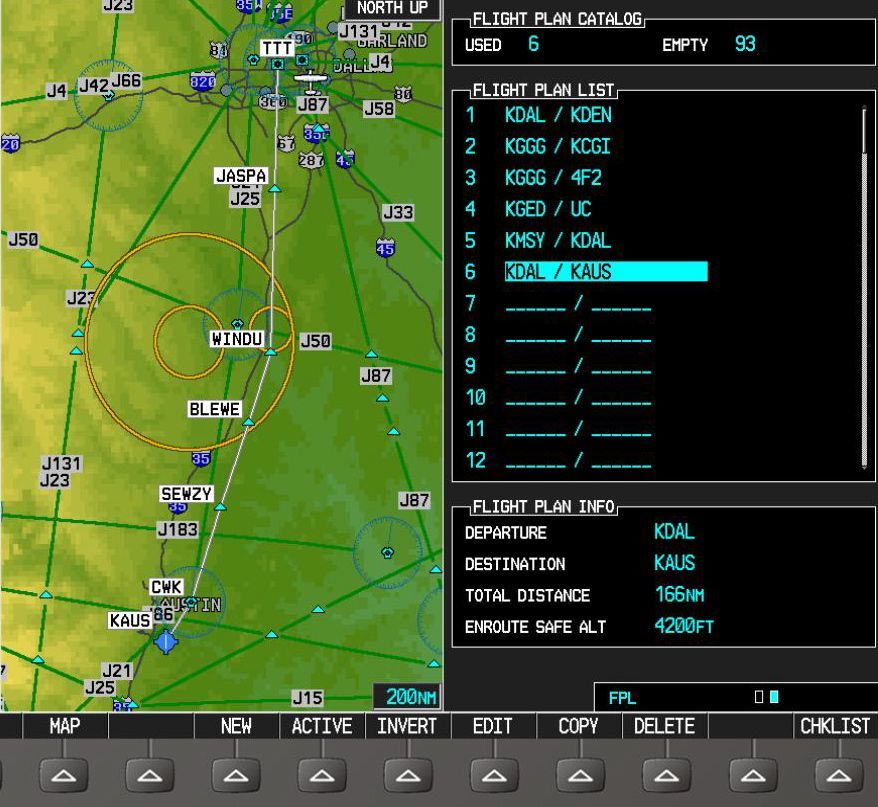
For you pilots out there, think back to your student pilot days. Think to that point between the first solo and the check ride. That point where you knew how to land safely (sort of), but you still had some more to learn. This is known as the cross country phase. During the cross country phase, every student pilot has to sit down and do a ground block with his instructor to learn how to create a cross country flight plan. It seemed quite complex at the time, what with drawing a course line and handling this overly complicated slide rule known as an E6B. Then there was the navigation log complete with ground speed and fuel calculations. It all seemed a little overwhelming, and that was before your instructor informed you that you had to figure all that out while flying!
by HPA | Sep 23, 2011 | All News, Cessna Articles, Cirrus Articles, Garmin Articles, Training / Education
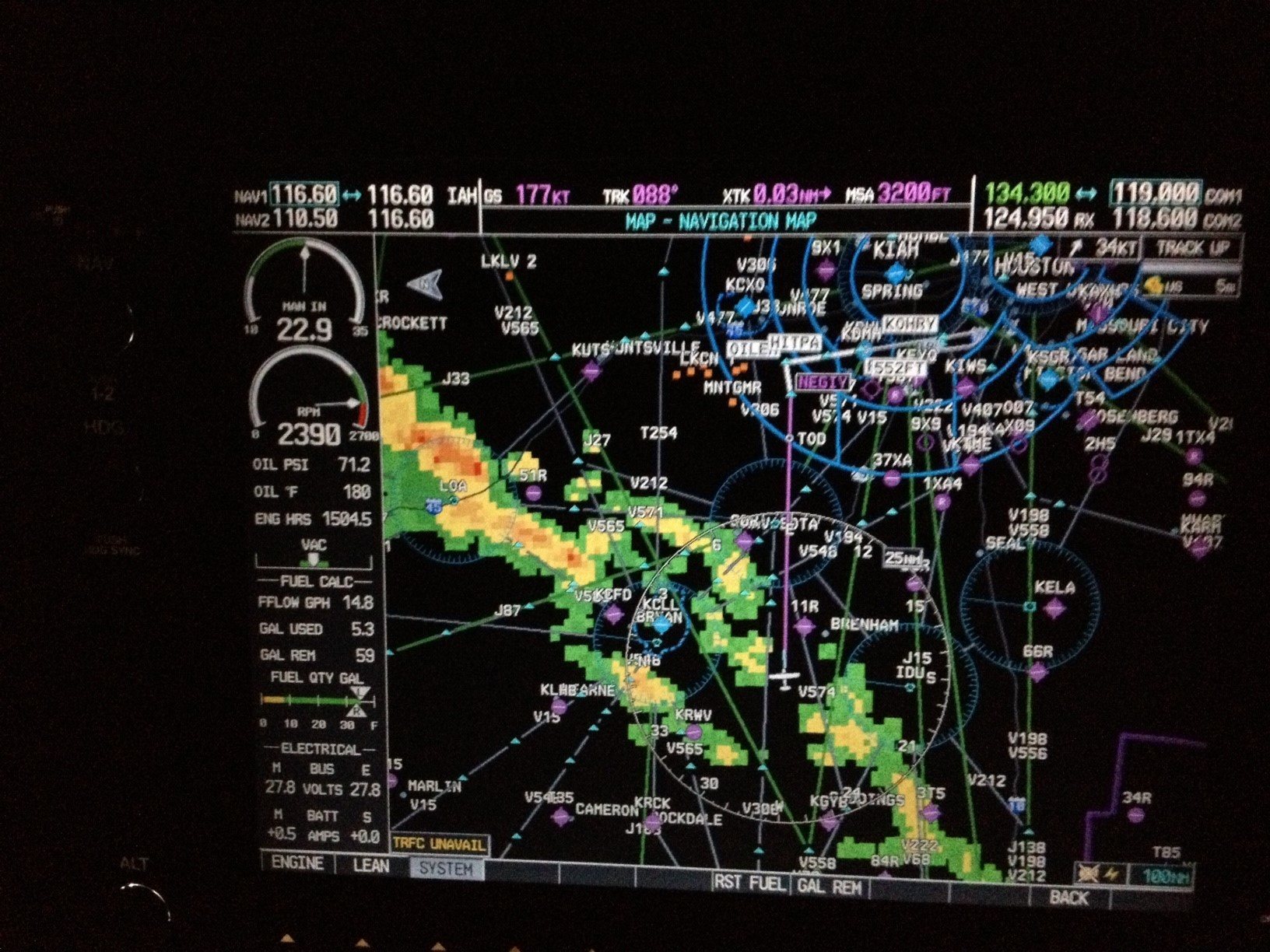
User defined waypoints are extremely handy, but a lot of G1000 pilots do not even know they exist. All instrument pilots are familiar with waypoints. Waypoints are what make up GPS IFR routes. User defined waypoints can be utilized for any type of pilot, whether IFR or VFR.
by HPA | Sep 16, 2011 | All News, Cessna Articles, Cirrus Articles, Garmin Articles, Training / Education
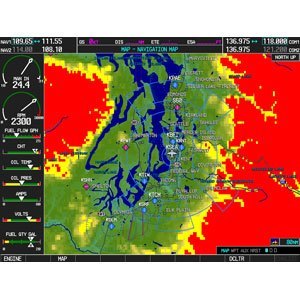
We have all been that pilot. Whether it is trying to load an approach or just set the altimeter, when we get in a rush, it seems the wrong button is always pushed. That can be frustrating when a flight plan is all programmed in, then it disappears. In my instructing career, I’ve seen my students do it many times. It never results in a safety issue, but it takes a little bit of time to get back to where they wanted to be. Over the next two articles, I will be addressing ten common G1000 mistakes. Here are the first five.
by HPA | Sep 3, 2011 | All News, Cessna Articles, Cirrus Articles, Garmin Articles, Training / Education
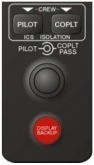
On the long list of what can go wrong in a G1000 cockpit, a Garmin Display Unit (GDU) failure is less of a Maalox moment than other failures. A non-proficient pilot, though, might be lost when the PFD or MFD goes black. Here’s how to handle the situation. (Note: This article will only deal with the traditional G1000 configuration with one PFD and one MFD)
