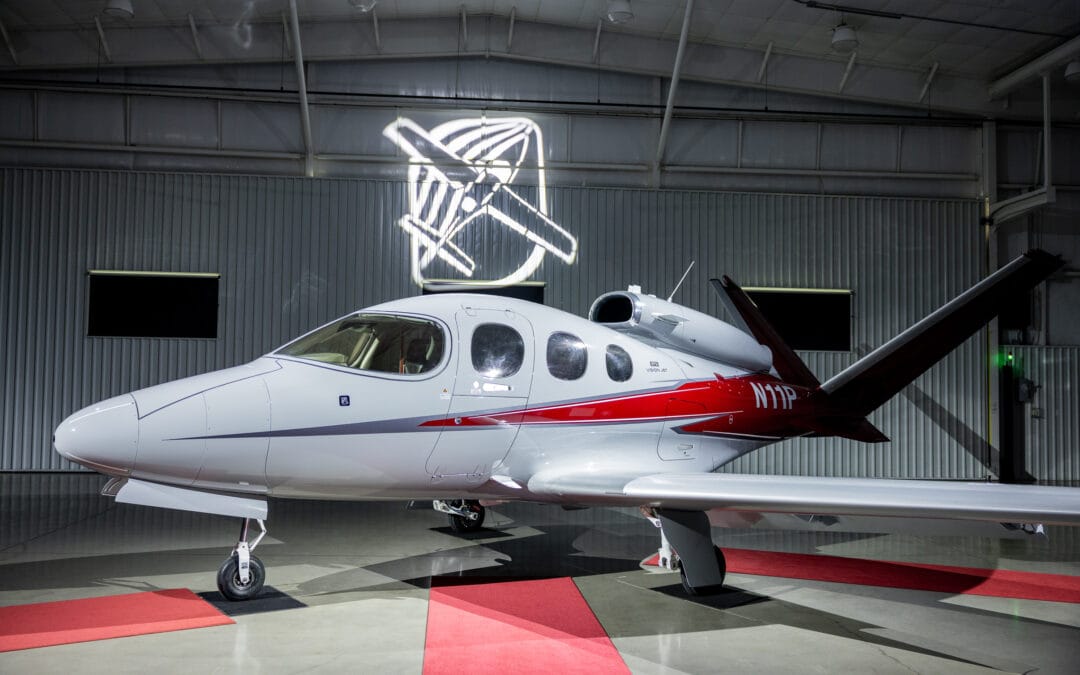
Cirrus Vision Jets vs Turboprops: Ultimate Buyer’s Guide 2025
Compare Vision Jets vs. Turboprops in 2025. Discover performance, cost, and ownership differences in this ultimate buyer’s guide

Compare Vision Jets vs. Turboprops in 2025. Discover performance, cost, and ownership differences in this ultimate buyer’s guide
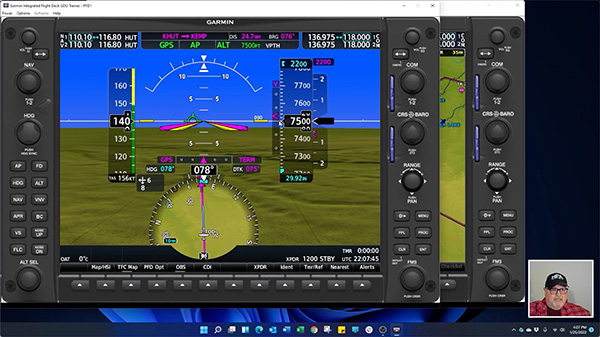
Learn how to use the Garmin G1000 VNAV descent planning with the Garmin GFC 700 autopilot. VNAV, VNV, VPTH, and more.
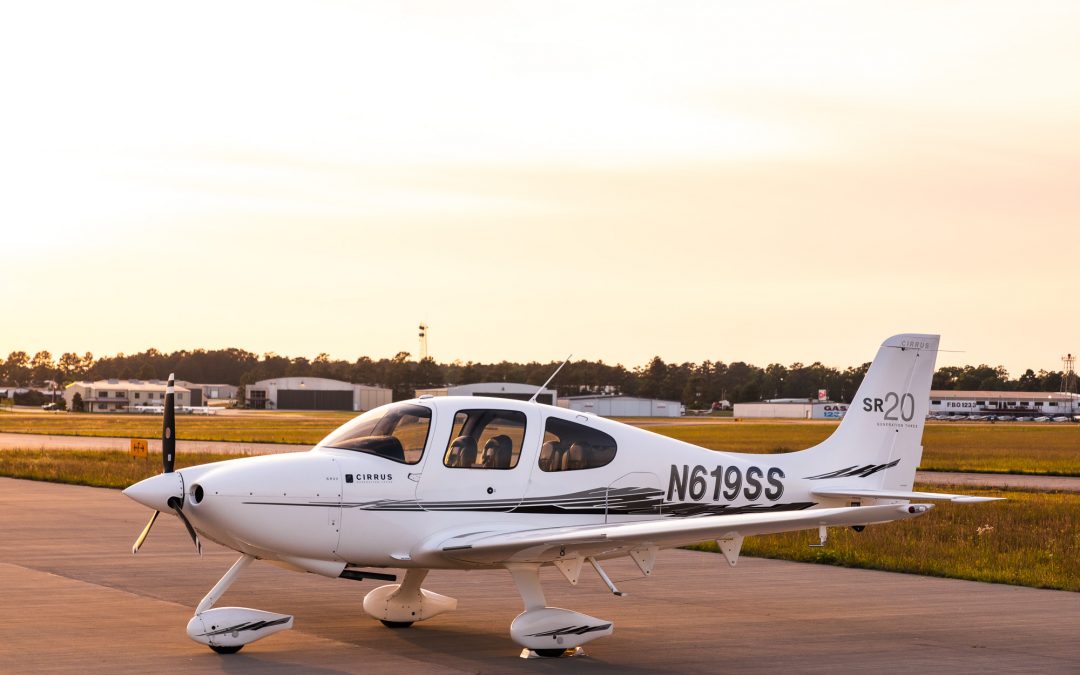
Changes in the piston engine aircraft market are often reflected between flight training providers and aircraft manufacturers.
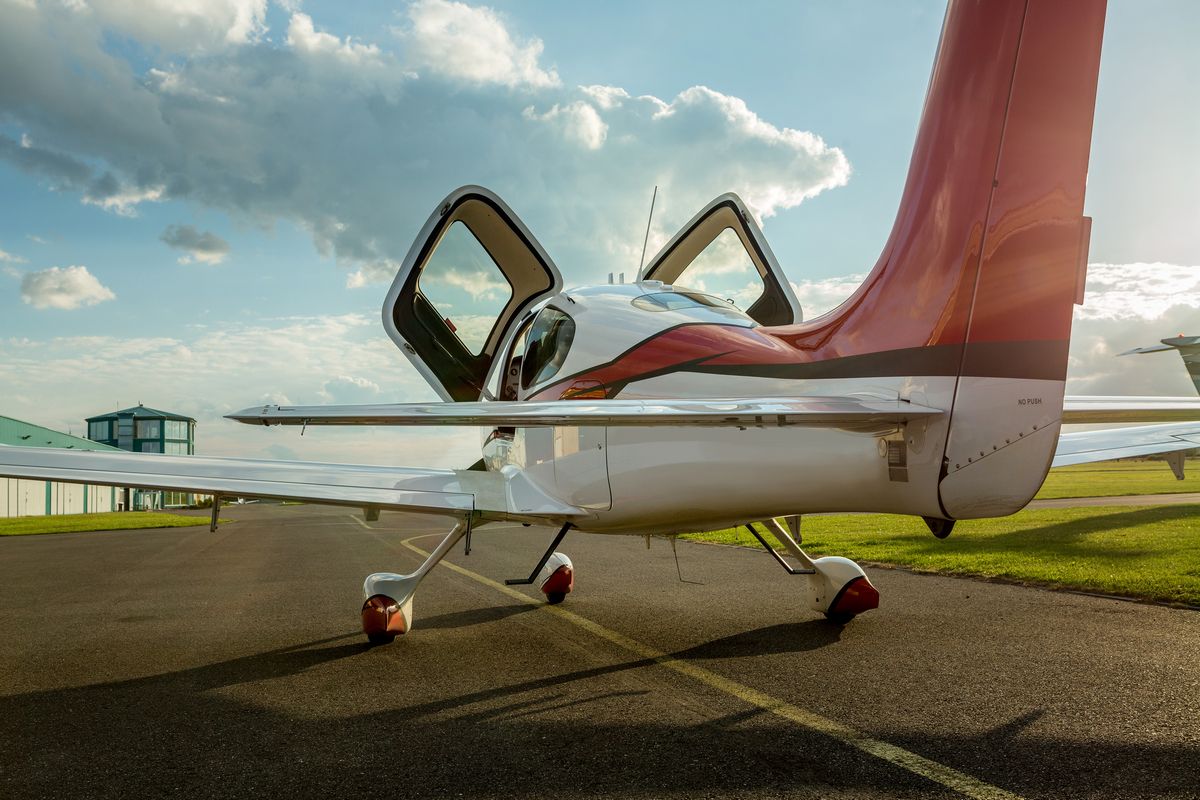
When it comes to high altitude, i.e., turbo or supercharged engines, there are a lot of misconceptions. The vast majority of general aviation piston engines are normally aspirated, resulting in a good amount of flight instructors, commercial pilots, and private pilots alike that do not have any practical experience working with forced induction systems.
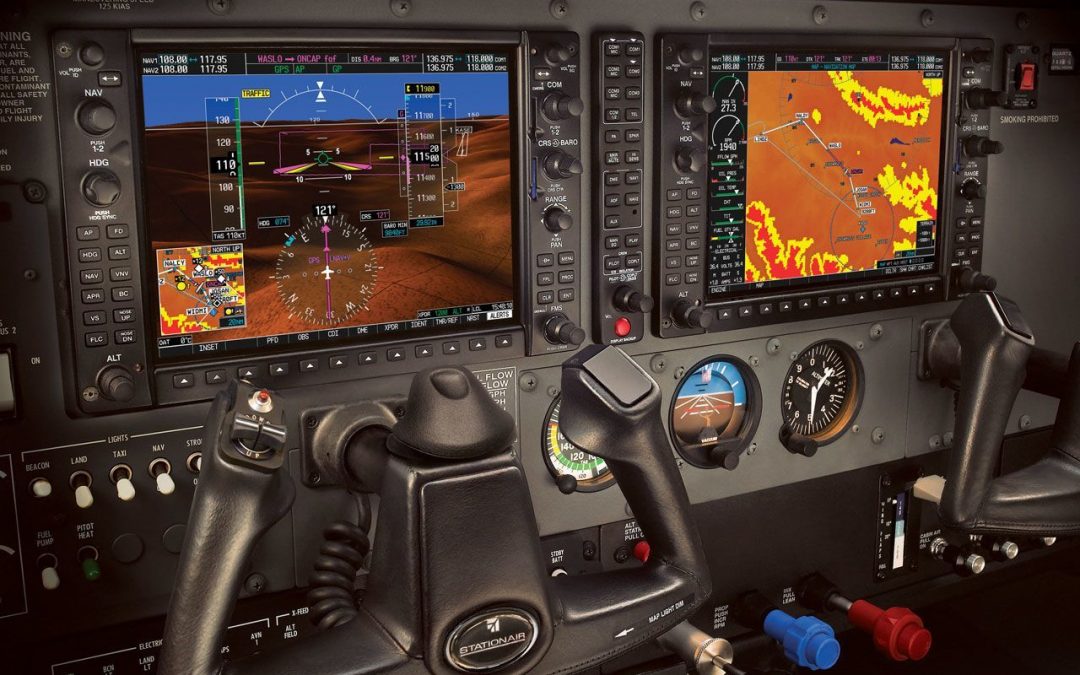
I often get asked about comparisons between the Garmin G1000 and Avidyne Entegra systems. Many Piper, Cirrus, and Columbia aircraft originally debuted with Avidyne glass cockpit systems before later switching exclusively to the Garmin G1000 (or Garmin Perspective as Cirrus calls it). So what’s the difference between the Garmin G1000 and the Avidyne Entegra?

The PIC course has been well received by partners who leave with a greater understanding of flight procedures and better prepared to survive an emergency and help their flying partner. I recently attended the PIC course at Conroe-North Houston Regional Airport (KCXO) and recommend it to anyone who flies in the right seat. One of the biggest lessons I learned was that when faced with an emergency, it’s easy to panic, unless your training kicks in. If you practice for an emergency, when it occurs, you will know how to deal with it. While the course does not teach you to fly, it offers practical suggestions for an in-air emergency.
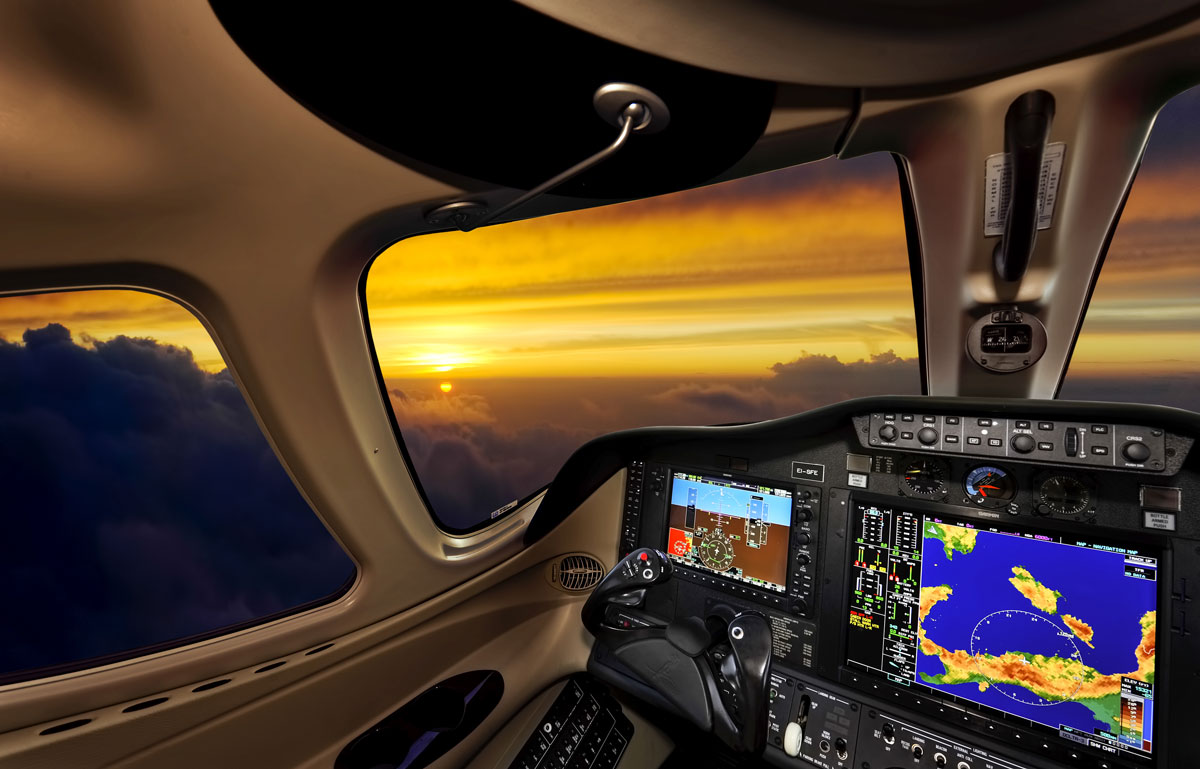
The ADS-B Mandate is just around the corner. By January 1, 2020, everyone will need to be on board with ADS-B when flying in any airspace that currently requires Mode C transponder. A lot of the discussion I have seen online about ADS-B has been focused on the politics. There is a great deal of resistance to the ADS-B mandate due to the financial burden it places on aircraft owners. Groups such as AOPA are actively advocating for aircraft owners in an attempt to delay the mandate. Regardless of your feelings about whether ADS-B is a benefit, it would be wise to be prepared for the mandate.
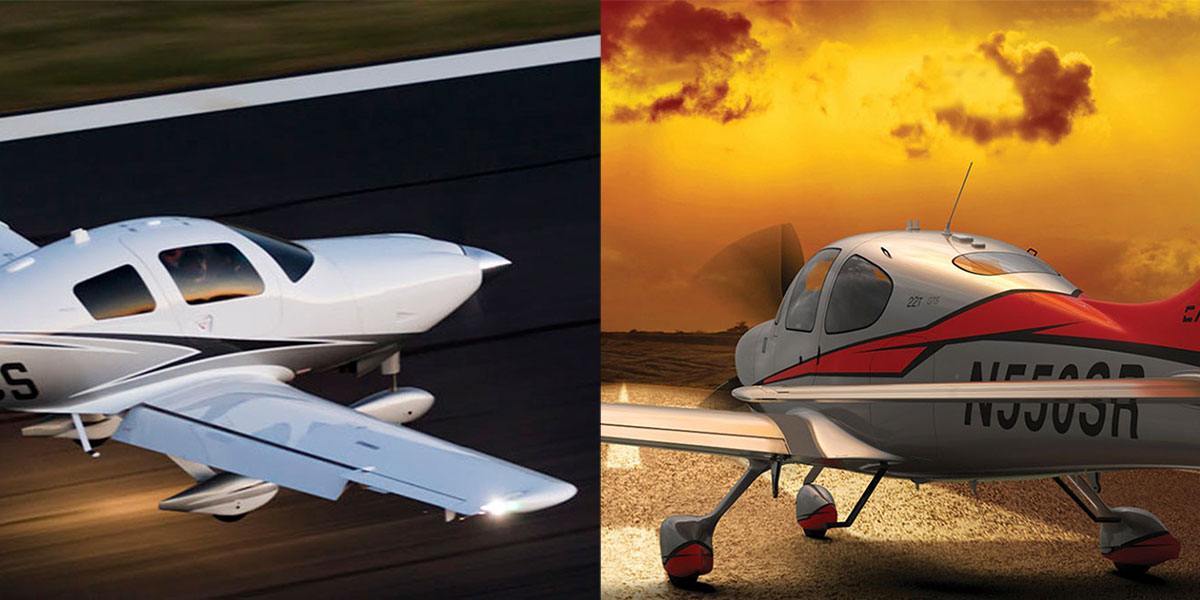
I often get asked the question, “Which plane is your favorite: the TTx or the Cirrus?” My answer would be similar to your response if I asked you which of your kids is your favorite. There are unique aspects to each airplane. Although they might fulfill similar missions, they each have their own benefits which will draw people to one or the other depending on their preferences.
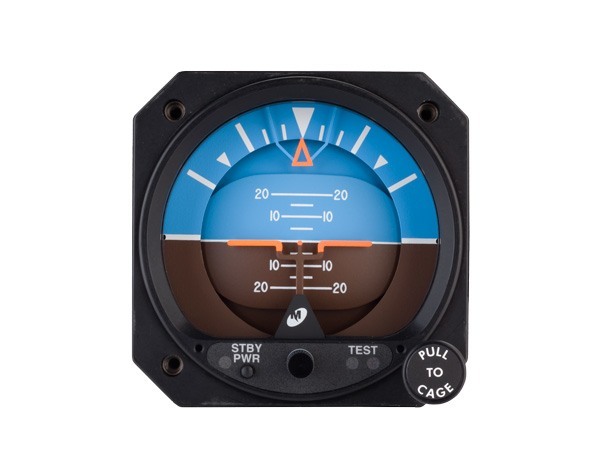

Airplanes that sit for extended periods tend to develop problems over time that may go undetected until you really need the airplane for your next flight. It is common to think that less flight time on an airplane leads to less maintenance problems, but that is only partially true.
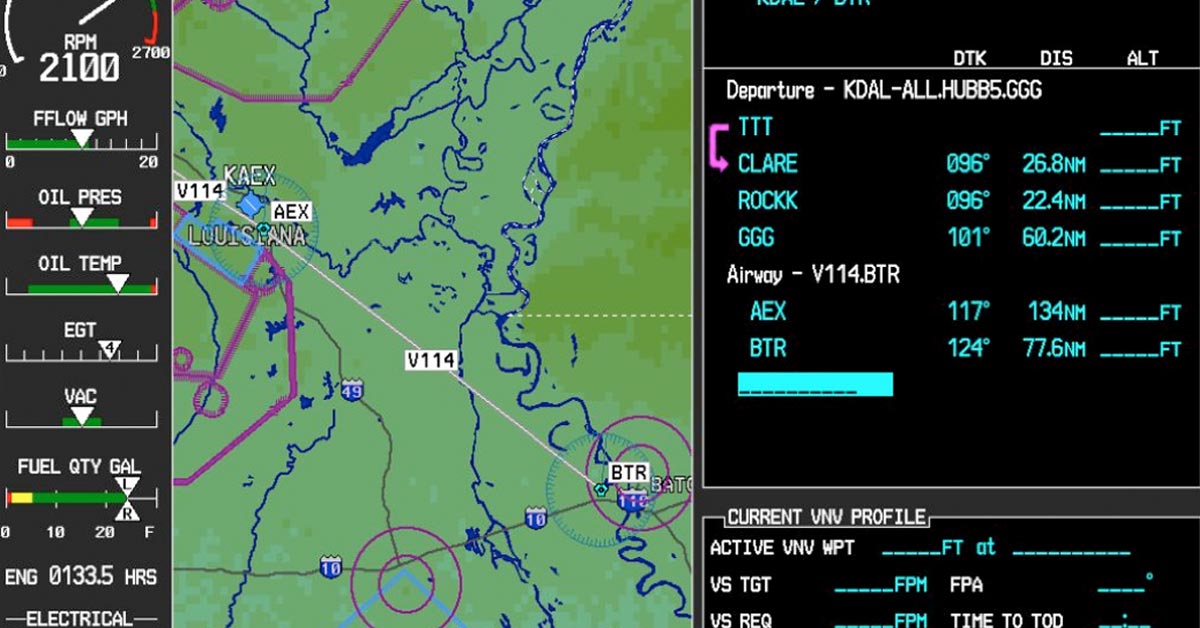
One of the great (and sometimes confusing) things about the G1000 is that it provides many options for customization. One of the simplest options available to us is the ability to change the layout of the Flight Plan page on the MFD.
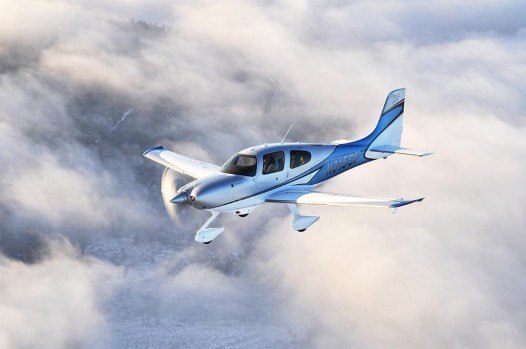
The Cirrus SR22 G5 is quite a flying machine. I got the chance to fly in one for about 9 days during the month of May. I was able to put it through it’s paces, see how it reacted, and overall got a good sense of the airplane.
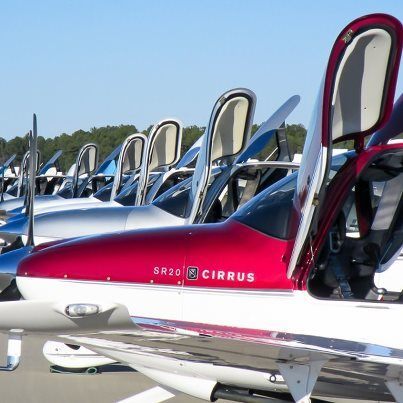
When you shut down your Turbocharged or Turbonormalized Continental Engine in your Cirrus SR22T or SR22TN, especially on a hot day, the fuel lines inside the cowling are heat soaked. Because they are so hot, when a restart is attempted, the fuel get’s vaporized once it get’s into the fuel lines under the cowling.
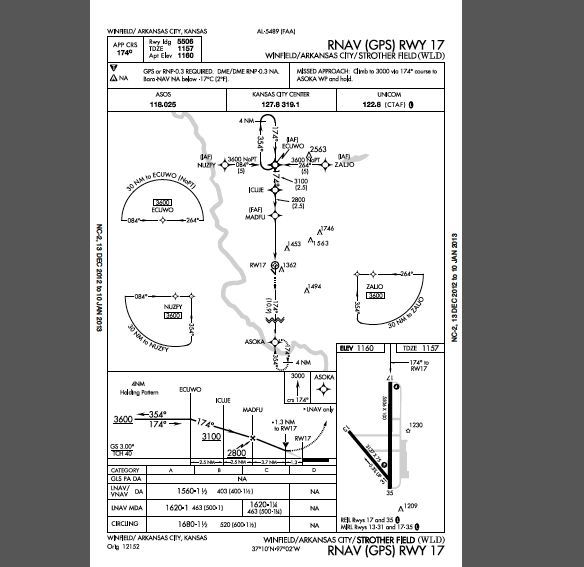
In my last article, we discussed some advanced functionality of VNAV for descent planning. VNAV is typically used for enroute descents and to meet crossing restrictions on descent. In this article we show an example of how you can incorporate VNAV on your instrument approaches as well.
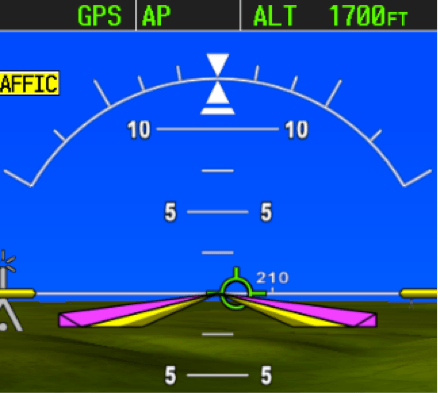
Ever wish your airplane could fly itself? With the Garmin GFC 700, that vision is getting closer to reality. In the past, some GA aircraft have been equipped with rate-based autopilots, like the S-TEC 55X or the Bendix-King KAP 140. Some of these autopilots would allow the aircraft to fly standard-rate turns, hold altitudes, command wings-level, and even couple to instrument approaches, depending on the particular model. With the Garmin Flight Control system, we now have access to incredible attitude-based digital precision.
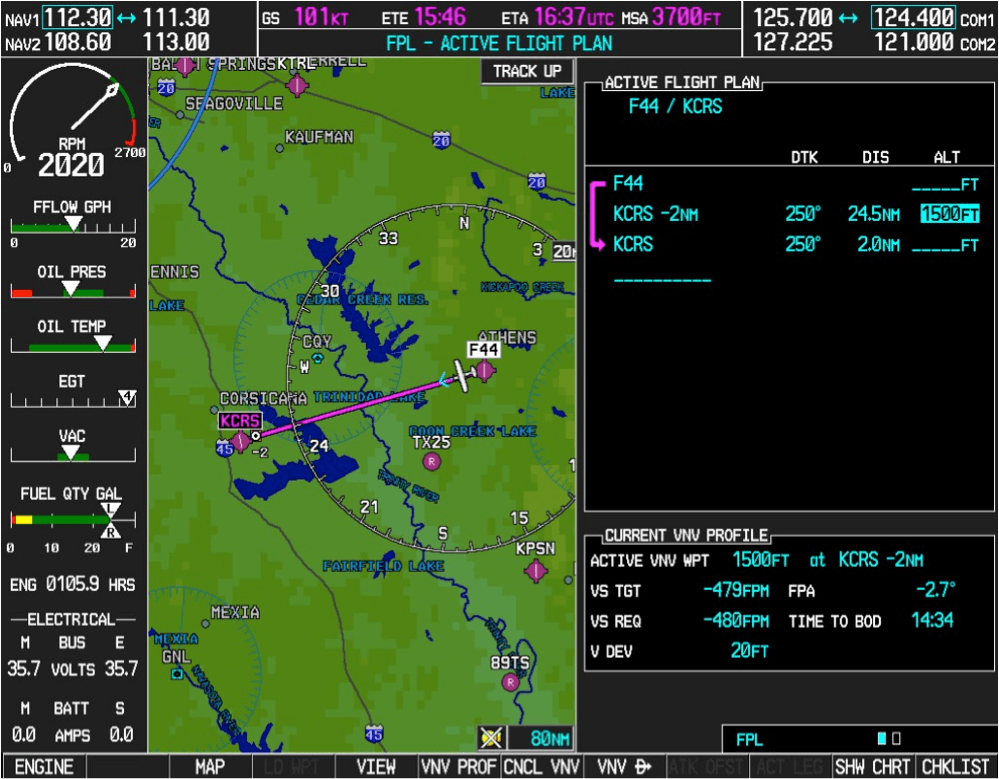
The VNAV function on a G1000 or Garmin Perspective system is a great resource to assist pilots in planning descents. It takes a lot of the math out of the process. Here are some advanced tips and tricks for utilizing the VNAV function properly.
Whether you are buying your first high-performance aircraft or selling the one you own, the HPA brokerage team can help.
Prefer to talk it through? Schedule a call