by Brandon Ray | Jan 5, 2014 | All News, Cessna Articles, Cirrus Articles, Garmin Articles, Training / Education
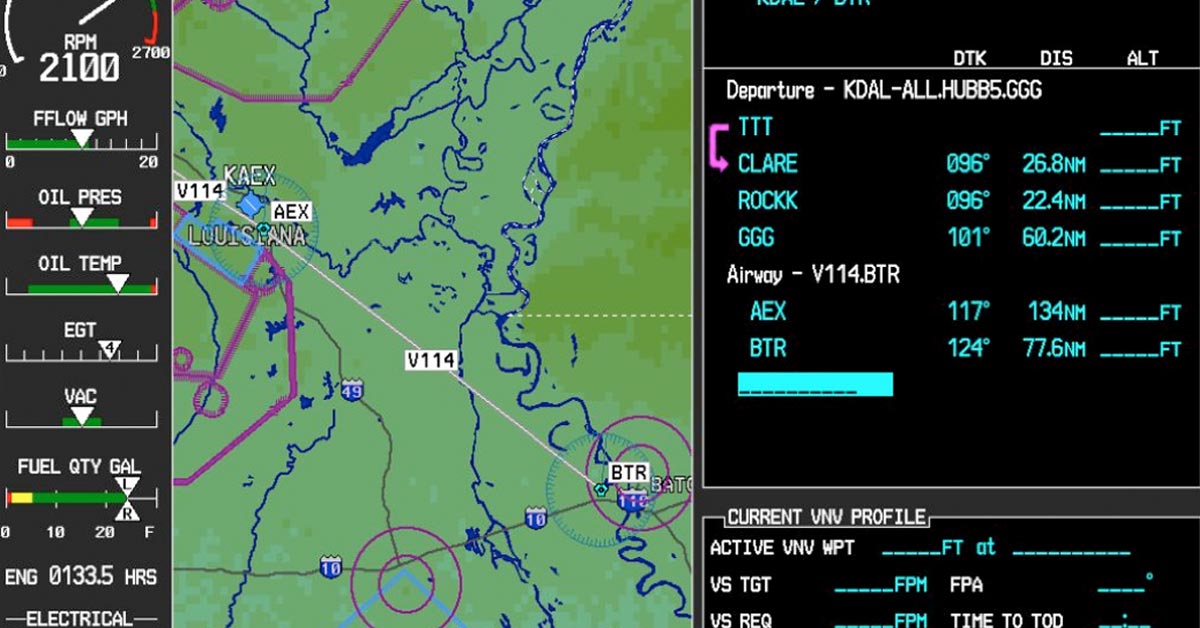
One of the great (and sometimes confusing) things about the G1000 is that it provides many options for customization. One of the simplest options available to us is the ability to change the layout of the Flight Plan page on the MFD.
by HPA | Sep 25, 2013 | All News, Garmin Articles, Product Reviews
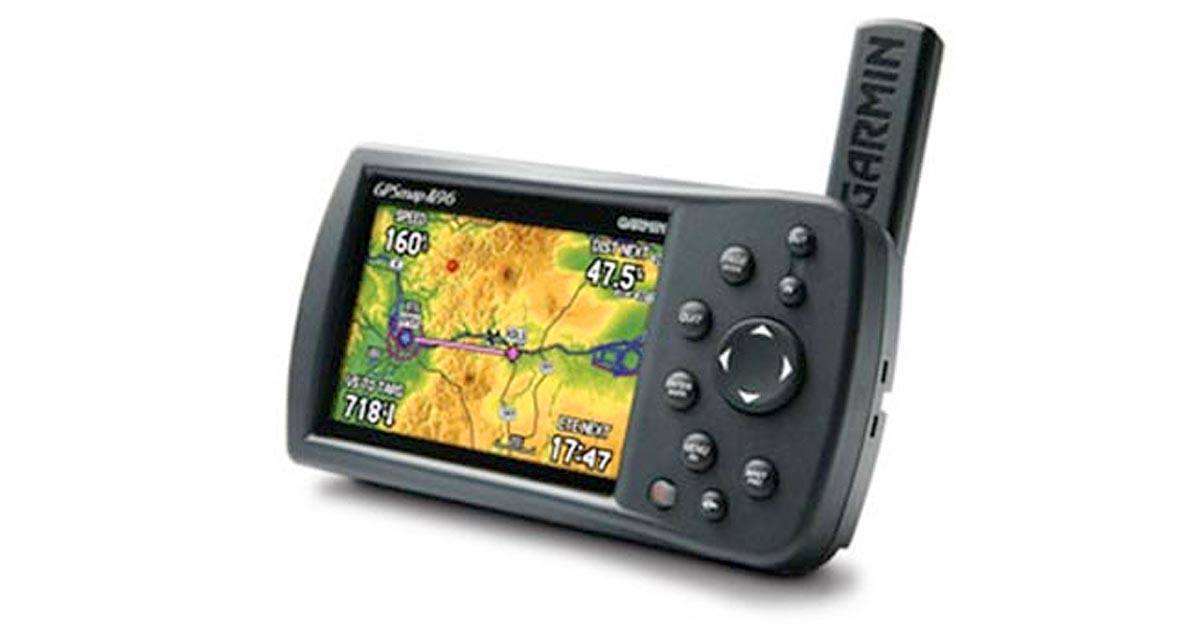
Sometimes the best things in life are the simplest. I present to you the Garmin GPSMap 496.
by HPA | Aug 15, 2013 | All News, Garmin Articles
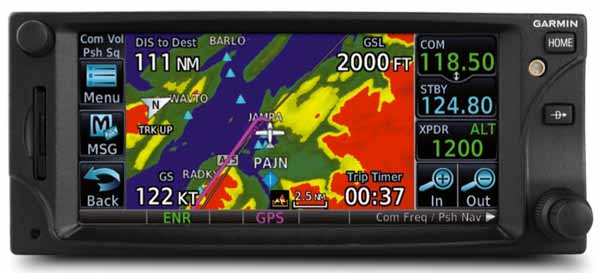
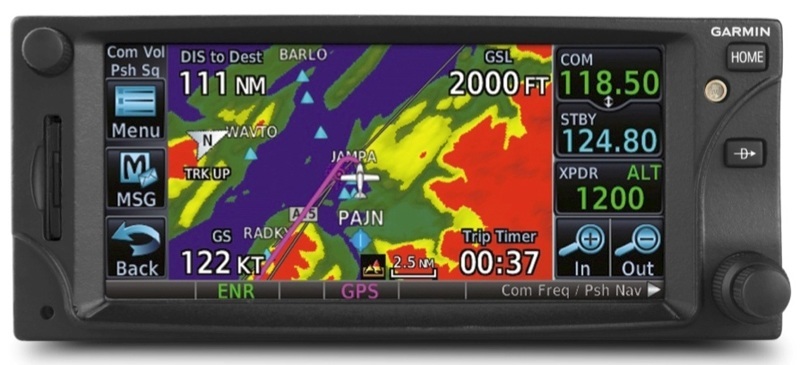
If you’ve ever used any of Garmin’s variety of avionics outfits, you know that the company has built its reputation on the prolific use of GPS technologies. You probably also know that Garmin products demonstrate a high level of quality, design, functionality, and execution. I was recently afforded the opportunity to use one of Garmin’s less established, but extremely functional units, the Garmin GTN 650.
by HPA | May 14, 2013 | All News, Cessna Articles, Garmin Articles, Product Reviews
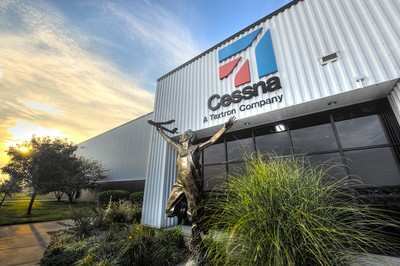
Back in December, I had the chance to go to the Cessna Factory in Independence, KS to receive my Cessna FITS Accepted Instructor training. Now, the city of Independence isn’t much to write home about, but the experience I had at the factory sure was top notch. I encourage Cessna owners everywhere to fly over to Independence and take a tour of the factory. You won’t regret it. Here’s a little bit about my experience.
by Brandon Ray | Apr 2, 2013 | All News, Cessna Articles, Cirrus Articles, Garmin Articles
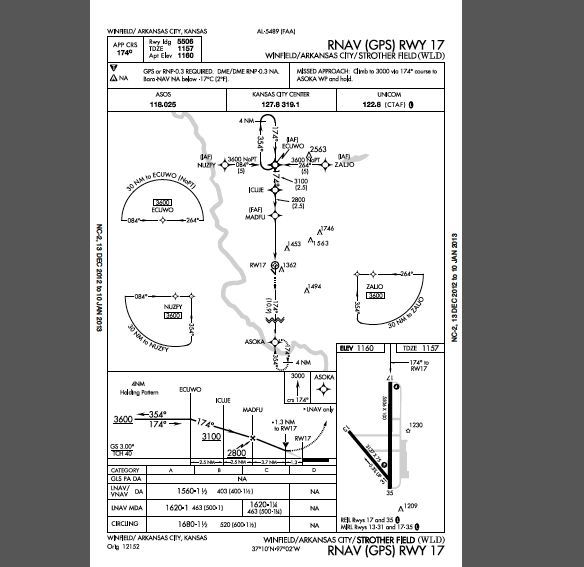
In my last article, we discussed some advanced functionality of VNAV for descent planning. VNAV is typically used for enroute descents and to meet crossing restrictions on descent. In this article we show an example of how you can incorporate VNAV on your instrument approaches as well.
by Brandon Ray | Feb 22, 2013 | All News, Cessna Articles, Cirrus Articles, Garmin Articles, Training / Education
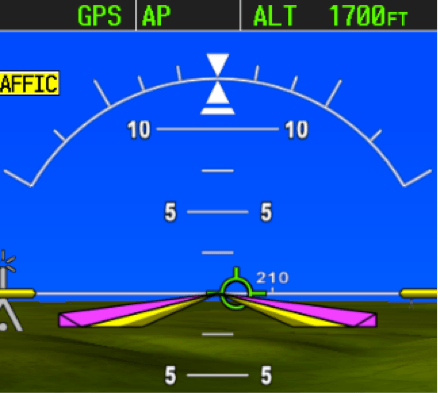
Ever wish your airplane could fly itself? With the Garmin GFC 700, that vision is getting closer to reality. In the past, some GA aircraft have been equipped with rate-based autopilots, like the S-TEC 55X or the Bendix-King KAP 140. Some of these autopilots would allow the aircraft to fly standard-rate turns, hold altitudes, command wings-level, and even couple to instrument approaches, depending on the particular model. With the Garmin Flight Control system, we now have access to incredible attitude-based digital precision.
by Brandon Ray | Jan 24, 2013 | All News, Cessna Articles, Cirrus Articles, Garmin Articles, Training / Education
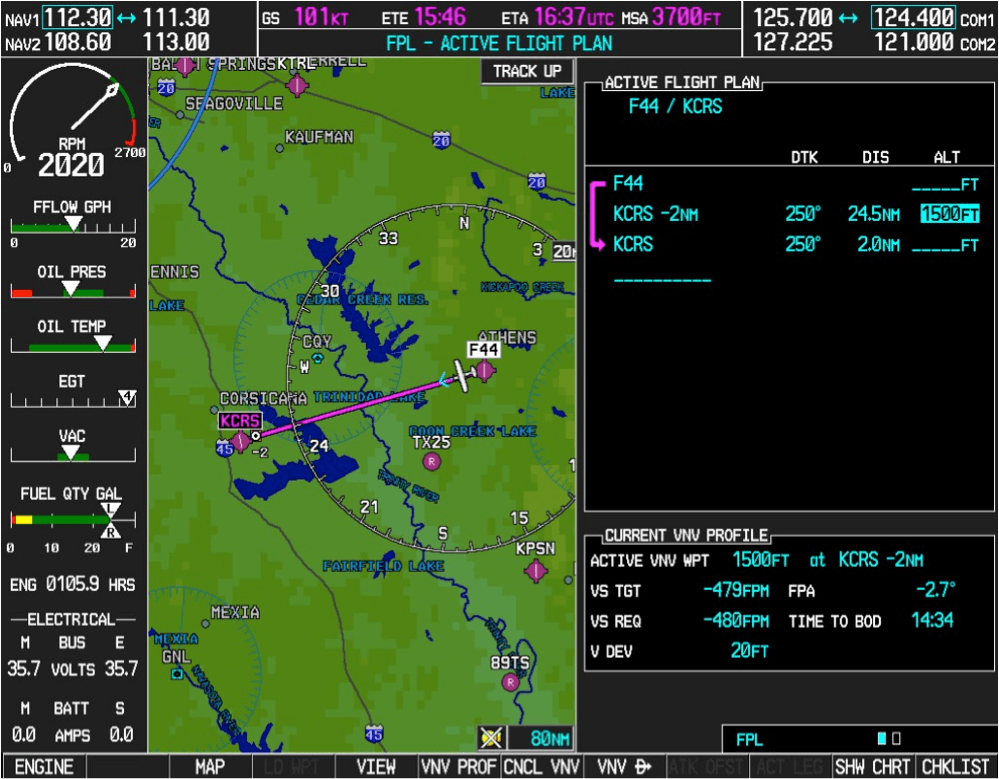
The VNAV function on a G1000 or Garmin Perspective system is a great resource to assist pilots in planning descents. It takes a lot of the math out of the process. Here are some advanced tips and tricks for utilizing the VNAV function properly.
by HPA | Oct 22, 2012 | All News, Cirrus Articles, Garmin Articles
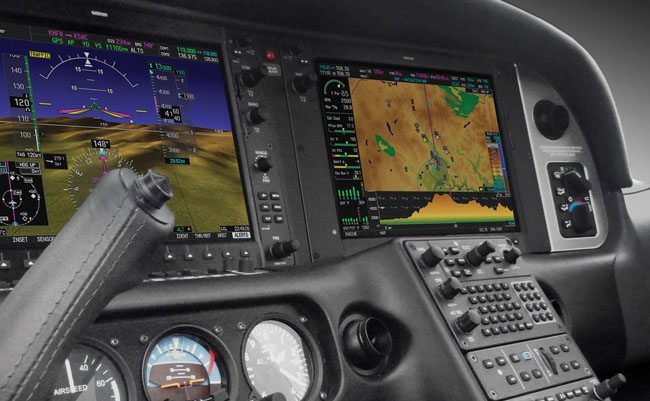
You have finally upgraded from an Avidyne equipped aircraft to a Garmin glass panel. Admittedly, there are a lot more buttons, but yet so much more capability. You spend the first several weeks after your transition training flying around, mostly VFR, getting the hang of things. At the end of the month, you turn on the MFD and see that your NavData is expired.
by HPA | Sep 7, 2012 | All News, Cessna Articles, Cirrus Articles, Garmin Articles, Product Reviews
I was taking a peek into a Cirrus a few weeks back, probably a 2002 or 2003 SR22. A quick glance at the panel and the GPS’s showed me everything was as it should be: 2 Avidyne screens, 2 Garmin 430s, the S-TEC 55x autopilot. The pilot offered to take me for a demo flight to show off his new GPS. I thought, well, I’m pretty good with a 430, maybe he wants some tips or something.
by HPA | Aug 22, 2012 | All News, Garmin Articles, Training / Education
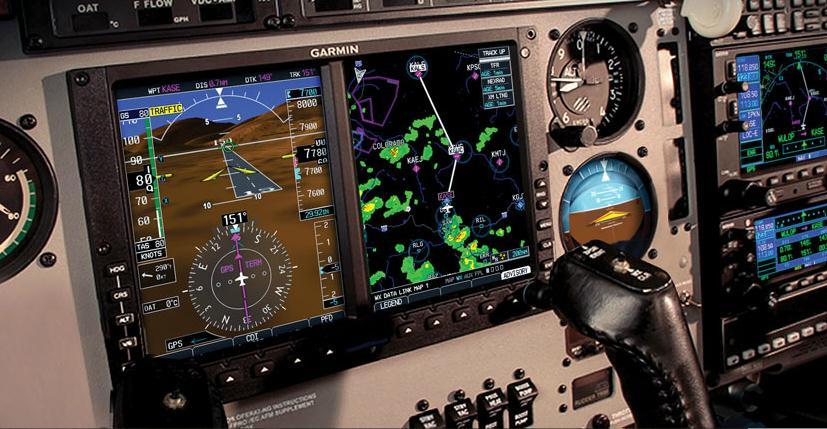
Question: Want all the benefits of those brand new glass cockpits? Don’t want to buy a brand new
aircraft? Even better, want it to work with your existing Garmin avionics?
Answer: A retrofit Garmin G500/G600. You get to keep your airplane, your Garmin GPS, and still get the
benefits of a glass cockpit.
by HPA | May 9, 2012 | All News, Cirrus Articles, Garmin Articles, Training / Education
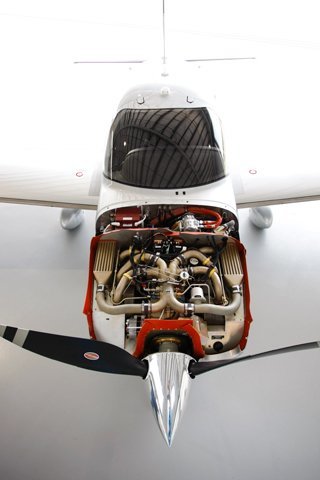
So, you’ve bought a new Cirrus. More than likely, it’s very different then what you have been flying. You’ve heard lots of rumors concerning landing it flat, touchy controls, something about a parachute, and an advanced glass panel setup. These rumors have you a little worried about taking it for a spin (not literally, of course). No need to fear, your local CSIP is here. A CSIP is factory trained by the Cirrus Aircraft Company and is certified to do factory transition training in all Cirrus aircraft.

by HPA | Mar 30, 2012 | All News, Cirrus Articles, Garmin Articles
The Cirrus factory, a mythical kingdom that a lucky few are able to enter and partake. Lo, I am here to say that, contrary to some, it is not a fairy tail conjured up by some rather imaginative pilots. No, it does exist in the bustling metropolis of Duluth, Minnesota. I was there recently for the Cirrus Standardized Instructor Program, training to become a CSIP. It was an exhilarating and exhausting experience, but I came out with everything in tact, thus able to be known from henceforth as an official CSIP. Here’s a little bit about my experience.
by HPA | Jan 26, 2012 | All News, Cirrus Articles, Garmin Articles, Product Reviews
New Cirrus aircraft equipped with the Garmin Perspective avionics suite are a pilot’s dream. All parties involved got this one right. Gone are the days when general aviation pilots have to twist knobs to select an airport identifier. In comes the Garmin Control Unit (GCU) with a complete keyboard which saves time and frustration. Most of the knobs are gone off the MFD, now repositioned on the GCU for easier access. Even the avionics panel is streamlined. I’m getting ahead of myself, though. Let us start with the PFD and analyze the whole setup.
by HPA | Nov 28, 2011 | All News, Cessna Articles, Cirrus Articles, Garmin Articles, Training / Education
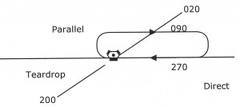
”November Four Seven Two Mike Charlie, hold as published on the VOR, maintain five thousand, expect further clearance in thirty minutes.” Those dreaded words no IFR pilot wants to hear. In yeoman’s terms, a hold clearance screams “DELAY!” This is when the pilot turns to his passengers and says, “Well folks, you might want to get comfortable. Just hope none of you have to go to the bathroom.”…
by HPA | Nov 21, 2011 | All News, Garmin Articles, Training / Education
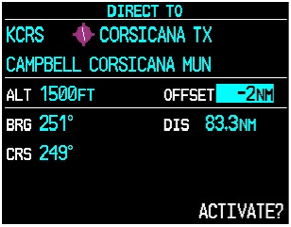
The direct to key is an aid to VFR pilots and a must for IFR pilots. On VFR cross countries, I encourage all VFR pilots to still create flight plans for VFR flights, utilizing paper and pencil planning, then plugging it into the G1000 using user defined waypoints and the like. On local VFR flights, the direct to key is awesome for going to closer airports or just getting a heading back to home base.
by HPA | Nov 20, 2011 | All News, Garmin Articles, Training / Education
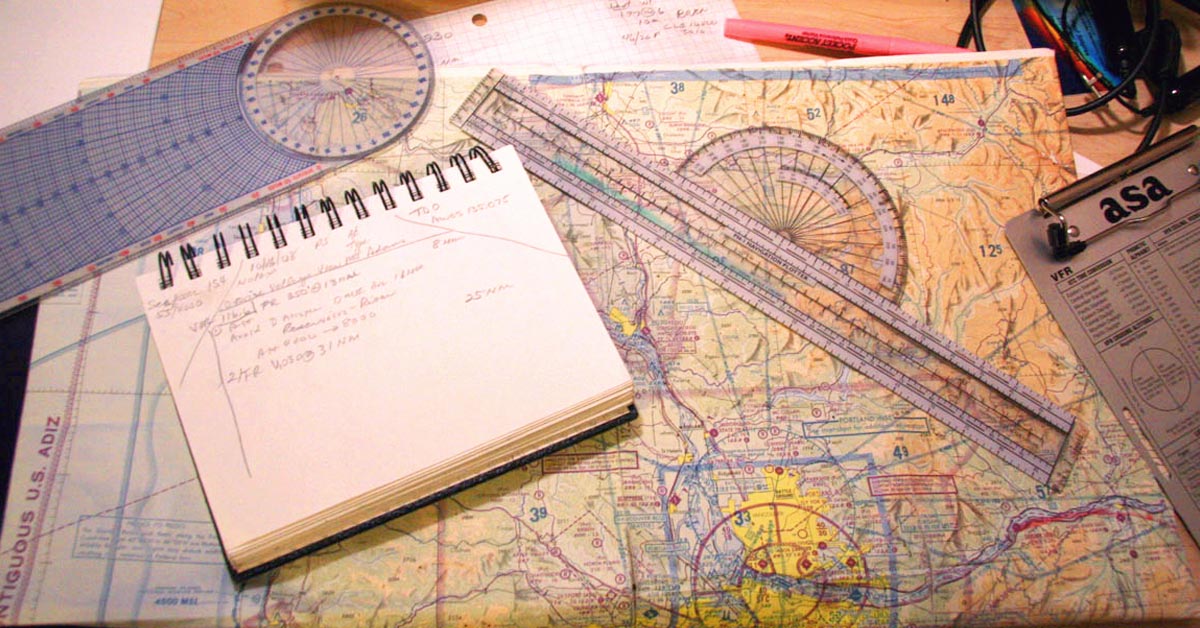
How much fuel does the airplane you are flying hold? This is a very important question that most pilots take for granted. Let’s keep things simple and use a Cessna Skyhawk for example. It holds 53 usable gallons of fuel. At an average cruise power setting, the airplane burns roughly 9 gallons an hour. That all adds up to approximately 5 hours and 48 minutes of fuel till the tanks run dry. Let’s say that you own the airplane and you and a co-worker fly it 4 days a week for work. With both of you in the front seats, you can take full fuel and don’t have to worry about weight and balance. The trip takes about four and a half hours, there and back, so you never have to worry about filling up until you get back home.
