
How Aircraft Owners Can Teach Kids About Aviation
As an aircraft owner, you hold the power to inspire future pilots. Learn how to introduce kids to the world of aviation and ignite their passion for flying.

As an aircraft owner, you hold the power to inspire future pilots. Learn how to introduce kids to the world of aviation and ignite their passion for flying.

Explore the legacy of the TBM 700 series—the aircraft that set the standard for single-engine turboprops. Uncover its history, performance, and innovation.

Deciding between buying or renting a hangar? We break down the pros and cons, covering costs, flexibility, and what every aircraft owner needs to know.

Ready to upgrade from your Cirrus? Discover how the TBM stacks up against the Piper Meridian in speed, cost, and features as your next turboprop.

Choosing between the Bose A30 and Lightspeed Delta Zulu? Explore our in-depth comparison of these premium ANR headsets to find the best option for pilots in 2026.

Single-pilot resource management (SRM) is essential for safe solo flight operations, providing a structured approach to managing all available resources both inside and outside the airplane. It integrates key skills such as task prioritization, risk management, situational awareness, and automation control. SRM helps pilots maintain mental workload balance, avoid controlled flight into terrain, and ensures disciplined decision making in general aviation, especially during IFR or complex flights.
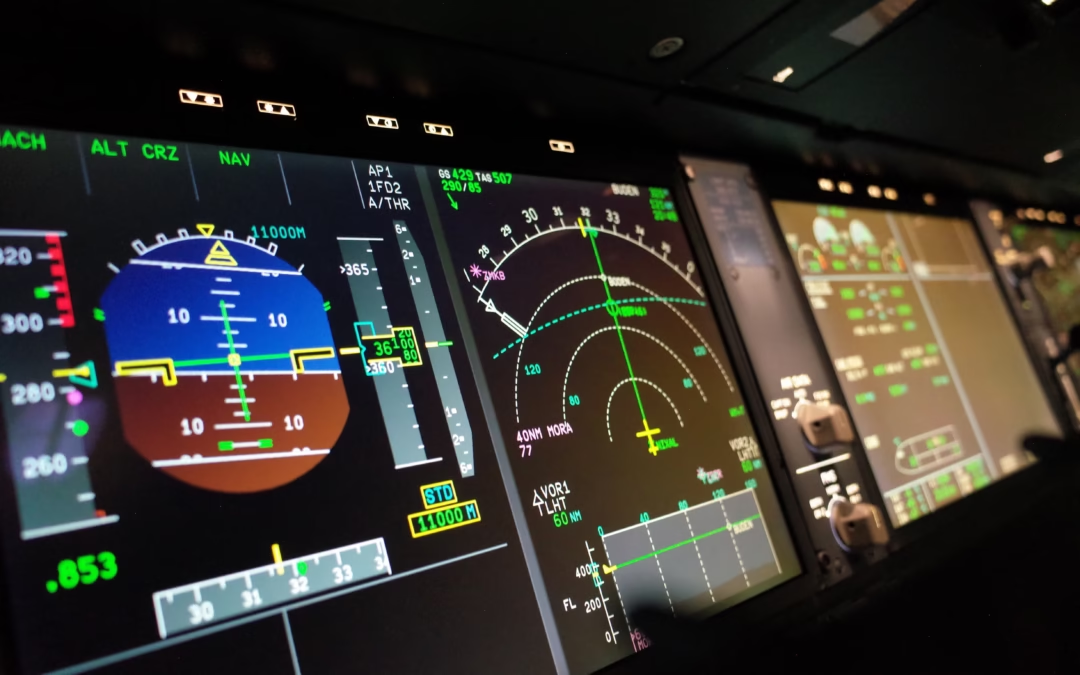
This guide addresses GPS loss procedures crucial for pilots navigating modern aviation’s increasingly unreliable GNSS environment. It emphasizes the importance of treating GPS as one of multiple navigation tools, highlights traditional navigation skills like VOR and dead reckoning as vital backups, and details flight planning and cockpit responses necessary to maintain safety when GPS signals fail or become compromised.

The article highlights the significant impact of the ATC staffing shortage on general aviation operations in the U.S. Pilots face longer taxi times, reroutes, and increased delays due to roughly 3,000 controller vacancies nationwide. This staffing gap affects safety, operational efficiency, and costs, emphasizing the need for pilots to adapt their planning and cockpit habits to accommodate this ongoing systemic issue.

The standardized POH structure defines a consistent nine-section format for pilot operating handbooks in light aircraft built after 1975. This structure ensures pilots can quickly find critical information such as limitations, emergency and normal procedures, and performance data. Familiarity with this structure enhances safety, improves operational efficiency, and supports thorough aircraft evaluation during ownership or purchase.
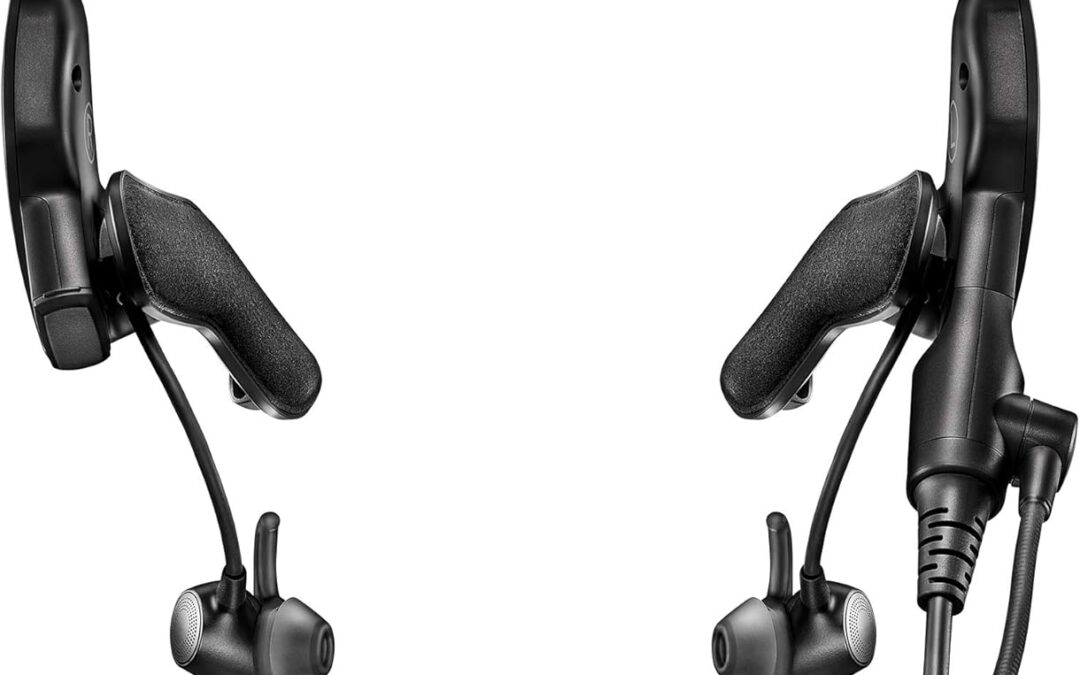
Torn between the Bose ProFlight Series 2 and the A30 for your turbine cockpit? This guide compares in-ear vs over-ear options to help pilots choose the perfect headset.

Most general aviation pilots know their aircraft’s make and model, but few understand the critical differences between Normal and Utility category certifications—distinctions that directly impact what maneuvers you can legally perform and how your aircraft must be maintained.

A scimitar propeller features a uniquely curved blade design that enhances aircraft performance by reducing drag and noise. Its swept tips delay shock formation at higher rotational speeds, improving efficiency and contributing to quieter operation. The upgrade is especially beneficial for aircraft operating at higher power settings, offering potential gains in climb, cruise efficiency, and cabin comfort. This propeller type is available through approved STC programs across various general aviation models.

Aircraft financing involves a complex and specialized process distinct from traditional loans. Buyers must prepare early with comprehensive financial documentation and secure lender pre-approval tailored to the aircraft’s year, make, and model. Understanding financing options, down payment requirements, and lender policies is essential to streamline the purchase of piston, turboprop, or jet aircraft. This guide highlights critical steps and considerations to navigate the aircraft financing process effectively.


The FAA’s MOSAIC rule reshapes light aircraft ownership by moving to performance-based criteria and expanding sport pilot privileges. Finalized July 2025, it sets phased effective dates—privileges start October 22, 2025, with certification and manufacturing provisions July 24, 2026—and replaces fixed weight caps with stall-speed limits, opening more of the general aviation fleet to sport pilots, including select four-seat models such as the Cessna 182 and Piper Archer that meet the new performance and seating criteria.

From kneeboard fit to sunlight-readable 3,000-nit displays and long-day battery life, this guide compares the iPhone 17, 17 Air, 17 Pro, and 17 Pro Max for cockpit use. It evaluates display visibility in bright cockpits, model-by-model battery ratings, improved thermals on the Pro line, Bluetooth pairing practices, and practical mounting/power tips—so you can choose the right iPhone 17 for your mission and budget.
Whether you are buying your first high-performance aircraft or selling the one you own, the HPA brokerage team can help.
Prefer to talk it through? Schedule a call
Take a closer look at an aircraft that brings jet-inspired presence to the piston-single market.