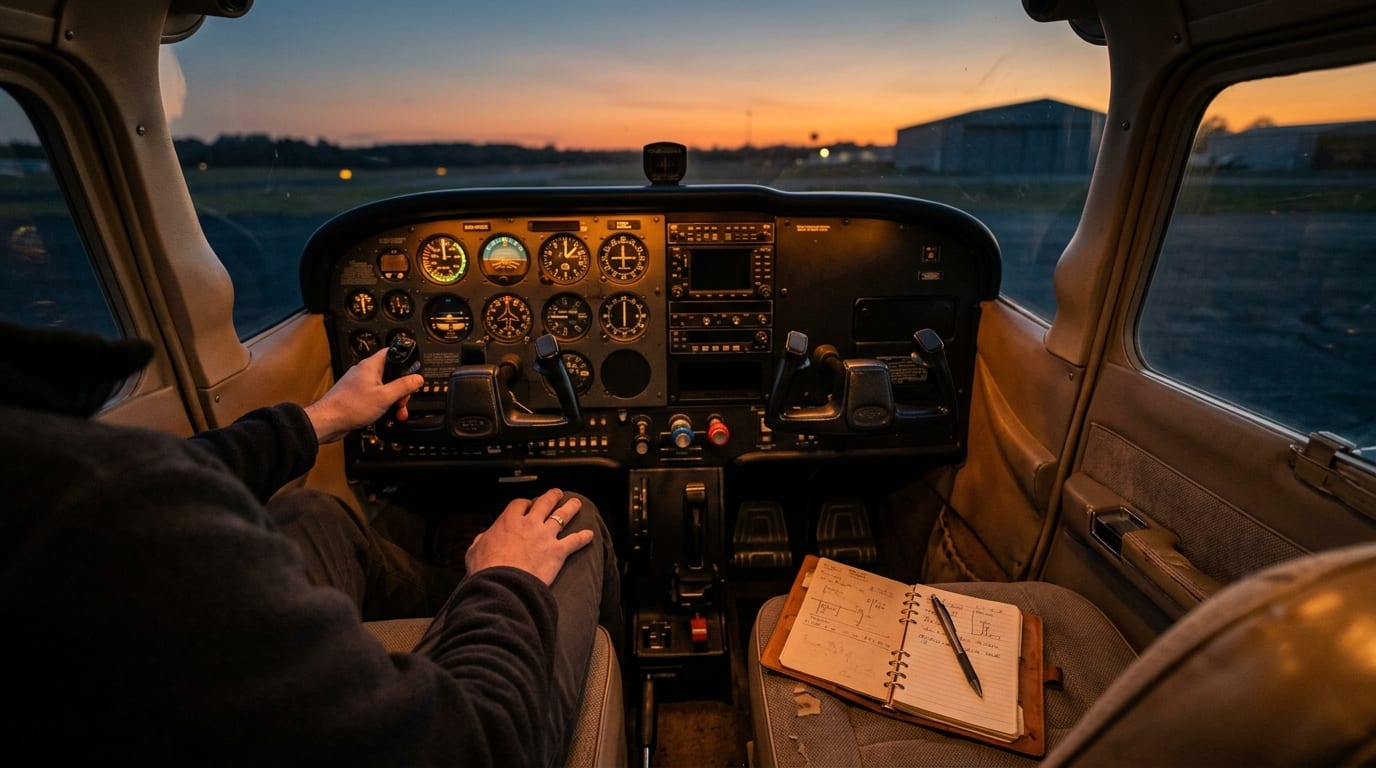
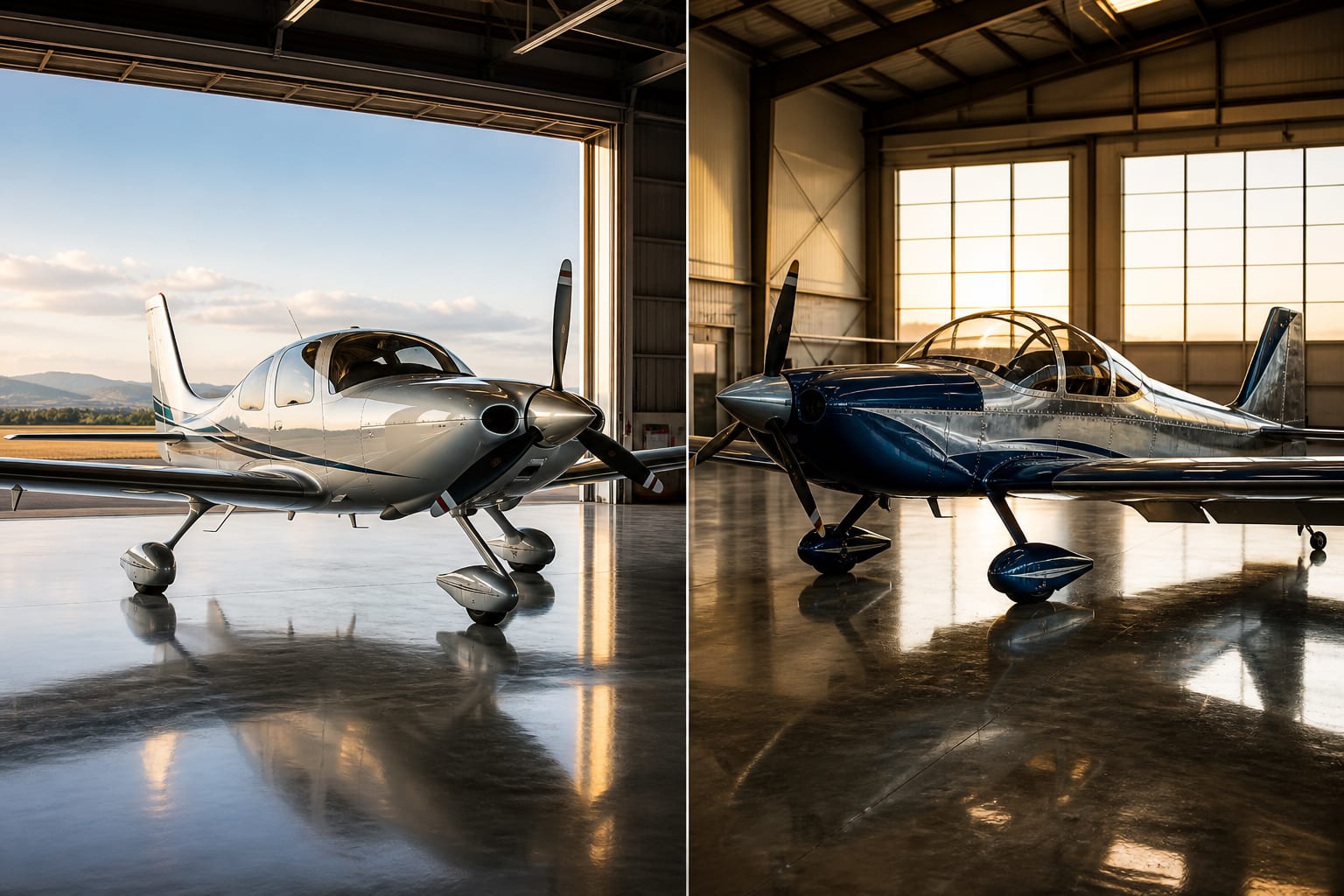
There's a moment every pilot remembers: the first time the world shrank below them and the horizon stretched wide in every direction. As an aircraft owner, you have something rare, the ability to hand that moment to a child. Whether it's your own kid, a grandchild, a neighbor's curious ten-year-old, or a student through a youth program, your hangar and your airplane are more than assets. They're a classroom unlike anything a school can offer. Aviation needs new pilots, and the pipeline starts exactly where you are, standing next to your aircraft on a Saturday morning.
Table Of Contents
- Why Aircraft Owners Are Uniquely Positioned to Teach Kids About Aviation
- Start on the Ground: Hangar and Preflight Education for Kids
- Age-Appropriate Ways to Involve Kids in the Cockpit and Beyond
- Making Flights Memorable and Educational for Young Passengers
- Practical Tips for Aircraft Owners Before You Begin
- Your Airplane Is One of the Most Powerful Teaching Tools You Own
Why Aircraft Owners Are Uniquely Positioned to Teach Kids About Aviation
Most kids will never get closer to a real airplane than a crowded terminal gate. You can change that in a single afternoon.
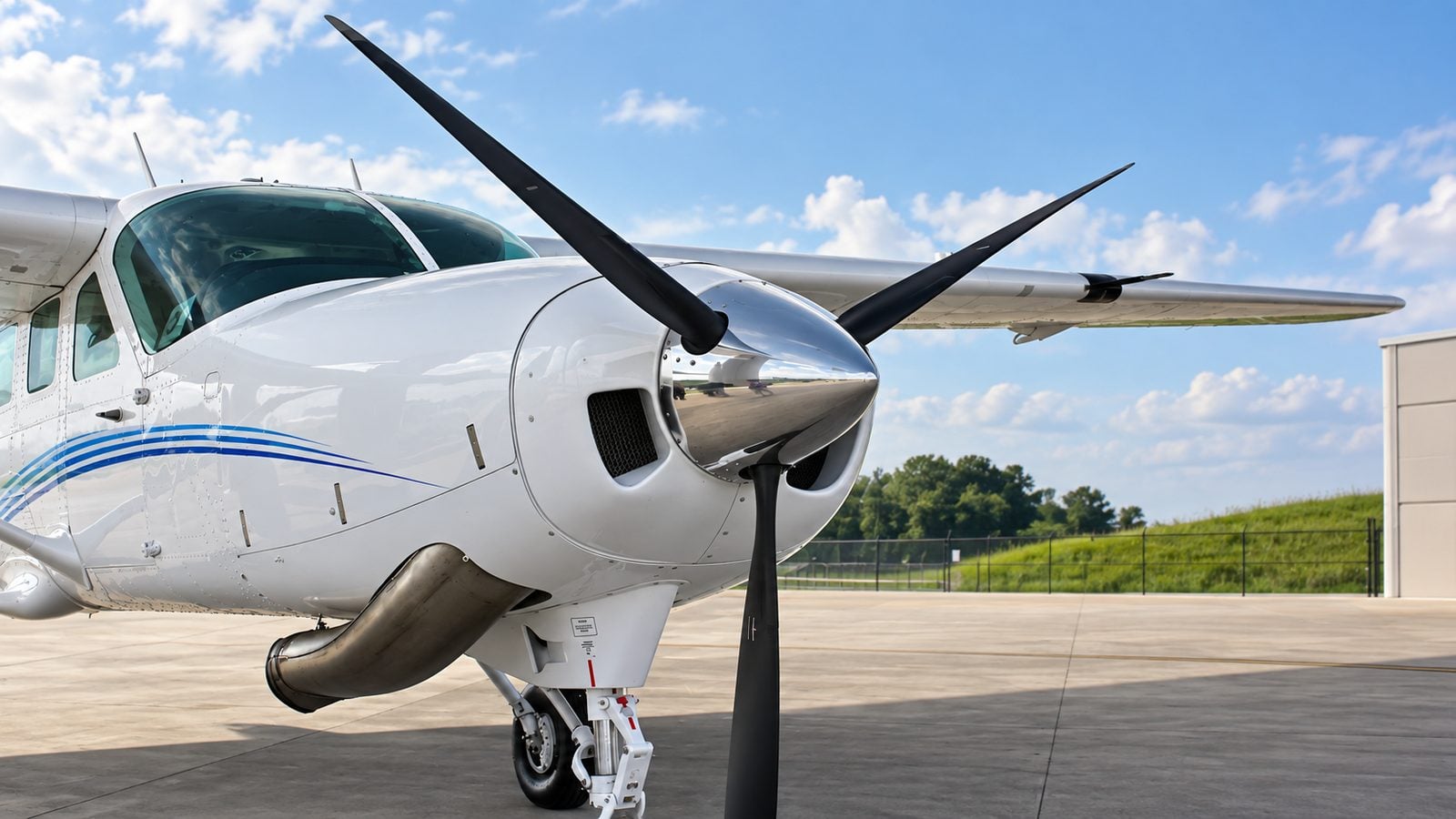
General aviation ownership comes with a kind of access that commercial aviation simply cannot replicate. You can open the hangar door, pull the aircraft out, and let a child walk around the entire machine at arm's length. They can touch the propeller, peer into the engine compartment, sit in the left seat, and hold the yoke. None of that happens on a boarding pass. That tactile, up-close experience is irreplaceable, and it's yours to give.
The trust factor matters just as much as the access. A child introduced to aviation by a parent, grandparent, neighbor, or family friend is far more likely to develop a genuine, lasting interest than one who sits through a formal classroom presentation. You are not a stranger with a sales pitch. You are someone they already trust, showing them something you love. That combination is powerful.
The industry context makes this even more urgent. Aviation is facing a well-documented and serious pilot shortage, and the path toward solving it runs directly through early exposure. General aviation is the entry point for the overwhelming majority of U.S.-trained professional pilots. The vast majority of airline captains flying today started in small GA aircraft. When you share your passion with a young person, you are potentially planting the seed of a career, a lifelong skill, and a community they will carry forward.
You do not need a formal curriculum or a nonprofit budget to make a difference. A hangar visit, a preflight walkthrough, and a short local flight are enough to change how a child sees the world, and how they see themselves in it.
Start on the Ground: Hangar and Preflight Education for Kids
Great aviation education does not require leaving the ground. Some of the most formative moments happen before the engine ever starts.
Treat the hangar as the classroom it already is. Walk kids through what a hangar is and why it exists: shelter from weather, a workspace for maintenance, a home base for the aircraft and the community around it. Introduce the concept of aircraft ownership, the responsibility, the routine, the discipline. Kids respond well to the idea that owning an airplane is serious business that requires real commitment.
Let them participate in safe, age-appropriate tasks. Wiping down the fuselage, handing you items during a preflight check, or simply following along and asking questions, all of it builds familiarity and investment. The goal is to make them feel like participants, not spectators.
Explain the aircraft in plain language. Wings generate lift. The engine produces thrust. The tail provides stability and control. Use analogies that land for kids: the rudder works like a fish's tail, the ailerons tilt the wings the way you tilt your hands out a car window. You do not need to teach aerodynamics; you need to spark curiosity.
The preflight inspection is one of the most instructive things a child can witness, not because it's exciting, but because it demonstrates something profound: that even experienced, skilled pilots follow a disciplined process every single time. Walk through each step and explain the "why," not just the "what." You are not just checking the fuel; you are confirming there's no water contamination that could cause an engine failure. You are not just checking the control surfaces; you are verifying that the aircraft will respond correctly when you need it to. That context transforms a checklist from a bureaucratic formality into a compelling story about safety culture.
For older children, hand them the checklist and let them read items aloud while you perform each check. That active role changes everything. They are no longer watching; they are helping. Aviation has one of the strongest safety cultures of any industry, built entirely on habits, discipline, and systematic verification. Letting a child experience that firsthand is a lesson that extends well beyond the cockpit.
Age-Appropriate Ways to Involve Kids in the Cockpit and Beyond
Different ages respond to different levels of engagement. Matching the experience to the child's developmental stage is the difference between a memory that sticks and one that overwhelms.
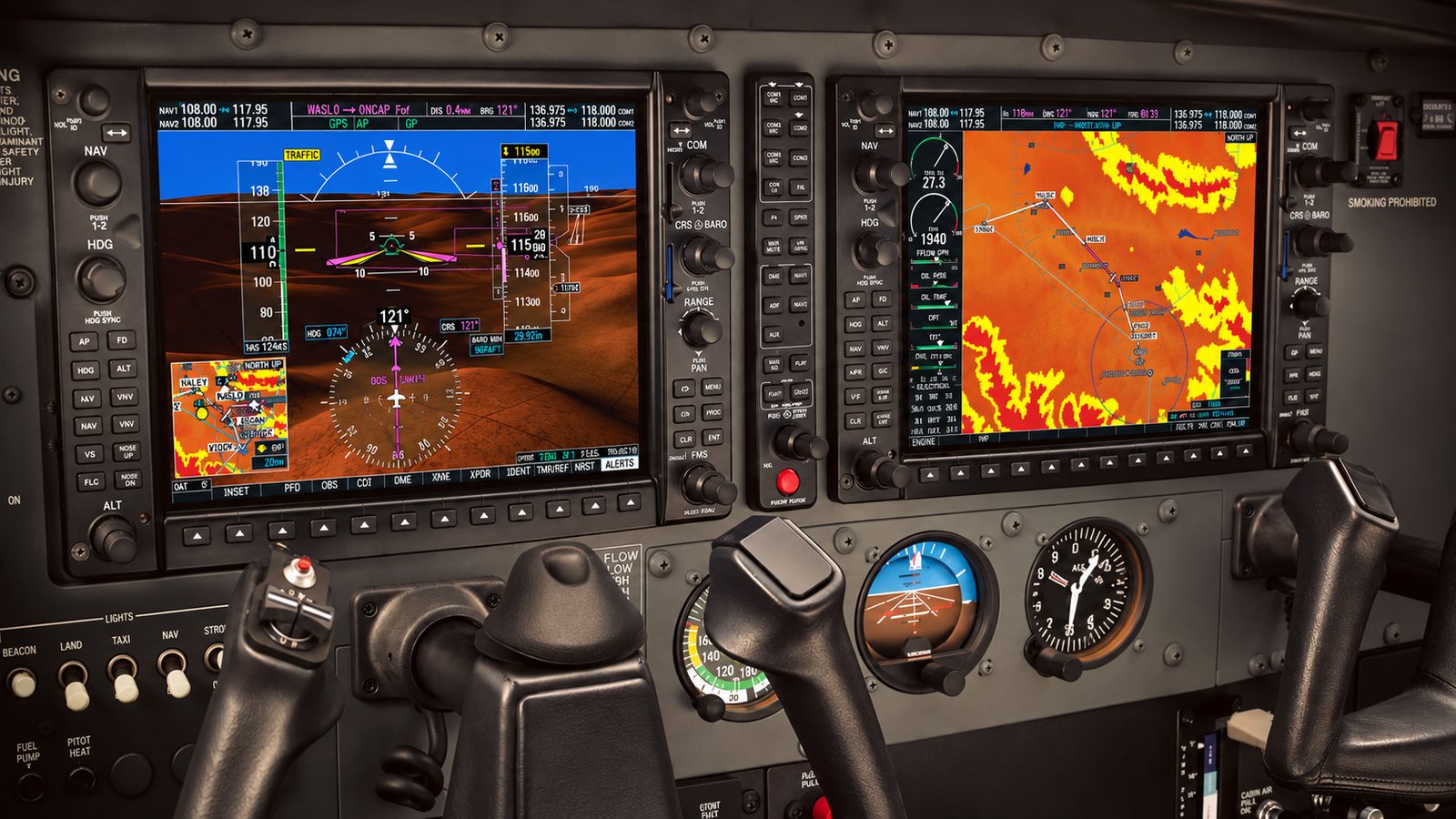
Young children (ages 4 to 7): Wonder and familiarity. With the youngest kids, your only job is to create a positive sensory memory. The smell of avgas, the sound of the engine running up, the feel of a headset over their ears, the view from the cockpit seat: these impressions are enough. Do not try to teach; try to delight. Let them sit in the pilot seat on the ground and ask them where they would want to fly. Keep it short, keep it positive, and let them lead the experience as much as possible. At home, activities like drawing airplanes, building and flying paper airplanes, and simple kite building reinforce the wonder of flight in a format they can engage with on their own [1].
Middle childhood (ages 8 to 12): Curiosity and hands-on learning. This is the sweet spot for aviation education. Kids in this range are old enough to understand basic concepts, curious enough to ask good questions, and young enough that aviation still feels magical rather than intimidating. Introduce the four forces of flight: lift, drag, thrust, and weight. During the flight, put a headset on them and let them listen to ATC communications. Explain what the controller is saying and why. That real-time narration transforms radio chatter from noise into a language they can begin to decode. Flight simulator software like Microsoft Flight Simulator or X-Plane gives kids a way to practice cockpit familiarity and basic navigation between hangar visits. The learning compounds quickly when the simulator at home connects to the real aircraft they have already touched.
For this age group, the EAA Young Eagles program is the single best structured resource available. Any EAA member pilot can register to give free introductory flights to kids ages 8 to 17, and the program has introduced more than 2.3 million young people to aviation since its founding in 1992 [2]. If you are not already a registered Young Eagles pilot, becoming one is straightforward and worth the effort.
Teenagers: Serious engagement and career exploration. Teenagers can handle the full picture, and they deserve it. Walk through the actual pathway to becoming a pilot: student pilot certificate, private pilot license, instrument rating, commercial certificate, and beyond. Be honest about the time and financial commitment. The cost of earning a private pilot certificate varies considerably based on location, aircraft type, and how quickly a student progresses, and current industry estimates often place the realistic total well above $10,000. A teenager who understands the real numbers is better equipped to pursue the goal seriously.
Expand the conversation beyond the cockpit. Aviation careers span an enormous range: pilots, aircraft mechanics and avionics technicians, air traffic controllers, aerospace engineers, aviation attorneys, airport operations managers, and UAS operators. Many teenagers who are not drawn to flying are deeply interested in engineering, technology, or operations, and all of those paths exist within aviation. Point them toward Civil Air Patrol, the official auxiliary of the U.S. Air Force, which offers aerospace education, leadership development, and actual flight opportunities for cadets ages 12 to 18.
Making Flights Memorable and Educational for Young Passengers
A flight with a child should be intentionally designed, not just a ride. The difference between a forgettable experience and a life-changing one comes down to preparation and narration.
Choose a route that passes over landmarks the child will recognize: their school, a local sports stadium, a river, or a neighborhood they know. When geography becomes tangible from 3,000 feet, something shifts in how a young person understands the world. Abstract maps become real. Before the flight, pull up a sectional chart or open ForeFlight and walk them through the route together. Show them how pilots navigate, what the symbols on the chart mean, and where you are going.
Do not fly in silence. Narrate what you are doing as you do it: "I am adjusting the throttle to climb," "I am checking in with the tower to let them know our position," "I am reducing power now because we are starting our descent." That running commentary transforms the experience from a passive ride into an active lesson. Ask questions that keep them engaged: "What do you think that town is down there?" "Can you find the airport on the map?" Normalize any turbulence or unexpected sounds calmly and factually. That matter-of-fact response builds trust and removes the mystery that can turn into fear.
After you shut down and secure the aircraft, sit down together and talk through the experience. Ask open-ended questions: "What surprised you?" "What would you want to learn more about?" Give them something tangible to take home. A sectional chart with your route marked on it, a printed flight log entry with their name on it, or a photo of them in the cockpit. These small, personalized keepsakes anchor the memory long after the day is over.
Practical Tips for Aircraft Owners Before You Begin
Before you open the hangar door to a young visitor, take care of a few practical items.
Check your insurance policy first. Before taking any minor on a flight, particularly a child who is not your own, verify that your aircraft insurance covers passengers and review any specific provisions related to minors. Your aviation insurance broker can clarify your coverage in a single phone call.
Get written parental consent for non-family children. A simple written consent form from a parent or guardian is good practice for any child who is not your own. Some organized programs require it; even when they do not, having it protects everyone involved.
Brief the child before the flight. Explain what to expect, what they should and should not touch, and what to do if they feel uncomfortable or airsick. A child who knows what is coming is a child who can enjoy the experience rather than brace for it.
Keep the first flight short. Thirty to forty-five minutes is typically plenty for a first experience. Leave them wanting more rather than overwhelmed.
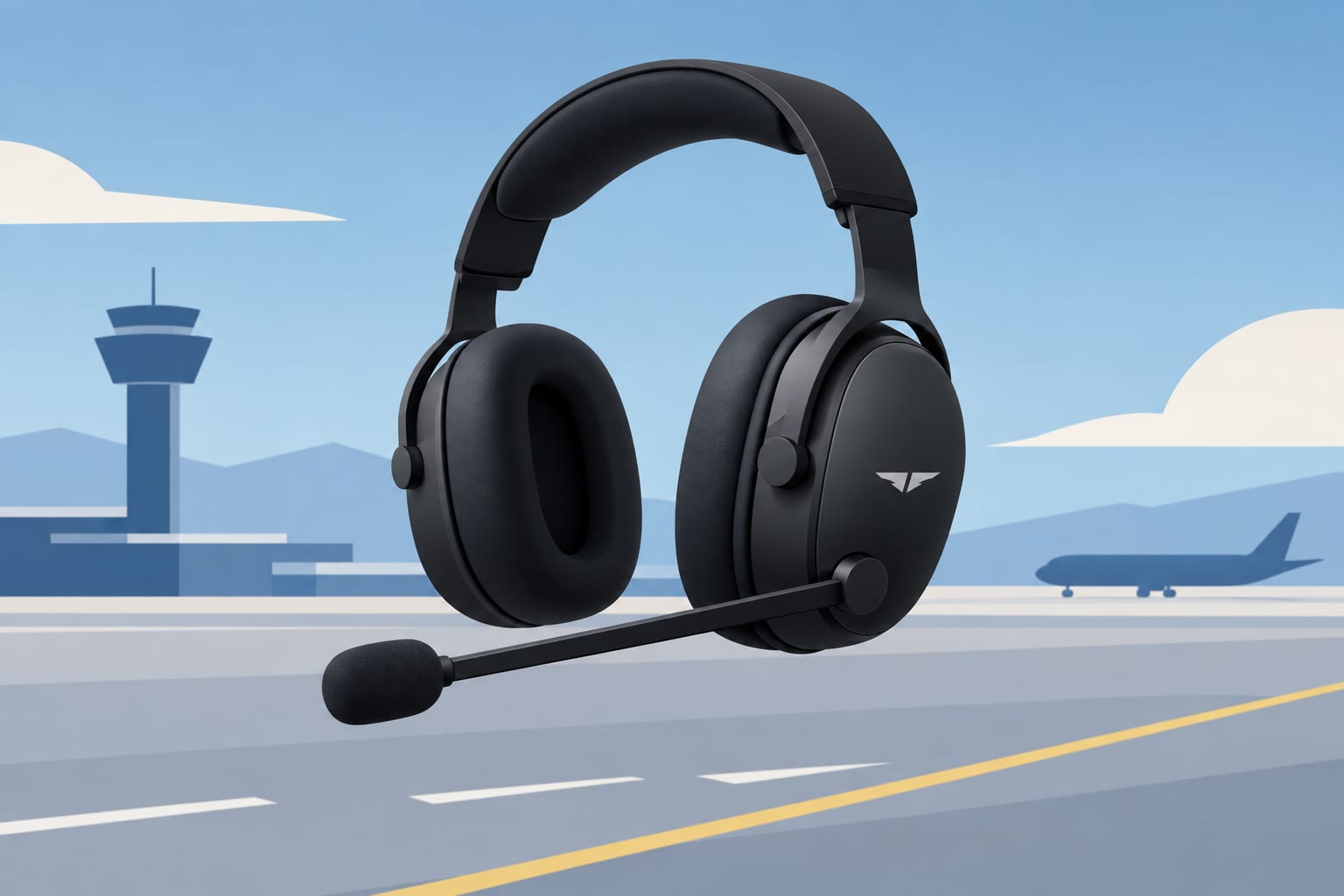
Bring a properly fitting headset. Noise exposure in small piston aircraft is a genuine hearing hazard, especially for children. A headset that fits correctly also allows them to hear your narration clearly, which significantly improves the experience.
Pick good weather. A smooth, clear VFR day makes an enormous difference for a child's first flight. Good visibility lets them see the world below clearly, and calm air means the aircraft behaves predictably.
Your Airplane Is One of the Most Powerful Teaching Tools You Own
Everything here comes back to one simple idea: you have access that most people will never have, and a child in your orbit can benefit from it in ways that extend far beyond a single afternoon.
It does not have to be complicated or formal. A Saturday morning in the hangar, a careful preflight walkthrough, and a short local flight can plant a seed that grows for a lifetime. Every child who develops a passion for aviation because of an experience you provided is a potential future pilot, engineer, mechanic, or aviation professional, someone who carries the culture of general aviation forward.
Start simple. Invite a kid to the hangar this weekend. Walk them around the airplane, explain what you are looking at, and let them ask questions. If you want to take it further, register as an EAA Young Eagles pilot and give that first flight through a program built to support exactly what you are trying to do [2]. The sky is not the limit. It is just the beginning.
Sources
Disclaimer: Some articles on this site are created with the assistance of AI technology.