

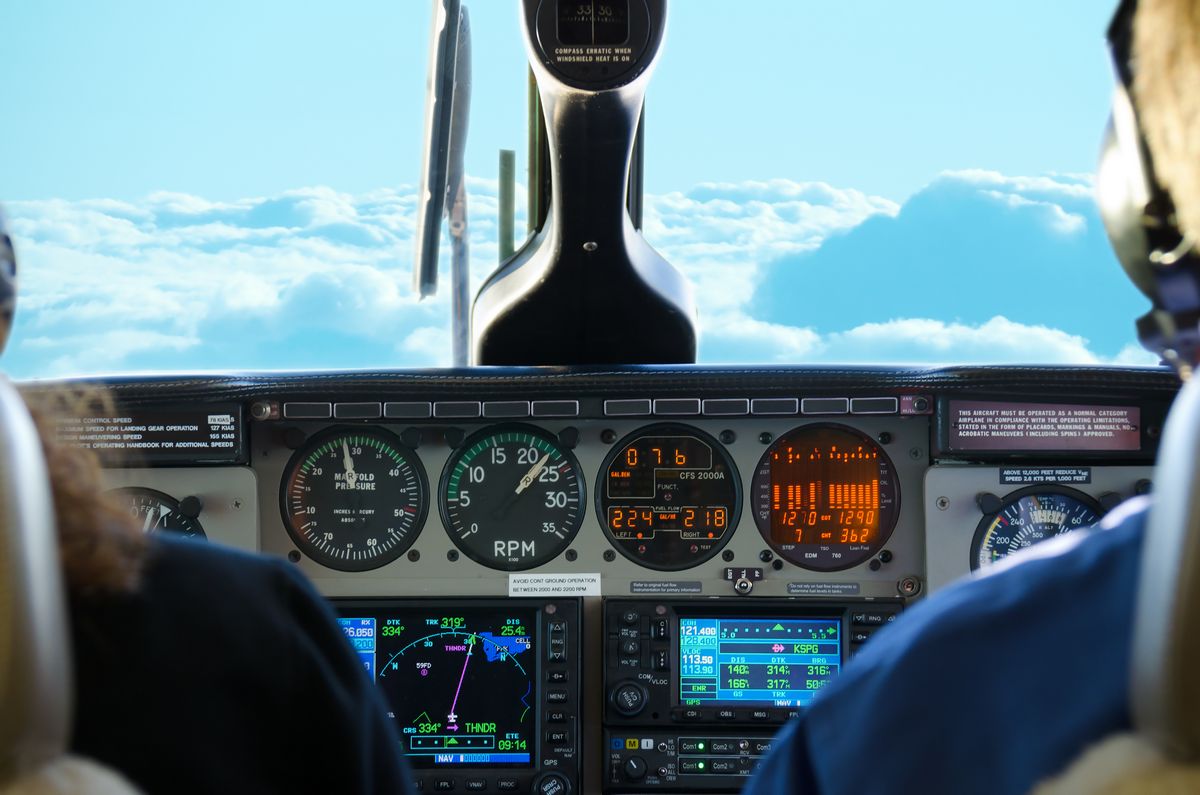
Human Factors in Aviation: Mitigating the Danger of Distraction
The aviation industry quickly realized the usefulness of utilizing human factors studies to mitigate accidents in the late 1970s after a rash of high-profile aviation accidents took place around the world. Most notable was the Tenerife, Spain accident occurring on March 27, 1977 when two Boeing 747s collided on the runway.

Flying Your First Aerial Photography Mission
Flying and taking aerial photographs have been around as long as the first cameras could safely be taken aloft. Scouting and bringing back imagery for analysis gave the airplane its first true utility in wartime. Nowadays, despite the ubiquity of manned and unmanned imagery found on the Internet, there are hundreds of cases where a person simply wants a special photograph that cannot be found online.

10 Things Pilots Should Know About Datalink Weather
The invention of datalink weather revolutionized GA flying in a way few other technologies have. For those that have already used it, imagine giving it up. For those of you that haven’t, it will change the way you fly.

From Right Seat Passenger to Partner In Command
The PIC course has been well received by partners who leave with a greater understanding of flight procedures and better prepared to survive an emergency and help their flying partner. I recently attended the PIC course at Conroe-North Houston Regional Airport (KCXO) and recommend it to anyone who flies in the right seat. One of the biggest lessons I learned was that when faced with an emergency, it’s easy to panic, unless your training kicks in. If you practice for an emergency, when it occurs, you will know how to deal with it. While the course does not teach you to fly, it offers practical suggestions for an in-air emergency.

ADS-B Get Ready for 2020!
The ADS-B Mandate is just around the corner. By January 1, 2020, everyone will need to be on board with ADS-B when flying in any airspace that currently requires Mode C transponder. A lot of the discussion I have seen online about ADS-B has been focused on the politics. There is a great deal of resistance to the ADS-B mandate due to the financial burden it places on aircraft owners. Groups such as AOPA are actively advocating for aircraft owners in an attempt to delay the mandate. Regardless of your feelings about whether ADS-B is a benefit, it would be wise to be prepared for the mandate.

Obesity and Fat Aircraft – a Weighty Subject for General Aviation
As any pilot knows from primary training, safe flight operations require that the airplane be loaded within the maximum certified weight and center of gravity (CG) limits. Increased aircraft weight, be it due to occupants, cargo or both, adversely affects aircraft performance in a variety of ways. For example, longer takeoff and landing distances are required for a heavier aircraft and climb gradients are more shallow.
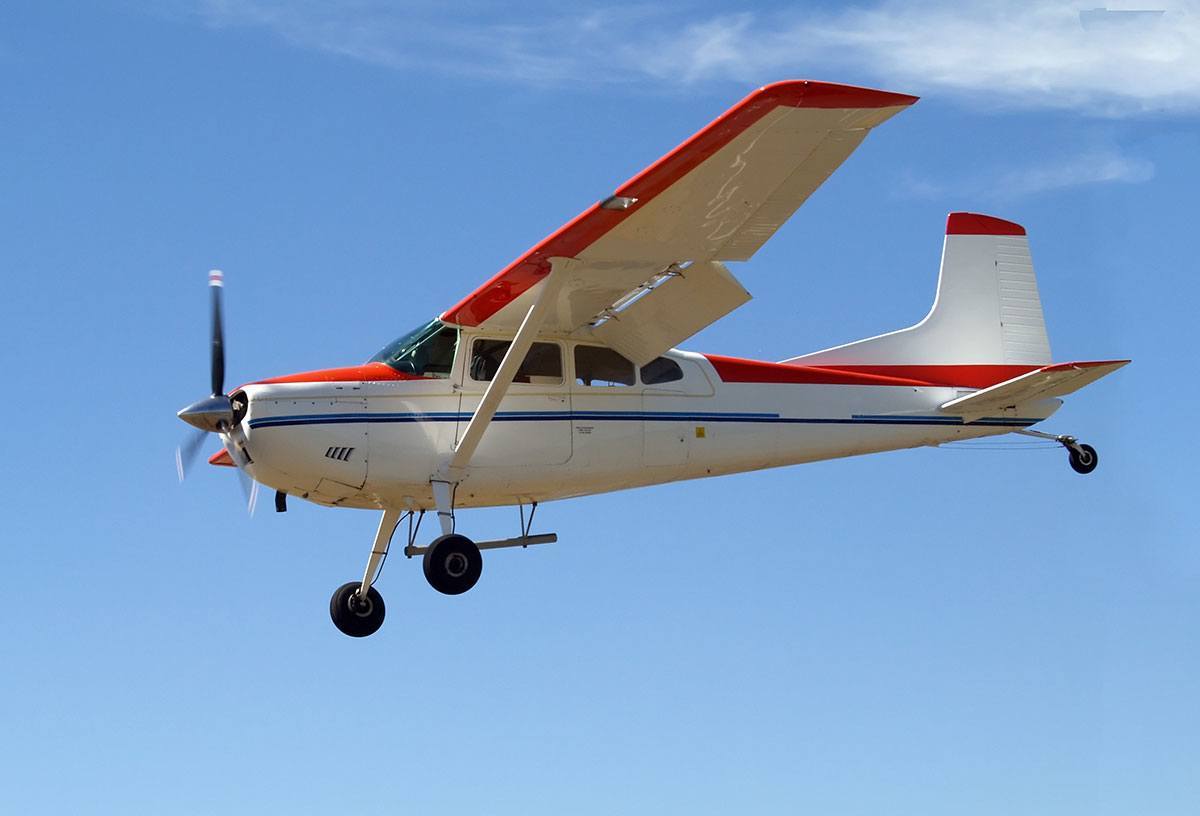
ADS-B and the General Aviation Pilot: Too Much Too Soon?
If you’ve been reading along then you know that we’ve spent the last couple of posts talking about ADS-B, or automatic dependent surveillance – broadcast. As a part of NextGen, or the Next Generation Air Transportation System, the FAA and other agencies are working to move airspace management and surveillance away from radar and toward a satellite-based solution.

Your Airplane Wants to Fly
Airplanes that sit for extended periods tend to develop problems over time that may go undetected until you really need the airplane for your next flight. It is common to think that less flight time on an airplane leads to less maintenance problems, but that is only partially true.

Volunteer Opportunities for Pilots and Aircraft Owners
As pilots and aircraft owners, we are some of the luckiest people on this planet. Have you ever thought about it? We can, at a moment’s notice, break the bonds of Earth’s surface and take to the skies. How can we make use of this gift that we have been given; this skill we have worked so hard to refine, in a way that repays some of it forward? How can pilots help make this world a better place?

Six Steps to Becoming an AWESOME Pilot
We all strive to become better pilots. Here are some tips on improving your game.
1. Master the rudder… The reality is that Sir Isaac Newton knew exactly what he was talking about when he penned the idea, “For each action there is an equal and opposite reaction.” Your plane wants to yaw and roll to the left for multiple reasons:
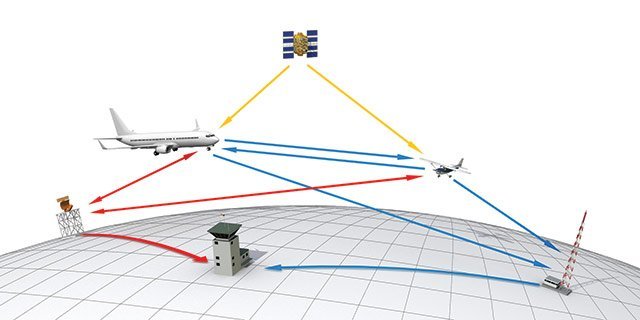
ADS-B For General Aviation Pilots
Since the day we figured out that we needed a way to know where planes were in the sky, we’ve used radar to bounce radio signals off of them, wait for those signals to return, and use that information to plot their positions relative to other aircraft.
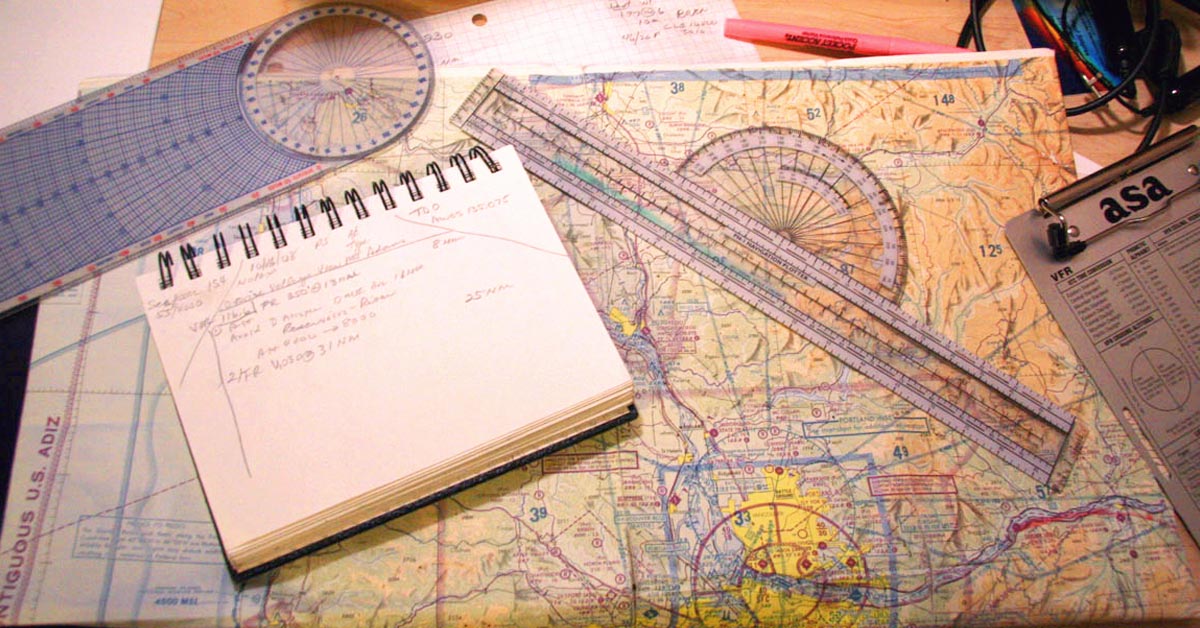
Three Simple Ways to Improve EVERY Flight
Every flight we take is an opportunity to become a better pilot. Here are three simple ideas for making the most out of every flight.
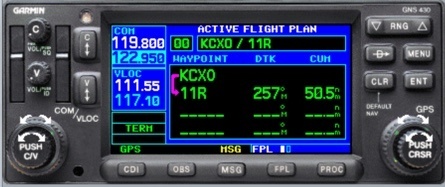
Direct-To vs. Flight Plan on your Garmin GPS
Do you know the difference between navigating using Direct-To versus navigating with a Flight Plan while using your Garmin GPS?
Let’s summarize the function of each:
Direct-To = Present position direct to the active waypoint.
Flight Plan = Point A to Point B
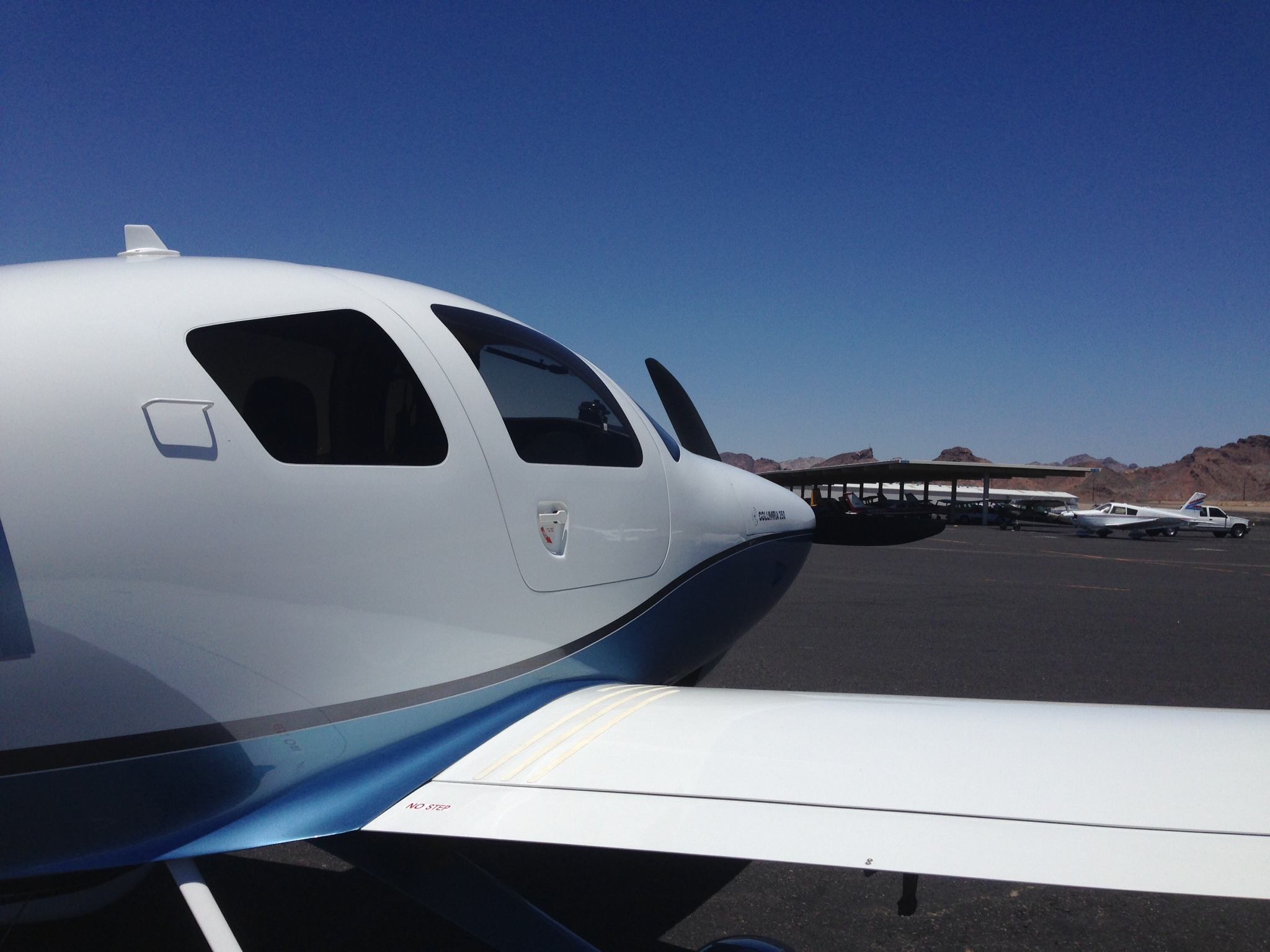
The Wild, Wild West: Transition Training in The Copper State
Providing training throughout the country, gaining from all the experiences this great country has to offer!
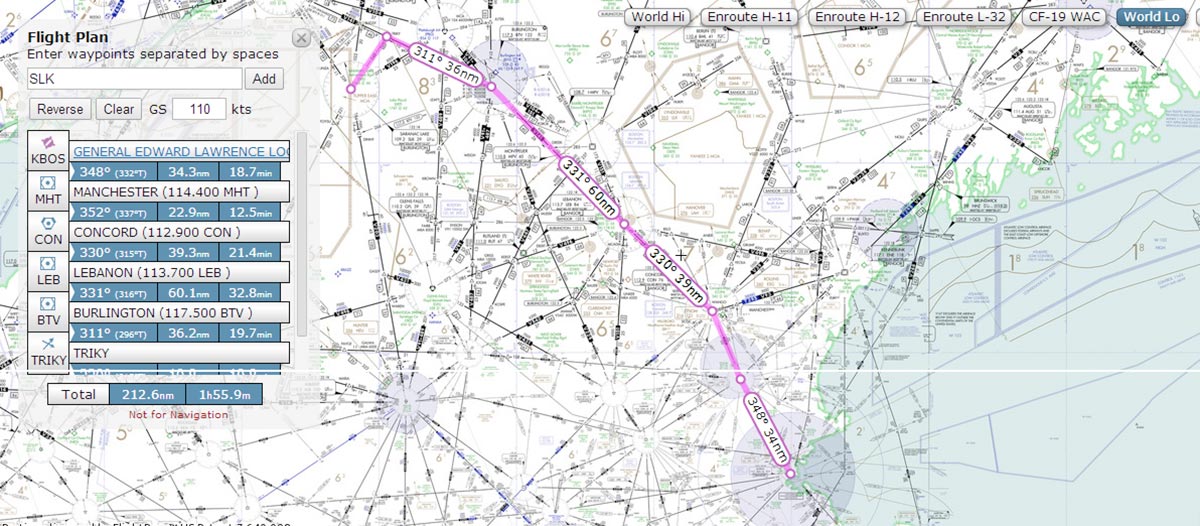
Cold, Alone and Afraid: Flying in the Northeast
An unexpected schedule change, Icing conditions and Low IFR. Center inquired what the ride was like at 8000, my reply was light rime/light turbulence but nothing I could not handle, I would soon regret thinking that last part.