As an Amazon Associate I earn from qualifying purchases.
Carbon monoxide poses a serious threat in the cockpit. It's colorless, odorless, and potentially lethal. While portable CO detectors have been the standard solution, a new generation of aviation headsets now integrates detection directly into the ear cups, providing real-time monitoring without adding another device to your panel or flight bag.
Table Of Contents
- What To Look For in a CO-Detecting Aviation Headset
- Top Recommendation: Lightspeed Delta Zulu
- Understanding Carbon Monoxide Risk in Aviation
- Who Should Consider CO-Detecting Headsets
- Alternative Approaches
- Making Your Decision
What To Look For in a CO-Detecting Aviation Headset
The key advantage of headset-integrated carbon monoxide detection is continuous monitoring with immediate alerts delivered directly to your ears. Look for systems that provide both audible warnings and visual indicators, so you're alerted even during high-workload phases of flight. Active noise cancellation remains essential for reducing fatigue on longer flights, while Bluetooth connectivity allows you to integrate with mobile devices for music, phone calls, and EFB audio alerts.
Battery management matters. Rechargeable systems reduce long-term costs, but AA battery backup ensures you're never stranded without power on a multi-leg trip.
Top Recommendation: Lightspeed Delta Zulu

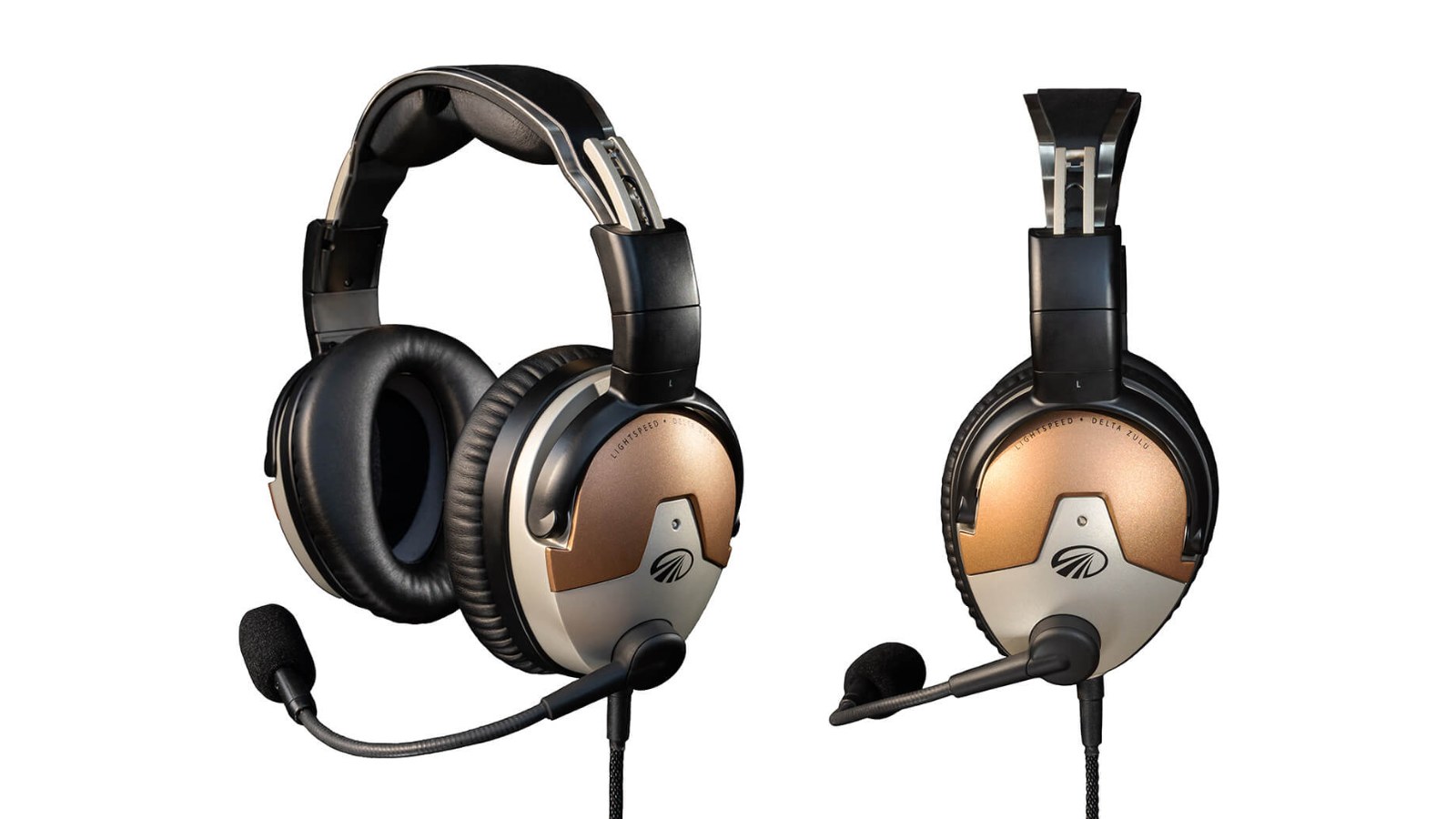
For pilots who want carbon monoxide protection built into a flagship-level headset, the Lightspeed Delta Zulu Aviation Headset represents the current state of the art. As Lightspeed's successor to the Zulu PFX, the Delta Zulu combines over-ear active noise cancellation with built-in carbon monoxide detection that delivers both audible and visual alerts when CO is detected.
The standout feature is HearingEQ, a personalized hearing profile system that adjusts audio output to your specific hearing characteristics. This goes beyond simple EQ adjustment; it compensates for individual hearing variations across frequencies, which can be particularly valuable for pilots with age-related hearing changes or those who've experienced hearing loss from years of cockpit exposure.
Connectivity is comprehensive: Bluetooth audio for wireless devices plus an auxiliary input for backup connections. The Kevlar-core cable provides durability against wear and flex fatigue. Power options include both rechargeable battery operation and AA battery backup, giving you flexibility for different mission profiles.
The Delta Zulu suits pilots who fly regularly enough to justify a premium headset and who prioritize both hearing protection and safety monitoring. The carbon monoxide detection adds a layer of safety, particularly valuable for pilots of older aircraft, piston singles, or anyone flying aircraft with exhaust systems that may develop leaks over time.
Understanding Carbon Monoxide Risk in Aviation
Carbon monoxide enters the cockpit through compromised exhaust systems, deteriorated seals, or cabin heat systems that draw air across hot engine components. Symptoms include headache, dizziness, and nausea. These can be subtle and easily attributed to other causes like fatigue or mild hypoxia. By the time symptoms are recognized, cognitive impairment may already affect decision-making.
Headset-integrated detection provides continuous monitoring from engine start to shutdown, with alerts positioned directly in your ear cups where they can't be missed. This is especially valuable during single-pilot operations when there's no second pair of eyes to catch early symptoms.
Who Should Consider CO-Detecting Headsets
This technology makes the most sense for:
Piston aircraft owners and operators: Aircraft with exhaust systems that age and develop potential leak points benefit most from continuous monitoring.
High-hour pilots: Those who fly frequently enough that a premium headset becomes a daily tool rather than an occasional purchase.
Cold-weather operators: Pilots who regularly use cabin heat, which can introduce CO if exhaust leaks are present in the heat exchanger.
Single-pilot IFR: When workload is high and you're sole crew, automated monitoring provides an extra safety margin.
Flight schools and clubs: For aircraft that see multiple pilots and heavy use, integrated CO detection adds safety without requiring separate detectors that can be forgotten or misplaced.
Alternative Approaches
If your budget doesn't accommodate a headset with integrated CO detection, quality standalone CO detectors designed for aviation remain a proven option. These typically mount on the panel or clip to a visor, providing visual and audible alerts. The tradeoff is managing another device: batteries to monitor, another item in your preflight check, and alerts that may be less immediately noticeable than those delivered directly through your headset.
Standard aviation headsets without CO detection paired with a dedicated detector can provide equivalent safety at lower total cost, though without the integration and convenience of a single-unit solution.
Making Your Decision
Carbon monoxide detection integrated into your headset eliminates the need for separate monitoring devices while ensuring alerts are delivered directly to your ears where they cannot be overlooked. For pilots who fly piston aircraft regularly, particularly in cold weather or single-pilot operations, the Lightspeed Delta Zulu combines this safety feature with flagship-level audio quality, personalized hearing compensation, and the connectivity features modern pilots expect.
The investment makes sense when viewed as both a premium communication tool and a potentially life-saving safety device. It's always with you, always monitoring, from the moment you connect to aircraft power.
Disclaimer: Some articles on this site are created with the assistance of AI technology.