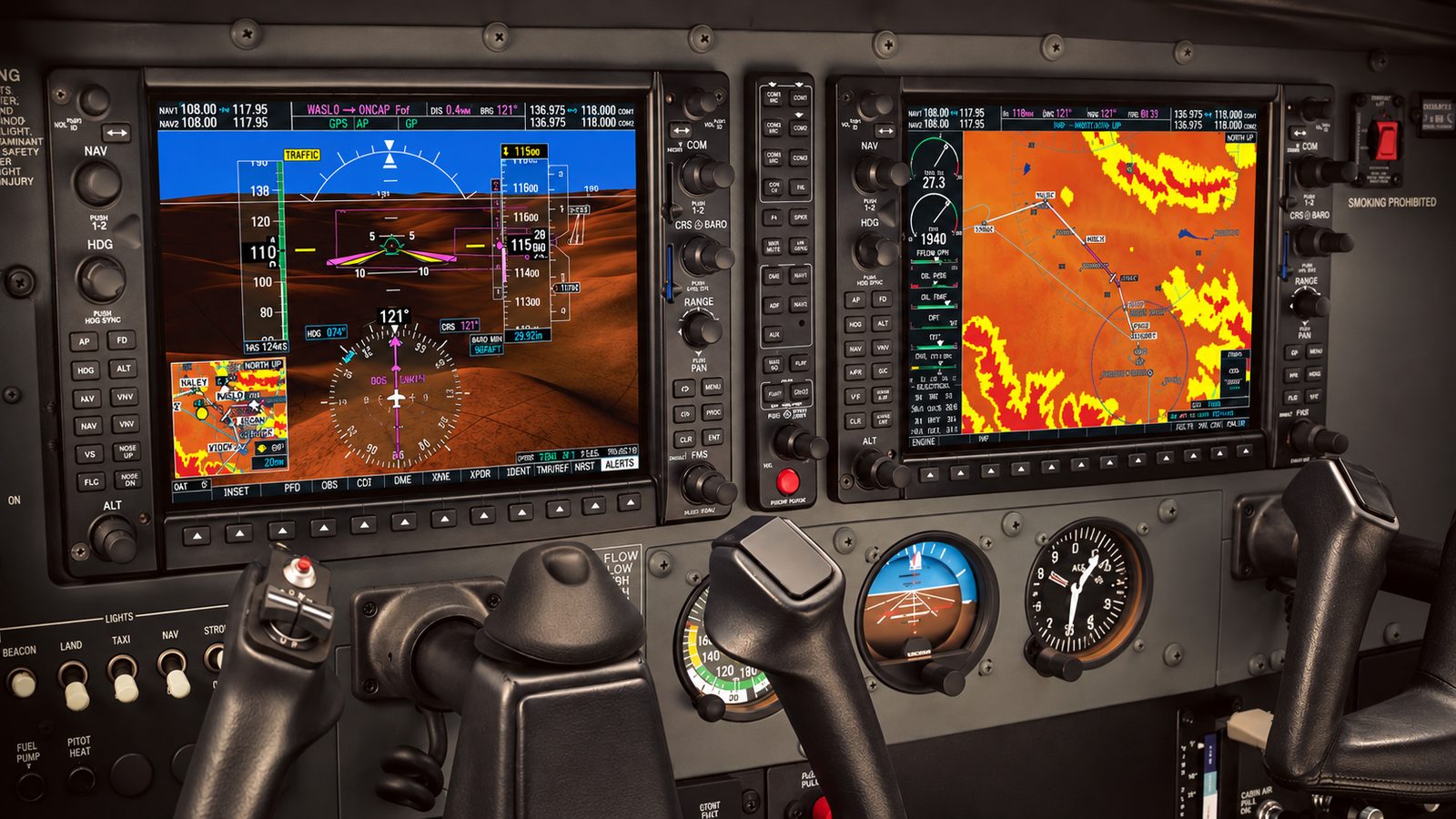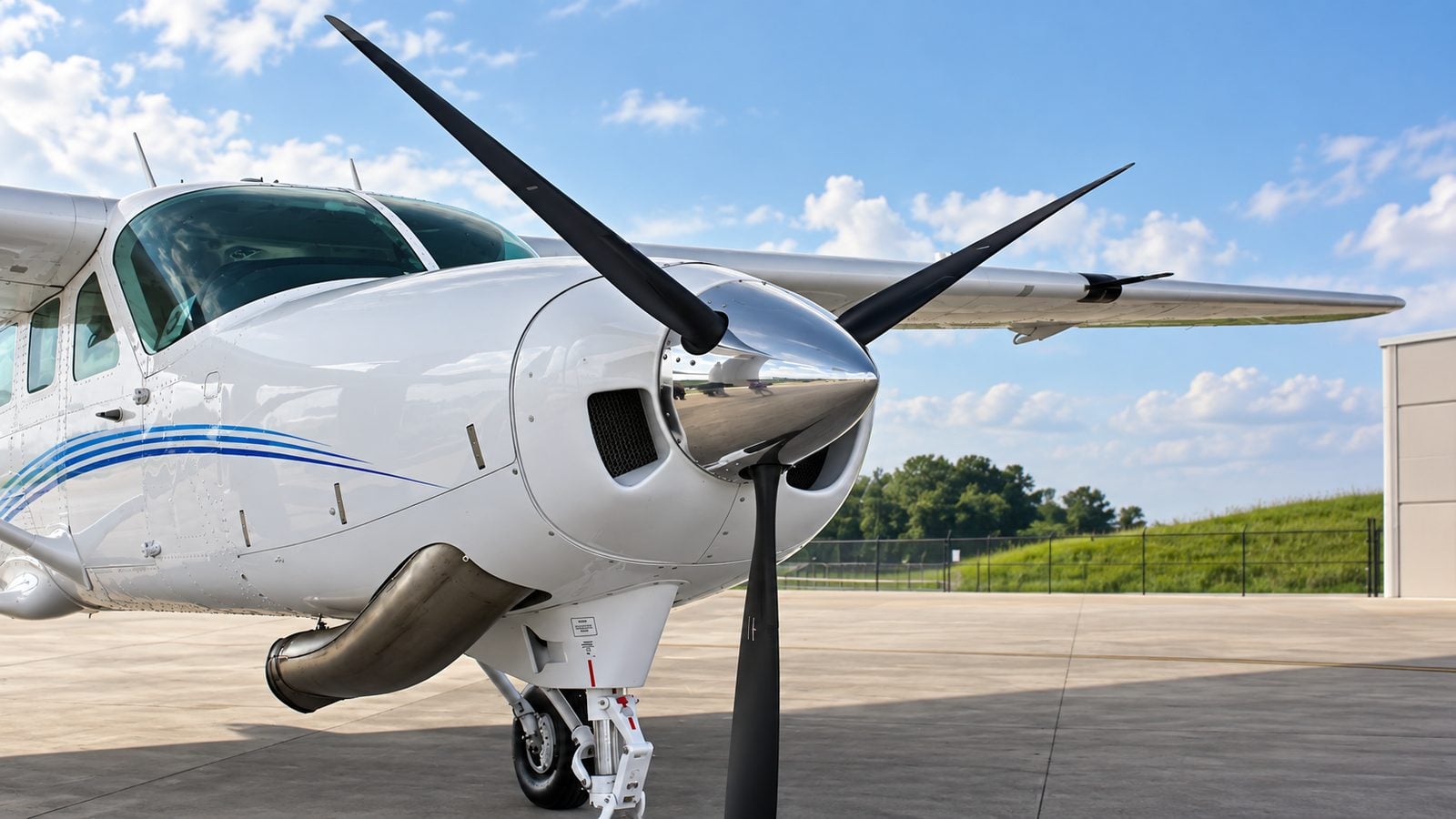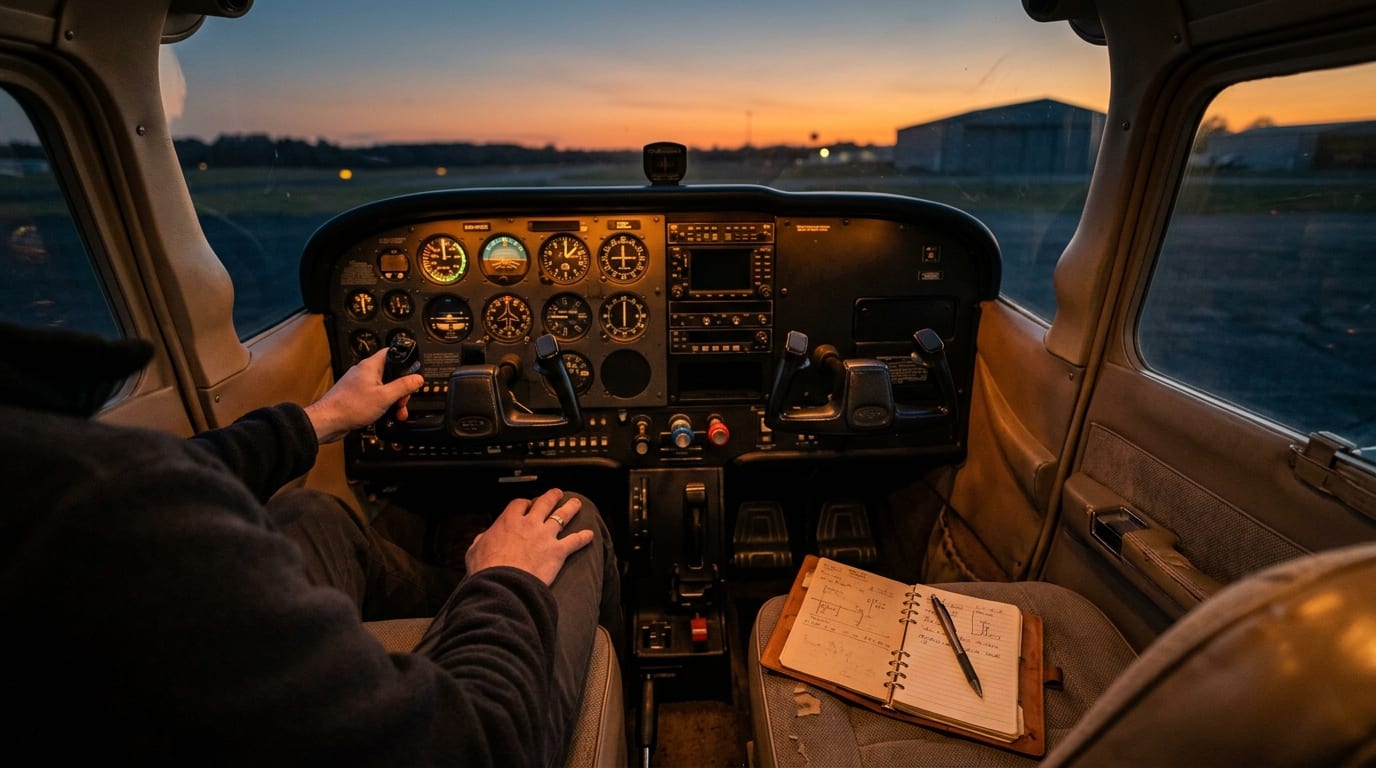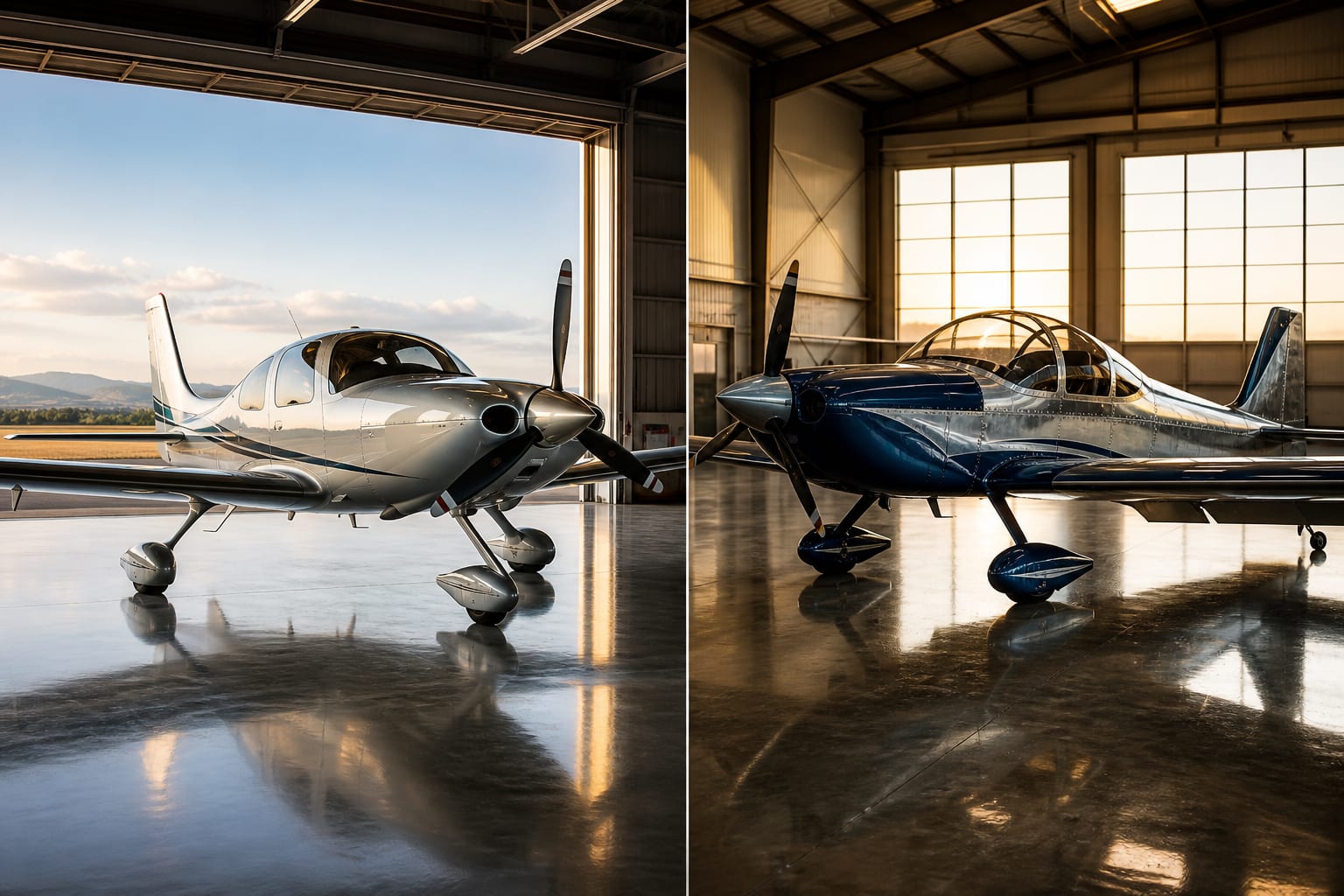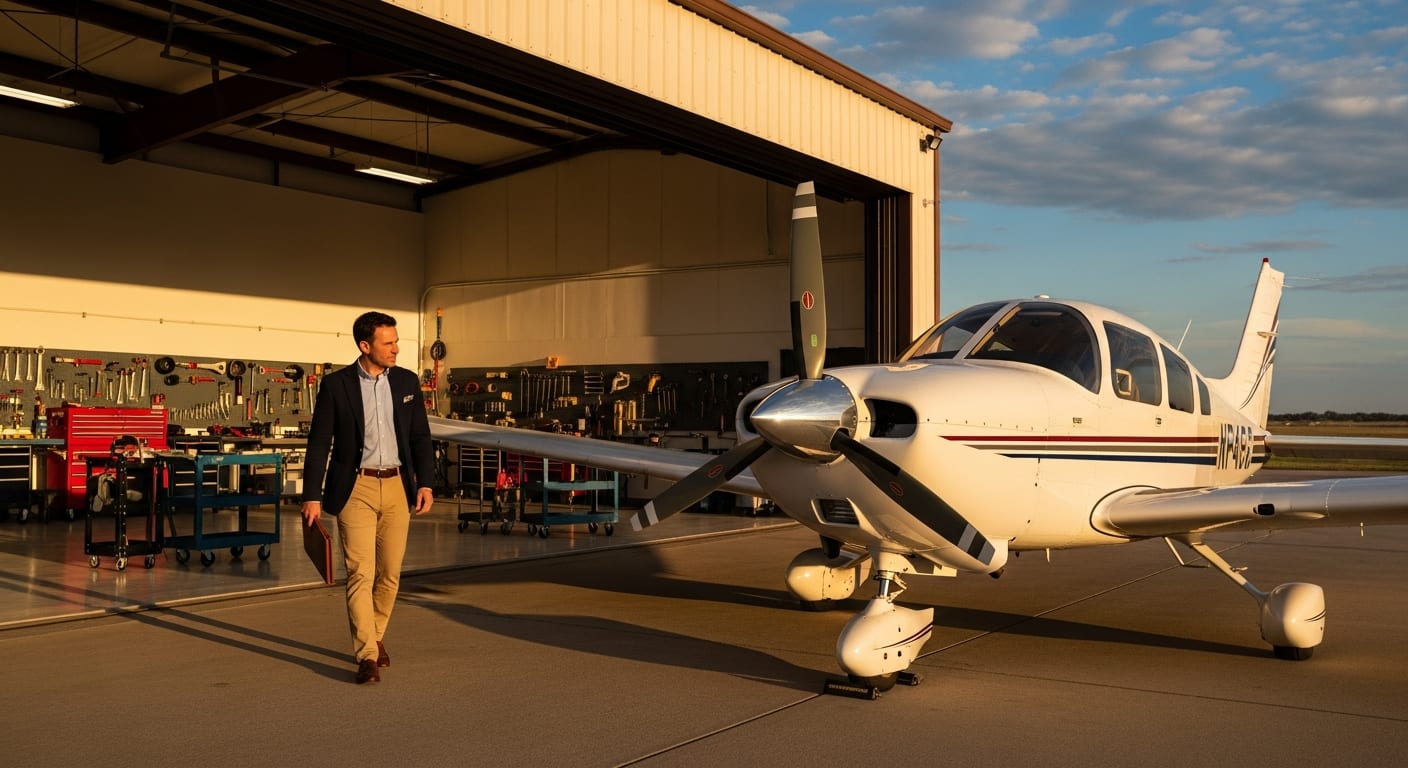
Owning your own aircraft is one of the most rewarding milestones a pilot can reach. The freedom to fly on your schedule, to your destinations, without worrying about rental availability or club rules, is genuinely hard to describe until you've experienced it. But aircraft ownership also comes with financial, legal, and operational responsibilities that catch a surprising number of first-time buyers off guard. Before you sign on the dotted line, here's what every prospective GA aircraft owner needs to understand.
Table Of Contents
- Understanding the True Cost of Aircraft Ownership
- Choosing the Right Aircraft and Completing the Pre-Buy
- FAA Regulations, Insurance, and Ownership Responsibilities
- Alternatives to Solo Ownership
- Conclusion: Go In with Clear Eyes
- Sources
Understanding the True Cost of Aircraft Ownership
The single biggest misconception among first-time buyers is treating the purchase price as the primary financial decision. It isn't. The sticker price is just the entry fee. What you pay after that determines whether ownership is sustainable for you.
Entry-level GA aircraft like a Cessna 172 or Piper Cherokee have trended upward significantly since 2020, with older examples now commonly starting at $50,000 to $60,000 and cleaner, glass-panel aircraft pushing well above $100,000. A Beechcraft Bonanza spans a wide range depending on model year and equipment, with used examples typically running from around $150,000 into the $400,000-plus range for well-equipped late-model aircraft. The number that matters more than any of these figures, however, is what the aircraft will cost you annually once it's on your ramp.
Older, lower-priced aircraft often carry higher ongoing maintenance costs precisely because deferred maintenance accumulates over decades. A $50,000 airplane with $15,000 in deferred squawks is not a $50,000 airplane. That's why a pre-buy inspection is non-negotiable before any purchase.
Fixed Costs You'll Pay Whether You Fly or Not
These hit your account regardless of whether you fly 10 hours this month or zero. Budget for all of them from day one.
- Hangar or tie-down fees: Indoor hangar storage typically runs $200 to $800 or more per month in most markets, though high-cost metro areas (Southern California, the New York area, and similar regions) can push well past $1,000 to $2,000 per month. Outdoor tie-down is cheaper at $50 to $200 per month, but exposes the aircraft to weather and accelerates wear on paint, seals, and avionics.
- Annual inspection: Required under 14 CFR Part 91.409, a straightforward annual on a single-engine piston now realistically runs $1,200 to $2,500 or more in most markets, reflecting current labor rates. Budget higher if discrepancies are found and corrected.
- Insurance: Hull and liability coverage for a first-time owner on a single-engine piston typically ranges from $1,500 to $4,000 or more annually, depending on pilot experience, aircraft value, and intended use.
- Loan payments: If you're financing, factor in principal and interest as a fixed monthly obligation.
- Registration and state fees: FAA aircraft registration must be renewed every three years [1], and some states assess personal property taxes on aircraft.
Variable Costs That Scale with How Much You Fly
Every hour you fly adds to the bill. Avgas (100LL) prices vary considerably by region, with national averages frequently ranging from $6.00 to $7.50 per gallon or higher in recent years, and some markets pushing $8.00 to $9.00 per gallon. A Cessna 172 burning 8 to 9 gallons per hour means fuel alone can run $50 to $85 per hour depending on where you're based.
The most important variable cost to plan for is your engine reserve. Most Continental and Lycoming engines used in GA aircraft have a manufacturer-recommended TBO of 1,800 to 2,000 hours. A major overhaul ranges from roughly $18,000 to $30,000 or more for a field overhaul, with factory-remanufactured engines (such as Lycoming's factory reman O-320 or O-360) currently listing at $20,000 to $35,000 and up. Set aside a per-hour reserve, commonly $15 to $25 per flight hour, into a dedicated account from your very first flight. Pilots who skip this discipline eventually face a grounding event they weren't financially prepared for.
Oil changes, tire replacements, brake pads, nav database subscriptions, and unscheduled squawks round out the picture. A realistic total cost of ownership for a well-maintained entry-level single-engine piston, flown 100 hours per year, often falls between $20,000 and $40,000 annually when all costs are accounted for. More capable or complex singles will sit at the higher end of that range or beyond.
Choosing the Right Aircraft and Completing the Pre-Buy
Many first-time buyers fall in love with an aircraft before honestly defining what they need it to do. That leads to either buying too much airplane and paying for capability you'll never use, or buying too little and outgrowing it within a year.
Define Your Mission Before You Shop
Start with a written mission profile. How far do you typically fly? How many seats do you actually need? What airports will you use, and what are their runway lengths and field elevations? Are you flying IFR or primarily VFR? Do you need to carry baggage regularly? A pilot who flies solo, mostly local VFR, from a long sea-level runway has completely different requirements than one flying family trips into short mountain strips. Be honest with yourself here.
For most first-time buyers, the conversation starts and ends with single-engine pistons. They're the most common, most affordable to operate, and most widely supported by mechanics and parts suppliers. A few categories worth knowing:
- Single-engine piston (Cessna 172, Piper Cherokee, Beechcraft Bonanza): The logical starting point. Proven, well-documented, and straightforward to insure.
- Light Sport Aircraft (LSA): Lower acquisition and operating costs, with simplified maintenance rules. Sport Pilots are restricted to day VFR operations, though pilots holding at least a private certificate and flying an equipped aircraft have broader privileges. Note that the FAA's 2024 MOSAIC rulemaking significantly expanded LSA definitions and associated privileges, so review current regulations before making assumptions about what an LSA can or cannot do.
- Complex and high-performance aircraft: Require specific endorsements and additional training, with higher operating costs and insurance premiums. Worth it only if your mission demands the capability.
- Piston twins and turboprops: A significant jump in acquisition cost, operating cost, and currency requirements. Not a first-ownership category for most pilots.
New factory-built singles from Cessna, Piper, and Cirrus carry price tags of $400,000 to over $1,000,000 for current production models [2], which puts them well outside the budget of most first-time buyers. The used market is where most entry-level ownership begins, and that's perfectly appropriate when approached correctly. The risks include deferred maintenance, undisclosed damage history, and open Airworthiness Directives (ADs). ADs are mandatory FAA-issued directives that address unsafe conditions in certificated aircraft. Non-compliance is not optional, and an aircraft with open recurring ADs is a liability. Always review the AD compliance record during your logbook review before making any offer.
The Pre-Buy Inspection: Don't Skip It
If there's one step that separates informed buyers from regretful ones, it's the pre-buy inspection. Skipping it to save a few hundred dollars is one of the most expensive decisions a first-time buyer can make.
A pre-buy is not an annual inspection, though the two can overlap in scope. It's a detailed technical evaluation of the airframe, engine, avionics, logbooks, and AD compliance, conducted by an A&P or IA mechanic of your choosing. That last part matters: this is your mechanic, working in your interest, not the seller's.
A thorough pre-buy covers compression checks on all cylinders, corrosion inspection, control surface condition, avionics function, oil analysis, and a complete logbook review. Pre-buy inspections for a single-engine piston typically run $500 to $1,500 depending on scope and labor rate. That's money well spent against the alternative of discovering a $10,000 problem after the title has transferred.
Treat the findings as a negotiating tool. Airworthiness items are legitimate grounds to request a price reduction or require the seller to correct them before closing. Undisclosed major structural repairs, significant corrosion in load-bearing structures, or an engine well past TBO with low compression across multiple cylinders are deal-breakers. A worn interior or outdated avionics are simply adjustments to your offer. A good mechanic will help you distinguish between the two.
FAA Regulations, Insurance, and Ownership Responsibilities
Ownership comes with regulatory and financial obligations that go well beyond what most pilots encounter during training. Get clear on these before you take title.
Regulatory Obligations Every Owner Must Know
Your aircraft must be registered with the FAA and display a valid N-number. FAA registration must be renewed every three years. The aircraft must hold a valid airworthiness certificate, which does not expire on its own but is only valid when the aircraft is maintained in an airworthy condition.
The annual inspection under 14 CFR Part 91.409 is one of your most important ongoing obligations. Every 12 calendar months, an FAA-certificated A&P with Inspection Authorization (IA) must inspect the aircraft. For IFR operations, altimeters and static systems require checks every 24 calendar months per 14 CFR 91.411, and transponders every 24 months per 14 CFR 91.413. ELT requirements, including battery replacement and recharge intervals, are governed by 14 CFR 91.207.
As the registered owner, you are responsible for knowing which ADs apply to your aircraft and ensuring compliance. This is not your mechanic's burden alone. The FAA maintains a searchable AD database, and type clubs are invaluable resources for tracking applicable directives. Non-compliance can ground your aircraft, void your insurance coverage, and expose you to certificate action.
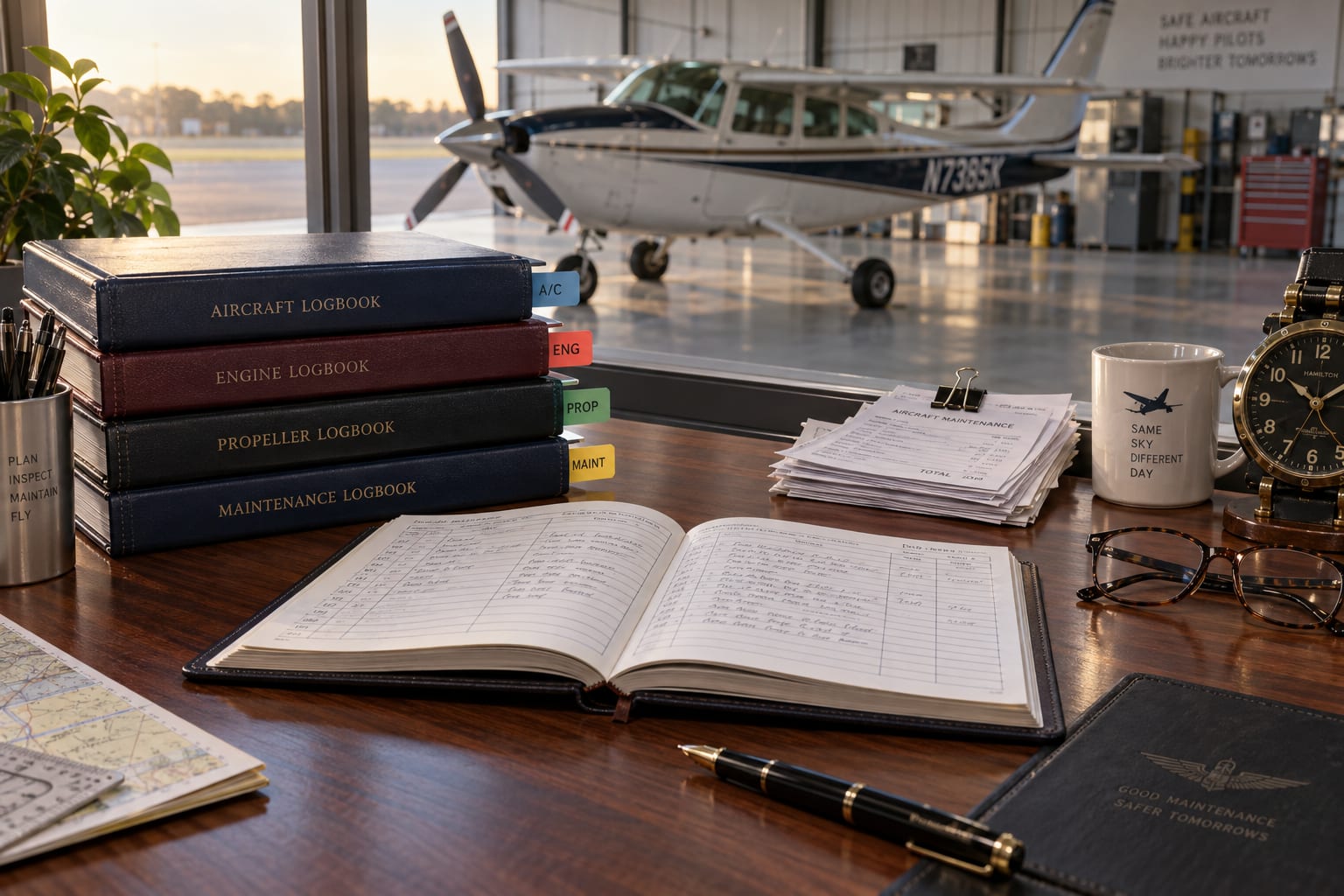
Under 14 CFR Part 43, Appendix A, certificated pilots may perform certain preventive maintenance on aircraft they own or operate without an A&P certificate. This includes oil and filter changes, replacing landing light bulbs, and servicing landing gear wheel bearings, among other basic tasks. It does not include primary flight control work, structural repairs, or anything requiring an A&P sign-off. Whatever you perform, make a proper logbook entry with the date, description of work, your certificate number, and your signature. Undocumented maintenance is a liability in any future sale.
Aircraft Insurance: Structure It Correctly
Aircraft insurance is fundamentally different from auto insurance, and the gaps in a poorly structured policy can be financially catastrophic. Work with an aviation-specific insurance broker rather than a general property and casualty agent.
Coverage breaks down into three main components:
- Hull coverage protects the physical aircraft against damage or loss, with most policies distinguishing between in-motion and not-in-motion coverage.
- Liability coverage protects against bodily injury and property damage claims from third parties. This is arguably the more important coverage. The financial exposure from injuring a third party can far exceed the aircraft's value. Don't underinsure your liability limits to save on premium.
- Medical payments coverage provides limited coverage for occupant injuries regardless of fault.
Insurers price GA policies primarily on pilot experience. Total hours matter, but hours in make and model matter more. A first-time owner with limited hours in type can expect to pay $1,500 to $4,000 annually for a straightforward single-engine piston policy, with considerable variation by pilot profile, hull value, aircraft complexity, and storage conditions.
Read your policy's pilot warranty clause carefully. Named pilot policies restrict coverage to specific listed pilots. Open pilot policies allow any pilot meeting stated minimums to fly, but those minimums must be met precisely. Never let your coverage lapse, even briefly, and review your policy annually as your credentials change.
Alternatives to Solo Ownership
Full ownership isn't the only path to consistent aircraft access, and for some pilots, a partnership or flying club is the smarter first step.
Shared ownership splits purchase price and fixed costs between two or more pilots, dramatically improving the economics. Two pilots sharing an aircraft and splitting hangar, insurance, and annual costs can each cut their fixed cost burden close to half. The trade-off is scheduling coordination and compatible mission profiles. A written partnership agreement is essential. It should address scheduling priority, financial contributions and reserves, decision-making authority for major maintenance, and exit provisions if one partner wants to sell. Handshake agreements between friends routinely collapse when a large repair bill surfaces and the parties disagree on how to handle it. Get it in writing before you take title.
A flying club offers access to a specific aircraft with a much lower financial commitment than ownership and lets you build hours in a specific make and model before buying, which directly reduces your insurance premium when you do. The trade-off is scheduling competition, no ability to personalize the aircraft, and no equity accumulation.
Leaseback arrangements, where you sell your aircraft to an FBO or flight school and lease it back under a revenue-sharing structure, can offset some fixed costs, but leaseback aircraft accumulate hours and wear far faster than owner-flown aircraft, scheduling access is constrained by the operator's rental calendar, and insurance arrangements add complexity. Run the numbers carefully before assuming a leaseback makes ownership affordable.
Conclusion: Go In with Clear Eyes
The owners who thrive are the ones who defined their mission before shopping, budgeted realistically for total cost of ownership, completed a rigorous pre-buy, and understood their regulatory and insurance obligations before their first flight as an owner. The freedom that comes with having your own airplane on the ramp is real. So is the work it takes to get there responsibly.
Before finalizing any purchase, connect with an experienced aviation attorney for ownership structuring, a qualified independent A&P for your pre-buy, and an aviation-specific insurance broker. These three professionals will save you far more than they cost.
Ready to explore your options? Whether you're evaluating your first aircraft purchase, considering a partnership structure, or working out what aircraft fits your mission, our team is here to help. Contact us to discuss your goals, no obligation, just straight answers from people who fly.
Sources
Disclaimer: Some articles on this site are created with the assistance of AI technology.