Shopping for an Austro powered Diamond DA40 NG, DA42, or DA62 means buying more than a composite airframe. You're also buying into a jet fuel piston engine from a company inside the Diamond Aircraft Group, and that changes how you fuel the airplane, budget for the engine, choose a shop, and present the deal to a lender. Diamond also builds a Lycoming powered DA40, and older DA42s can carry a different diesel installation, so engine identity on the specific airframe comes first.
Here is what our team tells every prospective buyer: who builds the engines, what the AE300 and AE330 are, how each model uses them, what TBO and overhaul look like, where the airworthiness directive history stands, and how to run a pre-purchase inspection that protects you.
Table Of Contents
- Who Is Austro Engine, and How Does It Fit with Diamond?
- The Austro AE300 and AE330 Engines Explained
- Model by Model: DA40 NG, DA42, and DA62
- Austro Engine TBO, Overhaul, and Ownership Costs
- Reliability, Airworthiness Directives, and Service Bulletins
- Pre-Purchase Checklist and Our Recommendation
- Sources
Who Is Austro Engine, and How Does It Fit with Diamond?
Company Background
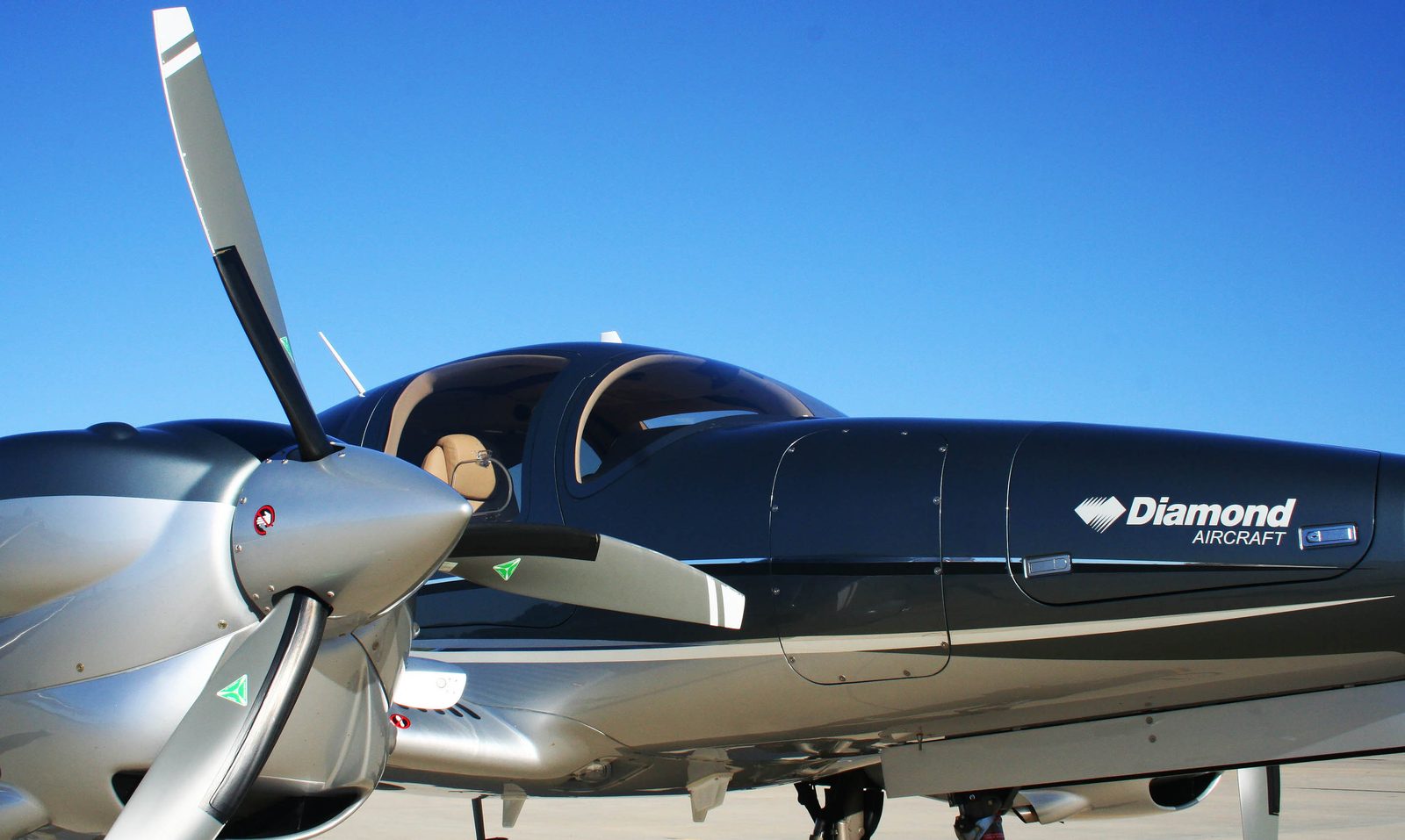
Austro Engine was founded in 2007 and is headquartered in Wiener Neustadt, Austria, with more than 120 employees as of June 2025. Diamond describes it as part of the Diamond Aircraft Group, and distributors call it Diamond's sister company. The product line that matters to you is the E4 Series of jet fuel piston engines, marketed as the AE300 and AE330, which power the DA40 NG, DA42-VI, and DA62. Austro also builds rotary engines (the AE50R and AE110R) for UAV and APU applications, so it is an engine company with multiple programs rather than a single product shop. It publishes its Production Organisation Approval and Design Organisation Approval certificates, the baseline paperwork you should expect from any certified engine manufacturer.
Why Vertical Integration Matters to an Owner
Diamond's FAA type certification announcement for the AE300 (Type Certificate E00081EN) cited more than 2,000,000 accumulated flight hours in its turbo diesel fleet at that time as the experience base behind the design [1]. Treat that as a figure from the announcement, not a current fleet total.
What does a single group airframe and engine supplier mean day to day? The upside is alignment: Diamond's service and support site hosts both Diamond and Austro Engine technical publications, including the illustrated parts catalog and engine documentation and software, so you aren't chasing two manufacturers for paperwork. The trade-off is concentration. You depend on one group for both halves of the airplane, so the health of the support network is part of your purchase decision.
Global Service Network
Diamond's Authorized Service Centres are factory trained, stock service parts, and have the special tools and knowledge for warranty repair. Diamond and Austro expanded that capability through an agreement with Airways Aviation Group, which operates Diamond Aircraft and Austro Engine Service Centers at locations including France, Italy, and Australia. Before you buy, use the Service Partner Network Map on Diamond's site to find the authorized center closest to your home base, then ask it directly about Austro engine capability, parts availability, and turnaround times. Distance to competent support is a real operating cost.
The Austro AE300 and AE330 Engines Explained
AE300 Basics
The AE300 is a four cylinder, four stroke, turbocharged diesel that runs on jet fuel. It received EASA certification on January 28, 2009 and FAA certification on July 29, 2009 [2]. Published references list it at either 170 hp or 168 hp for the DA40 NG installation, so rely on the flight manual for the specific airframe.
The engine's origin is part of the Diamond story. Austro was launched after a supply crisis with Diamond's earlier diesel supplier, Thielert, and the AE300 shares a Mercedes-Benz automotive diesel lineage. Owners in the Diamond type club report that when Mercedes stopped producing the original core, Austro began building the core itself. Treat that as owner community history rather than documented fact, because it frames the reliability discussion later.
AE330 Basics
The AE330 is derived from the AE300 and produces 180 hp. Two AE330s power the DA62, and the engine is closely related to the AE300, with the same Mercedes diesel lineage. The marketing names are shorthand for E4 Series designations, so confirm your engine's exact designation from the data plate and logbooks rather than from a listing or a forum post.
Design Features Diamond Highlights
In its AE300 certification announcement, Diamond listed the features it credits for reliability and reduced maintenance cost:
- A FADEC controlled actuator driving a conventional constant speed propeller governor
- A high mounted turbocharger to permit gravity oil return
- A torsional vibration absorber in place of a wearing clutch
- Robust electrical harnesses and connectors
- A heavy duty reduction gearbox
- A four point engine mount
On the DA40 NG, full authority digital engine control manages engine and propeller functions, which cuts pilot workload. The engines are approved for jet fuel, and the DA40 NG is described as running on Jet A or diesel fuel. Don't take fuel approvals from a web summary; check the approved fuels list in the airplane flight manual for the specific serial number.
Model by Model: DA40 NG, DA42, and DA62
DA40 NG (Single AE300)
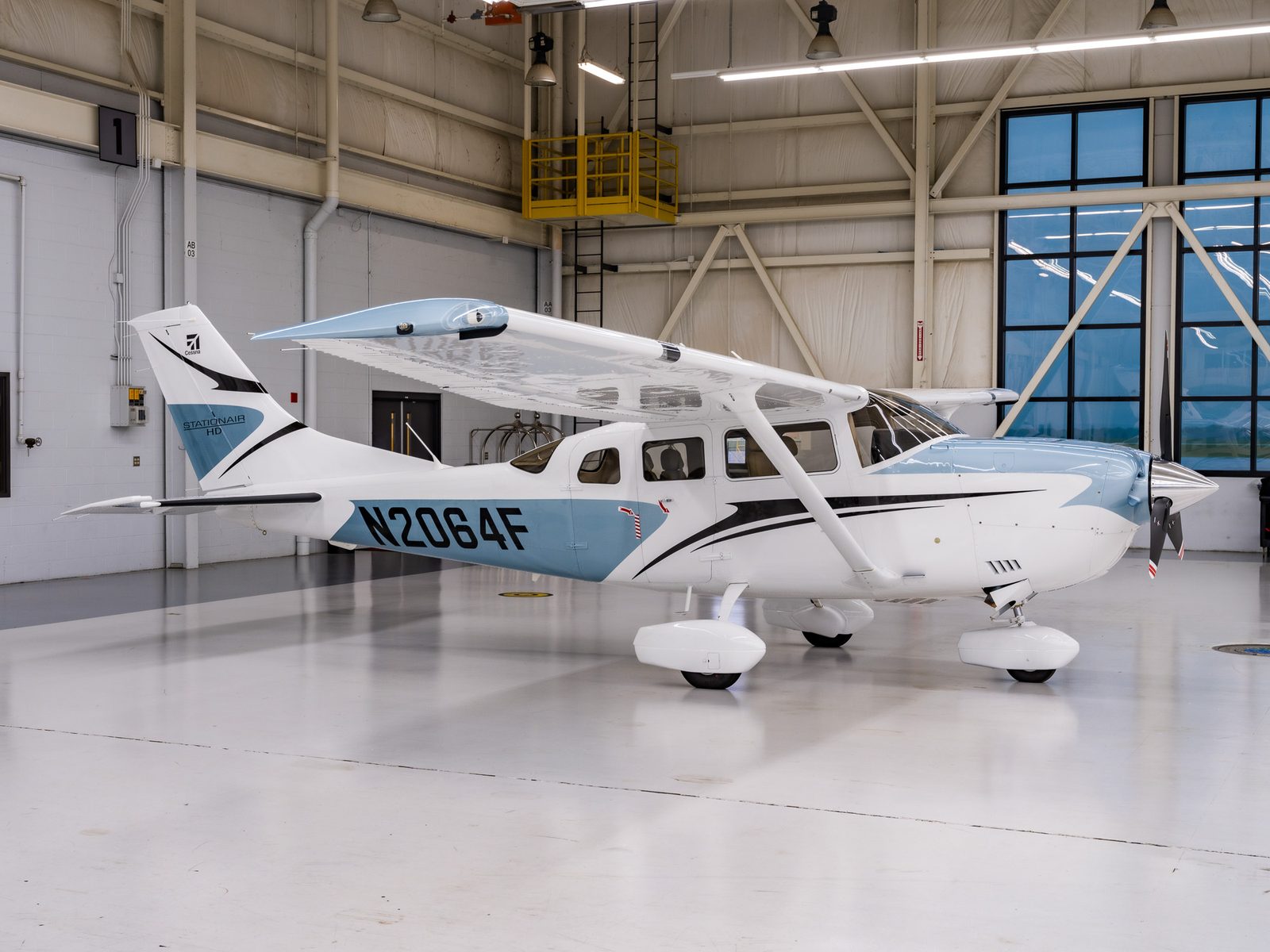
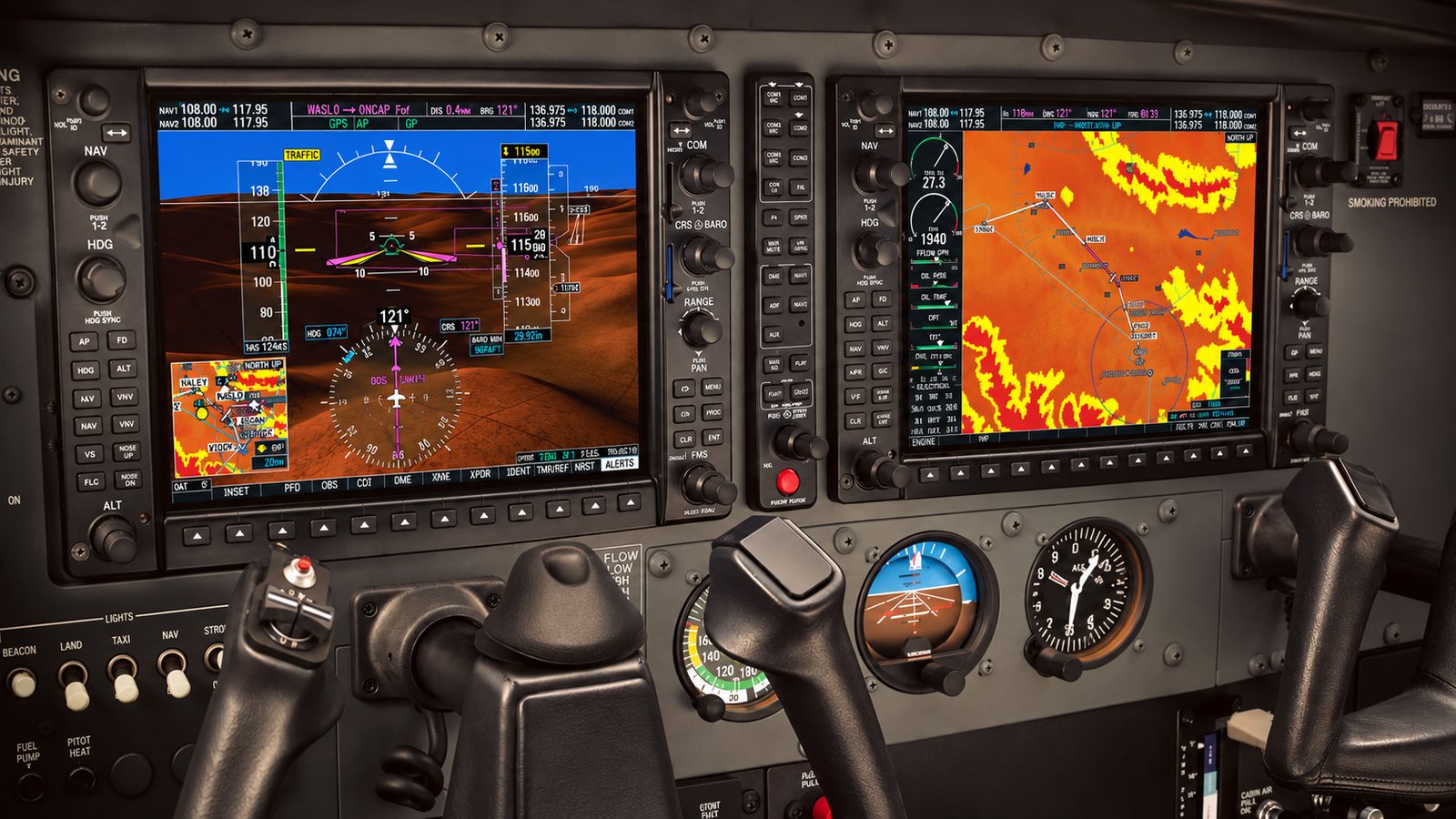
The DA40 NG is the diesel variant of the DA40, certified in April 2010 and in production since, with its panoramic canopy and Garmin G1000 NXi standard on current production. Diamond also builds the Lycoming IO-360-M1A powered DA40, and the two share airframes and most systems, so match the documented model and installed engine against the logbooks and data plate, not the listing.
Published performance: 154 kt cruise (labeled normal cruise or max cruise depending on the reference), 125 kt economy cruise, 690 fpm rate of climb, 63 kt stall, and 1,968 ft landing distance. Fuel burn is quoted at approximately 5.6 gph, with no speed or power setting attached. Budget on the POH figure for the power you actually fly, not the most flattering number in a listing.
One reference puts the used market at $375,000 to $675,000 [3]; another lists a base price around $430,000 for a new airplane. Treat both as asking figures of uncertain date and configuration, not transacted values. Compare the acquisition cost against an avgas single equipped the way you want, confirm that scheduled engine and gearbox maintenance appears in the logs, and verify an Austro capable shop within reach before you commit.
DA42 (Twin AE300) and the Engine History You Must Check
This is where diligence matters most. Earlier DA42s carried Thielert diesels, and the Austro powered airplane is the DA42 NG. The DA42-VI is the current twin trainer, pairing two AE300s with the composite airframe and G1000 NXi, and it is described as adding aerodynamic refinements, weight reductions, and updated systems, with cruise speed approaching 197 knots.
Buyer takeaway: confirm from the type certificate data sheet and logbooks exactly which engine a used DA42 carries. A Thielert airplane is a different ownership proposition from an Austro airplane, with different parts, support, and overhaul channels. FADEC and propeller auto feathering are credited with simplifying the engine out case, but confirm the specific installation and its limitations in the approved flight manual.
DA62 (Twin AE330)
The DA62 is a retractable gear twin with two 180 hp AE330s and up to seven seats; verify the actual seating configuration of the airplane you're buying. Published figures include 192 kt cruise, 970 nm range, 1,610 lb useful load, 64 kt stall, 20,000 ft ceiling, 1,575 ft takeoff roll, and 1,447 ft landing roll.
Other published numbers reflect different conditions rather than a contradiction: one reference lists 17.1 gph and 1,320 fpm climb, another 11.8 gph at 60% power at 12,000 ft and 1,283 nm range with the auxiliary tanks standard in the U.S., and a third about 6 gph per engine. Fuel burn depends on power setting, so fly the demo at the setting you'll use. A 2018 model has been estimated at about $1,495,500 based on asking prices [4].
Austro Engine TBO, Overhaul, and Ownership Costs
How Austro TBO Has Evolved
TBO on these engines has moved over time. Diamond first delivered AE330 powered DA62s with a TBO of only 1,000 hours, and the AE330 later received EASA certification for an 1,800 hour TBO, which also applies to aircraft operating under FAA rules [5]. Owners commonly cite 1,800 hours for the AE300 as well, but treat that as an owner figure rather than a published limit. Diamond had stated a goal of 2,400 hours; don't assume it has been reached for any given engine. Get the current TBO, and any conditions attached to it, in writing from an authorized center for the specific engine serial number before you make an offer.
What an Overhaul Costs
Here the figures diverge. Diamond told AVweb it expected an AE300 overhaul at about $25,000, with the AE330 "just slightly above," and said the 1,800 hour extension saves DA62 operators around $22 per flight hour [5]. That was an expectation at the time, not a current installed quote. Owners report higher numbers: one forum cites a $32,000 overhaul, another says Austro has moved toward replacement units at roughly $50,000, and a third cites the Diamond type club putting an installed exchange AE300 at $85,000 to $90,000 [6]. Those anecdotes cover different work scopes at different times, so get a current quote from Austro or an authorized service center rather than budgeting from a forum post. Ask the same shop who may perform the work and whether an exchange program applies to your serial number.
Building an Engine Reserve
The math is straightforward: divide the expected engine cost by the hours remaining to TBO. As a per engine illustration assuming a full 1,800 hours remains, a $25,000 overhaul works out to about $14 per hour, while an $85,000 installed exchange is roughly $47 per hour. Double it for a twin and shorten the interval for a partly used engine. Add the scheduled engine and gearbox maintenance the manual calls for, and get a quote for a typical annual from the shop you intend to use.
Financing and the Engine
FLYING Finance notes that a lender must understand the Austro TBO structure to price the airplane correctly, and that G1000 NXi equipped DA40 NGs with low time and current Austro service history are its most active transactions on the model. Choose a lender who has closed on Austro powered Diamonds before, and expect your insurer to ask about engine time and service history too.
Reliability, Airworthiness Directives, and Service Bulletins
The Reliability Question
Reliability is on the mind of every current and prospective diesel Diamond owner. A Diamond Pilots Association forum thread titled "Austro Engines: Turning the Corner" gives the association's account: once Mercedes stopped producing the original core, Austro began building it in house, and those engines suffered a series of defects that led to nine Service Bulletins and seven Mandatory Service Bulletins, plus related airworthiness directives [7]. The same thread reports that at AirVenture 2025 the association's president and vice president met with Austro's general manager and its heads of customer support and technical support to review what Diamond and Austro have done to address the problems.
Our read: the owner community has been frank about a difficult period and is reporting direct manufacturer engagement, which beats silence. But it is one association's account, not a reliability statistic in either direction. Evaluate the specific engines in front of you by build date, core origin, and compliance record.
Recent ADs and Mandatory Service Bulletins
A reported EASA airworthiness directive dated February 6, 2024 affects all E4 and E4P engines, which means every Austro powered DA40 NG, DA42, and DA62 [8]. The AD references a Mandatory Service Bulletin issued after a number of engine failures caused by failure of the inner main bearing cap screws, which Austro stated were produced at the lower end of the material strength tolerance for Class 8.8 screws. Treat documented compliance in the engine logbook as a purchase criterion, and have an authorized center confirm the directive's current revision, required actions, and applicability to the specific engine.
Run a complete AD and mandatory service bulletin history on the engine serial numbers, not just the airframe. Austro's technical publications are available through Diamond's service and support site, and an authorized center can confirm which bulletins apply and whether terminating action has been performed. A seller who cannot produce that compliance trail is telling you something.
Pre-Purchase Checklist and Our Recommendation
Before You Make an Offer
Start with engine identity. Confirm whether the airplane carries an AE300, an AE330, or, on an older DA42, a legacy Thielert installation, and verify it against the data plate, type certificate data sheet, and logbooks rather than the listing. Then establish time since new or overhaul, the TBO that applies to that serial number, and the full overhaul or exchange history, including who performed the work.
Pull the AD and mandatory service bulletin compliance record, with particular attention to the 2024 bearing cap screw directive and the bulletins tied to Austro built engine cores. Review engine and gearbox maintenance records against the current maintenance schedule, and build your offer from the engine's remaining life and compliance status rather than the asking price.
During and After the Inspection
Have the pre-purchase inspection performed at a Diamond authorized service center. Technicians trained on Diamond's bonded composite structures and on Austro powerplants can verify service bulletin compliance and catch latent issues a generalist shop might miss. Ask the shop what engine data and fault history the FADEC makes available and have it interpreted for you, since it adds context on how the engine has been operated. After closing, fund your engine reserve from day one using the quoted overhaul or exchange cost rather than an optimistic number.
Conclusion
Austro engines are designed and built inside the Diamond Aircraft Group, run on jet fuel, and have earned TBO extensions over their production life. They also require you to understand the overhaul and exchange structure, a real and recent AD and service bulletin history, and, on the DA42, the Thielert to Austro transition that defines the used market. None of that should scare you off a DA40 NG, DA42, or DA62. It should simply change how you shop: engine serial number first, compliance record second, support network third, and only then the paint and the panel.
If you're evaluating an Austro powered Diamond, our team can help you review the engine history and service bulletin record and negotiate from the right number, with an authorized service center making the technical compliance determination. Talk to us about current listings, or ask us to look at a specific airplane before you make an offer.
Sources
- Diamond Aircraft Receives FAA Certification for Austro Engine AE300 Powerplant - Diamond Aircraft Industries
- Austro Engine - Wikipedia
- Diamond DA40 NG (Diesel): Cost of Ownership and Buying Guide
- DIAMOND DA62 (2016-present): Specs, Price & Operating Costs
- Austro Engine AE330 Receives EASA Certificate for 1,800 Hour TBO
- DA40NG TBO Question - Pilots of America
- Austro Engines: Turning the Corner - diamondaviators.net
- EASA Issues AD Affecting Austro Engined Diamond Aircraft
Disclaimer: Some articles on this site are created with the assistance of AI technology.