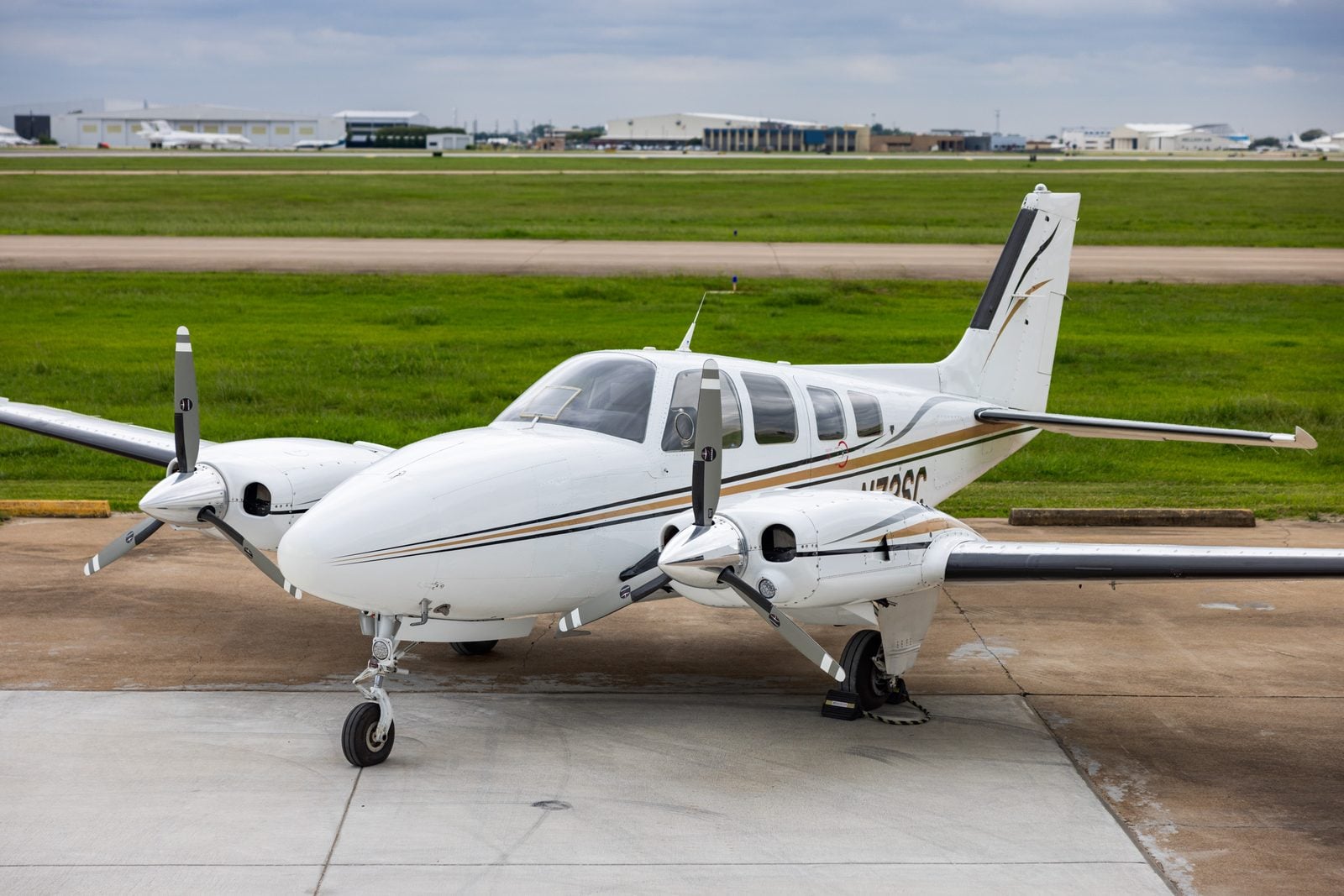
Few piston twins command the same respect on the ramp as the Beechcraft Baron 58, and the pressurized variant, the P-Baron 58P, takes that legacy into the flight levels. If you're considering stepping up to a pressurized cabin-class twin, understanding the true cost, capability, and quirks of this aircraft before you sign a purchase agreement could save you tens of thousands of dollars and months of frustration. I've spent enough time around this airframe, and around owners who've lived with it through annuals, to know where the real risks and rewards hide. Let's walk through what actually matters before you commit.
Table Of Contents
- Understanding The Beechcraft P-Baron 58: History And Positioning
- Performance And Specifications Buyers Should Know
- Inspecting A P-Baron Before Purchase: What To Look For
- True Cost Of Ownership
- Training, Insurance, And Operational Considerations
- Making The Final Decision: Is The P-Baron 58 Right For You?
- Conclusion
- Sources
1. Understanding The Beechcraft P-Baron 58: History And Positioning
1.1 A Brief History Of The Model
The Baron line traces back to 1961 with the original Beechcraft Baron, an evolution of the Beechcraft 95 Travel Air, and the 58 model that most owners recognize today arrived in 1969 [1]. Beechcraft built the pressurized 58P from 1976 through 1985, with serial numbers running from TJ-1 through TJ-497 [2]. That's a production run of roughly 500 airframes, which tells you immediately that parts availability and specialized shop knowledge will be narrower than what you'd find supporting the far more numerous non-pressurized 58.
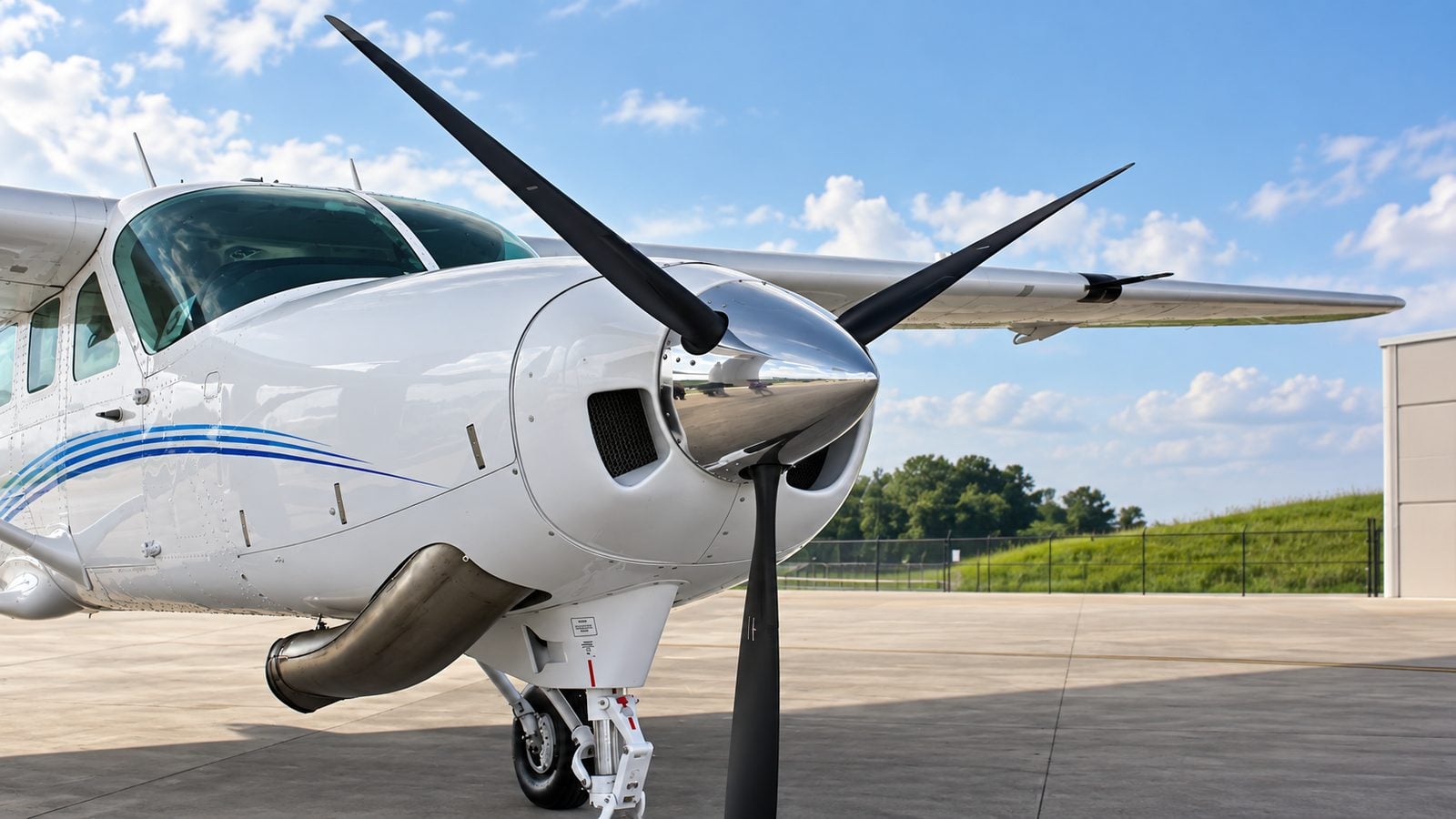
The 58P shares its airframe DNA with the standard Baron 58 and the turbocharged, non-pressurized 58TC, but the pressurization vessel, structural reinforcements, and environmental systems set it apart. Where the 58TC gives you turbocharged altitude performance without a sealed cabin, the 58P adds a pressurization system that keeps passengers comfortable at altitudes where an unpressurized cabin would require oxygen masks. That difference in cabin experience is the entire reason this airframe exists, and it's also the source of most of the maintenance complexity you'll take on as an owner.
1.2 Why Buyers Choose The P-Baron Today
Pressurization changes the mission profile entirely. Instead of picking your way around weather at 10,000 to 12,000 feet, you can climb into the high teens or low 20s, get above a meaningful layer of convective buildups and turbulence, and let your passengers travel without cannulas or masks. That's a real quality-of-life upgrade over a standard Baron 58 or a 58TC, and it puts the P-Baron in a different conversation than most piston twins.
Compared to the Cessna P337 Skymaster, the P-Baron offers more conventional twin-engine handling and a more comfortable cabin, without the centerline-thrust quirks that make the Skymaster a niche choice. Against the Piper Malibu or Mirage, the Baron trades some single-engine redundancy concerns for the safety margin of a second engine, though at the cost of higher fuel burn and maintenance overhead. Compared to entry-level turboprops like the TBM700 or early PC-12s, the P-Baron costs meaningfully less to acquire and operate, even if it can't match turbine altitude, speed, or dispatch reliability. For a buyer who wants pressurized comfort without turbine-level operating costs, the P-Baron still occupies a real niche.
1.3 Who This Aircraft Is Best Suited For
I recommend the P-Baron most strongly for owner-flown pilots who want speed, useful load, and altitude capability without a type rating or turbine training curve. It works well for small business owners running regional multi-stop trips, where the ability to climb above weather and cruise at high piston-twin speeds saves real time compared to a non-pressurized alternative. It's also a logical step for pilots transitioning up from a Baron 58, 58TC, or a complex single like a Bonanza or Saratoga, since the airframe handling is familiar even though the systems complexity increases substantially.
2. Performance And Specifications Buyers Should Know
2.1 Powerplant And Performance Envelope
Early 58P models (TJ-1 through TJ-168, built 1976 to 1978) came with Continental TSIO-520LB engines producing 310 horsepower each, while later models (TJ-169 through TJ-497, built 1979 to 1985) upgraded to TSIO-520WB engines rated at 325 horsepower [2]. Both are turbocharged, fuel-injected six-cylinder powerplants. Confirm the exact factory TBO against the Continental type certificate data sheet before you buy, since real-world overhaul intervals depend heavily on how the aircraft was flown and maintained over its life.
In my experience talking to owners and reviewing performance data on this type, plan on cruise speeds well over 200 knots at higher altitudes, where the turbochargers and pressurization system are earning their keep. Service ceiling runs into the mid-20,000-foot range on paper, though most owners plan flight levels in the high teens to low 20s to balance speed, fuel burn, and passenger comfort. Range with reserves generally falls somewhere in the four-digit nautical mile range depending on power setting and payload, and combined fuel burn for both engines at cruise power typically lands in the low-to-mid 30-gallon-per-hour range. Treat these as planning figures rather than guarantees, verify actual numbers against the specific aircraft's POH, and always pad reserves given the airframe's age and the importance of maintaining engine health margins.
2.2 Cabin And Payload Considerations
The pressurization system on the 58P maintains a cabin altitude low enough that passengers can travel comfortably without supplemental oxygen through the aircraft's typical operating ceiling, a meaningful upgrade from the non-pressurized 58 and 58TC. Useful load is a critical number to verify on any individual airframe, since aftermarket avionics, interior modifications, and de-ice equipment all eat into payload capacity. Don't assume factory useful load figures apply; get the actual weight and balance data for the specific aircraft you're evaluating.
Baggage capacity is a genuine strength of the Baron line. The airframe includes two separate baggage compartments, one in the nose and one at the rear of the cabin, with enough combined space for four suitcases plus carry-on items. The cabin itself seats four in club configuration, with some configurations offering up to six total seats, though real-world usability of aft-facing center seats is limited by access and weight distribution concerns.
2.3 Handling Characteristics
Owners consistently describe the Baron 58 airframe as stable and predictable, with responsive twin-engine handling that rewards proficiency without punishing minor imprecision. That said, single-engine performance in a loaded, pressurized twin at altitude deserves serious respect. Density altitude and weight both erode your single-engine climb margin, and you need to brief every departure with a clear plan for an engine failure at critical speeds. One additional handling note specific to pre-1984 models: nonstandard placement of propeller, throttle, gear, and flap controls has historically contributed to pilot-induced errors, so if you're transitioning from a different twin, budget extra time with an instructor to build muscle memory on this specific panel layout.
3. Inspecting A P-Baron Before Purchase: What To Look For
3.1 Airframe And Pressurization System Health
The single most important item on your pre-buy checklist is pressurization vessel integrity. A compromised pressure vessel isn't a minor squawk, it's a potential dealbreaker that can cost tens of thousands of dollars to properly address. Have your inspector pay close attention to door seals, outflow valves, and the pressurization controller, since these are the most common wear points on an airframe now approaching or exceeding forty years of service. Seals degrade with age regardless of flight hours, and a soft or intermittent pressurization system often points to broader system fatigue that's expensive to chase down.
3.2 Engine And Turbocharger Condition
Review engine logs carefully for time since major overhaul, and don't take TSMOH at face value without confirming it against the actual logbook entries. Turbocharged engines like the TSIO-520 series are unforgiving of poor operating technique, particularly around shock cooling and improper leaning, so a borescope inspection and recent oil analysis history are non-negotiable before you make an offer. Turbocharger failures tend to announce themselves through declining manifold pressure performance or oil consumption increases, and catching that early through a proper pre-buy saves you from an expensive surprise six months into ownership.
3.3 Avionics And Panel Considerations
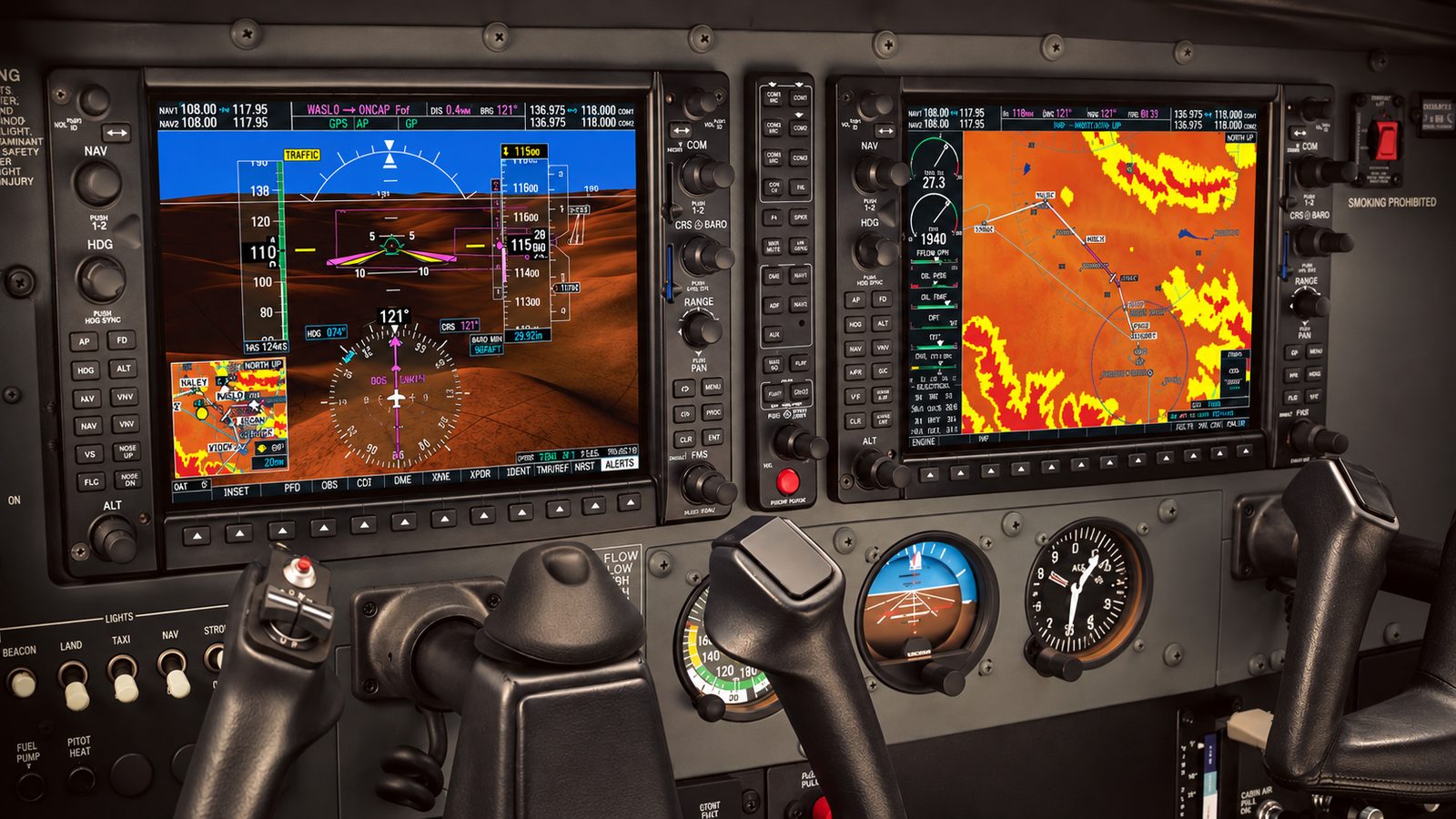
Many 58P airframes still carry factory-original avionics from the late 1970s or early 1980s, though a meaningful number have received partial or full glass panel retrofits over the years. Confirm ADS-B Out compliance status explicitly, since this is a hard requirement for flight in most controlled airspace, and retrofitting it on an older panel can run into real money depending on the existing architecture. Test the autopilot thoroughly during any demo flight, since autopilot servo and controller repairs on legacy systems can be both expensive and slow due to parts scarcity.
3.4 Corrosion And Airframe Inspection Points
Pressurized airframes carry unique corrosion risk because the pressure vessel creates stress cycling with every flight, and moisture intrusion around door seals and window seals can hide corrosion in areas that aren't obvious on a casual walkaround. Insist on a pre-buy inspection performed by a shop with specific, documented experience on 58P pressurization systems, not just general Baron familiarity. This is not the airframe to save money on a generic pre-buy.
4. True Cost Of Ownership
4.1 Acquisition Costs
Market pricing for Baron 58 variants varies enormously based on engine time, avionics, and airframe condition. Older, higher-time Barons can trade for well under half a million dollars, while later low-time G58 models have sold for as much as $1.7 million [4]. Keep in mind the G58 is a modern, non-pressurized successor built after 2004, well outside the 58P's production run, so treat that figure as context on the broader Baron line rather than a direct comp for a 58P. For a straight, non-pressurized Baron 58, average resale pricing on the pre-owned market has hovered around $295,000 [3], though pressurized 58P models command their own pricing dynamics tied heavily to pressurization system condition and remaining engine time. Treat engine and prop time remaining as a direct line item in your valuation math, not a footnote, since a mid-time engine can shift the effective cost of ownership by tens of thousands of dollars once you account for overhaul reserves.
4.2 Fixed And Variable Operating Costs
Insurance underwriters treat pressurized twins as a higher-complexity risk category than non-pressurized piston twins, so expect premiums to reflect that, particularly if your total time and multi-engine experience are on the lighter side. Budget for hangar space, since a pressurized airframe benefits significantly from being kept out of direct weather exposure to protect seals and avionics. Fuel costs will be a meaningful recurring expense given the combined burn rate of two turbocharged engines, and average annual operating costs for the Baron line have been estimated around $38,079, including fuel, insurance, annual inspection, and maintenance for the standard 58 [3]. Pressurized variants should be budgeted above that baseline given the added systems complexity.
4.3 Maintenance Realities Specific To Pressurized Piston Twins
Annual inspections on a 58P take longer and cost more than on a non-pressurized Baron, simply because the inspector has to verify pressurization system function in addition to standard airframe and engine items. Parts availability for legacy pressurization components can be a genuine challenge given the roughly 500-unit production run, so build extra lead time into any major maintenance event. I recommend setting aside a per-hour maintenance reserve specifically earmarked for engine overhaul and pressurization system upkeep, separate from your general maintenance fund, so a major pressurization repair doesn't derail your annual budget.
5. Training, Insurance, And Operational Considerations
5.1 Pilot Experience And Training Requirements
Insurance underwriters typically want to see solid multi-engine time and prior complex aircraft experience before they'll write a policy on a pressurized twin at reasonable rates, and many will require type-specific transition training regardless of your existing time. Seek out an instructor with direct 58P experience rather than general Baron time, since the pressurization system, systems management, and high-altitude operating procedures are meaningfully different from flying a normally aspirated or turbocharged non-pressurized Baron.
5.2 Operating In The Flight Levels
Even with a functioning pressurization system, federal regulations require supplemental oxygen availability as a backup in case of a pressurization failure at altitude (14 CFR 91.211), so verify your oxygen system is serviced and functional before every high-altitude flight. Icing and weather planning take on added importance at the altitudes this aircraft is capable of reaching, since you're now operating in a regime where ice can form quickly and where diversion options may be more limited. Weight and balance planning also deserves careful attention with a pressurized cabin, since the added systems weight compared to a non-pressurized Baron reduces your useful load margin, particularly with four passengers, full fuel, and baggage.
5.3 Community And Support Resources
Don't underestimate the value of an active type club. Owner associations provide a shared knowledge base on everything from known trouble spots to trusted shops, and that collective experience is often more current and more specific than what you'll get from a general A&P without Baron-specific background. Before you close on a purchase, reach out to an active Baron owner group and ask specifically about 58P pressurization experience.
6. Making The Final Decision: Is The P-Baron 58 Right For You?
6.1 Weighing Pros And Cons
On the plus side, you get genuine cabin comfort, real altitude capability, strong load-carrying performance for the category, and a support network that, while narrower than the standard Baron's, is still more established than many other legacy pressurized piston twins. On the downside, you're taking on higher maintenance complexity, an aging pressurization system that will eventually need real money spent on it, and overall ownership costs that run higher than a non-pressurized Baron 58 or 58TC.
6.2 Questions To Ask Before You Buy
Before you make an offer, get clear answers on: exact engine time and TBO status for both engines, full pressurization system maintenance history including any prior repairs or vessel issues, current avionics configuration and ADS-B compliance, any damage history including prior pressurization-related incidents, and logbook completeness going back to the aircraft's manufacture date. Incomplete logs on a pressurized airframe are a much bigger red flag than they'd be on a simpler, non-pressurized aircraft.
6.3 Next Steps For Serious Buyers
Work with a broker or appraiser who has specific experience with pressurized Barons, not just general piston twin experience. And treat the pre-buy inspection as non-negotiable, performed by a shop that can speak specifically to 58P pressurization system health, not just general airframe condition.
Conclusion
The Beechcraft P-Baron 58 remains a compelling option for pilots who want pressurized comfort and solid performance without stepping up to turbine ownership costs, but its complexity means due diligence isn't optional, it's essential. Before you make an offer, get a thorough pre-buy inspection from a shop that knows this airframe's pressurization system inside and out, and connect with current owners who can share real-world maintenance experiences.
If you're serious about finding the right P-Baron 58P, or you want a second opinion on an aircraft you're already evaluating, work with an aircraft consultant who specializes in Beechcraft piston twins. A qualified advisor can help you evaluate logbooks, structure a fair offer, and coordinate a pre-buy inspection with a shop that truly understands this airframe, saving you from costly surprises after the sale closes.
Sources
- Hawker Beechcraft Baron 58 – Air Charter Service
- Baron 58P – American Bonanza Society
- Baron 58 Cruise Speed: Performance, Planning, and Charter Use – Jettly Blog
- Beech Baron 58 – Plane & Pilot
Disclaimer: Some articles on this site are created with the assistance of AI technology.