by HPA | Jan 19, 2013 | All News, Training / Education
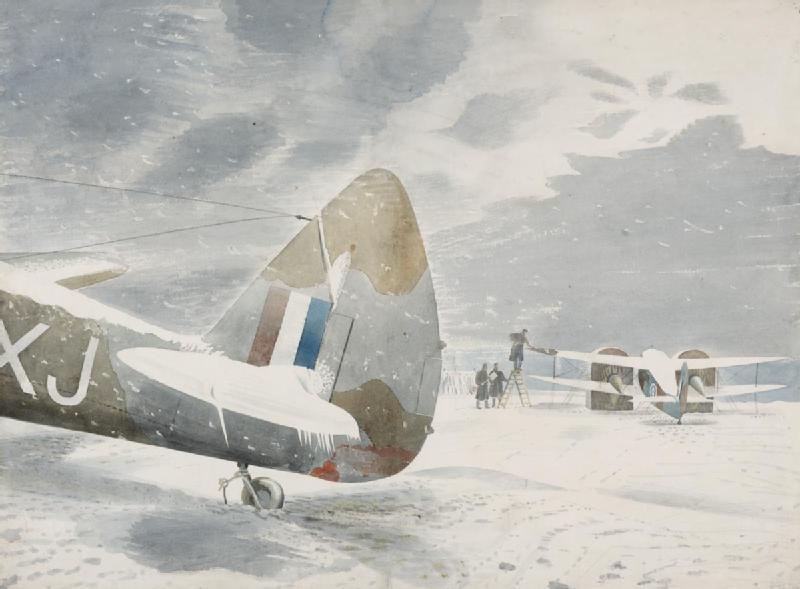
With winter on the way, all pilots know what that means. When it gets cold and cloudy, hello icing conditions. Pilots without any kind of de-icing or TKS system on their airplanes know this is a no-go. It’s always a really bad idea to go into icing conditions with no protection.
by HPA | Aug 22, 2012 | All News, Garmin Articles, Training / Education
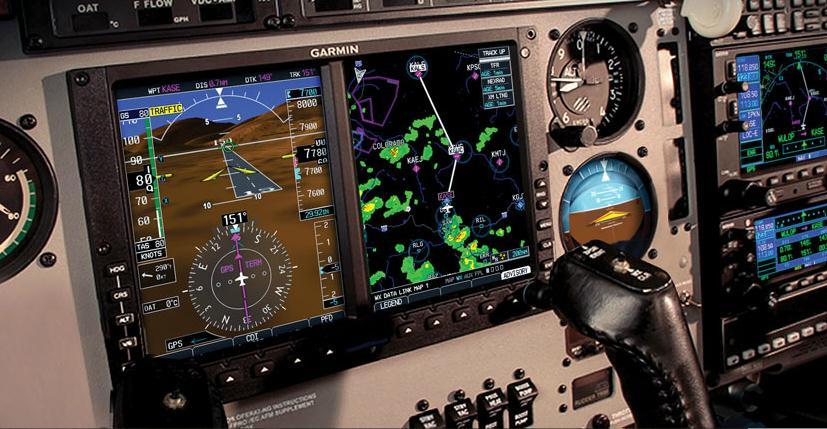
Question: Want all the benefits of those brand new glass cockpits? Don’t want to buy a brand new
aircraft? Even better, want it to work with your existing Garmin avionics?
Answer: A retrofit Garmin G500/G600. You get to keep your airplane, your Garmin GPS, and still get the
benefits of a glass cockpit.

by HPA | Jul 27, 2012 | All News, Product Reviews, Training / Education
Stick your head in a 2012 Cirrus SR22 and you’ll see the typical Garmin Perspective setup: the big, 12-inch displays, the Garmin Autopilot, and the 5 seats (4.5 really since you can only fit 2 kids and 1 adult in the back). Look a little closer and you’ll see something new on the ’12 SR22. It’s the Garmin GMA 350 Audio Panel, the audio panel modernized. What’s this 3-D audio, you ask? Don’t worry, we’re here to help.

by HPA | Jul 9, 2012 | All News, Cirrus Articles, Training / Education
When I hear Williamsburg and Jamestown, Virginia, pilgrims and colonists are the first images that flash into my mind. I see Thomas Jefferson riding down dirt roads in between beautiful, huge homes with one of those white wigs on. I envision Indians lurking around the outskirts of town, some friends and some enemies. But then I remember, that was 200 years ago.

by HPA | Jun 22, 2012 | All News, Cirrus Articles, Training / Education
Cape Cod is beautiful. This was my first time seeing it and it was gorgeous, both from the ground and from the air. All the inlets and sailing boats dotting the landscape with all the green forests on the land added up to a spectacular landscape. We were able to take a day to fly out over the Cape, then down to Martha’s Vineyard for dinner, and that is a must do flight. Truly splendid.
by HPA | May 31, 2012 | All News, Training / Education
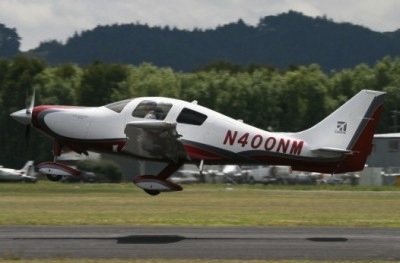
Every now and then, no matter what subject is under discussion, it is always good to revisit the basics. The basics are always taught in aviation as a pilot initially starts his flight training. Once he has his private, he may go on to instrument training, where more advanced instrument basics are taught. Approaches are flown with landings becoming an afterthought, since those were “mastered” (relatively speaking) back in private training. Thirty years down the road, he is a seasoned instrument pilot, but his landings are terrible. He may even scare himself. It’s time to go back to the basics.
by HPA | May 9, 2012 | All News, Cirrus Articles, Garmin Articles, Training / Education
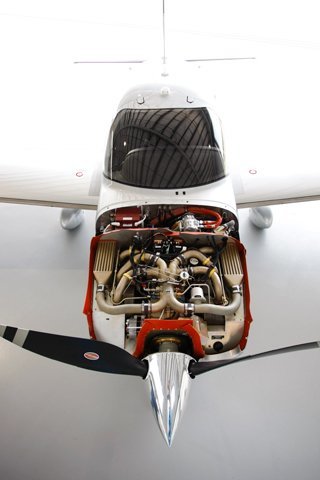
So, you’ve bought a new Cirrus. More than likely, it’s very different then what you have been flying. You’ve heard lots of rumors concerning landing it flat, touchy controls, something about a parachute, and an advanced glass panel setup. These rumors have you a little worried about taking it for a spin (not literally, of course). No need to fear, your local CSIP is here. A CSIP is factory trained by the Cirrus Aircraft Company and is certified to do factory transition training in all Cirrus aircraft.

by HPA | Apr 12, 2012 | All News, Cessna Articles, Training / Education
From personal experience, New York City is a loooooong way from Houston, even in a Cessna Corvallis TT. Albeit, we did have a headwind the ENTIRE time, but, even without the headwind, the trip is a stretch for one day. Upon landing in White Plains, New York, we all decided that a two day trip instead of a one day trip would be preferred for next time.
by HPA | Apr 5, 2012 | All News, Cirrus Articles, Training / Education
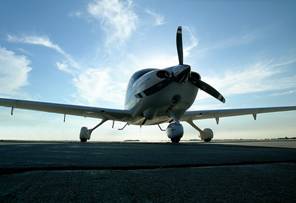
The nice thing about an Avidyne is that if you have any kind of instrument failure, the procedure is the same. The most likely failure will be a PFD or MFD failure. With a Garmin, when this happens, the two screens automatically merge into one on whichever display is operating. You’ll have the engine gauges and the flight instruments together, similar to how they look upon system start up.
by HPA | Mar 10, 2012 | All News, Cirrus Articles, Training / Education
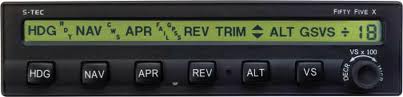
We talked last week about the Cirrus recommended procedure for briefing and flying instrument approaches. I hope you’ve had some time to practice some of the techniques presented there. If so, your approaches should look a lot more organized and streamlined! This week, we’re going to discuss what Cirrus recommends as far as using the S-TEC autopilot to fly approaches. I’m going to split the article up into how you would be flying the approach, either receiving vectors or flying directly to an initial approach fix. So, just turn that autopilot on, sit back and get ready to learn! (Note: All information below is taken from the Cirrus Flight Operations Manual for the SR20 and SR22).

by HPA | Mar 2, 2012 | All News, Cirrus Articles, Training / Education
A lot of pilots these days don’t get a lot of actual IFR time, so they don’t have to shoot many actual IFR approaches. This leads to pilots quickly getting rusty on approach briefings and procedures. Cirrus has published their Flight Operations Manual (FOM) to provide standardized guidance on how to perform all the normal flight maneuvers, including instrument approach guidance. To help knock some of that rust off, here’s an overview of the way Cirrus wants pilots to fly approaches in the SR22. (Note: All information below is taken from the Cirrus Flight Operations Manual for the SR20 and SR22).

by HPA | Feb 23, 2012 | All News, Training / Education
Most nights, and I emphasize most because this is not the case every night, you’re going to find very smooth, non-turbulent conditions. The sun has set, so there isn’t much heat rising up from the earth anymore, lessening those dreaded afternoon bumps in the summer time. Sometimes at night, turbulent conditions will still be present due to wind shear and thunderstorms, but, like I said, most of the time, you’ll get smooth air.
by HPA | Feb 3, 2012 | All News, Training / Education
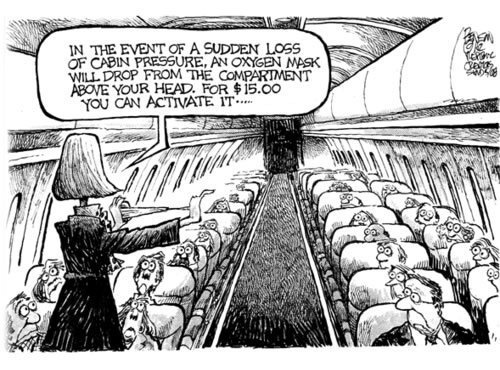
Hypoxia, defined straight from NASA, is “a state of oxygen deficiency in the blood, tissues, and cells sufficient to cause an impairment of mental and physical functions.” Basically, it ain’t good. How does this oxygen deficiency occur in aviation, you ask? Good question.
by HPA | Dec 19, 2011 | All News, Cessna Articles, Training / Education
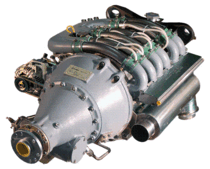
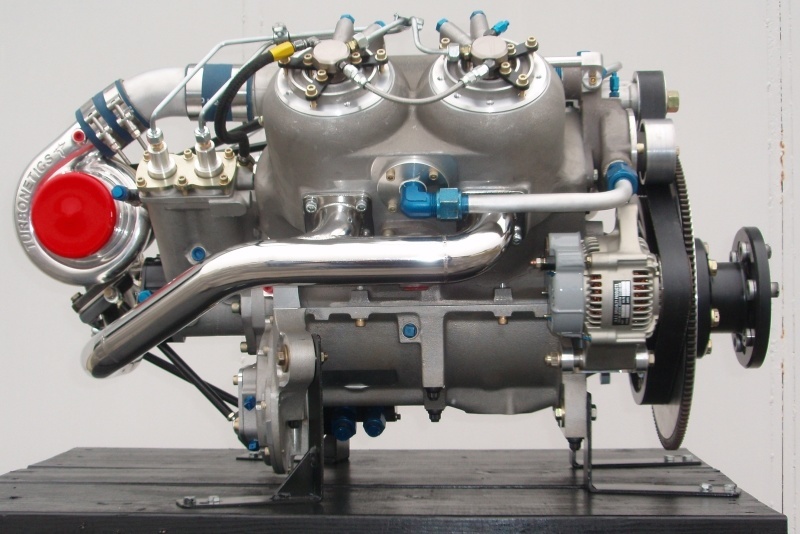
Last week, I discussed changing the type of fuel we’re burning in our engines in order to save some money. This week, I will discuss changing the type of engine entirely. Gasp. You mean not running a piston reciprocating engine in our general aviation aircraft?
by HPA | Dec 11, 2011 | All News, Cessna Articles, Training / Education
We hear it every day from those who are cursed to tread the pavement their entire lives. “Gas is going up again! I don’t want to pay $4 a gallon for fuel!” I got news for you, my unairworthy friends: according to 100LL.com, the average price of Avgas in the south central United States is $5.64 a gallon. Before your tongue falls out of your mouth, be glad you don’t live in the northeast. There, it’s $5.91 a gallon. God bless the south.
by HPA | Dec 6, 2011 | All News, Training / Education
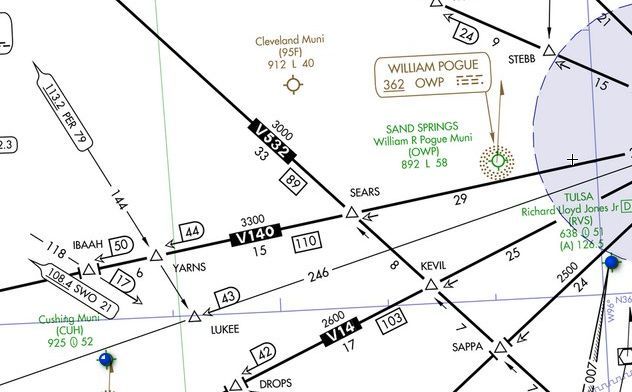
Before we dive into any holding scenarios, I want to address ATC communications within a hold. A lot of pilots have difficulty with what is in an official hold clearance, what needs to be read back, and when and what to report. First, the actual hold clearance. According to the Instrument Flying Handbook, this is what to expect in a holding clearance:
