by HPA | Nov 28, 2011 | All News, Cessna Articles, Cirrus Articles, Garmin Articles, Training / Education
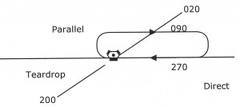
”November Four Seven Two Mike Charlie, hold as published on the VOR, maintain five thousand, expect further clearance in thirty minutes.” Those dreaded words no IFR pilot wants to hear. In yeoman’s terms, a hold clearance screams “DELAY!” This is when the pilot turns to his passengers and says, “Well folks, you might want to get comfortable. Just hope none of you have to go to the bathroom.”…
by HPA | Nov 21, 2011 | All News, Garmin Articles, Training / Education
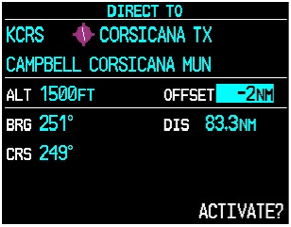
The direct to key is an aid to VFR pilots and a must for IFR pilots. On VFR cross countries, I encourage all VFR pilots to still create flight plans for VFR flights, utilizing paper and pencil planning, then plugging it into the G1000 using user defined waypoints and the like. On local VFR flights, the direct to key is awesome for going to closer airports or just getting a heading back to home base.
by HPA | Nov 20, 2011 | All News, Garmin Articles, Training / Education
How much fuel does the airplane you are flying hold? This is a very important question that most pilots take for granted. Let’s keep things simple and use a Cessna Skyhawk for example. It holds 53 usable gallons of fuel. At an average cruise power setting, the airplane burns roughly 9 gallons an hour. That all adds up to approximately 5 hours and 48 minutes of fuel till the tanks run dry. Let’s say that you own the airplane and you and a co-worker fly it 4 days a week for work. With both of you in the front seats, you can take full fuel and don’t have to worry about weight and balance. The trip takes about four and a half hours, there and back, so you never have to worry about filling up until you get back home.
by HPA | Nov 14, 2011 | All News, Cessna Articles, Cirrus Articles, Garmin Articles, Training / Education
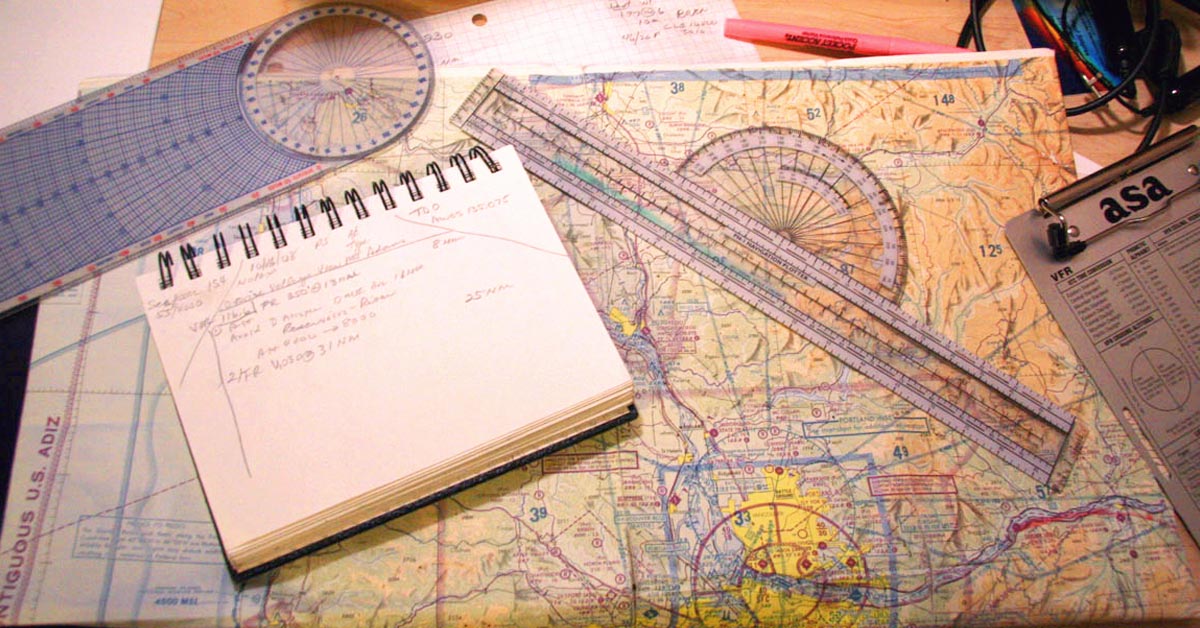
For you pilots out there, think back to your student pilot days. Think to that point between the first solo and the check ride. That point where you knew how to land safely (sort of), but you still had some more to learn. This is known as the cross country phase. During the cross country phase, every student pilot has to sit down and do a ground block with his instructor to learn how to create a cross country flight plan. It seemed quite complex at the time, what with drawing a course line and handling this overly complicated slide rule known as an E6B. Then there was the navigation log complete with ground speed and fuel calculations. It all seemed a little overwhelming, and that was before your instructor informed you that you had to figure all that out while flying!

by HPA | Nov 7, 2011 | All News, Garmin Articles, Training / Education
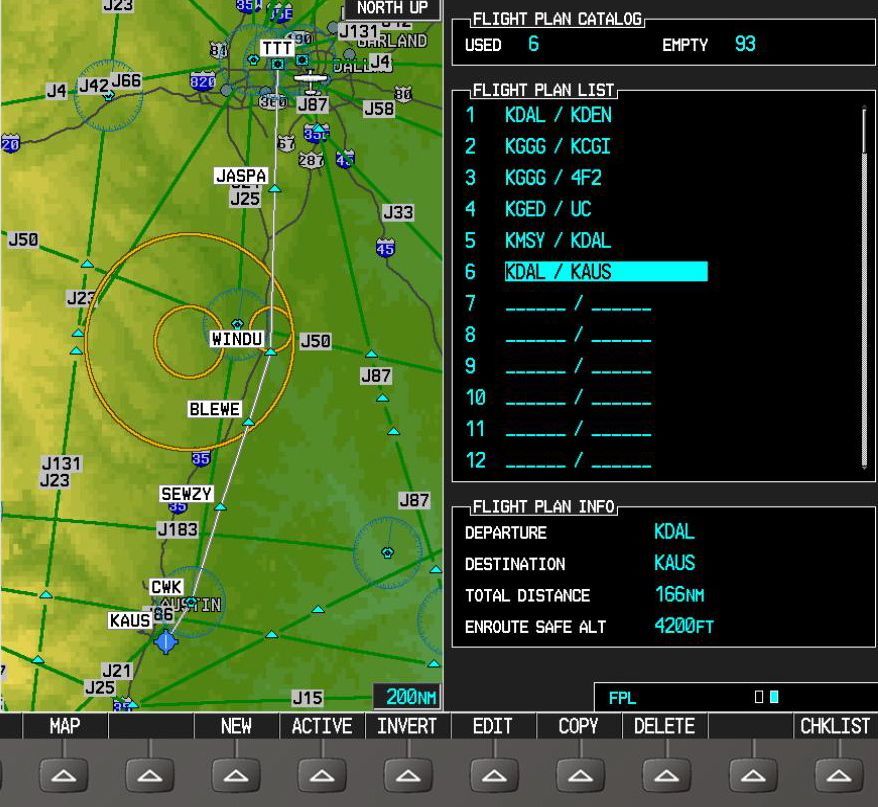
Flying by reference to instruments is a challenge that, once mastered, can be one of the ultimate pleasures in flying. Whenever a private pilot is in the pattern and, all of a sudden, another pilot comes over the radio with a snappy tone: “November Eight Bravo Bravo, visual, 23,” doesn’t envy pour into the blood? Being able to fly IFR has numerous advantages. One is the ease of planning. When working on a VFR cross country, once he figures out where he is going, a pilot has to break out his plotter, mark the course, possibly change sectionals, pick out check points, figure out the headings, do some E6B calculations, and then some. When planning an IFR cross country, victor airways are already outlined on the low en-route chart, so all the pilot has to do is figure out which one to use. The best part is, the headings on the charts already take magnetic variation into account! Plus, a GPS direct clearance makes everyone’s job easier…
by HPA | Oct 31, 2011 | All News, Cessna Articles, Garmin Articles, Training / Education
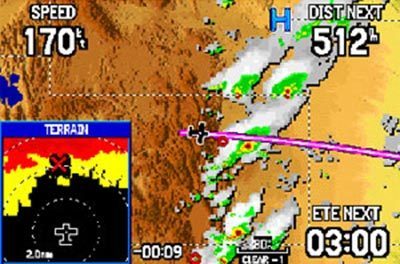
Jeff had just purchased his new Cessna Skylane, complete with a G1000 and a KAP 140 autopilot. Jeff was not completely comfortable with a G1000, but he had decided to splurge and go for the G1000, 182T NAV III model with a KAP 140 autopilot. He had scheduled some lessons for the following week to become more proficient…
by HPA | Oct 24, 2011 | All News, Cessna Articles, Garmin Articles, Training / Education
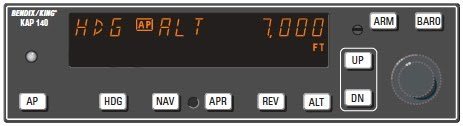
How many pilots out there have uttered curses under their breath trying to work the KAP 140 autopilot? The KAP 140 is great when it does what a pilot wants it to do, but sometimes, getting it to cooperate is a pain. Even the most experienced pilots still have gripes with this particular autopilot. It just does not work sometimes. Hopefully, after these next two articles, pilots will not be tempted to tear the autopilot out and drop it out the window from 6,000 feet.
by HPA | Oct 15, 2011 | All News, Training / Education
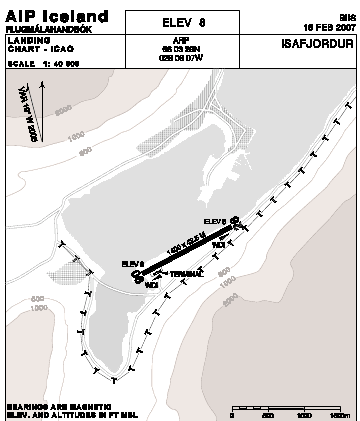
There are always those approaches that instrument pilots are proud to have attempted and actually made it through. Theoretically, an instrument pilot should be able to perform any instrument approach, but some are a little tougher than others. Some are also more fun than others. Here are a few below that could give an IFR pilot an experience and a story.
by HPA | Oct 4, 2011 | All News, Product Reviews, Training / Education
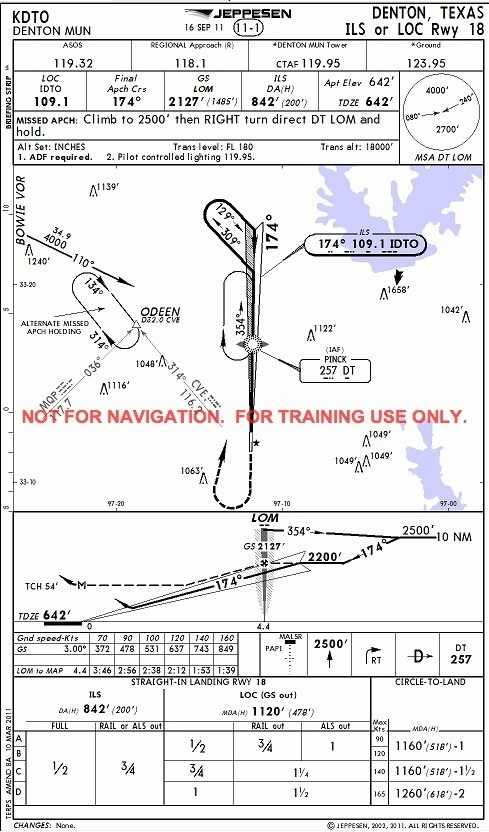
Walk into any pilot’s lounge at any airport, ask a few corporate pilots what the best instrument approach plates are, and you will get a pretty even cut down the middle of who prefers which plates. A lot of times, the Jepp guys are Jepp guys because their bosses pay for it. General aviation pilots, on the other hand, largely do not want to pay the high subscription fee, so they choose NACO. Well, I am here to present a breakdown of each, a few pros and cons, and a few opinions. I have used both extensively in my flying career, so I have grown familiar with both publications.
by HPA | Sep 23, 2011 | All News, Cessna Articles, Cirrus Articles, Garmin Articles, Training / Education
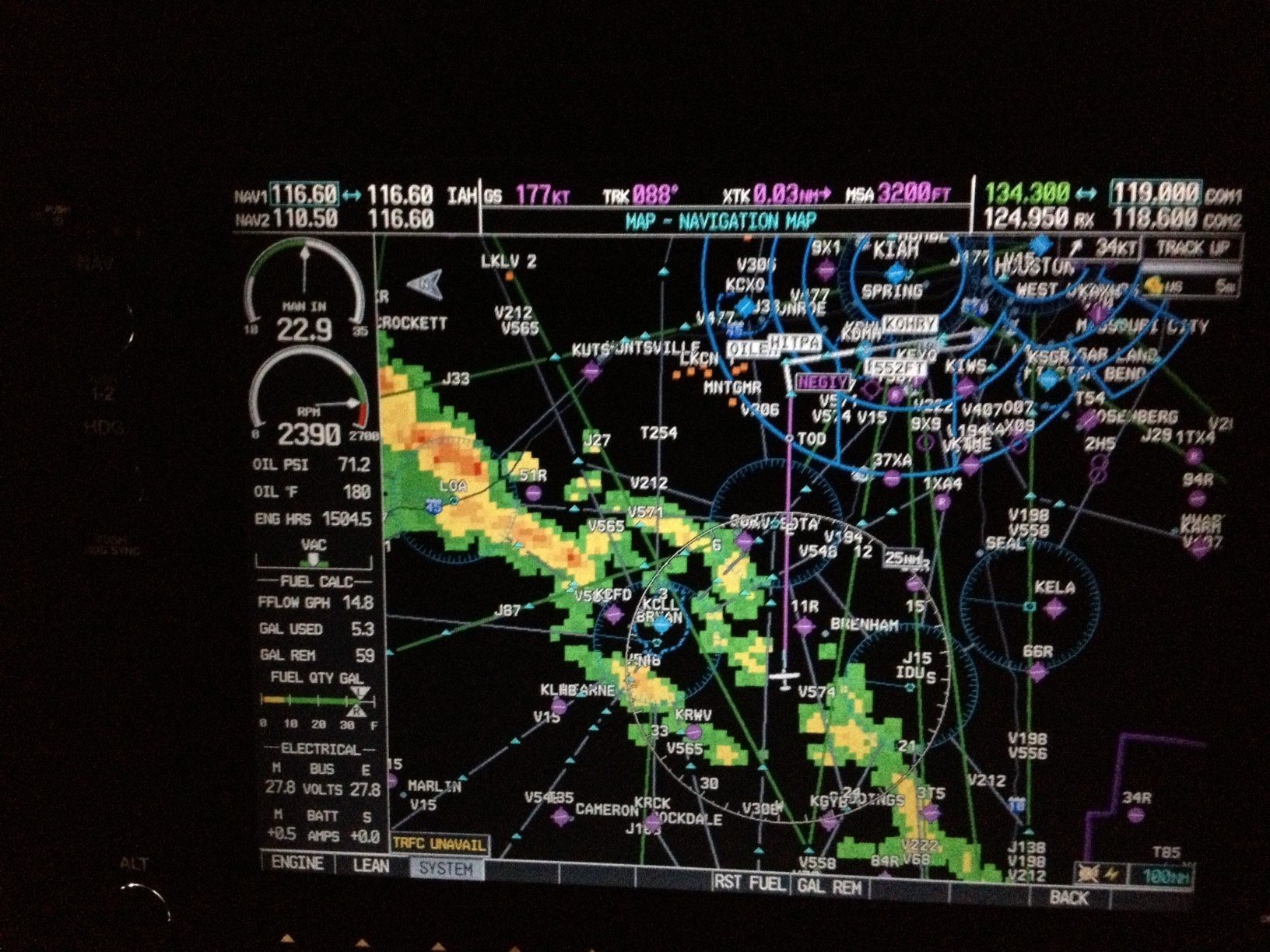
User defined waypoints are extremely handy, but a lot of G1000 pilots do not even know they exist. All instrument pilots are familiar with waypoints. Waypoints are what make up GPS IFR routes. User defined waypoints can be utilized for any type of pilot, whether IFR or VFR.
by HPA | Sep 16, 2011 | All News, Cessna Articles, Cirrus Articles, Garmin Articles, Training / Education
We have all been that pilot. Whether it is trying to load an approach or just set the altimeter, when we get in a rush, it seems the wrong button is always pushed. That can be frustrating when a flight plan is all programmed in, then it disappears. In my instructing career, I’ve seen my students do it many times. It never results in a safety issue, but it takes a little bit of time to get back to where they wanted to be. Over the next two articles, I will be addressing ten common G1000 mistakes. Here are the first five.
by HPA | Sep 3, 2011 | All News, Cessna Articles, Cirrus Articles, Garmin Articles, Training / Education
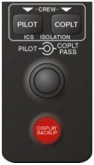
On the long list of what can go wrong in a G1000 cockpit, a Garmin Display Unit (GDU) failure is less of a Maalox moment than other failures. A non-proficient pilot, though, might be lost when the PFD or MFD goes black. Here’s how to handle the situation. (Note: This article will only deal with the traditional G1000 configuration with one PFD and one MFD)
by HPA | Aug 26, 2011 | All News, Cessna Articles, Cirrus Articles, Garmin Articles, Training / Education
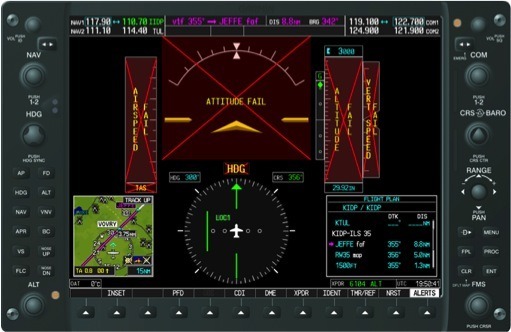
I was in hard IFR, 400 foot ceilings and a mile visibility. I had just passed the initial approach fix on the ILS. On this particular ILS approach, I had to follow an arc that led me to the final approach course from the initial approach fix. The approach was briefed and loaded into the G1000 and I thought all I had to do was just keep the needles centered. Then, BAM! Red X’s started showing up everywhere on my PFD. Altitude, airspeed, vertical speed, all gone. The attitude indicator and my heading information were both inoperative as well.
by Brandon Ray | Jun 2, 2011 | All News, Cessna Articles, Cirrus Articles, Garmin Articles, Training / Education
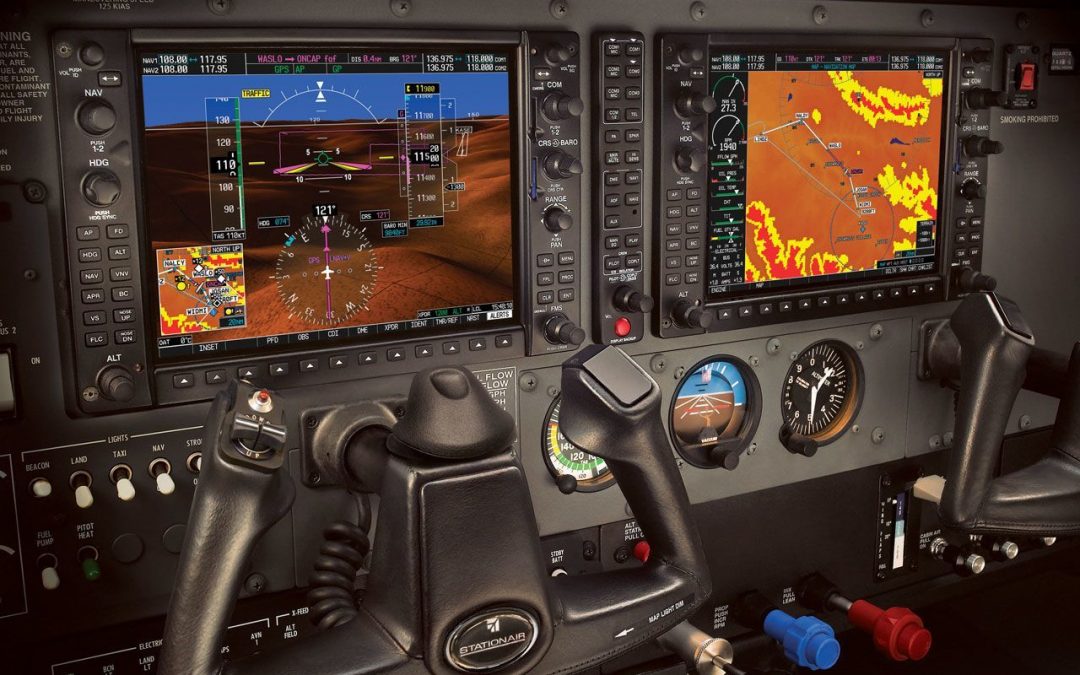
In recent years, general aviation has benefited from many innovations and technological advancements. We have seen glass cockpits become standard equipment on new aircraft. Satellite datalink weather now helps guide our inflight decision-making and diversion planning. Digital autopilots on Skyhawks now rival those found on the commercial airlines. NDBs and VORs have faded out of the spotlight as GPS and WAAS technology take over as the navigation source of choice…
by HPA | Apr 8, 2011 | All News, Product Reviews, Training / Education
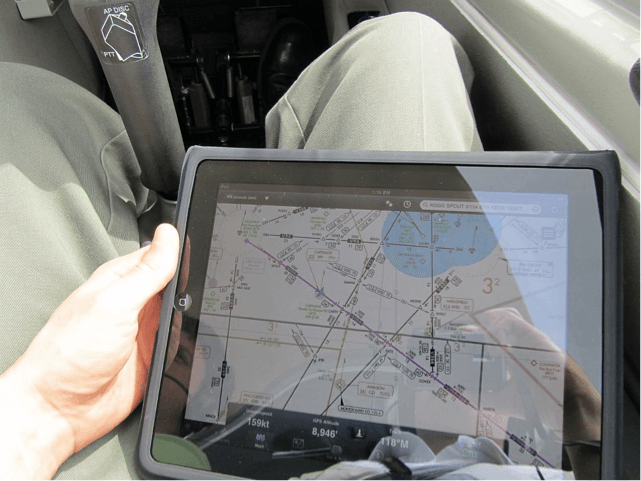
Technology is constantly changing the way that people access information. The same is true of pilots in the cockpit. Modern avionics systems often work with data subscriptions that are capable of providing weather information as well as terminal procedures charts…
by HPA | Jan 24, 2011 | All News, Training / Education
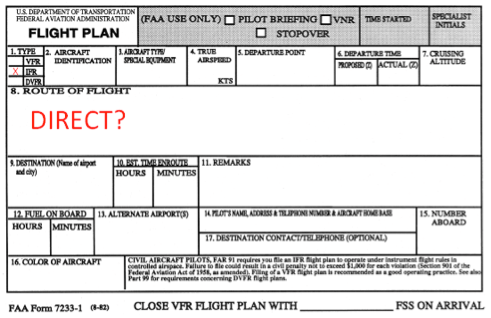
Before the advent of GPS, IFR flight plan routes were fairly limited. Pilots generally had to stay on airways or remain within the standard navaid service volumes if venturing off airway. Now a huge number of pilots are able to file /G on their IFR flight plans, meaning that the airplane has GPS and/or WAAS (Wide Area Augmentation System) with en route and terminal capability.
So, how does a pilot file IFR direct using GPS? The easiest way is to just put DIRECT in the route portion of your flight plan form, but is it the correct way? Let’s investigate.
