by HPA | Aug 25, 2013 | All News, Cessna Articles
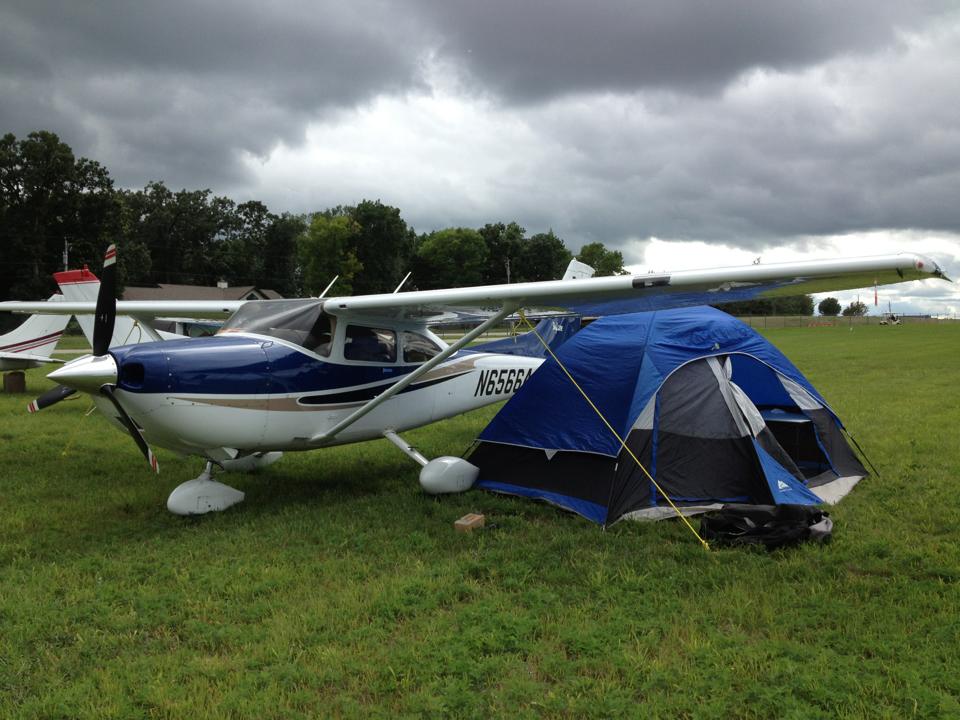
EAA Airventure Oshkosh has long been referred to as “Mecca” for pilots. The EAA claims it is the “World’s Greatest Aviation Celebration”, where both pilots and performers gather for a week-long celebration of almost every type of aviation…

by HPA | May 14, 2013 | All News, Cessna Articles, Garmin Articles, Product Reviews
Back in December, I had the chance to go to the Cessna Factory in Independence, KS to receive my Cessna FITS Accepted Instructor training. Now, the city of Independence isn’t much to write home about, but the experience I had at the factory sure was top notch. I encourage Cessna owners everywhere to fly over to Independence and take a tour of the factory. You won’t regret it. Here’s a little bit about my experience.
by Brandon Ray | Apr 2, 2013 | All News, Cessna Articles, Cirrus Articles, Garmin Articles
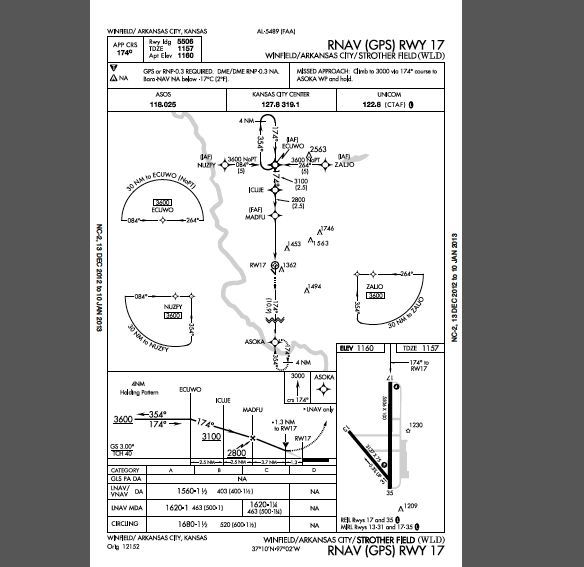
In my last article, we discussed some advanced functionality of VNAV for descent planning. VNAV is typically used for enroute descents and to meet crossing restrictions on descent. In this article we show an example of how you can incorporate VNAV on your instrument approaches as well.
by Brandon Ray | Feb 22, 2013 | All News, Cessna Articles, Cirrus Articles, Garmin Articles, Training / Education
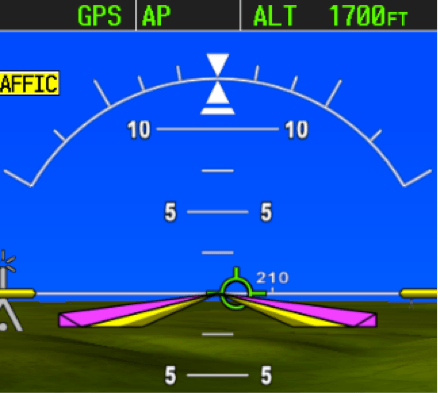
Ever wish your airplane could fly itself? With the Garmin GFC 700, that vision is getting closer to reality. In the past, some GA aircraft have been equipped with rate-based autopilots, like the S-TEC 55X or the Bendix-King KAP 140. Some of these autopilots would allow the aircraft to fly standard-rate turns, hold altitudes, command wings-level, and even couple to instrument approaches, depending on the particular model. With the Garmin Flight Control system, we now have access to incredible attitude-based digital precision.
by Brandon Ray | Jan 24, 2013 | All News, Cessna Articles, Cirrus Articles, Garmin Articles, Training / Education
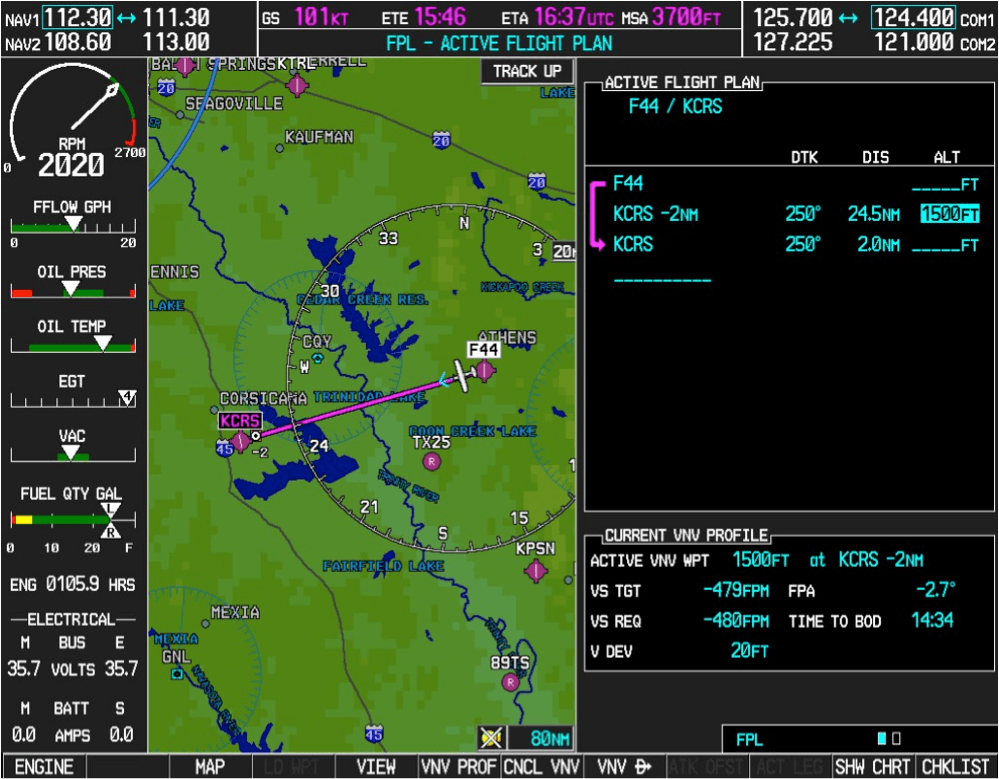
The VNAV function on a G1000 or Garmin Perspective system is a great resource to assist pilots in planning descents. It takes a lot of the math out of the process. Here are some advanced tips and tricks for utilizing the VNAV function properly.
by HPA | Sep 7, 2012 | All News, Cessna Articles, Cirrus Articles, Garmin Articles, Product Reviews
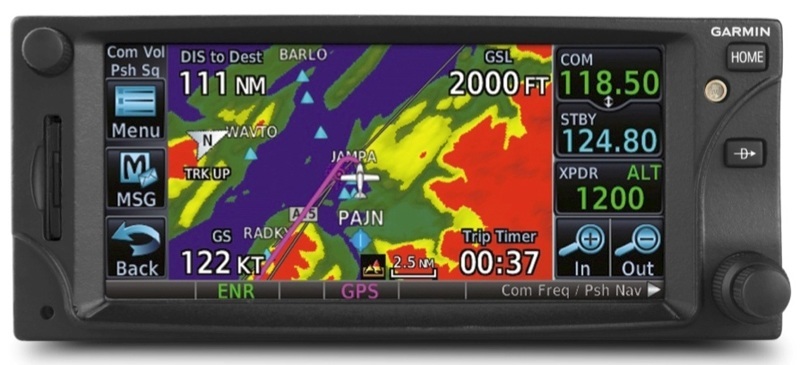
I was taking a peek into a Cirrus a few weeks back, probably a 2002 or 2003 SR22. A quick glance at the panel and the GPS’s showed me everything was as it should be: 2 Avidyne screens, 2 Garmin 430s, the S-TEC 55x autopilot. The pilot offered to take me for a demo flight to show off his new GPS. I thought, well, I’m pretty good with a 430, maybe he wants some tips or something.

by HPA | Apr 12, 2012 | All News, Cessna Articles, Training / Education
From personal experience, New York City is a loooooong way from Houston, even in a Cessna Corvallis TT. Albeit, we did have a headwind the ENTIRE time, but, even without the headwind, the trip is a stretch for one day. Upon landing in White Plains, New York, we all decided that a two day trip instead of a one day trip would be preferred for next time.
by HPA | Dec 19, 2011 | All News, Cessna Articles, Training / Education
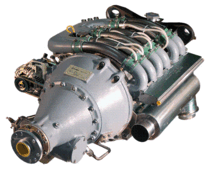
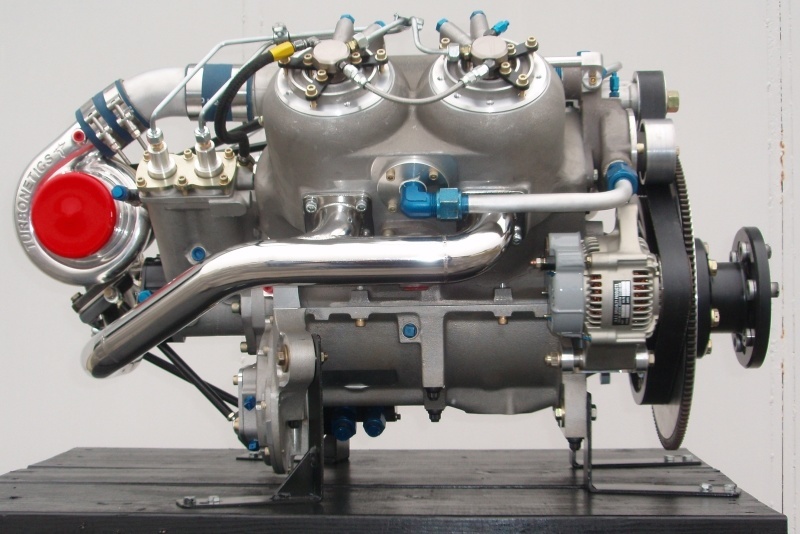
Last week, I discussed changing the type of fuel we’re burning in our engines in order to save some money. This week, I will discuss changing the type of engine entirely. Gasp. You mean not running a piston reciprocating engine in our general aviation aircraft?
by HPA | Dec 11, 2011 | All News, Cessna Articles, Training / Education
We hear it every day from those who are cursed to tread the pavement their entire lives. “Gas is going up again! I don’t want to pay $4 a gallon for fuel!” I got news for you, my unairworthy friends: according to 100LL.com, the average price of Avgas in the south central United States is $5.64 a gallon. Before your tongue falls out of your mouth, be glad you don’t live in the northeast. There, it’s $5.91 a gallon. God bless the south.
by HPA | Nov 28, 2011 | All News, Cessna Articles, Cirrus Articles, Garmin Articles, Training / Education
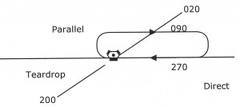
”November Four Seven Two Mike Charlie, hold as published on the VOR, maintain five thousand, expect further clearance in thirty minutes.” Those dreaded words no IFR pilot wants to hear. In yeoman’s terms, a hold clearance screams “DELAY!” This is when the pilot turns to his passengers and says, “Well folks, you might want to get comfortable. Just hope none of you have to go to the bathroom.”…
by HPA | Nov 14, 2011 | All News, Cessna Articles, Cirrus Articles, Garmin Articles, Training / Education
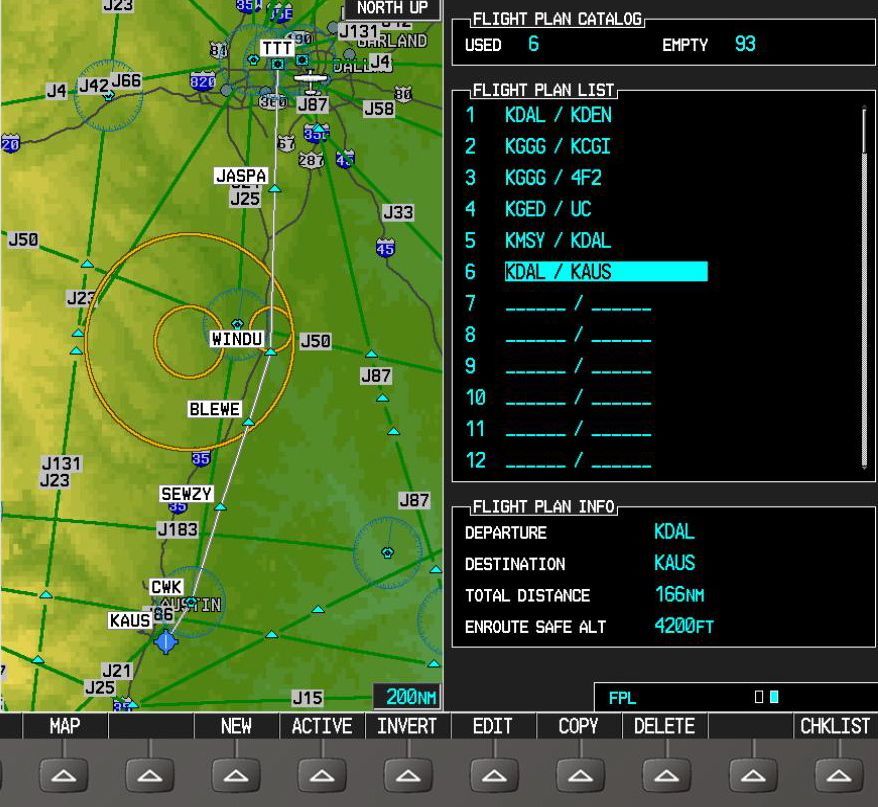
For you pilots out there, think back to your student pilot days. Think to that point between the first solo and the check ride. That point where you knew how to land safely (sort of), but you still had some more to learn. This is known as the cross country phase. During the cross country phase, every student pilot has to sit down and do a ground block with his instructor to learn how to create a cross country flight plan. It seemed quite complex at the time, what with drawing a course line and handling this overly complicated slide rule known as an E6B. Then there was the navigation log complete with ground speed and fuel calculations. It all seemed a little overwhelming, and that was before your instructor informed you that you had to figure all that out while flying!
by HPA | Oct 31, 2011 | All News, Cessna Articles, Garmin Articles, Training / Education
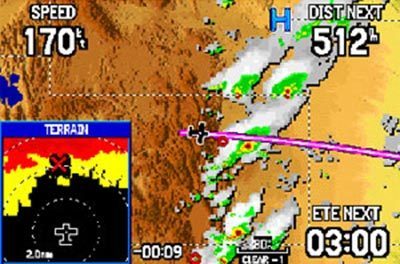
Jeff had just purchased his new Cessna Skylane, complete with a G1000 and a KAP 140 autopilot. Jeff was not completely comfortable with a G1000, but he had decided to splurge and go for the G1000, 182T NAV III model with a KAP 140 autopilot. He had scheduled some lessons for the following week to become more proficient…
by HPA | Oct 24, 2011 | All News, Cessna Articles, Garmin Articles, Training / Education
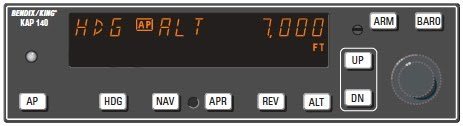
How many pilots out there have uttered curses under their breath trying to work the KAP 140 autopilot? The KAP 140 is great when it does what a pilot wants it to do, but sometimes, getting it to cooperate is a pain. Even the most experienced pilots still have gripes with this particular autopilot. It just does not work sometimes. Hopefully, after these next two articles, pilots will not be tempted to tear the autopilot out and drop it out the window from 6,000 feet.
by HPA | Sep 23, 2011 | All News, Cessna Articles, Cirrus Articles, Garmin Articles, Training / Education
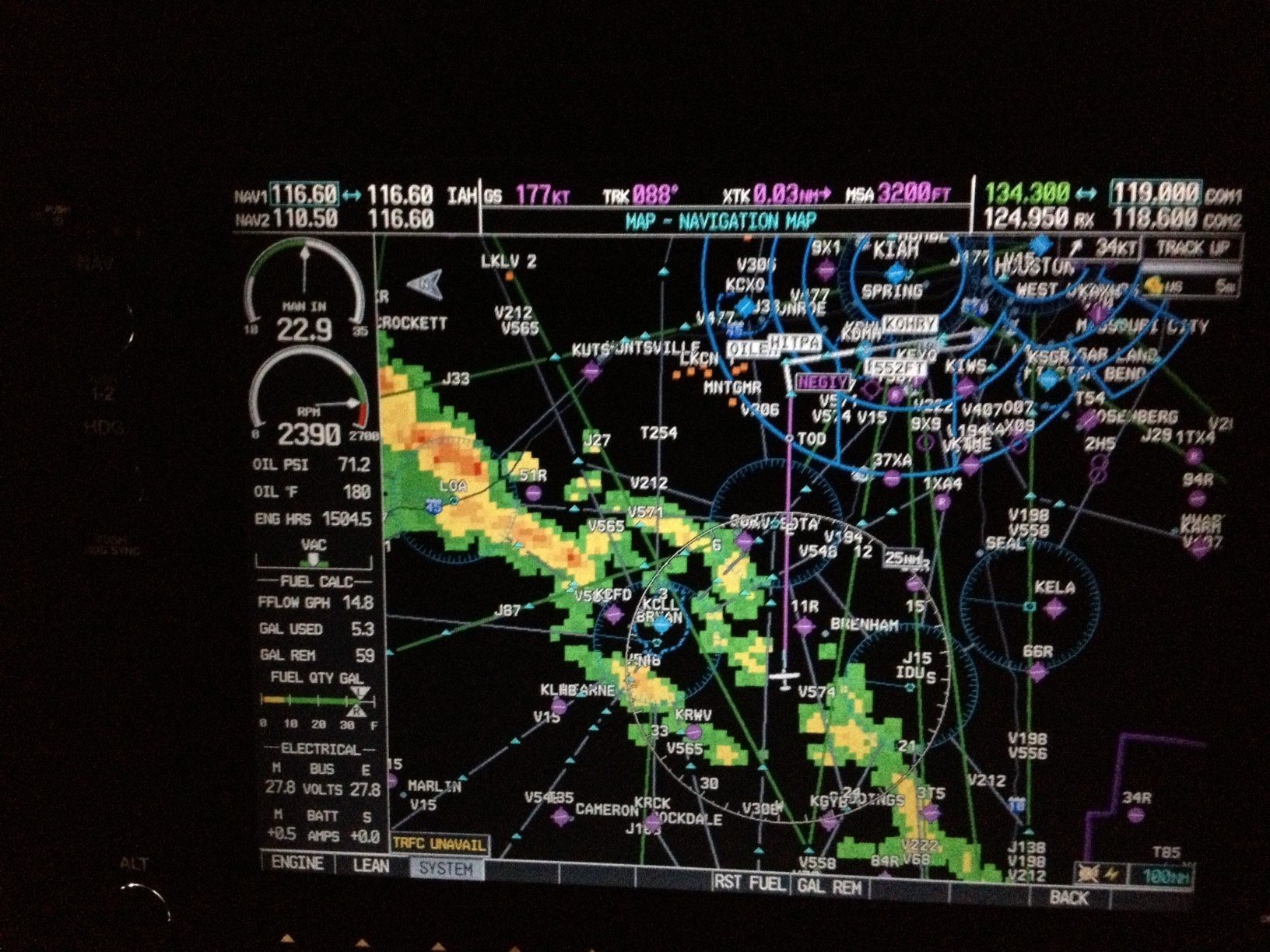
User defined waypoints are extremely handy, but a lot of G1000 pilots do not even know they exist. All instrument pilots are familiar with waypoints. Waypoints are what make up GPS IFR routes. User defined waypoints can be utilized for any type of pilot, whether IFR or VFR.
by HPA | Sep 16, 2011 | All News, Cessna Articles, Cirrus Articles, Garmin Articles, Training / Education
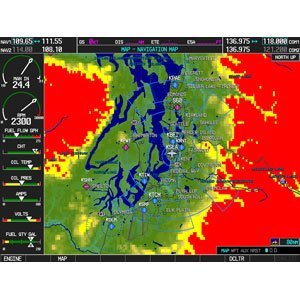
We have all been that pilot. Whether it is trying to load an approach or just set the altimeter, when we get in a rush, it seems the wrong button is always pushed. That can be frustrating when a flight plan is all programmed in, then it disappears. In my instructing career, I’ve seen my students do it many times. It never results in a safety issue, but it takes a little bit of time to get back to where they wanted to be. Over the next two articles, I will be addressing ten common G1000 mistakes. Here are the first five.
by HPA | Sep 3, 2011 | All News, Cessna Articles, Cirrus Articles, Garmin Articles, Training / Education
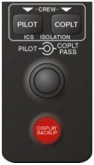
On the long list of what can go wrong in a G1000 cockpit, a Garmin Display Unit (GDU) failure is less of a Maalox moment than other failures. A non-proficient pilot, though, might be lost when the PFD or MFD goes black. Here’s how to handle the situation. (Note: This article will only deal with the traditional G1000 configuration with one PFD and one MFD)
