
by HPA | Feb 23, 2012 | All News, Training / Education
Most nights, and I emphasize most because this is not the case every night, you’re going to find very smooth, non-turbulent conditions. The sun has set, so there isn’t much heat rising up from the earth anymore, lessening those dreaded afternoon bumps in the summer time. Sometimes at night, turbulent conditions will still be present due to wind shear and thunderstorms, but, like I said, most of the time, you’ll get smooth air.
by HPA | Feb 20, 2012 | All News, Cirrus Articles, Product Reviews
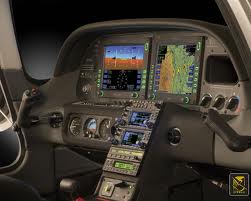
Avidyne has done many things well with their venture into the glass cockpit arena (brief side note: I find it humorous that even Avidyne still uses Garmin’s GPS. As usual, I digress). On the PFD, there are eight bezel keys, four on each side, each with it’s own function. On the bottom of the display are two knobs, one on each side, that are used to input information into each of the different fields next to the bezel keys.
by HPA | Feb 3, 2012 | All News, Training / Education
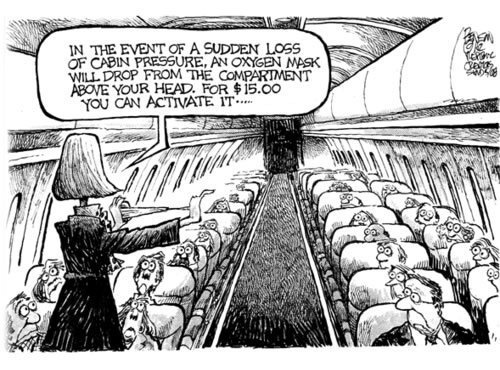
Hypoxia, defined straight from NASA, is “a state of oxygen deficiency in the blood, tissues, and cells sufficient to cause an impairment of mental and physical functions.” Basically, it ain’t good. How does this oxygen deficiency occur in aviation, you ask? Good question.
by HPA | Jan 26, 2012 | All News, Cirrus Articles, Garmin Articles, Product Reviews
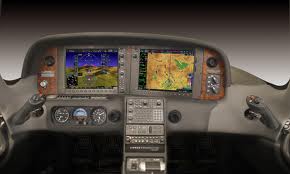
New Cirrus aircraft equipped with the Garmin Perspective avionics suite are a pilot’s dream. All parties involved got this one right. Gone are the days when general aviation pilots have to twist knobs to select an airport identifier. In comes the Garmin Control Unit (GCU) with a complete keyboard which saves time and frustration. Most of the knobs are gone off the MFD, now repositioned on the GCU for easier access. Even the avionics panel is streamlined. I’m getting ahead of myself, though. Let us start with the PFD and analyze the whole setup.

by HPA | Dec 26, 2011 | All News, General News
Remember as a kid all the pictures of Santa’s sleigh with the open cockpit design? Well, Claus finally wised up and enclosed the cabin (more comfortable when traveling through the northern latitudes). It was a bubble canopy, vacuum sealed and pressurized. He even had an emergency oxygen tank tucked in a compartment in the back. True airspeed does increase with higher altitudes, so I guess he makes better time up high.
by HPA | Dec 19, 2011 | All News, Cessna Articles, Training / Education
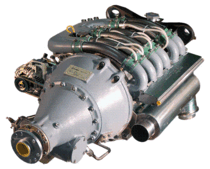
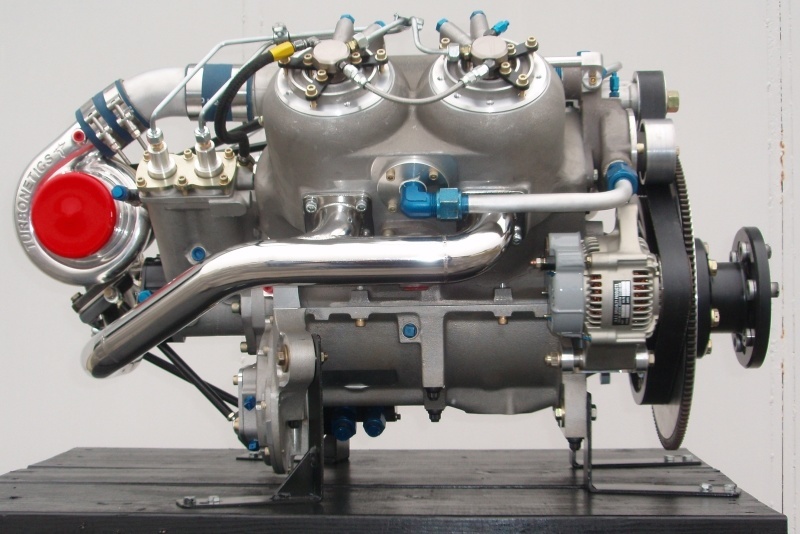
Last week, I discussed changing the type of fuel we’re burning in our engines in order to save some money. This week, I will discuss changing the type of engine entirely. Gasp. You mean not running a piston reciprocating engine in our general aviation aircraft?
by HPA | Dec 11, 2011 | All News, Cessna Articles, Training / Education
We hear it every day from those who are cursed to tread the pavement their entire lives. “Gas is going up again! I don’t want to pay $4 a gallon for fuel!” I got news for you, my unairworthy friends: according to 100LL.com, the average price of Avgas in the south central United States is $5.64 a gallon. Before your tongue falls out of your mouth, be glad you don’t live in the northeast. There, it’s $5.91 a gallon. God bless the south.
by HPA | Dec 10, 2011 | All News, Events & Seminars, General News
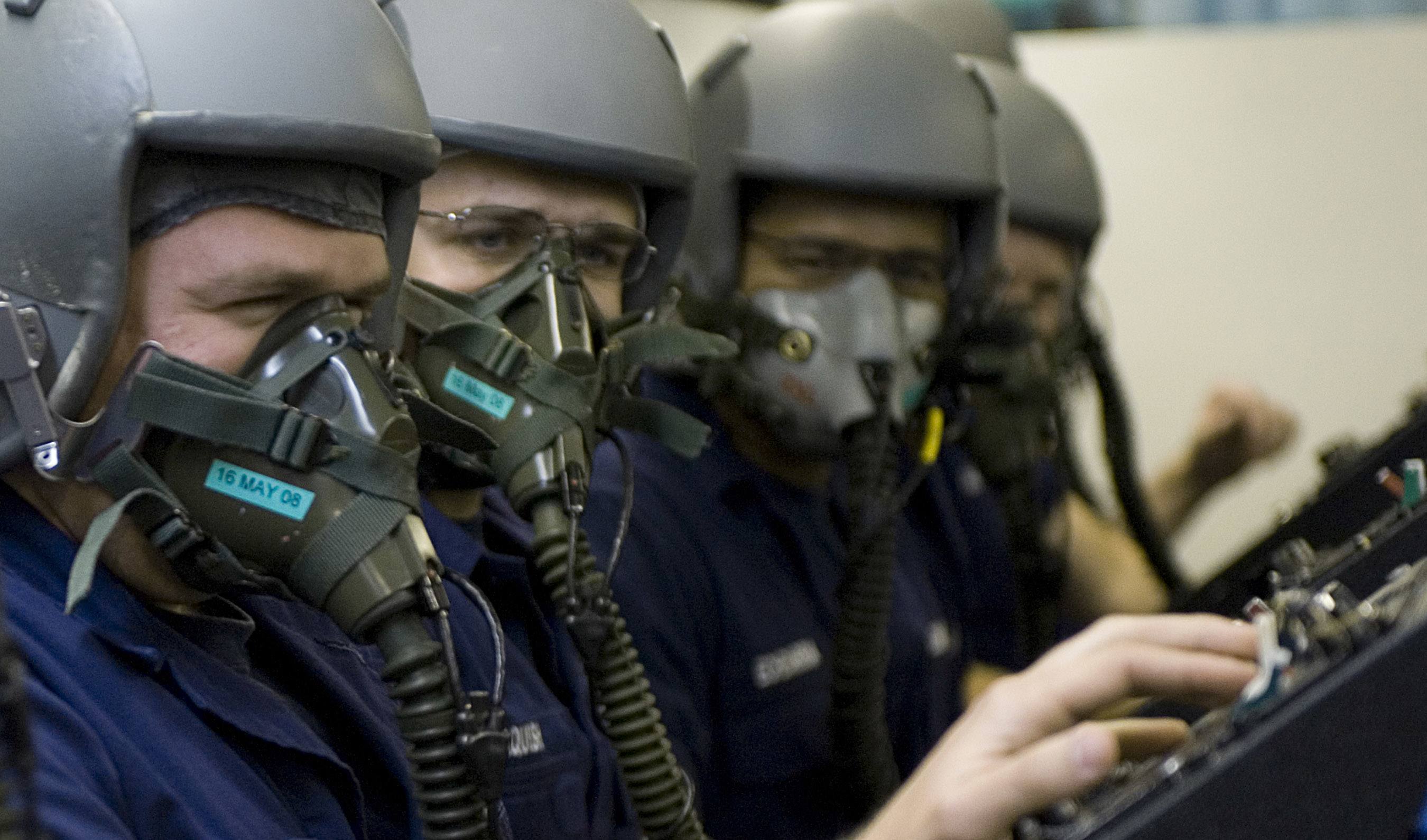
HPA is excited to announce this upcoming event… We have organized a group event for the altitude chamber at NASA on January 30, 2012. This will be a great learning experience that you won’t want to miss!
by HPA | Dec 6, 2011 | All News, Training / Education
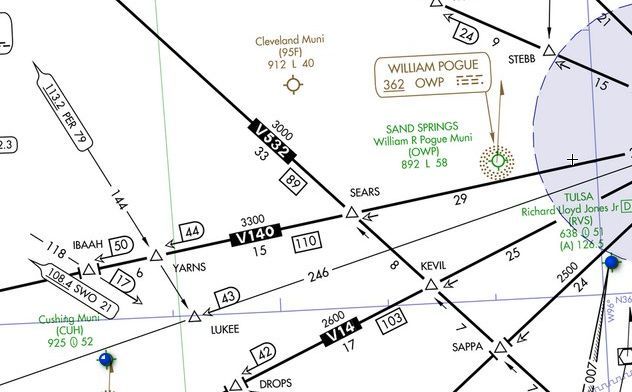
Before we dive into any holding scenarios, I want to address ATC communications within a hold. A lot of pilots have difficulty with what is in an official hold clearance, what needs to be read back, and when and what to report. First, the actual hold clearance. According to the Instrument Flying Handbook, this is what to expect in a holding clearance:
by HPA | Nov 28, 2011 | All News, Cessna Articles, Cirrus Articles, Garmin Articles, Training / Education
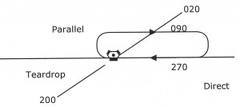
”November Four Seven Two Mike Charlie, hold as published on the VOR, maintain five thousand, expect further clearance in thirty minutes.” Those dreaded words no IFR pilot wants to hear. In yeoman’s terms, a hold clearance screams “DELAY!” This is when the pilot turns to his passengers and says, “Well folks, you might want to get comfortable. Just hope none of you have to go to the bathroom.”…
by HPA | Nov 21, 2011 | All News, Garmin Articles, Training / Education
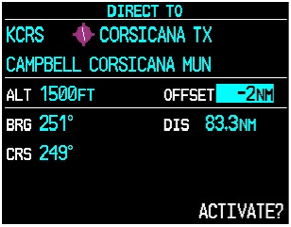
The direct to key is an aid to VFR pilots and a must for IFR pilots. On VFR cross countries, I encourage all VFR pilots to still create flight plans for VFR flights, utilizing paper and pencil planning, then plugging it into the G1000 using user defined waypoints and the like. On local VFR flights, the direct to key is awesome for going to closer airports or just getting a heading back to home base.
by HPA | Nov 20, 2011 | All News, Garmin Articles, Training / Education
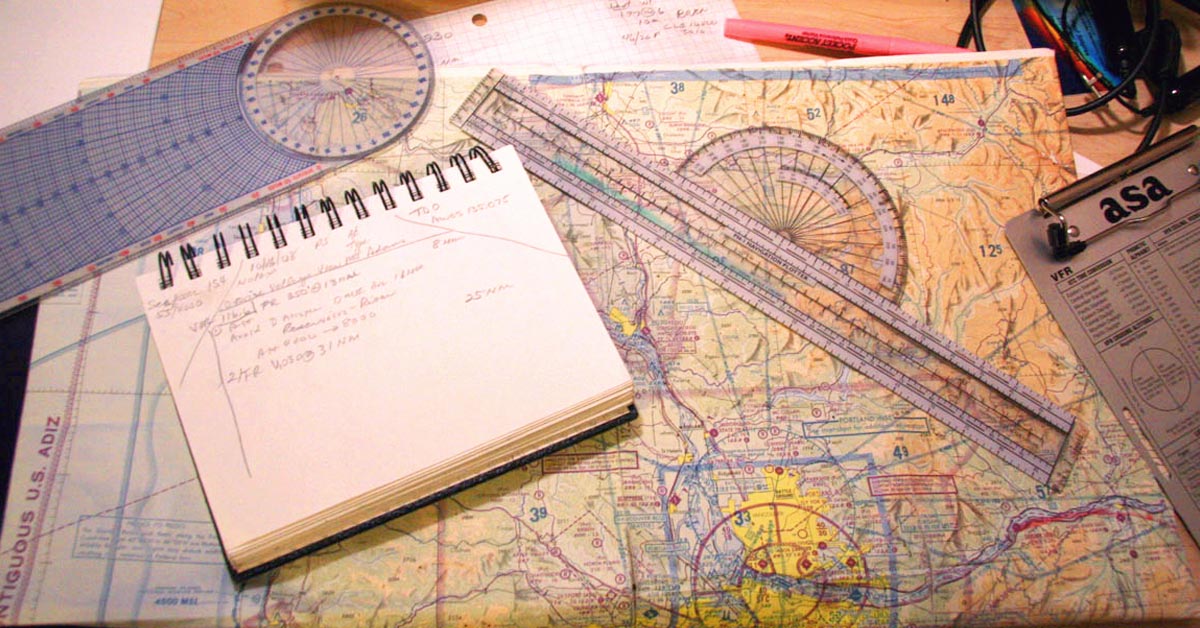
How much fuel does the airplane you are flying hold? This is a very important question that most pilots take for granted. Let’s keep things simple and use a Cessna Skyhawk for example. It holds 53 usable gallons of fuel. At an average cruise power setting, the airplane burns roughly 9 gallons an hour. That all adds up to approximately 5 hours and 48 minutes of fuel till the tanks run dry. Let’s say that you own the airplane and you and a co-worker fly it 4 days a week for work. With both of you in the front seats, you can take full fuel and don’t have to worry about weight and balance. The trip takes about four and a half hours, there and back, so you never have to worry about filling up until you get back home.
by HPA | Nov 14, 2011 | All News, Cessna Articles, Cirrus Articles, Garmin Articles, Training / Education
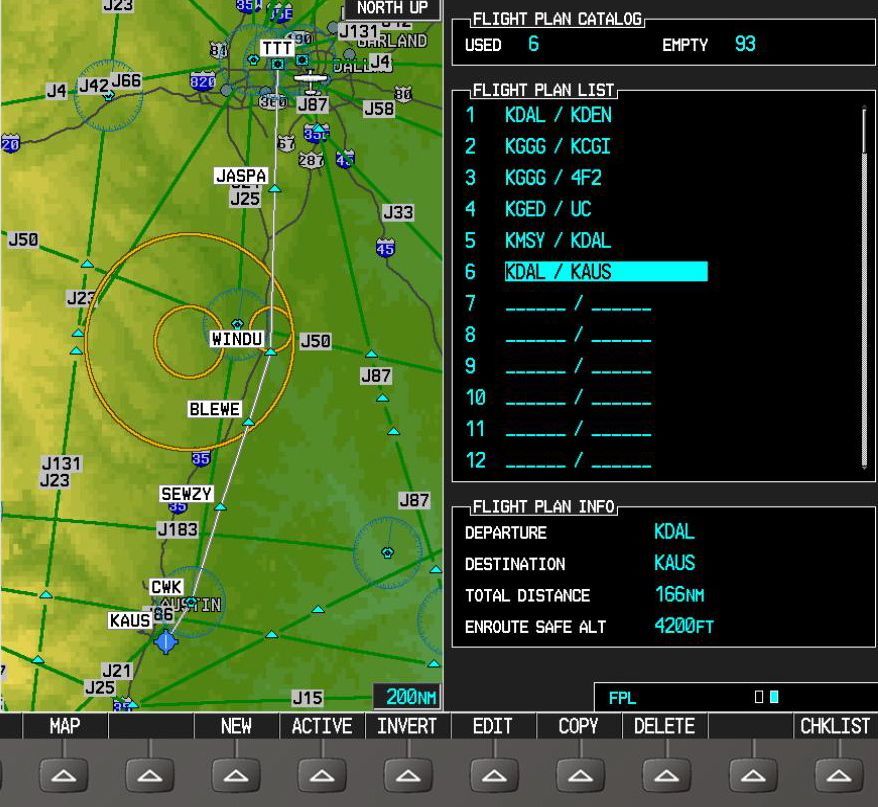
For you pilots out there, think back to your student pilot days. Think to that point between the first solo and the check ride. That point where you knew how to land safely (sort of), but you still had some more to learn. This is known as the cross country phase. During the cross country phase, every student pilot has to sit down and do a ground block with his instructor to learn how to create a cross country flight plan. It seemed quite complex at the time, what with drawing a course line and handling this overly complicated slide rule known as an E6B. Then there was the navigation log complete with ground speed and fuel calculations. It all seemed a little overwhelming, and that was before your instructor informed you that you had to figure all that out while flying!
by HPA | Nov 7, 2011 | All News, Garmin Articles, Training / Education
Flying by reference to instruments is a challenge that, once mastered, can be one of the ultimate pleasures in flying. Whenever a private pilot is in the pattern and, all of a sudden, another pilot comes over the radio with a snappy tone: “November Eight Bravo Bravo, visual, 23,” doesn’t envy pour into the blood? Being able to fly IFR has numerous advantages. One is the ease of planning. When working on a VFR cross country, once he figures out where he is going, a pilot has to break out his plotter, mark the course, possibly change sectionals, pick out check points, figure out the headings, do some E6B calculations, and then some. When planning an IFR cross country, victor airways are already outlined on the low en-route chart, so all the pilot has to do is figure out which one to use. The best part is, the headings on the charts already take magnetic variation into account! Plus, a GPS direct clearance makes everyone’s job easier…
by HPA | Oct 31, 2011 | All News, Cessna Articles, Garmin Articles, Training / Education
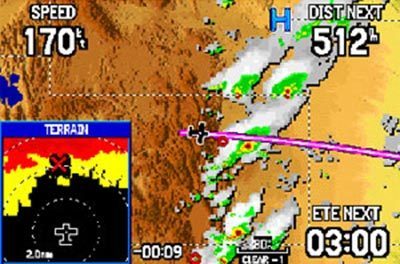
Jeff had just purchased his new Cessna Skylane, complete with a G1000 and a KAP 140 autopilot. Jeff was not completely comfortable with a G1000, but he had decided to splurge and go for the G1000, 182T NAV III model with a KAP 140 autopilot. He had scheduled some lessons for the following week to become more proficient…
by HPA | Oct 24, 2011 | All News, Cessna Articles, Garmin Articles, Training / Education
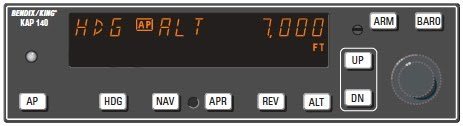
How many pilots out there have uttered curses under their breath trying to work the KAP 140 autopilot? The KAP 140 is great when it does what a pilot wants it to do, but sometimes, getting it to cooperate is a pain. Even the most experienced pilots still have gripes with this particular autopilot. It just does not work sometimes. Hopefully, after these next two articles, pilots will not be tempted to tear the autopilot out and drop it out the window from 6,000 feet.
