by HPA | Oct 15, 2011 | All News, Training / Education
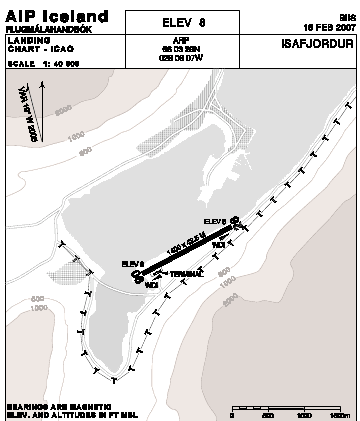
There are always those approaches that instrument pilots are proud to have attempted and actually made it through. Theoretically, an instrument pilot should be able to perform any instrument approach, but some are a little tougher than others. Some are also more fun than others. Here are a few below that could give an IFR pilot an experience and a story.
by HPA | Oct 4, 2011 | All News, Product Reviews, Training / Education
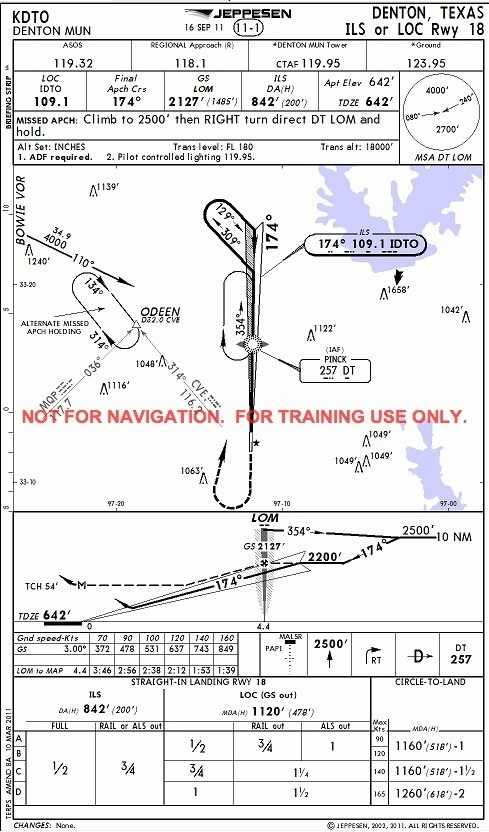
Walk into any pilot’s lounge at any airport, ask a few corporate pilots what the best instrument approach plates are, and you will get a pretty even cut down the middle of who prefers which plates. A lot of times, the Jepp guys are Jepp guys because their bosses pay for it. General aviation pilots, on the other hand, largely do not want to pay the high subscription fee, so they choose NACO. Well, I am here to present a breakdown of each, a few pros and cons, and a few opinions. I have used both extensively in my flying career, so I have grown familiar with both publications.
by HPA | Sep 23, 2011 | All News, Cessna Articles, Cirrus Articles, Garmin Articles, Training / Education
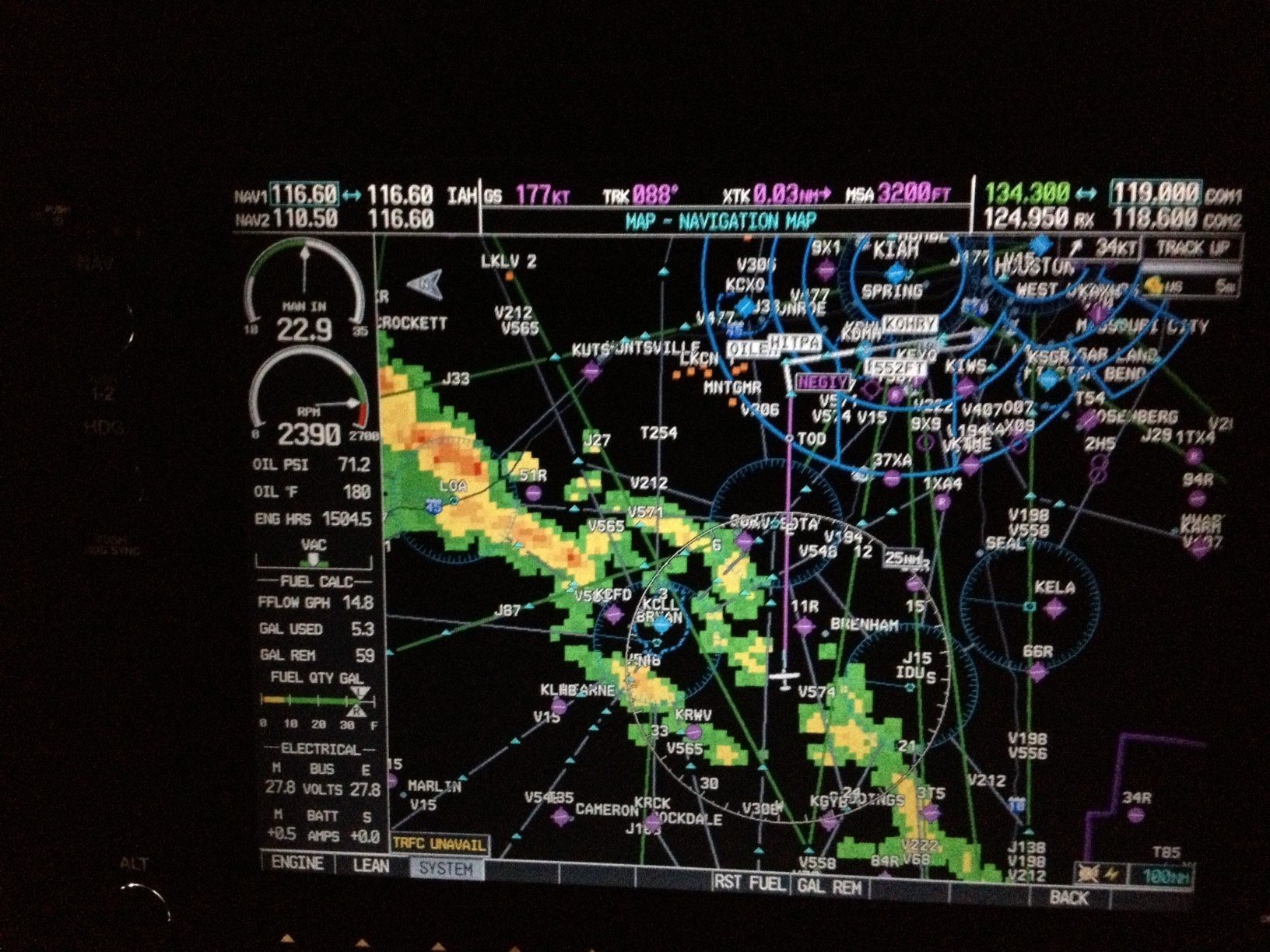
User defined waypoints are extremely handy, but a lot of G1000 pilots do not even know they exist. All instrument pilots are familiar with waypoints. Waypoints are what make up GPS IFR routes. User defined waypoints can be utilized for any type of pilot, whether IFR or VFR.
by HPA | Sep 16, 2011 | All News, Cessna Articles, Cirrus Articles, Garmin Articles, Training / Education
We have all been that pilot. Whether it is trying to load an approach or just set the altimeter, when we get in a rush, it seems the wrong button is always pushed. That can be frustrating when a flight plan is all programmed in, then it disappears. In my instructing career, I’ve seen my students do it many times. It never results in a safety issue, but it takes a little bit of time to get back to where they wanted to be. Over the next two articles, I will be addressing ten common G1000 mistakes. Here are the first five.
by HPA | Sep 3, 2011 | All News, Cessna Articles, Cirrus Articles, Garmin Articles, Training / Education
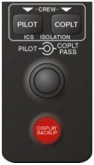
On the long list of what can go wrong in a G1000 cockpit, a Garmin Display Unit (GDU) failure is less of a Maalox moment than other failures. A non-proficient pilot, though, might be lost when the PFD or MFD goes black. Here’s how to handle the situation. (Note: This article will only deal with the traditional G1000 configuration with one PFD and one MFD)
by HPA | Aug 26, 2011 | All News, Cessna Articles, Cirrus Articles, Garmin Articles, Training / Education
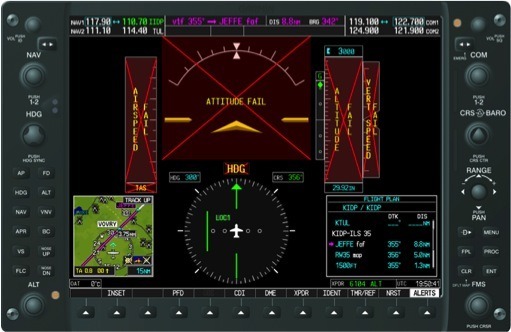
I was in hard IFR, 400 foot ceilings and a mile visibility. I had just passed the initial approach fix on the ILS. On this particular ILS approach, I had to follow an arc that led me to the final approach course from the initial approach fix. The approach was briefed and loaded into the G1000 and I thought all I had to do was just keep the needles centered. Then, BAM! Red X’s started showing up everywhere on my PFD. Altitude, airspeed, vertical speed, all gone. The attitude indicator and my heading information were both inoperative as well.
by Brandon Ray | Jun 2, 2011 | All News, Cessna Articles, Cirrus Articles, Garmin Articles, Training / Education
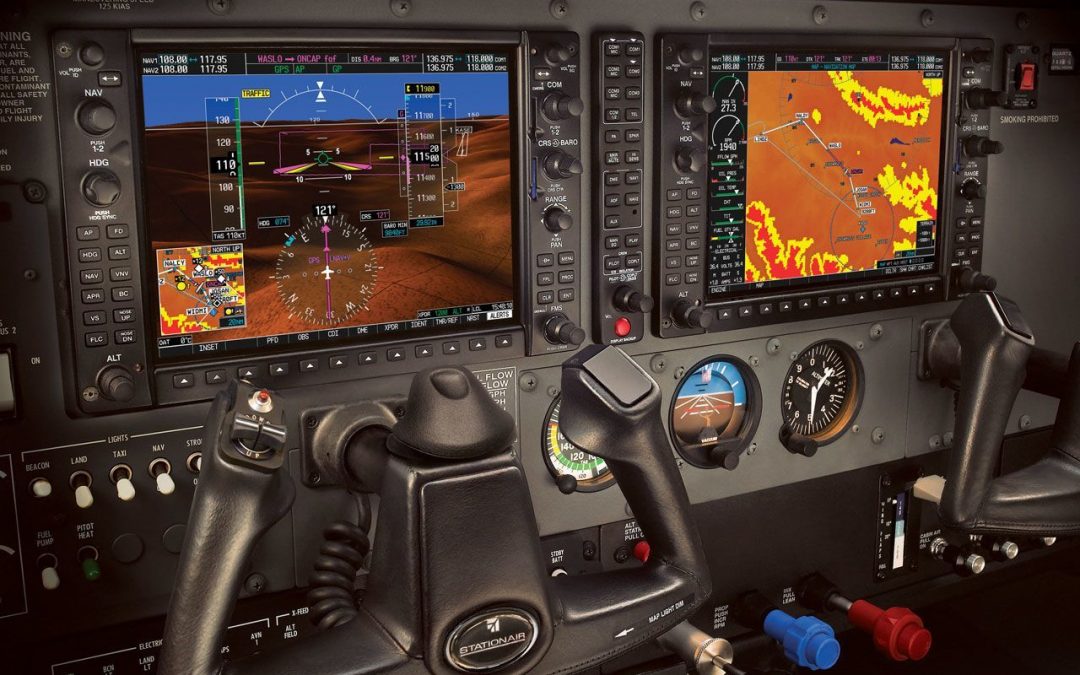
In recent years, general aviation has benefited from many innovations and technological advancements. We have seen glass cockpits become standard equipment on new aircraft. Satellite datalink weather now helps guide our inflight decision-making and diversion planning. Digital autopilots on Skyhawks now rival those found on the commercial airlines. NDBs and VORs have faded out of the spotlight as GPS and WAAS technology take over as the navigation source of choice…

by HPA | May 11, 2011 | All News, General News, Press Releases
The Master Instructors LLC takes pride in announcing a significant aviation accomplishment on the part of Brandon J Ray, the owner of High Performance Aviation and a resident of Conroe, Texas…
by HPA | Apr 8, 2011 | All News, Product Reviews, Training / Education
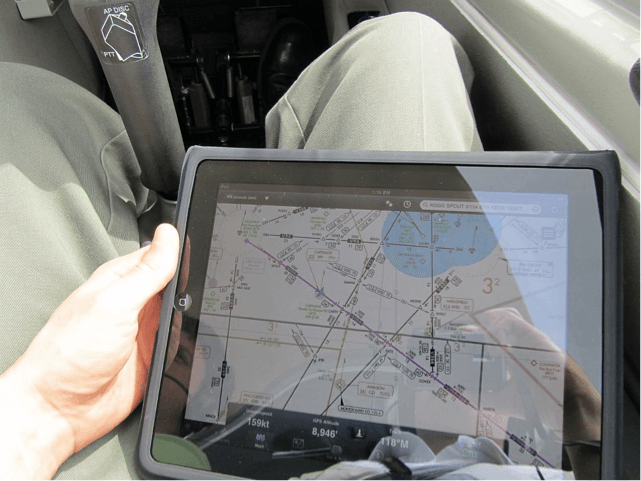
Technology is constantly changing the way that people access information. The same is true of pilots in the cockpit. Modern avionics systems often work with data subscriptions that are capable of providing weather information as well as terminal procedures charts…

by HPA | Mar 29, 2011 | All News, Cessna Articles, General News, Press Releases
Featuring the new Garmin G2000 Intrinzic flight deck with touchscreen controllers and 14.1″ displays. New leather seats; Garmin GTS-800 Traffic Advisory System; Garmin ESP; L-3 Trilogy backup instruments; ADS-B capability.
by HPA | Jan 24, 2011 | All News, Training / Education
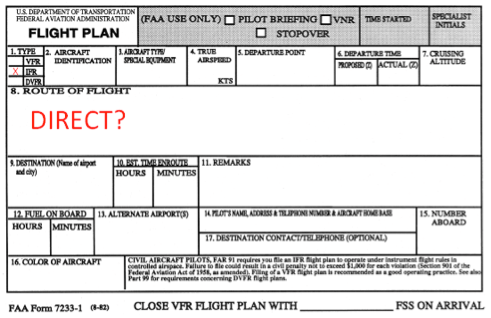
Before the advent of GPS, IFR flight plan routes were fairly limited. Pilots generally had to stay on airways or remain within the standard navaid service volumes if venturing off airway. Now a huge number of pilots are able to file /G on their IFR flight plans, meaning that the airplane has GPS and/or WAAS (Wide Area Augmentation System) with en route and terminal capability.
So, how does a pilot file IFR direct using GPS? The easiest way is to just put DIRECT in the route portion of your flight plan form, but is it the correct way? Let’s investigate.

by Brandon Ray | Nov 3, 2010 | All News, Cessna Articles, General News, Training / Education
High Performance Aviation, LLC travels with client to Colorado for some fun mountain flying in the G1000 equipped Cessna 400 Corvalis TT. Includes Colorado Springs, Leadville Lake County Airport, Aspen Pitkin County Airport, Glenwood Springs, and Telluride. KCOS — KLXV — KASE — KGWS — KTEX — KCOS. Fall 2010.
by HPA | Oct 31, 2010 | All News, Garmin Articles, Training / Education
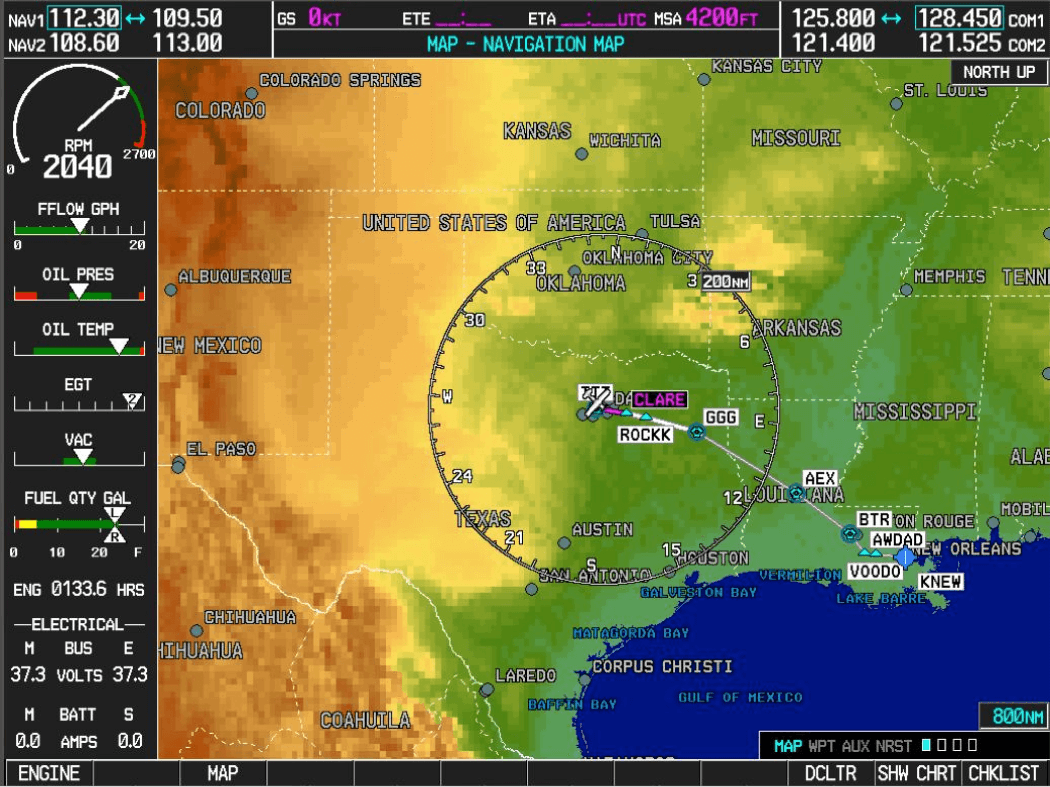
The Instrument Flying Handbook states that situational awareness is simply “knowing what is going on” (1-14). The Garmin G1000 is a great tool to help maintain situational awareness on an IFR flight. In order to fully realize the system’s potential, however, the pilot must be able to load an IFR flight plan on the G1000 that matches his or her route exactly. This includes the ability to load a departure, an airway, and an arrival. This training article will cover these topics as well as how to store a flight plan in the G1000 and recall it from the database. Our sample IFR flight will take us from Dallas Love (KDAL) to New Orleans Lakefront (KNEW)…
by HPA | Oct 19, 2010 | All News, Garmin Articles, Training / Education
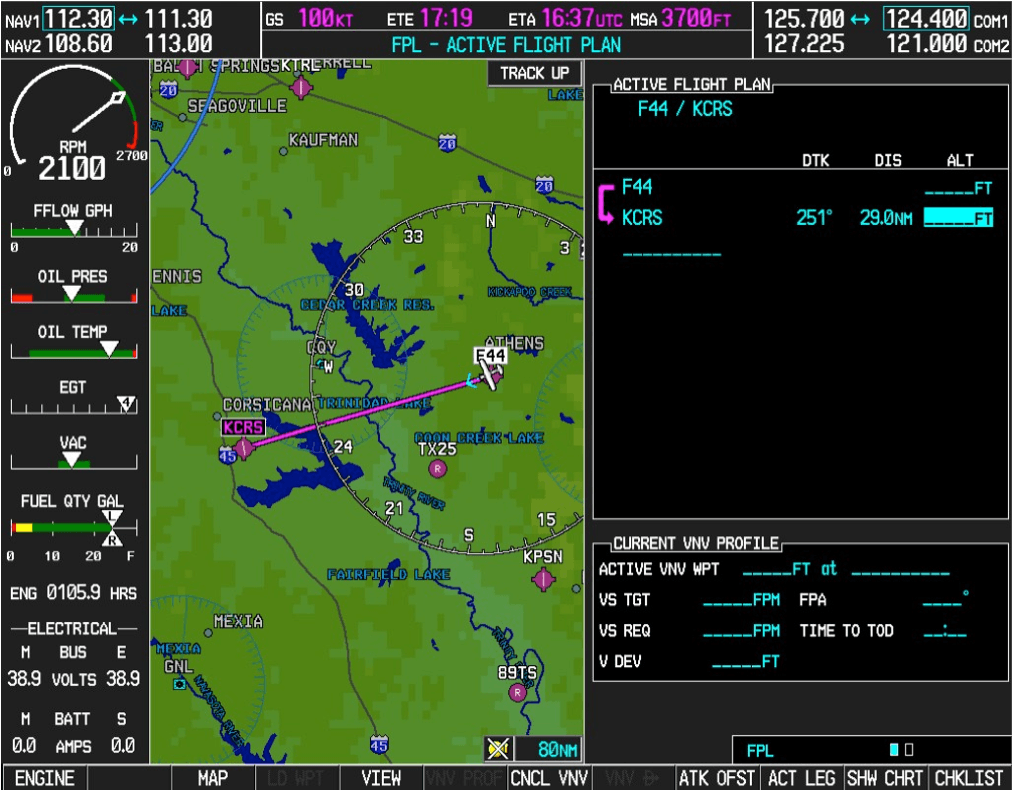
Airplanes are one of only a few types of vehicles that can truly operate in three dimensions. Because of this, the pilot must be able to plan his or her flight in order to arrive in the correct place (lateral navigation) at the appropriate altitude (vertical navigation). Poor descent planning may result in having to use abnormal techniques in order to land. Fortunately, good descent planning is not difficult. In fact, there are a number of ways to do it correctly…

by HPA | Oct 11, 2010 | All News, Events & Seminars
October 15-17, 2010. Fly-in for Cessna Advanced Aircraft Club at Fredericksburg, Texas – Hangar Hotel. Lancair, Columbia, and Cessna Corvalis owners and pilots are invited to participate.

by Brandon Ray | Aug 9, 2010 | All News, Product Reviews
Have you been considering a new headset? The new Bose A20 Aviation Headset is top-notch quality with several excellent features. Based on the previous Bose Aviation X, Bose took a great headset and made it even better. I just picked mine up at Oshkosh last weekend and have flown with it every day for the past week…
