
by HPA | Jul 9, 2012 | All News, Cirrus Articles, Training / Education
When I hear Williamsburg and Jamestown, Virginia, pilgrims and colonists are the first images that flash into my mind. I see Thomas Jefferson riding down dirt roads in between beautiful, huge homes with one of those white wigs on. I envision Indians lurking around the outskirts of town, some friends and some enemies. But then I remember, that was 200 years ago.

by HPA | Jun 22, 2012 | All News, Cirrus Articles, Training / Education
Cape Cod is beautiful. This was my first time seeing it and it was gorgeous, both from the ground and from the air. All the inlets and sailing boats dotting the landscape with all the green forests on the land added up to a spectacular landscape. We were able to take a day to fly out over the Cape, then down to Martha’s Vineyard for dinner, and that is a must do flight. Truly splendid.
by HPA | May 31, 2012 | All News, Training / Education
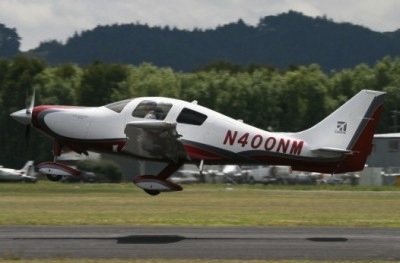
Every now and then, no matter what subject is under discussion, it is always good to revisit the basics. The basics are always taught in aviation as a pilot initially starts his flight training. Once he has his private, he may go on to instrument training, where more advanced instrument basics are taught. Approaches are flown with landings becoming an afterthought, since those were “mastered” (relatively speaking) back in private training. Thirty years down the road, he is a seasoned instrument pilot, but his landings are terrible. He may even scare himself. It’s time to go back to the basics.

by HPA | May 15, 2012 | All News, General News, Press Releases
High Performance Aviation, LLC has provided factory accepted flight training for aircraft owners throughout North America from the Lone Star Executive (Conroe, Texas) Airport for the previous two years. Now, High Performance Aviation is announcing its relocation to the Sugar Land Regional Airport so it will have a more prominent flight training base in the Houston area.

by HPA | May 15, 2012 | All News, Events & Seminars, General News
Gold Seal CFI, CFII Skip Warren of High Performance Aviation, LLC will discuss GPS systems and uses in navigation and approach procedures.
by HPA | May 9, 2012 | All News, Cirrus Articles, Garmin Articles, Training / Education
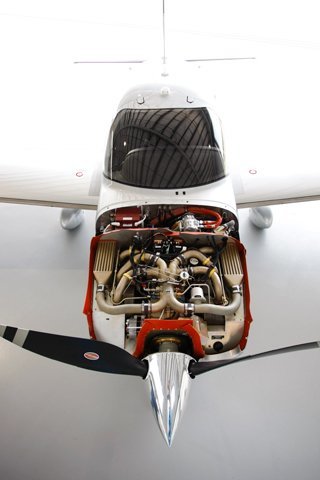
So, you’ve bought a new Cirrus. More than likely, it’s very different then what you have been flying. You’ve heard lots of rumors concerning landing it flat, touchy controls, something about a parachute, and an advanced glass panel setup. These rumors have you a little worried about taking it for a spin (not literally, of course). No need to fear, your local CSIP is here. A CSIP is factory trained by the Cirrus Aircraft Company and is certified to do factory transition training in all Cirrus aircraft.

by HPA | May 2, 2012 | All News, General News
Boerne, TX-They’ve done it! After several years of meticulous designing, extensive pro- totyping, and thorough testing, Texas Skyways latest and most exciting engine mod- ification is the installation of the famed Continental Top Induction, Tuned Injection 310 Horsepower IO- 550-N engine into the newer Cessna 182 S & T aircraft. The modification will include installing a Hartzell three blade “Buccaneer” propeller with an 82” diameter.

by HPA | May 2, 2012 | All News, General News
April 18th, Duluth, MN- Cirrus announces that the Cirrus Vision SF50 personal jet is a GO.
With the major commitment of funding in place, Cirrus is set to do it again.
This time re-inventing the Jet Age with the first single engine personal jet.
The countdown clock to first delivery starts today.

by HPA | Apr 12, 2012 | All News, General News, Press Releases
April 18 is the day.
Cirrus will be the story.
Within days, the world will hear news of a historic next step
in personal aviation.
See below to get a hint of what’s to come.

by HPA | Apr 12, 2012 | All News, Cessna Articles, Training / Education
From personal experience, New York City is a loooooong way from Houston, even in a Cessna Corvallis TT. Albeit, we did have a headwind the ENTIRE time, but, even without the headwind, the trip is a stretch for one day. Upon landing in White Plains, New York, we all decided that a two day trip instead of a one day trip would be preferred for next time.
by HPA | Apr 5, 2012 | All News, Cirrus Articles, Training / Education
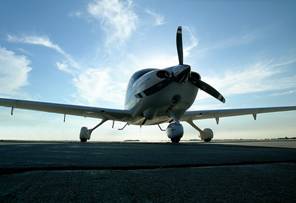
The nice thing about an Avidyne is that if you have any kind of instrument failure, the procedure is the same. The most likely failure will be a PFD or MFD failure. With a Garmin, when this happens, the two screens automatically merge into one on whichever display is operating. You’ll have the engine gauges and the flight instruments together, similar to how they look upon system start up.

by HPA | Mar 30, 2012 | All News, Cirrus Articles, Garmin Articles
The Cirrus factory, a mythical kingdom that a lucky few are able to enter and partake. Lo, I am here to say that, contrary to some, it is not a fairy tail conjured up by some rather imaginative pilots. No, it does exist in the bustling metropolis of Duluth, Minnesota. I was there recently for the Cirrus Standardized Instructor Program, training to become a CSIP. It was an exhilarating and exhausting experience, but I came out with everything in tact, thus able to be known from henceforth as an official CSIP. Here’s a little bit about my experience.
by HPA | Mar 15, 2012 | All News, Events & Seminars, General News, Press Releases
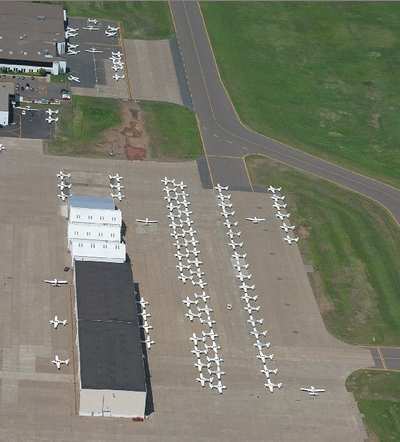
Don’t delay in registering for COPA’s Migration 10 – Homecoming July
5-8, 2012. In honor of celebrating our tenth Cirrus Owners and Pilots
Association Migration, we’re going back “home” to Duluth, Minn. – the
birthplace of all our Cirrus aircraft.
by HPA | Mar 10, 2012 | All News, Cirrus Articles, Training / Education
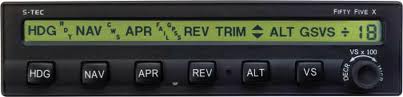
We talked last week about the Cirrus recommended procedure for briefing and flying instrument approaches. I hope you’ve had some time to practice some of the techniques presented there. If so, your approaches should look a lot more organized and streamlined! This week, we’re going to discuss what Cirrus recommends as far as using the S-TEC autopilot to fly approaches. I’m going to split the article up into how you would be flying the approach, either receiving vectors or flying directly to an initial approach fix. So, just turn that autopilot on, sit back and get ready to learn! (Note: All information below is taken from the Cirrus Flight Operations Manual for the SR20 and SR22).

by HPA | Mar 2, 2012 | All News, Cirrus Articles, Training / Education
A lot of pilots these days don’t get a lot of actual IFR time, so they don’t have to shoot many actual IFR approaches. This leads to pilots quickly getting rusty on approach briefings and procedures. Cirrus has published their Flight Operations Manual (FOM) to provide standardized guidance on how to perform all the normal flight maneuvers, including instrument approach guidance. To help knock some of that rust off, here’s an overview of the way Cirrus wants pilots to fly approaches in the SR22. (Note: All information below is taken from the Cirrus Flight Operations Manual for the SR20 and SR22).
by HPA | Feb 27, 2012 | All News, Events & Seminars, General News
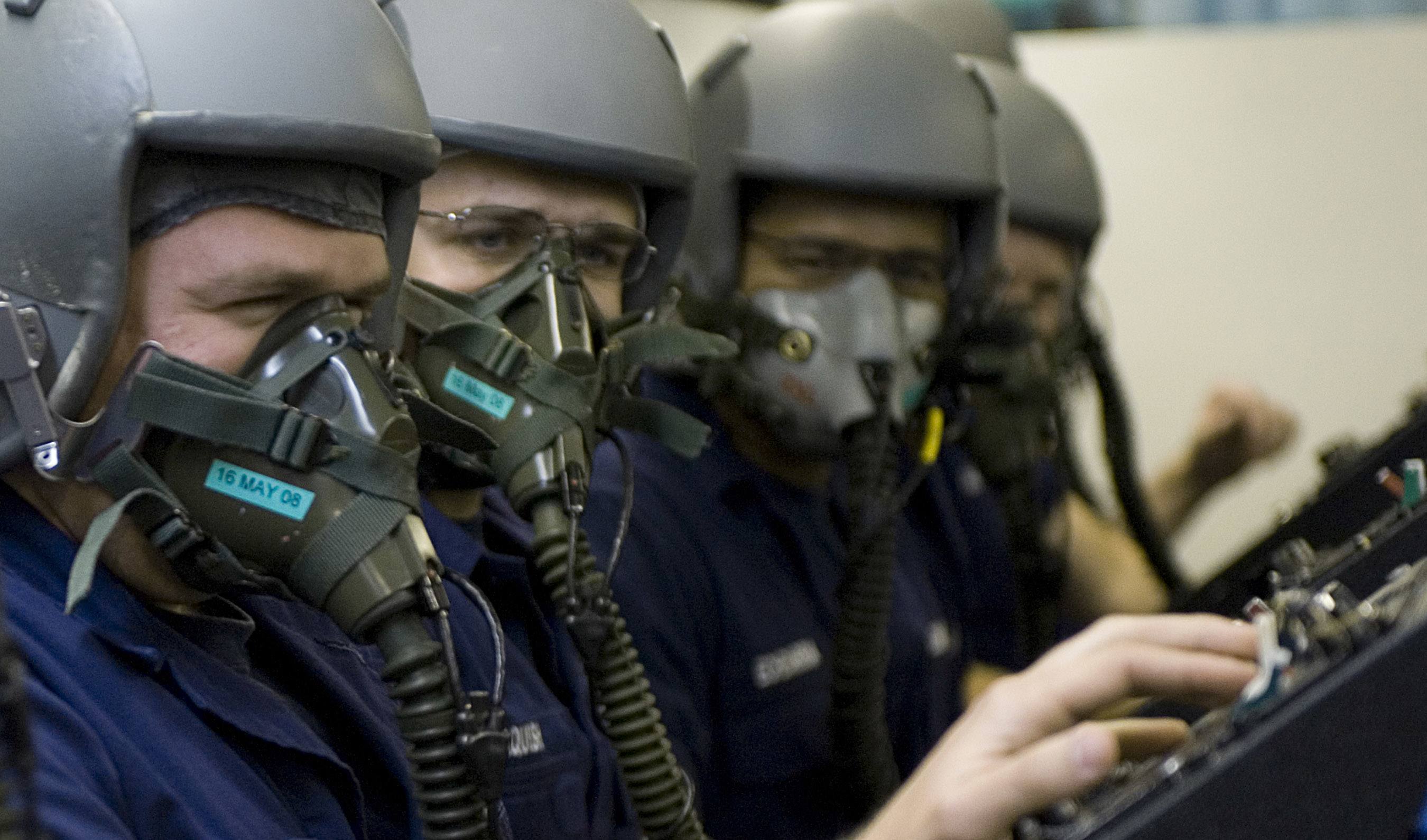
Our last event was a success, and we are happy to announce that we have arranged another trip to the altitude chamber at NASA in Houston, TX. This 1-Day event will be held on Monday, March 26th, and is free to participants.
