by HPA | Nov 20, 2011 | All News, Garmin Articles, Training / Education
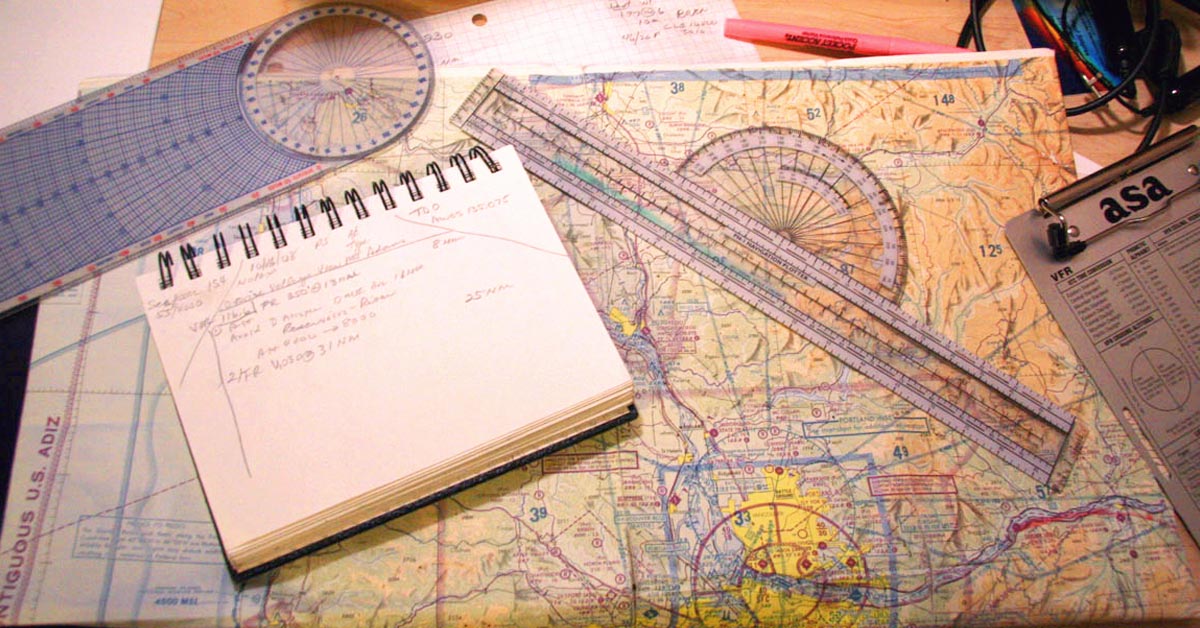
How much fuel does the airplane you are flying hold? This is a very important question that most pilots take for granted. Let’s keep things simple and use a Cessna Skyhawk for example. It holds 53 usable gallons of fuel. At an average cruise power setting, the airplane burns roughly 9 gallons an hour. That all adds up to approximately 5 hours and 48 minutes of fuel till the tanks run dry. Let’s say that you own the airplane and you and a co-worker fly it 4 days a week for work. With both of you in the front seats, you can take full fuel and don’t have to worry about weight and balance. The trip takes about four and a half hours, there and back, so you never have to worry about filling up until you get back home.
by HPA | Nov 14, 2011 | All News, Cessna Articles, Cirrus Articles, Garmin Articles, Training / Education
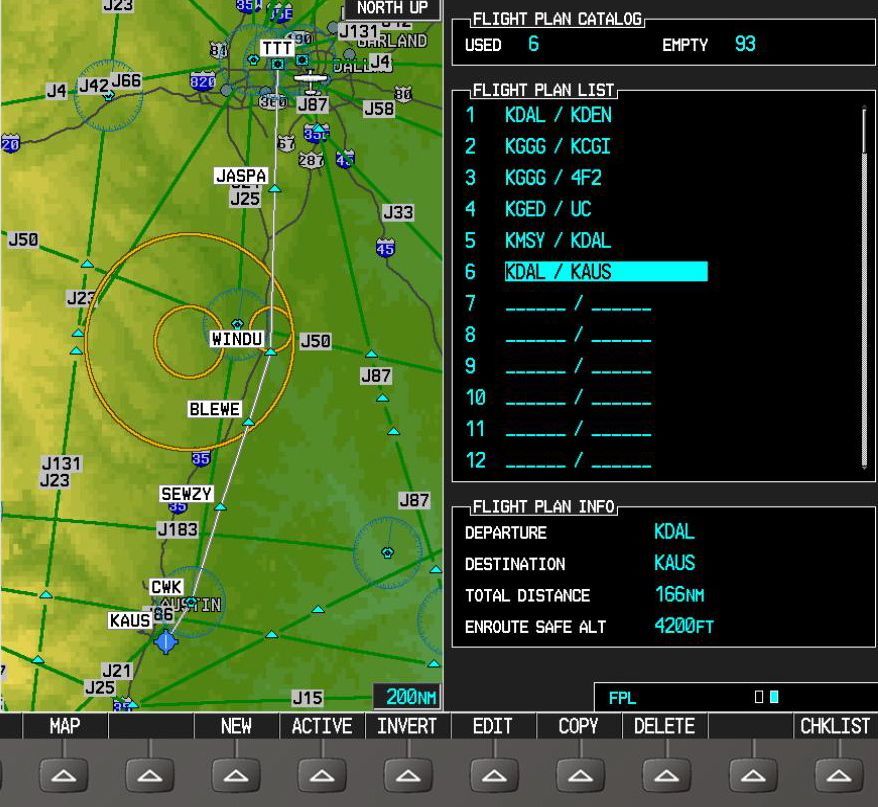
For you pilots out there, think back to your student pilot days. Think to that point between the first solo and the check ride. That point where you knew how to land safely (sort of), but you still had some more to learn. This is known as the cross country phase. During the cross country phase, every student pilot has to sit down and do a ground block with his instructor to learn how to create a cross country flight plan. It seemed quite complex at the time, what with drawing a course line and handling this overly complicated slide rule known as an E6B. Then there was the navigation log complete with ground speed and fuel calculations. It all seemed a little overwhelming, and that was before your instructor informed you that you had to figure all that out while flying!

by HPA | Nov 7, 2011 | All News, Garmin Articles, Training / Education
Flying by reference to instruments is a challenge that, once mastered, can be one of the ultimate pleasures in flying. Whenever a private pilot is in the pattern and, all of a sudden, another pilot comes over the radio with a snappy tone: “November Eight Bravo Bravo, visual, 23,” doesn’t envy pour into the blood? Being able to fly IFR has numerous advantages. One is the ease of planning. When working on a VFR cross country, once he figures out where he is going, a pilot has to break out his plotter, mark the course, possibly change sectionals, pick out check points, figure out the headings, do some E6B calculations, and then some. When planning an IFR cross country, victor airways are already outlined on the low en-route chart, so all the pilot has to do is figure out which one to use. The best part is, the headings on the charts already take magnetic variation into account! Plus, a GPS direct clearance makes everyone’s job easier…
by HPA | Oct 31, 2011 | All News, Cessna Articles, Garmin Articles, Training / Education
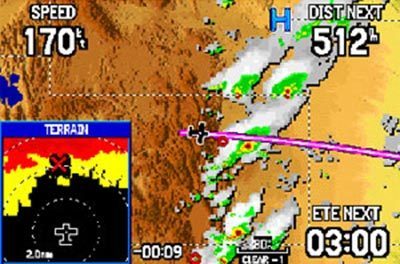
Jeff had just purchased his new Cessna Skylane, complete with a G1000 and a KAP 140 autopilot. Jeff was not completely comfortable with a G1000, but he had decided to splurge and go for the G1000, 182T NAV III model with a KAP 140 autopilot. He had scheduled some lessons for the following week to become more proficient…
by HPA | Oct 24, 2011 | All News, Cessna Articles, Garmin Articles, Training / Education
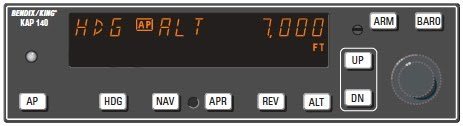
How many pilots out there have uttered curses under their breath trying to work the KAP 140 autopilot? The KAP 140 is great when it does what a pilot wants it to do, but sometimes, getting it to cooperate is a pain. Even the most experienced pilots still have gripes with this particular autopilot. It just does not work sometimes. Hopefully, after these next two articles, pilots will not be tempted to tear the autopilot out and drop it out the window from 6,000 feet.
