by HPA | Mar 15, 2012 | All News, Events & Seminars, General News, Press Releases
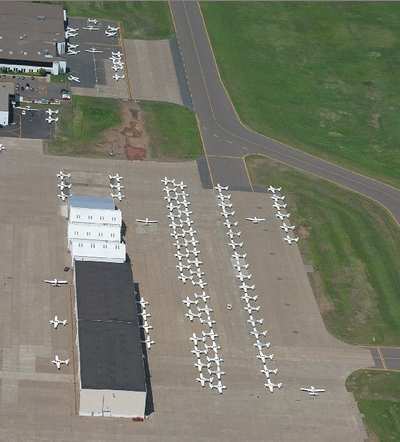
Don’t delay in registering for COPA’s Migration 10 – Homecoming July
5-8, 2012. In honor of celebrating our tenth Cirrus Owners and Pilots
Association Migration, we’re going back “home” to Duluth, Minn. – the
birthplace of all our Cirrus aircraft.
by HPA | Mar 10, 2012 | All News, Cirrus Articles, Training / Education
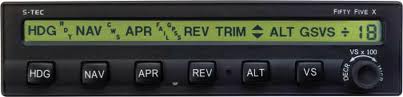
We talked last week about the Cirrus recommended procedure for briefing and flying instrument approaches. I hope you’ve had some time to practice some of the techniques presented there. If so, your approaches should look a lot more organized and streamlined! This week, we’re going to discuss what Cirrus recommends as far as using the S-TEC autopilot to fly approaches. I’m going to split the article up into how you would be flying the approach, either receiving vectors or flying directly to an initial approach fix. So, just turn that autopilot on, sit back and get ready to learn! (Note: All information below is taken from the Cirrus Flight Operations Manual for the SR20 and SR22).

by HPA | Mar 2, 2012 | All News, Cirrus Articles, Training / Education
A lot of pilots these days don’t get a lot of actual IFR time, so they don’t have to shoot many actual IFR approaches. This leads to pilots quickly getting rusty on approach briefings and procedures. Cirrus has published their Flight Operations Manual (FOM) to provide standardized guidance on how to perform all the normal flight maneuvers, including instrument approach guidance. To help knock some of that rust off, here’s an overview of the way Cirrus wants pilots to fly approaches in the SR22. (Note: All information below is taken from the Cirrus Flight Operations Manual for the SR20 and SR22).
by HPA | Feb 27, 2012 | All News, Events & Seminars, General News
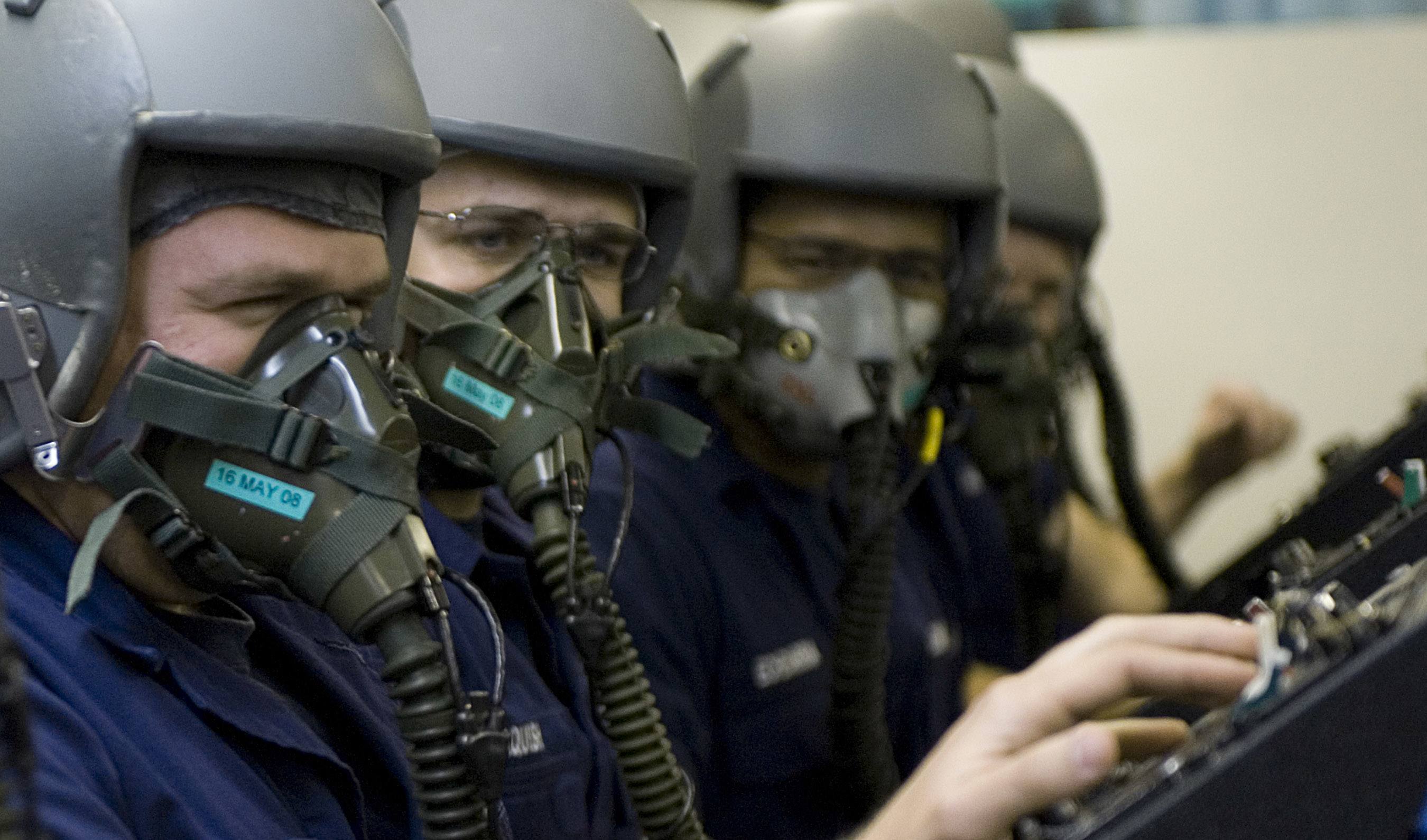
Our last event was a success, and we are happy to announce that we have arranged another trip to the altitude chamber at NASA in Houston, TX. This 1-Day event will be held on Monday, March 26th, and is free to participants.
by HPA | Feb 23, 2012 | All News, Training / Education
Most nights, and I emphasize most because this is not the case every night, you’re going to find very smooth, non-turbulent conditions. The sun has set, so there isn’t much heat rising up from the earth anymore, lessening those dreaded afternoon bumps in the summer time. Sometimes at night, turbulent conditions will still be present due to wind shear and thunderstorms, but, like I said, most of the time, you’ll get smooth air.
