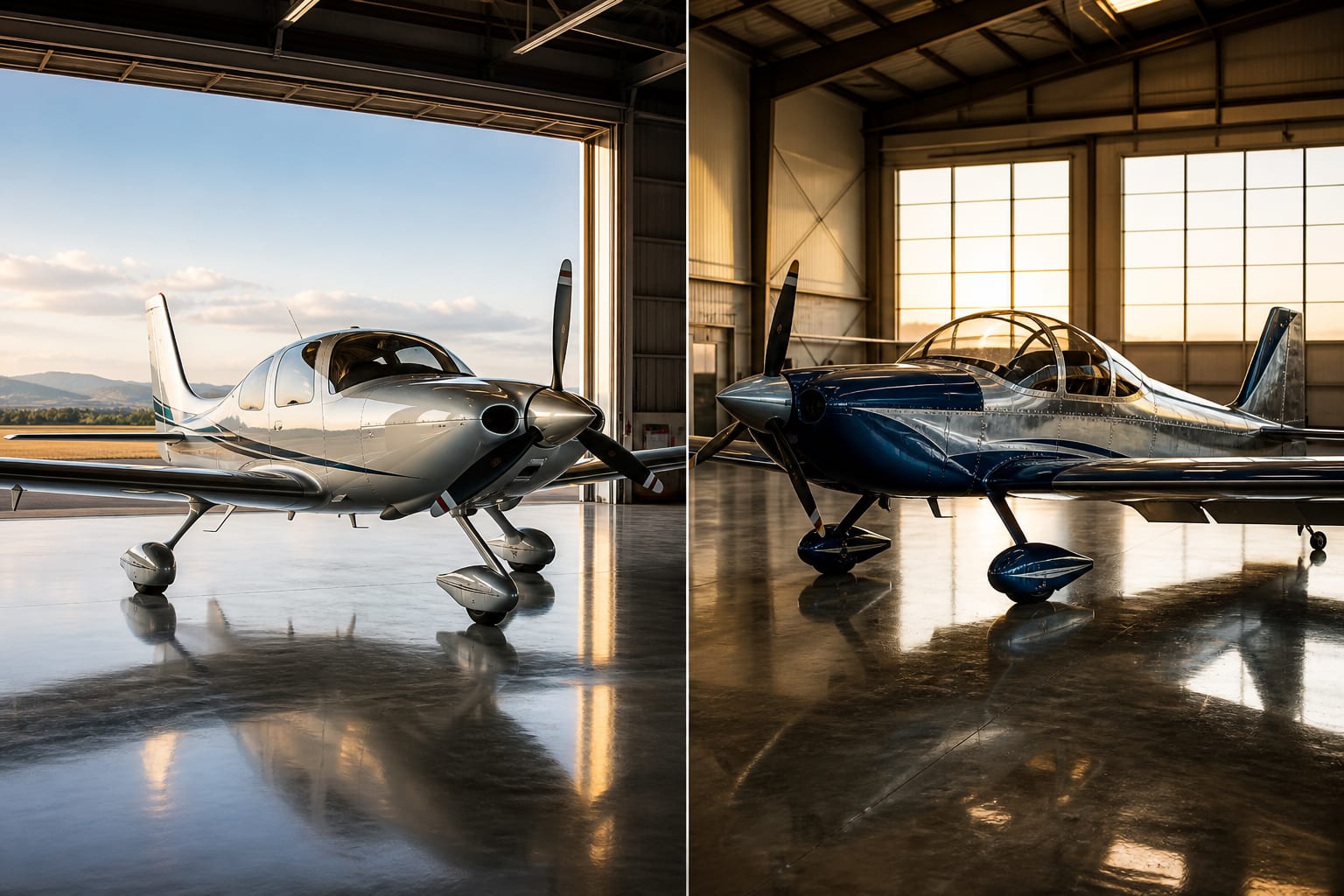
It's Monday morning, and before you've answered a single email, you're already behind, stuck in traffic on I-10 heading out of Houston, coffee going cold, your first meeting of the week slipping further away with every brake light. Now picture the same Monday, except you're wheels-up by 8 a.m., laptop open, landing in Austin before most people have finished their commute. For a small business owner making regular runs between Houston, Austin, San Antonio, Dallas, and New Orleans, a personal aircraft isn't a luxury. It might be the most strategic business decision you make this decade.
But before you start shopping for a Cessna 182 or a Cirrus SR22, there's a real thought process worth walking through. This isn't a sales pitch. It's a framework, the same kind of honest conversation I'd want someone to have with me before I committed to aircraft ownership.
Table Of Contents
- First, Let's Honestly Look at What Driving Is Costing You
- What Flying Those Same Routes Actually Looks Like
- The Big Fork in the Road: Will You Fly It, or Will Someone Fly You?
- The Financial Picture: Ownership, Operating Costs, and How to Think About ROI
- Practical Realities Before You Commit: Questions Worth Sitting With
- What the Decision Actually Comes Down To
- Ready to See What Flying Could Look Like for Your Business?
First, Let's Honestly Look at What Driving Is Costing You
Most business owners underestimate how much time they're surrendering to the road because the losses are incremental. It's not one brutal trip. It's the accumulation of dozens of them. Let's put some honest numbers on the table for your most common routes out of Houston:
Houston to Austin: 2.5 to 3 hours each way under normal conditions, more during peak traffic
Houston to San Antonio: 3 to 3.5 hours each way
Houston to Dallas: 3.5 to 4 hours each way, often longer through the DFW corridor
Houston to New Orleans: 5 to 5.5 hours each way, crossing into Louisiana on I-10
Now do the math on your own calendar. If you're making two trips per month to Austin, one to Dallas, and one to San Antonio, you're looking at somewhere between 30 and 40 hours per month in what I call "windshield time," hours that cannot be billed, delegated, or recovered. That's essentially a full work week every single month, gone.
The concept of windshield time as a hidden business cost is one that most small business owners feel intuitively but rarely quantify. When you put an actual number on it, the conversation about alternatives becomes much more concrete.
Time is the most visible cost, but it's not the only one. On a round trip from Houston to Dallas, you're looking at roughly 500 miles. That's real wear on your vehicle, real fuel costs, and a real maintenance burden accumulating over time. Then there's the fatigue factor. A three and a half hour drive to Dallas doesn't end when you park the car. It ends when you've had time to decompress, rehydrate, and mentally reset before your first meeting. Long drives degrade performance in ways that are difficult to measure but easy to feel. You arrive at a client meeting having already spent your best mental energy on the road.
Add in overnight hotel stays when a drive is too long to make same-day, and the cost picture gets even less flattering. The question isn't whether driving is expensive. It clearly is. The question is whether a better alternative exists and whether it pencils out for your specific situation.
What Flying Those Same Routes Actually Looks Like
Here's where the calculus starts to shift. In a capable piston single like a Cessna 182 or Cirrus SR22, those same routes look dramatically different:
Houston (Hooks Field or Sugar Land) to Austin (Austin Executive or ABIA): 45 to 60 minutes
Houston to San Antonio: 60 to 80 minutes
Houston to Dallas (Addison or Dallas Love Field area): 80 to 100 minutes
Houston to New Orleans (Lakefront Airport): 100 to 130 minutes
These are block time estimates and will vary based on winds, routing, and aircraft performance, but the order of magnitude shift is real. A trip that costs you five hours of driving becomes a fraction of that in the air. That's not a marginal improvement. That's a fundamentally different relationship with your schedule.
One point that often gets overlooked in this comparison is airport experience. When you fly general aviation, you're not dealing with TSA security lines, checked baggage, connection windows, or the unpredictability of commercial airline scheduling. You drive to the airport, preflight the aircraft, and go. On the arrival end, general aviation airports like Georgetown (near Austin), Kerrville (near San Antonio), Addison (near Dallas), and Lakefront (New Orleans) put you closer to many business destinations than the major commercial airports without the ground transportation headache on either end.
Compare that to the commercial airline alternative for these short regional hops: you're often looking at 4 or more hours door to door when you factor in check in, security, boarding, the flight itself, baggage claim, and a rental car. For Houston to Austin specifically, the commercial option barely makes sense at all.
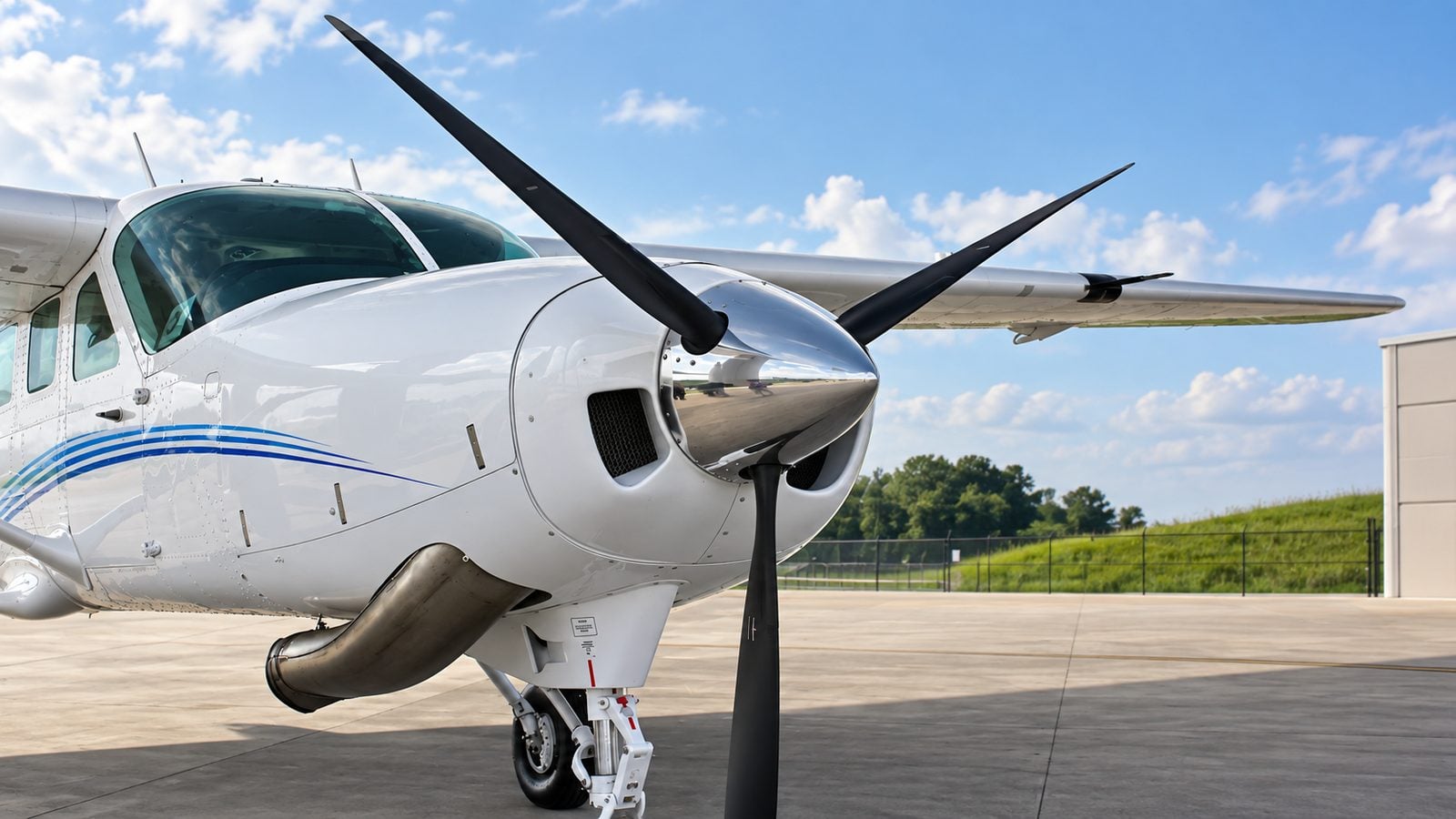
Both the Cessna 182 Skylane and Cirrus SR22 are legitimate candidates for this mission profile, and both have genuine strengths. The Cessna 182 cruises at approximately 145 to 155 knots, carries four occupants with reasonable useful load, and has one of the strongest safety and reliability records in general aviation. It's forgiving to fly, relatively affordable to operate, and the used market offers a wide range of options at various price points. For shorter legs like Houston to Austin or Houston to San Antonio, it's entirely capable.
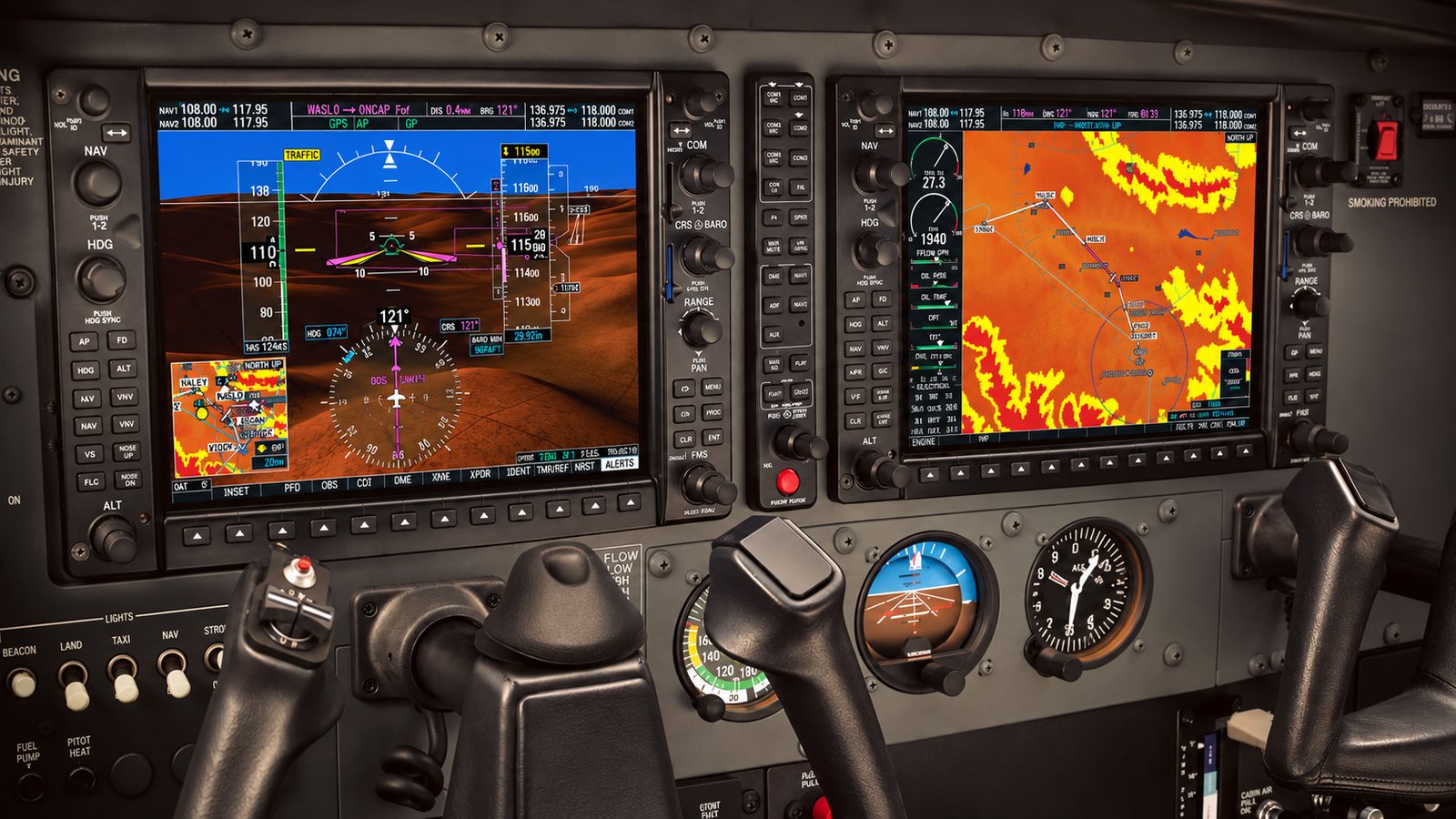
The Cirrus SR22 cruises in the 155 to 180 knot range depending on conditions and configuration, and brings a more sophisticated avionics suite and the Cirrus Airframe Parachute System (CAPS), a whole aircraft parachute that has saved lives in situations where other aircraft would have been lost. The speed advantage over a Cessna 182 is real but more modest than is sometimes assumed. On shorter legs like Houston to Austin, the difference in block time is measured in minutes rather than a dramatic transformation. Where the SR22 earns its premium more clearly is on longer legs like Houston to New Orleans, and in its overall capability in weather and modern systems. It costs more to acquire and more to operate, but for a business owner prioritizing those factors, it earns that premium.
Neither aircraft is universally "right." The right aircraft for you follows from your mission definition: trip frequency, passenger count, weather environment, budget, and whether you intend to fly it yourself. Define the mission first. Then select the aircraft.
The Big Fork in the Road: Will You Fly It, or Will Someone Fly You?
This is the most consequential decision in the entire process, and it deserves genuine nuance rather than a quick answer.
Earning a Private Pilot Certificate requires a minimum of 40 flight hours under FAR Part 61 [1], though most working professionals reach practical proficiency closer to 60 to 70 hours. The training process involves ground school, dual instruction, solo flight time, a written knowledge exam, and a practical checkride with an FAA examiner. For a busy business owner, expect the process to take 12 to 18 months when training fits around a full schedule.
The honest upside is significant: you control the schedule completely, you're not dependent on a third party, and the skill itself is deeply satisfying. Many owner pilots describe the training process as one of the most rewarding things they've done professionally and personally. The honest challenge is equally real. Training requires sustained time investment upfront, and staying proficient requires ongoing flying, not just occasional trips. Proficiency isn't a box you check once.
For a business traveler operating in Texas and Gulf Coast weather, an instrument rating is not optional. It's a practical necessity. Texas weather is dynamic, and a pilot limited to visual conditions will find their aircraft grounded on exactly the days they need it most. An instrument rating requires an additional 50 hours of instrument flight time under FAR Part 61 [1], and again, real world training typically exceeds the minimums.
The question worth sitting with honestly: Do you want to fly, or do you want to arrive faster? Both are completely legitimate answers. One leads to the cockpit. The other leads to the next option.
The owner with hired pilot model is more common than most people realize, and it's a fully functional arrangement for many business owners. In this structure, you own the aircraft, you control the schedule and the mission, and a contract or part time pilot handles the flying. You sit in the right seat or the back and work.
Contract pilot day rates vary considerably by market, aircraft type, and pilot experience level, so I'd encourage you to get actual quotes rather than rely on general figures. What I can tell you is that when you divide pilot compensation across the number of hours you're flying annually, it often remains cost competitive with the alternatives, especially when compared against commercial airline tickets, rental cars, and overnight hotel stays for the same trips.
Two non negotiable items in this arrangement: First, your aircraft insurance policy must explicitly cover non owner pilots. This is a conversation you have with your aviation insurance broker before anyone else gets in the left seat of your airplane. Second, the pilot you hire should have appropriate ratings and recent experience in your specific aircraft type, not just a certificate and a logbook.
This model works particularly well for owners who have high trip frequency, operate in complex weather environments, or simply want to maximize productivity during the flight itself.
Here's a reality that often gets overlooked: this doesn't have to be a binary decision. Many owner pilots train while simultaneously hiring a pilot for time sensitive or weather demanding trips. Some earn their private and instrument ratings, then bring in a contract pilot for high workload periods or trips that fall outside their personal minimums. Your position on the fly it yourself versus hire a pilot spectrum can evolve as your experience, currency, and comfort level develop. Start where you are. Build from there.
The Financial Picture: Ownership, Operating Costs, and How to Think About ROI
Aircraft ownership costs fall into two buckets. Fixed costs (hangar or tie down, insurance, annual inspection, and any loan payment) are present whether you fly 50 hours a year or 200. Variable costs (fuel, oil, routine maintenance, and the occasional unscheduled repair) scale with usage.
For a Cessna 182, annual fixed costs typically run in the range of $15,000 to $25,000 depending on location, insurance profile, and whether the aircraft is financed. Variable costs run roughly $80 to $120 per flight hour, with fuel being the dominant factor. A Cirrus SR22 carries higher numbers in both categories. Expect fixed costs in the $25,000 to $40,000 range annually and variable costs of $120 to $180 per hour or more, depending on fuel prices and maintenance history [2].
The most useful framing is cost per hour: divide your total annual cost by your projected annual hours flown. At 150 hours per year, ownership starts to look very different than at 50 hours per year. Below a certain threshold, charter or fractional ownership often serves you better financially.
On demand charter for a Houston to Austin or Houston to Dallas leg in a light piston aircraft typically runs $1,500 to $3,000 per trip depending on aircraft type and operator [2]. For occasional travel, that's a reasonable option with no ownership burden. But if you're making 8 to 12 trips per month across multiple cities, charter costs accumulate quickly and you lose all schedule flexibility.
Fractional ownership sits between charter and full ownership. You buy a share of an aircraft and pay monthly management fees plus occupied hourly rates. It reduces capital exposure but also reduces control. For a business owner whose travel patterns are predictable and frequent, full ownership typically delivers better economics and better schedule control.
The break even question (at what trip frequency does ownership make more sense than chartering) is one worth working through with actual numbers from your trip log. A sales consultant who understands both the aircraft market and your mission profile can help you run that analysis honestly.
Aircraft used for legitimate business travel can have meaningful tax implications, including potential depreciation benefits and deductibility of operating costs tied to business use. These are genuinely nuanced topics that vary based on your entity structure, business use percentage, and how the aircraft is titled and operated. Don't take tax advice from an aircraft salesperson. Consult a CPA or aviation tax specialist who has specific experience with aircraft ownership. The rules are specific enough that general business tax knowledge isn't sufficient.
Practical Realities Before You Commit: Questions Worth Sitting With
Before you make any decision, log your actual trips over the past six to twelve months. Not the trips you intended to make. The trips you actually made. Note the destination, the purpose, whether you stayed overnight, and what the total travel time was door to door. Seasonal patterns matter too. If your travel clusters heavily in certain quarters, that affects the ownership calculus differently than evenly distributed trips throughout the year.
Houston has multiple general aviation airports worth considering: Hooks Field (KDWH), Sugar Land Regional (KSGR), Pearland Regional (KLVJ), Conroe-North Houston Regional (KCXO), and Ellington Airport (KEDC) among them, each with different hangar availability, pricing, and proximity to your home or office. Hangar waitlists at popular Houston area airports are a real constraint. Don't assume you can secure covered storage immediately after purchase.
On the tie down versus hangar question: in Texas, where hail events can materialize with limited warning and humidity accelerates corrosion, hangaring your aircraft isn't optional. It's basic asset protection. Factor hangar costs into your ownership budget from day one.
Aviation insurers underwrite owner flown aircraft based on pilot total hours, hours in type, ratings held, and recent flight activity. A newly certificated pilot purchasing an SR22 will face meaningfully higher insurance costs and potentially coverage restrictions compared to a pilot with 500 hours and an instrument rating. Get an aviation insurance quote early in the process, before you fall in love with a specific aircraft. It will inform both your aircraft selection and your training timeline.
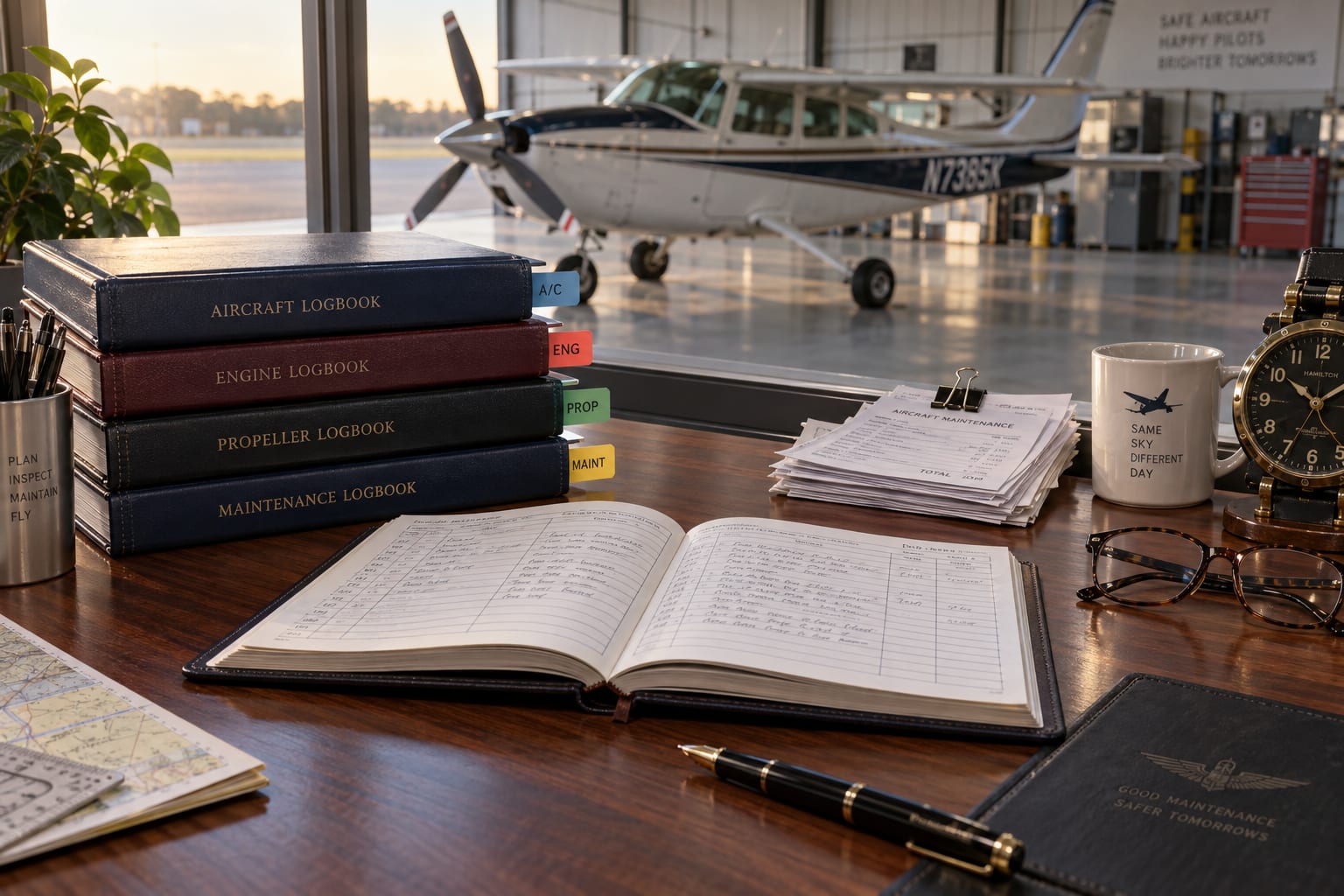
Aircraft ownership is not a passive investment. It requires attention to maintenance scheduling, airworthiness directive compliance, and annual inspection coordination. Many owners work with a trusted A&P mechanic or FBO for maintenance support, which helps, but the owner's responsibility for airworthiness doesn't transfer. Think of it less like owning a car and more like owning a boat: it rewards attentiveness and punishes neglect. If that kind of engagement fits your personality and bandwidth, ownership can be deeply rewarding. If it doesn't, a charter or management arrangement may serve you better.
What the Decision Actually Comes Down To
After walking through the time math, the aircraft options, the pilot versus hired pilot question, and the financial picture, most business owners find the decision comes down to three honest questions.
First: How much is your time worth, and how much of it are you losing to the road? If the answer is "a significant amount," the conversation about alternatives becomes much easier to justify financially and operationally.
Second: Do you want to fly, or do you want to arrive? Both are legitimate. One leads toward pilot training and the personal commitment that comes with it. The other leads toward a hired pilot, a management arrangement, or a different ownership structure where you're a passenger in your own aircraft.
Third: Can you commit to the operational and financial responsibility of ownership, or is a lighter touch model a better starting point? Charter and fractional ownership exist for good reasons. They're not consolation prizes. For some business owners, they're the right answer.
There is no universal right answer here. The business owner making three trips per month to Austin has a very different calculus than the one making twelve trips per month across all four cities. The variables are interconnected (aircraft type, pilot versus hired pilot, budget, trip frequency, hangar access) and they benefit from being evaluated together, not in isolation.
The road between Houston and the rest of your market isn't going anywhere. But the time you spend on it is entirely negotiable.
Ready to See What Flying Could Look Like for Your Business?
The best next step isn't buying an airplane. It's having an honest conversation about your specific mission, your real numbers, and the options that actually fit your life and your business.
At High Performance Aviation, LLC, our sales consultants work with business owners at exactly this stage of the decision, before the purchase, not after. We'll help you map your actual mission, evaluate the aircraft types that fit it, and think through the pilot versus hired pilot question with no pressure and no agenda other than helping you make the right call for your situation.
Bring your trip log, your questions, and your skepticism. We'll bring the answers.
Schedule a No Obligation Call with a Sales Consultant
Sources
Disclaimer: Some articles on this site are created with the assistance of AI technology.