MOSAIC Modernization: How New FAA Rules Will Transform Aircraft Ownership Opportunities
Table of Contents
- Understanding MOSAIC: The basics every aircraft owner should know
- Current light sport aircraft limitations vs. MOSAIC expansion
- Aircraft categories affected by MOSAIC rules
- Certification and maintenance changes under MOSAIC
- Financial impact: Costs and savings for aircraft owners
- Pilot certificate requirements and training changes
- Technology integration: Modern avionics in MOSAIC aircraft
- Market impact: What this means for aircraft values and availability
- Practical steps for current aircraft owners
- Comparing MOSAIC to international light aircraft standards
- Future outlook: Long-term implications for general aviation
- Frequently asked questions
- Recommendation and next steps
- Conclusion
Understanding MOSAIC: The basics every aircraft owner should know
What MOSAIC stands for and its core mission
MOSAIC stands for Modernization of Special Airworthiness Certification, and the FAA’s stated intent is to expand the scope of light-sport category aircraft and related operations to increase safety and access by moving to a performance-based framework that encourages owners to choose higher-assurance designs under industry consensus standards [1]. The agency frames MOSAIC as an expansion of the 2004 rule to include a wider range of aircraft, higher performance, and broader operating privileges tied to measurable criteria rather than fixed weight caps or equipment rules [1] [2].
Under MOSAIC, the light-sport construct shifts from rigid specifications to performance thresholds, most notably stall speed limits that define both airplane eligibility for sport pilot operations and certification criteria for new light-sport aircraft, while relying on consensus standards for compliance paths [1] [2].
Timeline: When these changes take effect
According to industry coverage, the FAA released the final MOSAIC rule in July 2025, with staged effective dates that matter for owners and pilots planning transitions [2]. The first milestone is October 22, 2025, when expanded sport pilot privileges become effective, followed by additional certification and manufacturing provisions on July 24, 2026 [3]. The prudent way to plan is around those two dates: operational privileges in October 2025 and certification-related changes in July 2026 [2] [3].
One clear date to circle is October 22, 2025, when the Experimental Aircraft Association projects that about three quarters of the general aviation fleet will be accessible to pilots exercising sport pilot privileges, assuming the aircraft meet the new performance and seating limits, with additional implementation steps following on July 24, 2026 [3].
Who benefits most from these new regulations
Owners and pilots who want capability with simplified pathways stand to benefit, because MOSAIC broadens eligibility for aircraft that can be flown under sport pilot privileges and opens the certification pipeline to more light aircraft designs guided by consensus standards, which the FAA expects to improve availability and access for recreational flying and training [1] [2]. Industry groups anticipate that modernizing the framework will attract more manufacturers and expand options for owners across both new and legacy segments [2] [3].

Current light sport aircraft limitations vs. MOSAIC expansion
Today's LSA weight and performance restrictions
Under the original light-sport construct, airplanes were limited to two seats and a maximum weight of 1,320 pounds for landplanes and 1,430 pounds for seaplanes, which constrained utility and excluded many safe, familiar certificated models from sport pilot operations [2]. Sport pilot operations were further constrained by equipment rules that generally prohibited retractable landing gear and constant-speed propellers, keeping many more capable designs out of reach unless pilots moved to higher certificate levels or different medical qualifications [2].
MOSAIC's proposed expanded definitions
MOSAIC replaces those rigid parameters with performance-driven criteria and broader allowances for design and operations, removing the specific weight limit, expanding seating to four for airplanes, opening the door to any aircraft class subject to consensus standards in a new regulatory part, and using stall speed thresholds rather than maximum weight to define eligibility [2]. This shift, combined with the expansion of sport pilot privileges, changes both the certification pathway for manufacturers and the practical options for owners and pilots choosing aircraft that fit their mission under sport pilot rules [2].
Speed, weight, and seating capacity changes
Two stall speed thresholds anchor the new approach. For pilots exercising sport pilot privileges, the clean stall speed must be no more than 67.9 mph calibrated airspeed. For certification of new light-sport aircraft, the landing configuration stall speed is capped at 70.2 mph, a distinction that preserves a wider development envelope for manufacturers while keeping sport-pilot-eligible airplanes within more conservative performance limits for operations [4] [5]. Airplanes in the light-sport context may now have up to four seats, and there is no longer a specific maximum takeoff weight in the rule, which is why many legacy and modern designs will now fall within reach for pilots exercising sport pilot privileges when performance limits are met [2].

Aircraft categories affected by MOSAIC rules
Expanded light sport aircraft definition
Light-sport is no longer confined to a narrow band of two-seat, fixed-gear, low-weight airplanes. Under MOSAIC, aircraft in any class can be brought under the framework, subject to the establishment of industry consensus standards under a new Federal Aviation Regulations part, which AOPA reports as Part 22, and the FAA’s approach decouples light-sport aircraft certification from any specific grade of pilot certificate to make these aircraft broadly attractive across certificate levels [2].
Experimental amateur-built aircraft changes
For homebuilts, MOSAIC delivers expanded freedoms. Pilots exercising sport pilot privileges can fly experimental amateur-built airplanes that meet the new performance parameters, not just aircraft with an LSA certificate, and can obtain logbook endorsements to operate retractable landing gear and airplanes with manually controllable-pitch propellers when the aircraft configuration calls for it [6]. Kitplanes also notes the rule answers long-sought maintenance questions for the homebuilt community, supporting continued vitality of the EAB sector as the implementation unfolds [6].
Previously certificated aircraft now eligible
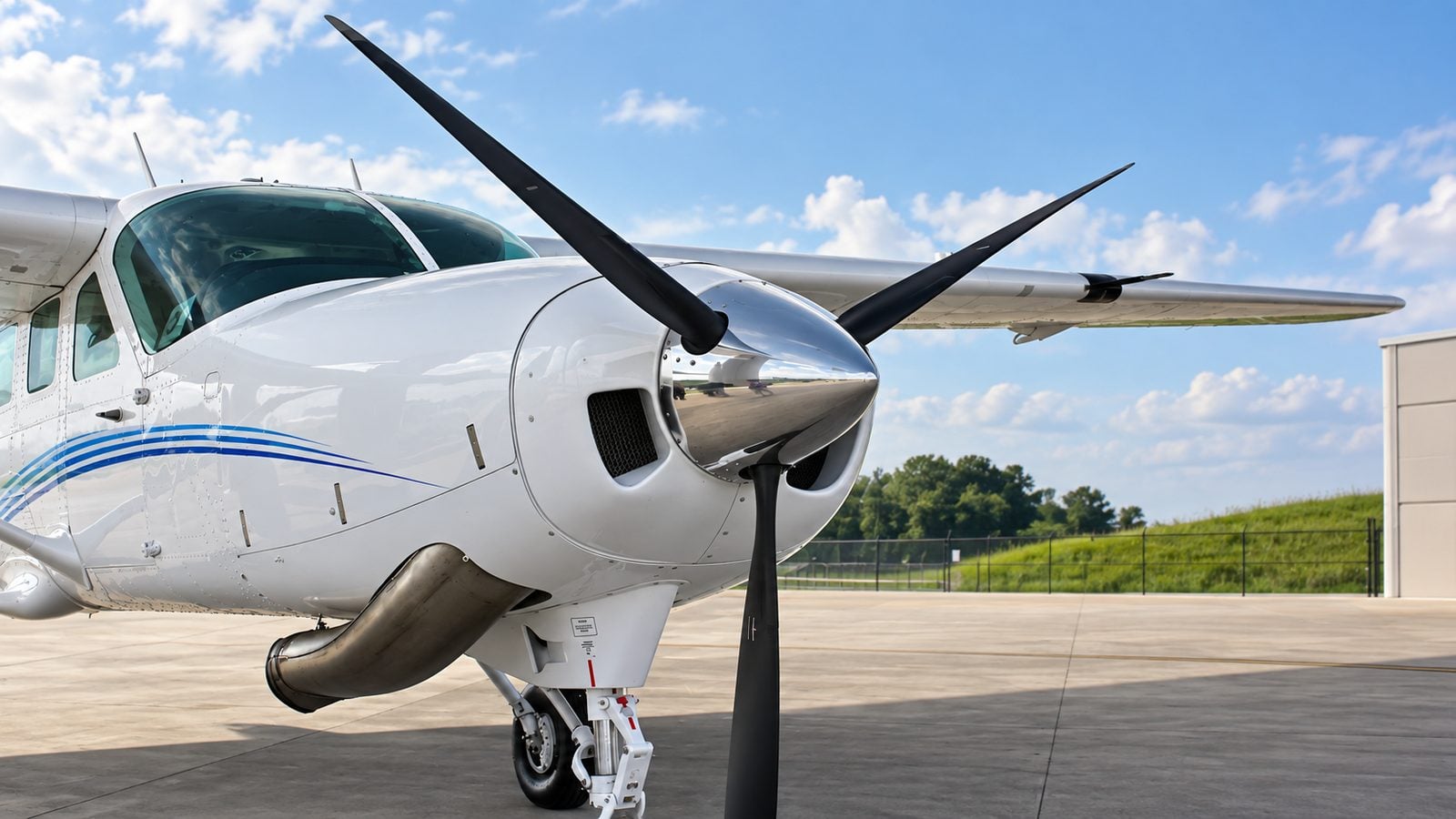
Perhaps the most tangible change for owners of legacy aircraft is that if a type-certificated airplane meets the clean-stall-speed threshold and falls within the seat limits, a pilot exercising sport pilot privileges can fly it while using a driver’s license in lieu of an FAA medical certificate or BasicMed, subject to existing passenger limits for sport pilot operations and aircraft configuration specifics [2] [8]. Industry examples often include models like the Cessna 182 or Piper Archer as potentially eligible, but only specific configurations that meet the clean stall speed limit of 67.9 mph and the four-seat cap qualify, so owners must verify POH or AFM performance data and the effect of modifications on VS1 before assuming eligibility [7] [5] [2].
Vintage and classic aircraft opportunities
Vintage types that were previously excluded due to weight or equipment can become viable for sport pilot operations if they meet the stall speed and seating rules, which means owners should evaluate the actual clean stall speed for their exact model and configuration and confirm that installed modifications do not push VS1 above 67.9 mph, since sport pilot eligibility hinges on that number [5] [2]. If the aircraft qualifies on performance and seat count, sport pilot privileges can be used irrespective of whether the airplane holds a legacy type certificate, because MOSAIC ties eligibility to performance rather than certification label for operational purposes [6] [2].
Certification and maintenance changes under MOSAIC
Simplified maintenance procedures for owners
MOSAIC explicitly addresses the manufacture, certification, operation, and maintenance of light-sport aircraft, and the FAA cites the safety record since 2004 to justify expanding scope and aligning to consensus standards to improve safety and access as owners select aircraft higher on the safety continuum [1]. The agency’s intent is to broaden the certification options available to manufacturers and operators while expanding operating privileges, with the goal of increasing the availability of safe, modern, and affordable aircraft for recreational aviation and training [1].
For the homebuilt community, industry analysis characterizes MOSAIC as delivering a long-sought solution on maintenance and operational flexibility that supports EAB growth, which is why owners should review how their maintenance and inspection programs align as implementation milestones arrive [6].
Expanded A&P mechanic privileges
MOSAIC’s endorsement of consensus standards and performance eligibility may give A&P mechanics clearer authority or expanded privilege on certain light-sport or experimental models, depending on certification status—check with the FAA and your maintenance provider as implementation progresses [6].
Owner-performed maintenance opportunities
Owners of aircraft qualifying under MOSAIC performance rules but not holding an S-LSA certificate should clarify, with help from their mechanic or IA, their opportunities for owner-performed maintenance or Condition Inspections vs. annuals, since these distinctions are preserved by aircraft type and certification status under FAA rules [6].
Equipment and avionics installation changes
Several equipment limitations that constrained both light-sport certification and sport pilot operations are removed. The final rule allows aircraft with constant-speed propellers and retractable landing gear within the expanded light-sport context, subject to appropriate training and endorsements for pilots, which opens the door to more sophisticated performance packages without requiring a change in pilot certificate level [4]. MOSAIC also shifts certification reliance toward industry consensus standards for light-sport, which affects how avionics and systems are evaluated and installed on new designs, so owners should confirm whether a particular aircraft is certified as a light-sport model under consensus standards or is a certificated or experimental aircraft that simply qualifies to be flown under sport pilot privileges, because that distinction matters for upgrade approvals and maintenance planning [2] [8].

Financial impact: Costs and savings for aircraft owners
Reduced maintenance and certification costs
The FAA’s stated objective is to increase the availability of safe, modern, and affordable aircraft for recreational and training use by expanding light-sport’s scope and modernizing certification frameworks, which is expected to foster more models and configurations at more price points as the market responds [1] [2]. The EAA underscores that MOSAIC expands the potential for new aircraft entering the market and increases flexibility for owners, including ready-to-fly and almost-ready-to-fly options that can address diverse missions [3].
From an owner’s standpoint, that translates into more choices and the ability to optimize for mission fit rather than contorting to a narrow definition that previously excluded many useful aircraft on paper, particularly as more designs align with the performance envelope defined by the new stall speed and seat-count limits [2] [3].
Insurance implications for MOSAIC aircraft
On insurance, signals so far are measured but positive. AOPA’s insurance coverage reports that carriers are anticipating the changes and generally do not expect widespread disruption for pilots who choose to exercise sport pilot privileges in qualifying aircraft, but standard underwriting still applies and details matter [7]. As a practical example, some Cessna 182 or Piper Archer aircraft may qualify based on clean stall speed and seat count, and insurers indicate that pilots transitioning from a third class medical or BasicMed to driver’s license medical for such aircraft are unlikely to jeopardize coverage solely by switching medical posture, provided the aircraft configuration meets eligibility and the pilot remains within policy requirements, which must be confirmed with a broker [7].
Resale value effects on current aircraft
I am careful not to predict price charts. That said, as eligibility expands to include a large portion of the GA fleet under sport pilot privileges, airplanes that clearly meet the stall speed and seating thresholds may appeal to a broader pilot base, which can support relative value compared to similar models that do not qualify, with the usual caveats about condition, avionics, and market cycles [3]. Owners should document stall speed data and configuration clearly, using POH metrics for VS1 and noting any modifications that affect performance, to help prospective buyers verify MOSAIC eligibility [5].
New purchase opportunities and market expansion
Because MOSAIC opens up four-seat airplanes within a performance envelope and removes weight as a hard limit, missions that once demanded higher certificate-and-medical combinations now come within reach of pilots exercising sport pilot privileges, subject to passenger and performance limits [2]. Pair that expansion with the FAA’s push for modern, affordable light aircraft through consensus standards and the market is poised for a broader range of models that bridge training, personal travel, and recreational use, which owners can plan for in upcoming acquisition cycles [1] [3].

Pilot certificate requirements and training changes
Sport pilot privileges expansion
Sport pilot privileges expand in meaningful ways. Pilots operating under these privileges may fly aircraft with a clean stall speed up to 67.9 mph calibrated airspeed and with up to four seats in the airplane category, subject to performance limits and ongoing passenger restrictions for sport pilots, which remain in place even when more seats are installed [4] [2] [8]. The rule also removes equipment-based constraints by allowing operation of aircraft with retractable landing gear and manually controllable-pitch propellers when pilots hold the appropriate endorsements, and night operations are permitted with proper training and an endorsement, which significantly broadens the type and capability of airplanes a sport pilot can legally fly within the performance envelope [4] [6].
To avoid confusion, note that MOSAIC’s allowances for more capable airplanes and complex equipment do not change the separate regulatory definition of a high performance airplane, which is typically an airplane with more than 200 horsepower, nor do they grant new high performance privileges to sport pilots; the MOSAIC changes focus on performance-based eligibility and endorsements for systems like gear and propellers, plus night operations [2] [4].
Training requirements for new aircraft categories
With expanded capability comes training. To operate aircraft equipped with retractable landing gear or a manually controllable-pitch propeller under sport pilot privileges, pilots must obtain appropriate logbook endorsements that document training and proficiency in those systems, and night operations similarly require training and an endorsement [6] [4]. Owners should plan structured transition training that includes systems knowledge, performance and energy management at the new stall speed limits, and night procedures if applicable, aligned to insurer expectations and personal minimums [7] [4].
Medical certificate considerations
One of the most practical benefits for many owners is the ability for pilots to fly qualifying aircraft under sport pilot privileges without an FAA medical certificate or BasicMed, provided they meet the driver’s license medical requirement, which industry sources say should not disrupt coverage for pilots who previously flew under third-class or BasicMed when they move to driver’s license medical in eligible aircraft, subject to standard underwriting [7]. Confirm your aircraft’s clean stall speed and seat count and coordinate early with your broker before changing your medical posture [7].
Transition training for current pilots
- Systems differences training for retractable landing gear, propeller control, and higher cruise speeds.
- Performance and energy management techniques that respect the 67.9 mph clean stall speed boundary for eligible aircraft.
- Night operations training, endorsement, and currency if you intend to fly after sunset.
- Personal minimums and proficiency checks that satisfy both safety needs and insurer expectations.

Technology integration: Modern avionics in MOSAIC aircraft
Advanced avionics now permitted
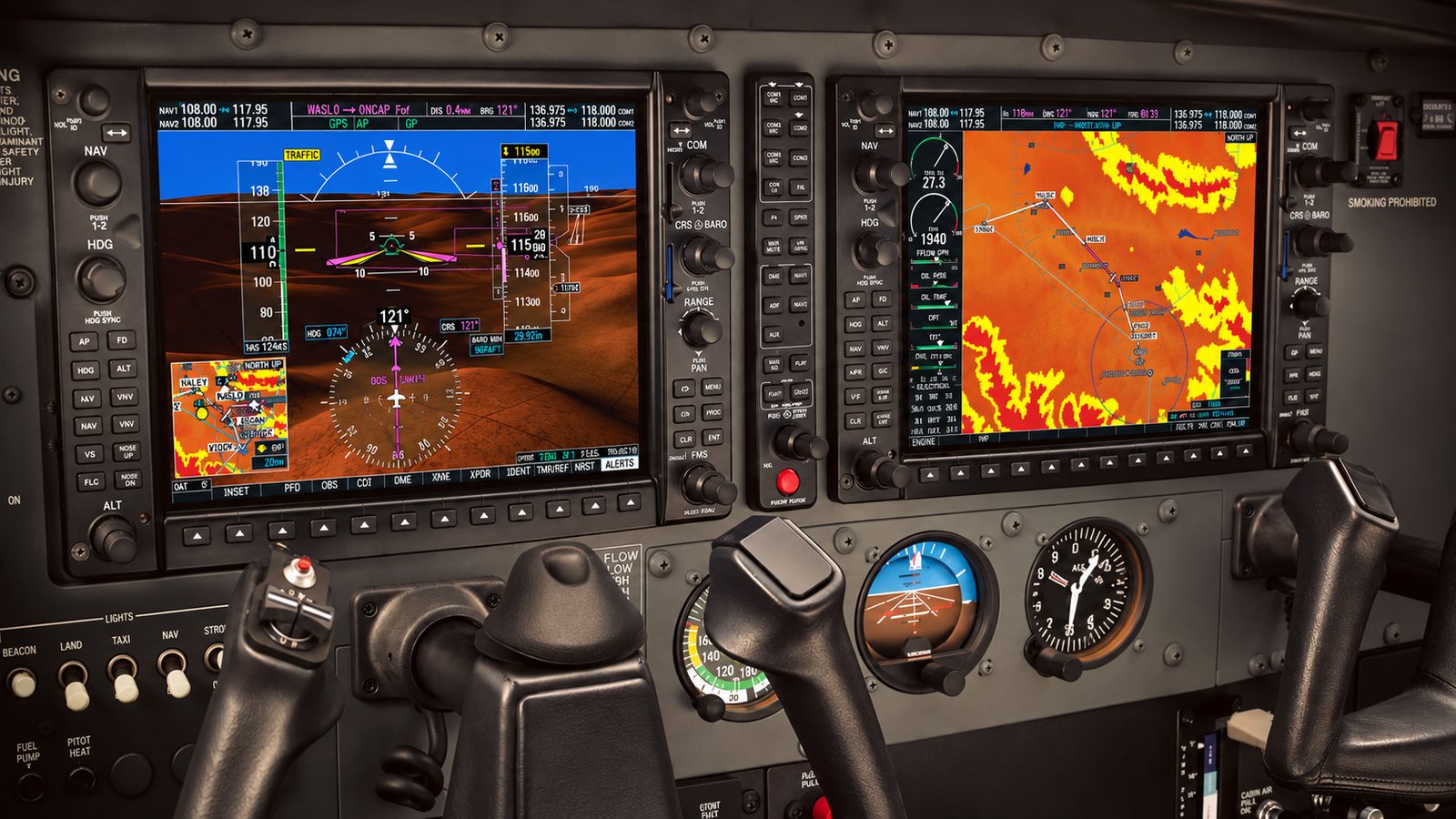
By removing restrictions on constant-speed propellers and retractable landing gear, MOSAIC clears a significant equipment bottleneck that previously discouraged owners from choosing certain designs, and adds night operations with training and an endorsement, which makes a much broader technology envelope available without changing a pilot’s certificate level [4]. These changes allow owners to select airplanes that better match mission needs within the performance limits for sport pilot operations [2] [4].
Safety technology integration
Installation and certification processes
Because MOSAIC leans on industry consensus standards for light-sport certification under a new part, owners considering new LSA designs should confirm how avionics and other systems are documented, tested, and supported under that standard, and should be clear on whether a particular aircraft is LSA-certified or is a certificated or experimental aircraft that simply qualifies for sport pilot operation based on performance [2]. As Sean Elliott notes in Aviation News Talk, this distinction matters for maintenance programs, avionics approvals, and resale disclosures, and it is not automatic under MOSAIC [8].
Cost-benefit analysis of upgrades
When evaluating upgrades for an eligible aircraft, consider how added equipment might affect stall speed and weight, even though weight is no longer a hard cap, because stall speed thresholds remain the governing performance criteria for sport pilot use, and changes to VS1 or VS0 need to be understood and documented to preserve eligibility [5] [4]. Before committing to modifications, verify whether the changes alter clean or landing stall speeds and keep those figures in your records, ideally supported by POH or AFM references or manufacturer guidance [5].
Market impact: What this means for aircraft values and availability
Effects on current LSA market values
As more aircraft become eligible for sport pilots to fly, existing LSA models will see new competition from legacy certificated types and experimental amateur-builts that meet the performance criteria, which could shift relative demand across segments as the FAA works to increase availability of modern, affordable aircraft [1] [4]. Industry voices expect MOSAIC to unlock innovation and expand opportunities rather than compress the market, though model-specific dynamics will vary with performance, equipment, and training requirements [4].
New aircraft development opportunities
The combination of performance-based rules, a four-seat allowance, and consensus standards opens the door to new two to four-seat designs aimed at training, personal travel, and recreation, which industry groups describe as transformative because it encourages innovation and broadens participation by aligning certification with measurable performance outcomes [4] [2]. The EAA also highlights the expanded potential for new aircraft entering the market under these frameworks, which owners should anticipate as manufacturers adjust pipelines [3].
International aircraft import possibilities
MOSAIC’s performance-based design philosophy may align well with select international aircraft now eligible for import and use in the U.S. under the new standards. However, reciprocity of privileges for U.S. pilots/operators under foreign rules is not automatic and must be checked with local authorities before operating abroad.
Manufacturer response and new models
Stakeholders emphasize that MOSAIC strengthens the future of the light aircraft ecosystem by creating more accessible pathways for new participants and supporting those seeking to sustain aviation careers, consistent with the FAA’s intent to expand safe access and motivate adoption of higher-assurance designs guided by consensus standards [4] [1]. Expect manufacturers to align product strategies with the new performance envelope and four-seat limit in the light-sport context [2].
Practical steps for current aircraft owners
Evaluating your current aircraft for MOSAIC benefits
Start with the numbers. Determine your aircraft’s clean stall speed (VS1) from the airplane flight manual or reliable factory data, and convert it to miles per hour calibrated airspeed; if VS1 is 67.9 mph or less and the airplane has four seats or fewer, it likely falls within the new sport pilot performance envelope for operations, subject to passenger limits for sport pilots [5] [2] [4] [8]. For certification context, check VS0 as well, since a 70.2 mph landing configuration stall speed is the threshold for new LSA certification of designs, which is separate from operational eligibility [5] [4].
Documentation and paperwork requirements
Do not assume an aircraft’s certification status changes automatically under MOSAIC. Verify whether your aircraft is certified as a light-sport model under consensus standards or remains a type-certificated or experimental amateur-built aircraft that can be flown under sport pilot privileges based on performance, because that distinction affects maintenance programs, avionics approvals, and resale disclosures [8] [2]. When in doubt, consult the manufacturer, a knowledgeable A&P or IA, or a trusted dealer for documentation that supports your MOSAIC assumptions [2].
Working with mechanics and inspectors
Brief your mechanic on your plan to leverage MOSAIC privileges and confirm that planned maintenance or modifications preserve compliance with the stall speed thresholds and seating configuration, because seemingly small changes can alter VS1, which is the key eligibility number for sport pilot operations [5]. Ask for documentation that reflects any changes affecting performance and include a MOSAIC eligibility summary in your logbooks and sales packet if you plan to market the aircraft, which can streamline buyer due diligence [5].
Timeline for implementation
Use the timeline to stage decisions. Expanded sport pilot privileges begin October 22, 2025, and additional certification and manufacturing provisions follow on July 24, 2026, which gives owners time to plan training for endorsements, arrange pre-buys, and schedule upgrades that preserve eligibility [2] [3]. The window between those dates is ideal for POH verification, maintenance planning, and insurance consultations so you can leverage the changes as they become effective [7] [3].
Comparing MOSAIC to international light aircraft standards
European light aircraft standards comparison
MOSAIC reflects a broader regulatory interest in performance-based approaches to light aircraft, but this article focuses on United States rules; do not assume reciprocity of privileges internationally without explicit confirmation from local authorities, and coordinate with those authorities before operating outside the United States.
Canadian and Australian regulatory approaches
Regulations in Canada and Australia continue to evolve, but each country's approach to light aircraft diverges in terms of weight and performance limits, often requiring separate compliance and approval. U.S. MOSAIC eligibility does not guarantee acceptance abroad; confirm before operating internationally.
How MOSAIC aligns with global trends
Global regulatory trends are increasingly focused on measured performance-based aircraft eligibility, and MOSAIC puts the U.S. on a parallel if distinctive path; careful operator verification and international engagement are necessary for those with global flying or export ambitions.
Future outlook: Long-term implications for general aviation
Expected growth in pilot population
Innovation in aircraft design and manufacturing
By expanding the light-sport framework and modernizing certification, the FAA explicitly aims to increase the availability of modern aircraft and encourage owners and builders toward designs higher on the safety continuum, which should support innovation and a more diverse market of capable, efficient light airplanes guided by consensus standards [1] [2].
Regional and recreational flying expansion
The ability to operate at night with training, use more complex equipment with endorsements, and carry an additional passenger within the four-seat cap expands mission profiles for sport pilot operations, which should translate into more regional trips, more training utility, and more reasons for owners to keep flying within a familiar certificate framework [4] [2] [8].
Economic impact on aviation communities
Industry leaders view MOSAIC as unlocking participation and strengthening the ecosystem by expanding access, which can support flight schools, maintenance shops, avionics providers, and airport communities as more aircraft types become practical for training and personal travel under simplified pilot-privilege models, with secondary effects on hangar demand, training activity, and upgrade cycles as the rule takes effect [4] [1] [3].
Frequently asked questions
Will my current LSA become more valuable under MOSAIC rules?
Can I convert my certificated aircraft to LSA status under MOSAIC?
What additional training will I need as a sport pilot under MOSAIC?
How will insurance costs change for MOSAIC-eligible aircraft?
When can I start taking advantage of MOSAIC rules, and what's the approval process?
Recommendation and next steps
- Verify performance: Confirm VS1 (clean) at or below 67.9 mph CAS for sport pilot operations and VS0 (landing configuration) at or below 70.2 mph if you are targeting new LSA certification; document the numbers from the POH or AFM and note seat configuration at four or fewer for airplanes [5] [4] [2].
- Match the mission: Map your mission profile against the MOSAIC envelope, including occasional four-seat use and night capability under endorsements, and confirm your candidate aircraft supports those needs within the performance limits [2] [4].
- Plan endorsements: Schedule training and endorsements for retractable landing gear, manually controllable-pitch propellers, and night operations as required by your aircraft and mission, and align this plan with insurer expectations [6] [4] [7].
- Distinguish status vs. eligibility: Determine whether you are acquiring an LSA-certified aircraft under consensus standards or a certificated or experimental aircraft that you will operate under sport pilot privileges; this affects maintenance programs and upgrade pathways [8] [2].
- Coordinate with pros: Consult your insurance broker about any transition to driver’s license medical and confirm policy alignment, and brief your mechanic on preserving stall speed compliance through maintenance and modifications, with clear documentation in the logs [7] [5].
- Time your move: Sequence training, acquisition, and upgrades around the October 22, 2025, and July 24, 2026, effective dates so you can capitalize on expanded privileges as soon as they are in force [2] [3].
Conclusion
In one line, MOSAIC’s headline changes are performance-based stall speed limits for eligibility, a four-seat allowance for airplanes in the light-sport context, and the removal of equipment restrictions like fixed-pitch-only props and fixed gear, all supported by consensus standards for certification [2] [4] [1]. For owners, the outcome is more options, more capability within a familiar pilot framework, and a certification structure designed to bring modern, affordable aircraft to market [1] [2]. If you own or plan to buy, verify the performance numbers, plan the necessary endorsements, confirm your aircraft’s certification versus operational status, and align your insurance and maintenance programs with your MOSAIC strategy so you are positioned to benefit from day one of the new rules [5] [8] [7].
If you are evaluating whether to upgrade, buy, or reposition your current aircraft under MOSAIC, I can help you analyze eligibility, source the right airplane, structure transition training, and navigate insurance. Let’s talk about your mission and build a MOSAIC-informed ownership plan that gets you the most capability for the least complexity.
Sources
- FAA MOSAIC Final Rule Issuance
- AOPA - MOSAIC Explained FAQ
- EAA - MOSAIC Aircraft Certificate
- AVweb - MOSAIC Expands Sport Pilot Privileges & LSA Criteria
- Gleim Aviation - Understanding the New MOSAIC Stall Speeds
- Kitplanes - What MOSAIC Means for Homebuilts
- AOPA - MOSAIC Unlikely to Disrupt Insurance Coverage
- Aviation News Talk Podcast - How All Pilots Benefit from New MOSAIC Rules