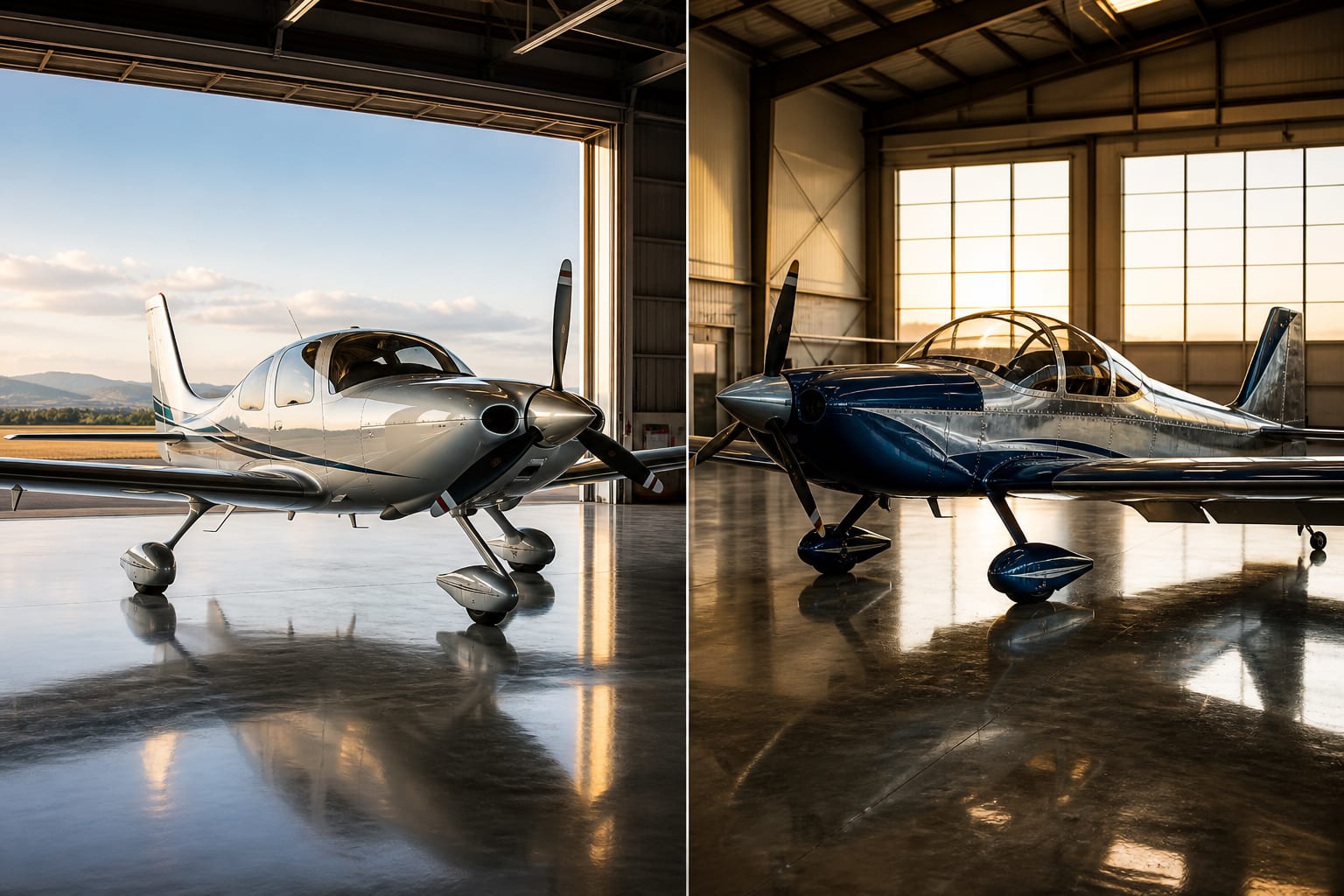
The Complete Guide to Aircraft Maintenance: Why Your Investment Depends on Proper Care
Table of Contents
- Introduction - Your Aircraft Is Only as Safe as Its Last Inspection
- The Legal Foundation - Federal Aviation Regulations You Must Follow
- The Science Behind Why Aircraft Need Constant Care
- Critical Aircraft Systems That Require Regular Attention
- Preventive Maintenance Vs. Reactive Repairs - The Cost Difference
- Types of Aircraft Maintenance - Understanding Your Options
- Developing Your Personal Maintenance Strategy
- Red Flags - When to Ground Your Aircraft Immediately
- The True Cost of Skipping Maintenance
- Conclusion - Making Maintenance a Priority Investment
- Frequently Asked Questions
- Sources
Introduction - Your Aircraft Is Only as Safe as Its Last Inspection
New aircraft owners often underestimate how much aircraft maintenance shapes safety, availability, and long-term value. Aviation regulators require continuous maintenance for a reason. Proactive inspections, repairs, and documentation are the backbone of airworthiness and operational reliability. Maintenance exists to prevent failures, detect issues before they become critical, and restore the aircraft to a serviceable state in accordance with the manufacturer’s specifications and regulatory standards. That is not optional. It is the standard for safe operation [1].
From the first day of ownership, think of maintenance not as fixing what is broken, but as a systematic program that keeps the aircraft airworthy and available. Under U.S. rules, owners and operators have specific obligations around scheduled inspections and correcting defects between inspections, and those obligations are enforced to protect safety [2]. If you are not familiar with the inspection requirements or how maintenance is structured, this guide breaks down the essentials and gives you a practical playbook to run your airplane like a professional flight department, safely, efficiently, and by the book [3][4].

The Legal Foundation - Federal Aviation Regulations You Must Follow
Part 91 Maintenance Requirements for Private Aircraft
- Annual inspection. Most general aviation aircraft require an annual inspection by an authorized provider at intervals not to exceed 12 calendar months [3][2].
- 100-hour inspection. If an aircraft is used for certain types of operations such as training or other higher-utilization operations, inspection requirements can include 100-hour intervals in addition to the annual. The FAA’s maintenance framework makes clear that inspections and between inspection upkeep are shared responsibilities, and the owner or operator is responsible for airworthiness [2].
- Progressive inspections. For higher-utilization aircraft, a progressive inspection schedule under FAR 91.409 may break the annual and 100-hour scope into shorter, phased work packages to reduce downtime while still accomplishing all required items on schedule. Manufacturers often provide standardized maintenance program guides to support progressive planning and provide structure for operators who need minimal downtime [3].
Beyond the formal inspection milestones, FAA-aligned guidance and industry experience show that preventive maintenance is a frequent and necessary part of safe operation. Experience shows many aircraft will need some level of preventive maintenance every 25 hours and minor maintenance at least every 100 hours, with the owner or operator responsible for keeping the aircraft airworthy between the required inspections [2].
Airworthiness Directives and Service Bulletins
- Monitoring regulatory directives applicable to your aircraft and performing required corrective actions on schedule [4].
- Reviewing service information from your manufacturer, evaluating applicability with your maintenance provider, and planning compliance where appropriate [1][4].
- Logging all actions, with references and signatures, in the aircraft’s permanent maintenance records [4].
Treat regulatory directives as nonnegotiable and manufacturer bulletins as strategic guidance that can improve safety, reliability, or supportability. Coordinate each item with your A&P/IA and document compliance decisions [4][3].
Maintenance Records and Documentation
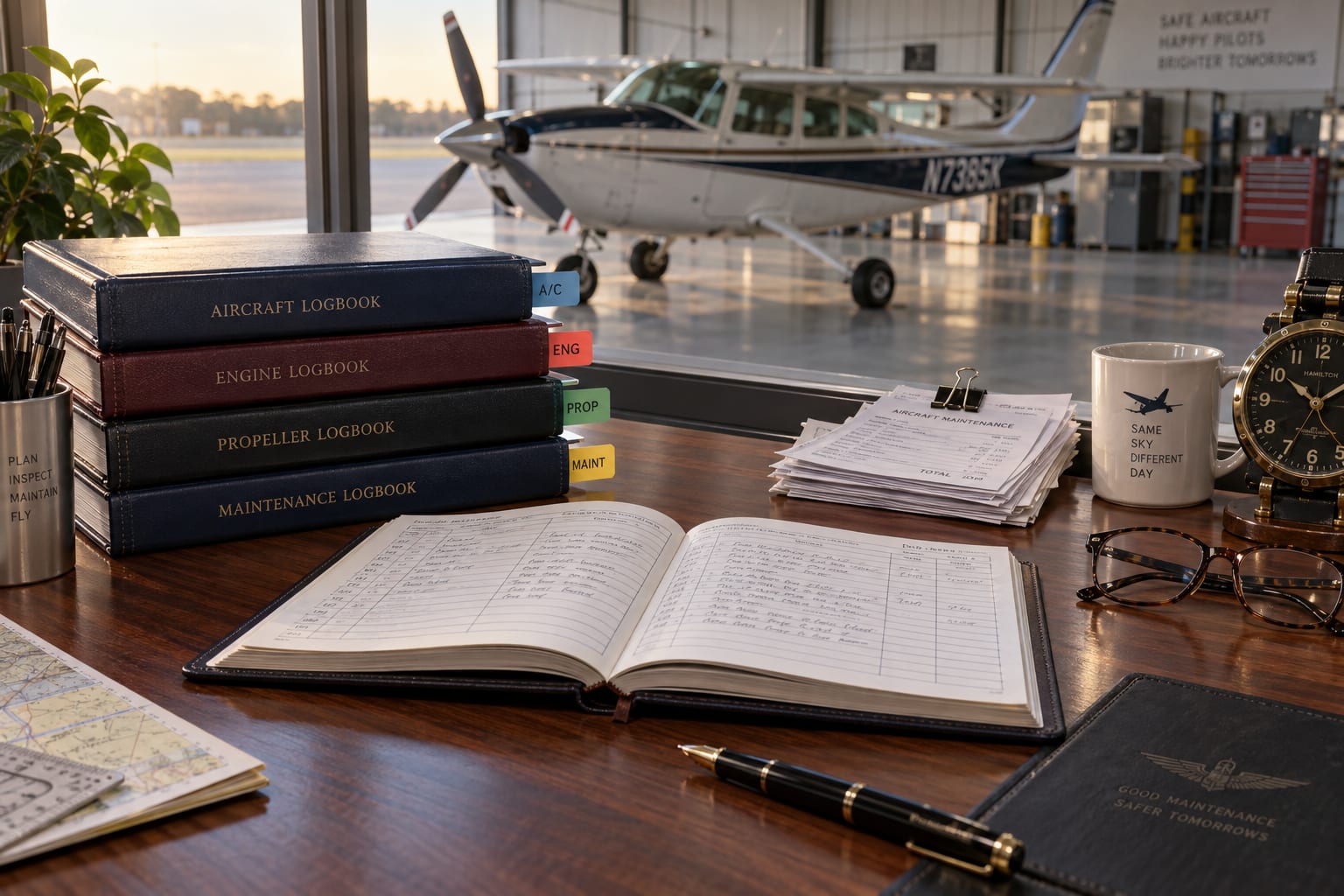
Your logbooks will make or break the aircraft’s airworthiness status and its resale value. As the owner or operator, you are responsible for airworthiness and for ensuring proper entries are made by maintenance personnel approving the aircraft’s return to service, including the scope of work, dates, and signatures per regulations. FAR 91.405 places this responsibility on the owner or operator between required inspections [2]. FAR 43 and Appendix D define the scope and detail for annual and 100-hour inspections. Use that as your checklist backbone and ensure your documentation matches the work performed [3][4].
- Keep engine, airframe, propeller, and appliance logbooks secure and organized [2][3].
- Implementing dedicated maintenance tracking software or a proven digital logbook system is best practice for owners serious about compliance and resale value [1].
- Verify after every maintenance event that the sign-offs specify the regulation under which the work was returned to service and any limitations [2][3].

The Science Behind Why Aircraft Need Constant Care
Stress Factors That Affect Aircraft Components
Aircraft are high-performance machines exposed to continuous stress. Heat and cold, repeated takeoffs and landings, and vibrations across structural and mechanical systems gradually degrade components. Engines, avionics, structures, and hydraulics wear down and require routine maintenance to maintain performance and safety. A proactive approach with regular inspections helps minimize unexpected failures and control lifecycle costs. Maintenance programs exist to prevent failures, detect issues early, and restore aircraft to serviceable condition [6][1].
Environmental Challenges Aircraft Face
Corrosion control, lubrication, and timely replacement of worn parts are core to preserving structural integrity over the aircraft’s lifetime. Environmental exposure drives a lot of this work. Moisture, contaminants, storage conditions, and operating environments all influence aging. Proactive corrosion control and inspection are essential to longevity [1]. Maintenance is inherently preventive. Components degrade continuously from the moment an aircraft enters service, and the maintenance system reverses or mitigates that degradation before it affects operations [10].
Wear Patterns in Aviation Systems
From powerplants and propellers to avionics, landing gear, and hydraulics, every system has a wear profile and a maintenance strategy. Routine inspections and component care, including lubrication, calibration or testing where applicable, and replacement of time-limited or condition-limited parts, extend service life and maintain reliability. Modern programs increasingly leverage condition-based monitoring to optimize intervals and minimize unscheduled repairs [6][10][1].

Critical Aircraft Systems That Require Regular Attention
Powerplant Maintenance - Your Engine’s Lifeline
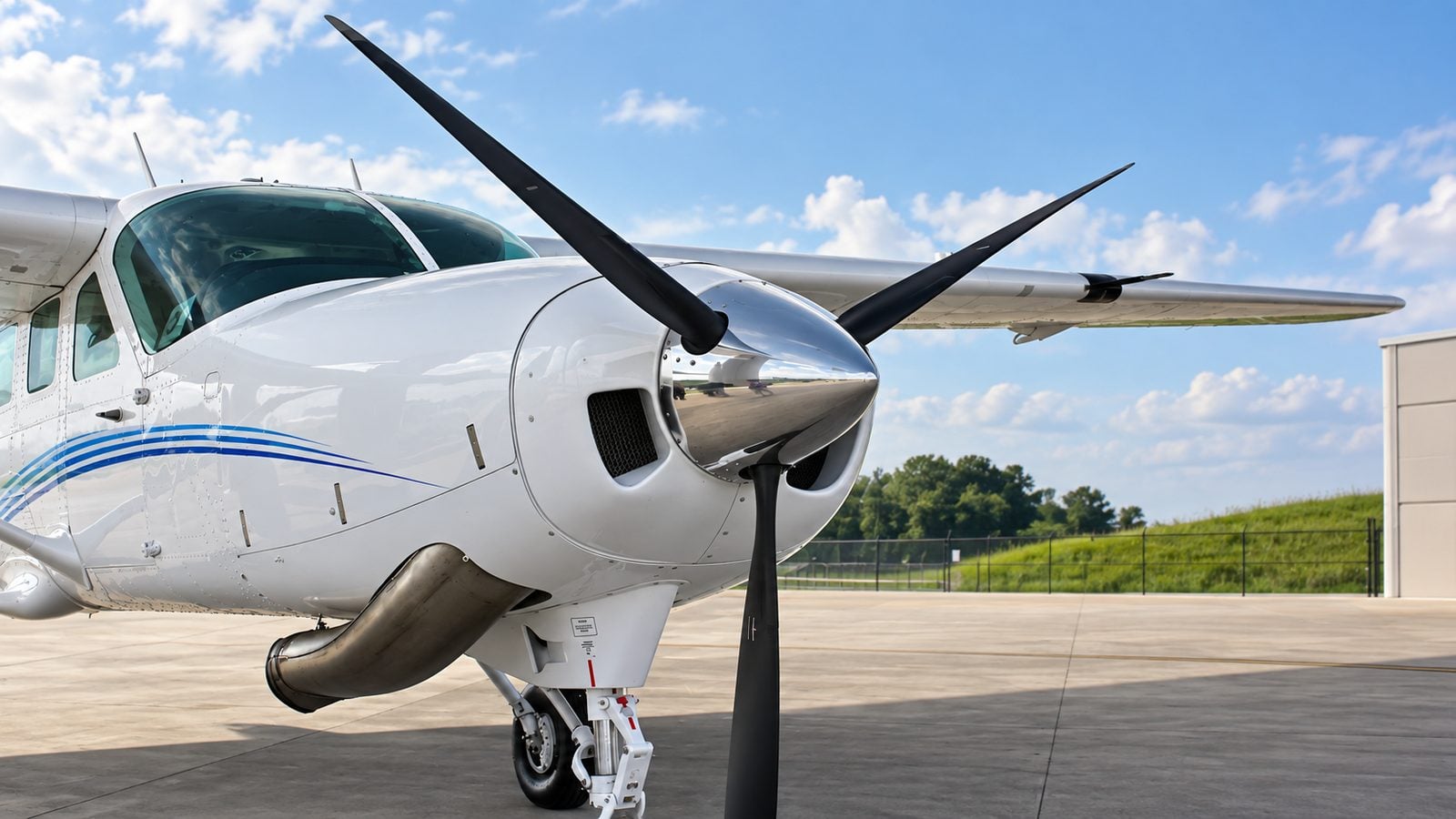
The engine is the heart of your aircraft. Proper inspections, lubrication, corrosion control, and timely replacement of worn components preserve performance and longevity. Neglect invites abnormal wear, unplanned downtime, and higher costs. Routine attention to the engine supported by oil analysis, scheduled inspections, and adherence to manufacturer guidance minimizes surprises and extends component life [1][6].
Avionics and Electrical Systems
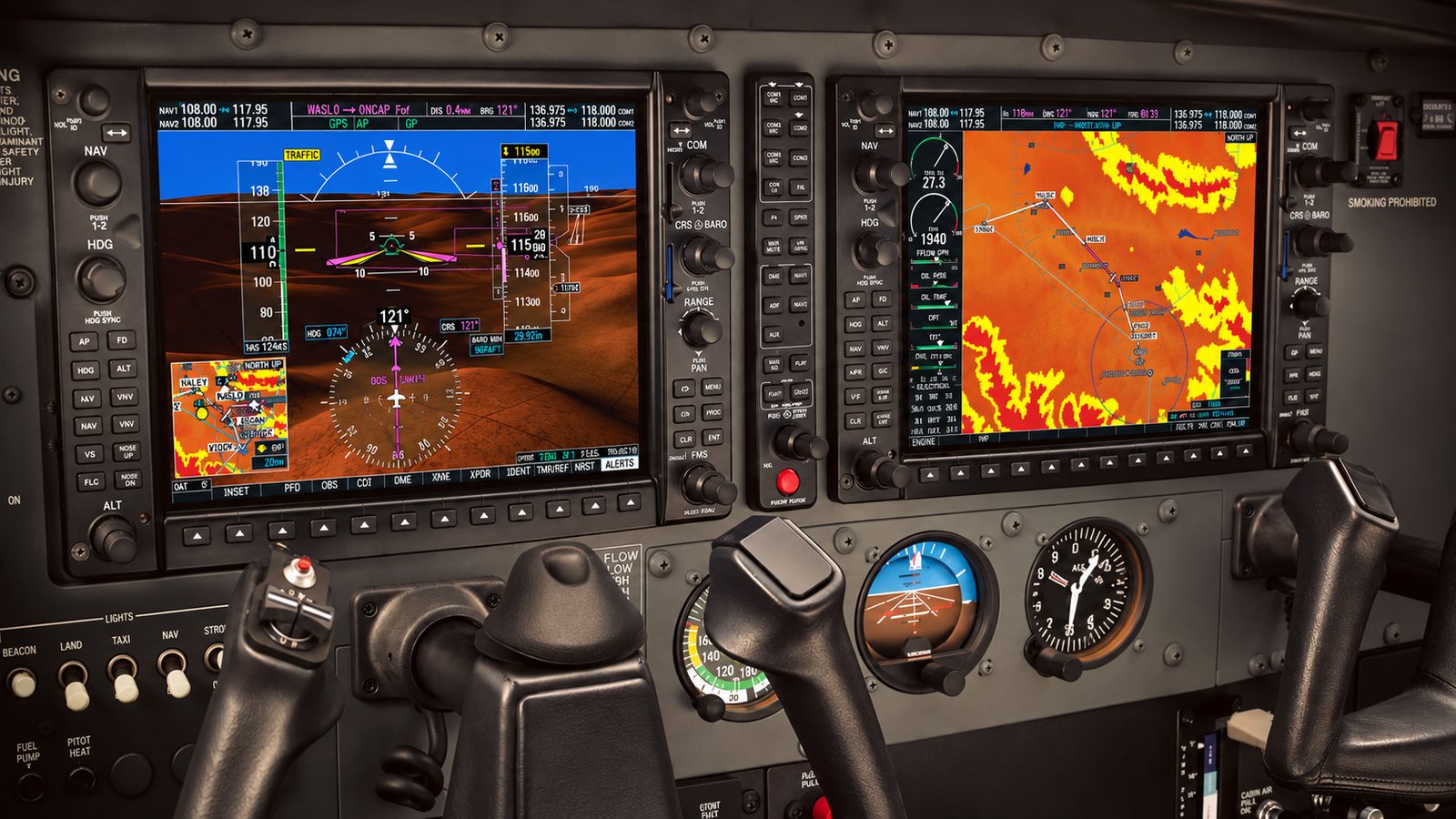
Avionics evolve faster than any other aircraft system. Routine inspection, testing, and timely upgrades prevent reliability and obsolescence issues. Upgrading or replacing components can enhance safety, optimize performance, and ensure compliance, which reduces AOG risk and improves operational efficiency [7][1]. For private and business aircraft, integrating avionics maintenance into an organized management program ensures timely action and reduces downtime [9].
Flight Controls and Safety Systems
Controls, cables, pulleys, hydraulics, and safety or emergency equipment are covered by the scope and detail in FAR 43 Appendix D for annual and 100-hour inspections. Use that standard to ensure every flight control linkage, system, and safety device receives eyes-on inspection and function checks during scheduled maintenance [3]. Maintenance is preventive by design. Catching wear in these systems early preserves safety margins [10].
Preventive Maintenance Vs. Reactive Repairs - The Cost Difference
The Economics of Scheduled Maintenance
There is a direct relationship between disciplined, scheduled maintenance and lower unplanned downtime. Regular inspections and proactive repairs reduce unscheduled AOG events, improve dispatch reliability, and protect asset value. In business use, that also protects revenue and client trust by minimizing delays and cancellations [5]. Fundamentally, treating maintenance as a strategic investment supports safety, operational efficiency, and cost control over the long term [1][7].
Common Expensive Failures That Prevention Avoids
- Engine events that could have been mitigated with early intervention.
- Major avionics replacements forced by neglect or deferred upgrades.
- Structural or systems repairs from undetected corrosion or wear.
The preventive mindset, with regular inspections, lubrication, corrosion treatment, and timely parts replacement, extends aircraft service life and reduces the likelihood of these outcomes [1][6][7].

Types of Aircraft Maintenance - Understanding Your Options
Owner-Performed Maintenance
Owners carry the responsibility to maintain airworthiness and to ensure that maintenance personnel make the proper entries approving the return to service. Between inspections, owners must have defects corrected and maintain the aircraft in an airworthy state [2]. Under FAA rules, maintenance must be performed by a certified mechanic with appropriate ratings or by someone working under that mechanic’s supervision, except for certain preventive maintenance tasks permitted by regulation [8]. Owners may perform only those preventive maintenance tasks allowed under FAR 43 and its Appendix A when permitted by the regulations and provided the aircraft is not used for hire. Always ensure all work is correctly logged and compliant, and coordinate with a certificated A&P/IA as your primary maintenance authority [3][8].
Certified Maintenance Facilities
Maintenance execution comes down to capability and accountability. Certified mechanics and maintenance providers operate under FAA standards and follow detailed procedures for inspections and repairs [8]. If you prefer a turnkey approach, a professional aircraft management team can coordinate maintenance scheduling, ensure regulatory compliance, track intervals, and streamline parts and vendor support so you can focus on flying [9].
Manufacturer Service Centers vs. Independent Shops
Each option has pros and cons. Manufacturer-aligned support may provide stronger access to technical support and parts channels. Independent shops often offer flexibility and strong type-specific experience. Evaluate providers based on capability, responsiveness, and documentation quality, and align your choice with your aircraft’s support needs and your mission profile [8][3].

Developing Your Personal Maintenance Strategy
Creating a Maintenance Budget and Schedule
- Define your usage profile. Higher utilization may justify a progressive inspection program under FAR 91.409 to reduce downtime while maintaining compliance [3].
- Build a rolling 12 to 24 month inspection calendar that includes annual, 100-hour, or progressive checkpoints, recurring tests, and manufacturer-recommended service [1][3].
- Tie budget planning to that schedule. Proactive maintenance reduces unplanned downtime and associated costs. Plan funds for inspections, routine parts, and recommended upgrades that enhance reliability [5][1].
- Protect an emergency reserve for unexpected findings. Even with excellent planning, squawks arise. Structured reserves keep you in control instead of reactive [5].
Seasonal planning matters too. Humidity, temperature swings, and storage conditions influence corrosion control and lubrication needs. Maintenance is preventive by nature. Use seasonal inspections to stay ahead of environment-driven wear [10][1].
Building Relationships with Maintenance Providers
- Ask about experience with your make and model, tooling, and parts sourcing capability [8][3].
- Clarify inspection checklists used such as FAR 43 Appendix D scope for annual and 100-hour, and how discrepancies are classified and communicated [3].
- Establish communication protocols. Agree on pre-work estimates, airworthiness vs. convenience items, timeline updates, and approval thresholds for additional work [5].
- If you travel frequently, define how away-from-base support and AOG events will be handled to minimize downtime. A management team can integrate this into your operating handbook [9][5].
Technology Tools for Maintenance Tracking
- Maintenance software centralizes inspection intervals, parts management, work orders, and records. This helps you stay compliant and avoid disruptions [1].
- Management providers integrate tracking and scheduling so owners no longer worry about interval tracking or paperwork, streamlining operations and ensuring timely compliance [9].
Red Flags - When to Ground Your Aircraft Immediately
Pre-flight Inspection Critical Findings
- Oil or fuel leaks, or fluid contamination indicators.
- Unusual wear, corrosion, or suspected structural damage.
- Avionics malfunctions or annunciators that indicate system faults.
Before each flight, pilots should conduct the necessary checks to verify airworthiness. When in doubt, pause the mission and resolve the discrepancy [13]. Between scheduled inspections, owners are responsible for ensuring airworthiness and correcting defects. Do not defer action on critical findings [2].
Performance Changes That Signal Problems
Pay attention to trends. Abnormal engine indications, vibration, sluggish starts, unusual handling, or unexplained changes in fuel burn often precede component failures. Document the symptoms, secure the aircraft, and coordinate troubleshooting with your A&P. Routine inspections and condition-based monitoring help catch issues early and keep you ahead of the failure curve [6][10].
The True Cost of Skipping Maintenance
Safety Risks and Liability Exposure
Cutting corners on maintenance has contributed to serious accidents and career-ending consequences. The FAA’s mission to safeguard civil aviation includes oversight of regular maintenance precisely because maintenance lapses can have severe outcomes [4]. Beyond safety, skipping maintenance invites operational disruption and reputational damage, especially in business operations where cancellations or delays erode client trust [5].
Regulatory Consequences
Failure to maintain and document airworthiness invites FAA scrutiny. Expect enforcement actions when noncompliance is identified, up to and including grounding, penalties, and other administrative actions [4]. The fix is simple. Maintain the aircraft in accordance with regulations, correct defects between inspections, and keep records precise and current [2][3].
Conclusion - Making Maintenance a Priority Investment
The bottom line is simple. Aircraft maintenance is a system designed to protect safety, reliability, and long-term value. Done right, it prevents failures before they happen, reduces operational disruptions, and extends the aircraft’s service life [1][6]. Your responsibility as an owner is clear. Comply with inspection requirements, correct defects between inspections, and keep meticulous records [2][3]. Treat maintenance as a strategic investment, leverage technology and professional support, and you will keep your airplane safer, more available, and easier to own [5][1][9].
Recommendation: Build your 12 to 24 month maintenance plan now. Align it with your inspection cycle, usage, and mission profile. Choose a capable A&P/IA or a management provider that tracks intervals, coordinates vendors, and documents everything to regulatory standards [3][9].
If you would like help developing a maintenance plan, evaluating providers, or integrating tracking tools, we can assist with aircraft maintenance management and ownership consulting so you can fly with confidence and keep your aircraft ready when you are.
Frequently asked questions
How much should I budget annually for aircraft maintenance?
Can I perform any maintenance tasks myself as an aircraft owner?
What happens if I fly my aircraft with an expired annual inspection?
How do I find a qualified aircraft mechanic?
What maintenance records should I keep and for how long?
Sources
- What Is Aircraft Maintenance? The Importance, Types, and Processes
- The Basics of Maintenance in General Aviation
- AOPA: Aircraft Inspections
- What Regulations Affect Aircraft Maintenance and How to Stay Compliant?
- Aircraft Maintenance: Why Regular Upkeep Saves Time and Money
- Why Proper Aircraft Maintenance is Key to Extending Lifespan
- Aircraft Maintenance 101: The Importance of Upgrading and Replacing Aerospace Parts
- Bureau of Labor Statistics: Aircraft and Avionics Equipment Mechanics and Technicians
- The Importance of Aircraft Management for Private and Business Aviation
- Aircraft Preventive Maintenance
- The Importance of Aircraft Maintenance Services
- The Importance of Airplane Maintenance
- Why Regular Aircraft Maintenance Is Important