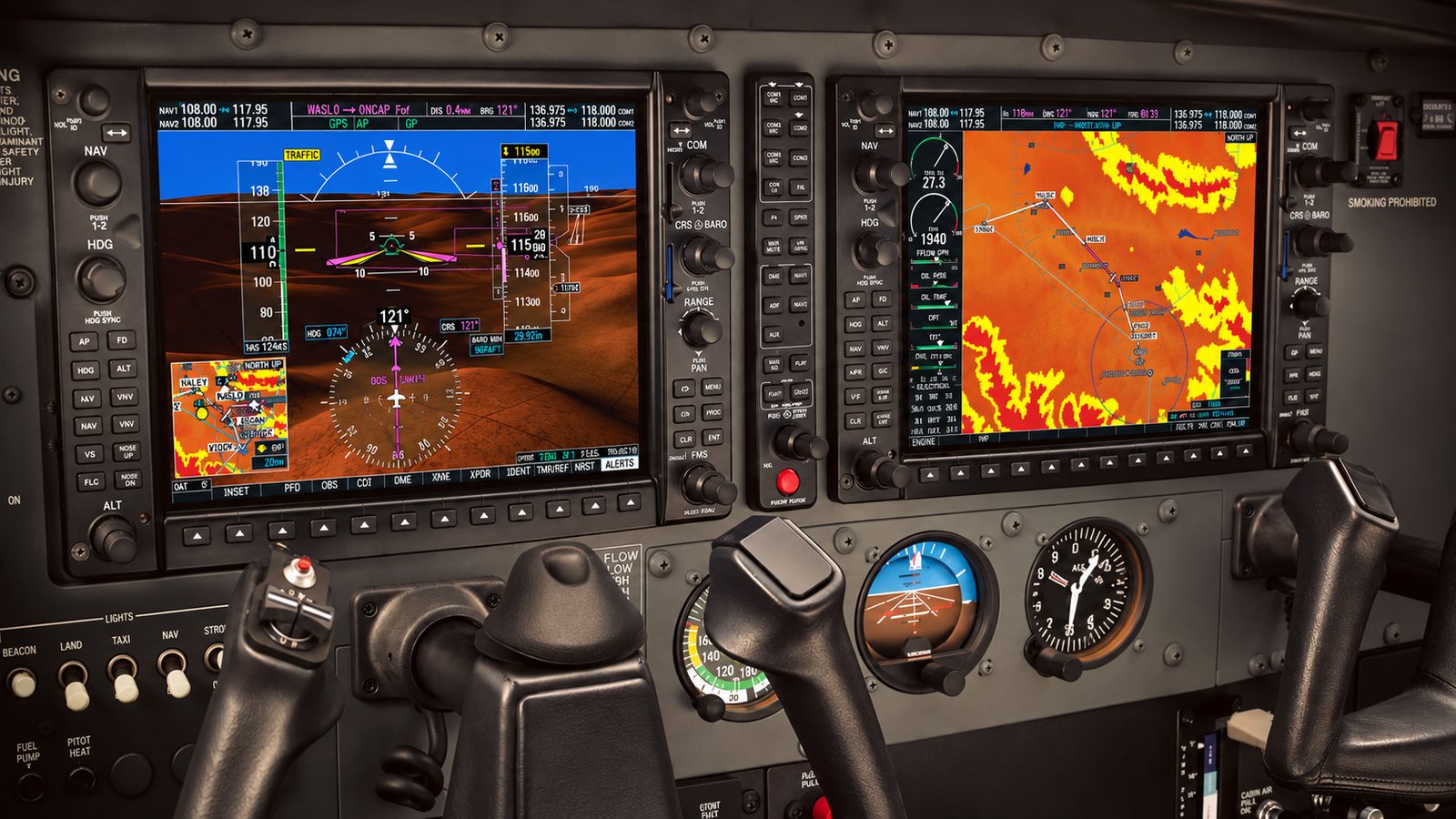
Airline crews have copilots, dispatchers, and company support watching their backs. In general aviation, when you launch single pilot, you are the entire safety department. That is why Single-Pilot Resource Management (SRM) is not a buzzword; it is how you keep a normal flight from turning into an emergency.
SRM is more than “good judgment.” It is a structured way of managing all the resources available to you, inside and outside the aircraft, so the successful outcome of the flight is never in doubt. The FAA defines SRM as the art of managing all onboard and outside resources available to a pilot before and during a flight to help ensure a safe and successful outcome [1].
My goal here is to move SRM from theory into practice. If you fly solo in the system, especially IFR or in busy airspace, you should be every bit as deliberate about SRM as you are about running the checklist.
Table Of Contents
- Understanding Single-Pilot Resource Management: Beyond Basic Airmanship
- Cognitive Load Management And Task Prioritization Strategies
- Technology Integration And Automation Management For Solo Pilots
- Risk Assessment And Decision-Making Frameworks
- Situational Awareness Maintenance And Information Management
- FAQ
- Sources
Understanding Single-Pilot Resource Management: Beyond Basic Airmanship
SRM grew directly out of crew resource management (CRM). Airlines learned that technical skill was not enough; accidents often came from poor decisions, weak communication, fixation, and a failure to use available help. Those same human factors are present in every cockpit. The only difference in single-pilot operations is that you do not have another pilot to catch your mistakes.

Defining SRM vs. Traditional CRM
In traditional CRM we talk about communication, leadership, and teamwork among multiple crewmembers. In SRM, the “crew” becomes you plus every other resource you can leverage: ATC, autopilot, GPS, EFB, FBO, flight service, passengers, and even that extra fuel you decided to buy. The principles of good CRM still apply, but you apply them differently.
In solo operations you must:
- Monitor yourself instead of being monitored by another pilot.
- Proactively reach out to resources like ATC and weather services instead of relying on a dispatcher.
- Manage cognitive load without anyone else to “take the controls” while you troubleshoot.
SRM training bundles several familiar concepts into one package: aeronautical decision making, risk management, task management, automation management, situational awareness, and CFIT awareness [1]. You are not just “flying the airplane”; you are running a one-person operation.
The Five Pillars Of SRM
I like to break SRM into five core skill areas you can actually train:
- Task management and prioritization
This is the practical side of “aviate, navigate, communicate.” You learn what must happen now, what can wait, and what can be ignored. Good task management keeps you from chasing distractions when you should be flying. - Automation management and integration
Modern avionics can cut your workload in half or double it, depending on how you use them. SRM means you decide when automation helps and when it hurts, and you always know what the system will do next. - Risk management and decision making
This is where tools like PAVE, the Five Ps, and personal minimums live. Instead of “I think it’s okay,” you have a repeatable process for go/no-go, route, altitude, and diversion decisions. - Situational awareness (SA) maintenance
SA is your mental picture of weather, traffic, fuel, terrain, airspace, and aircraft status. SRM means constantly updating that picture and noticing when it no longer matches reality. - CFIT avoidance
Controlled flight into terrain is still a major killer. Terrain awareness, conservative altitudes, stabilized approaches, and disciplined use of vertical guidance are all part of your SRM toolkit.
SRM is not a maneuver you demonstrate on a checkride. It is the way you think and operate from engine start to shutdown.
Cognitive Load Management And Task Prioritization Strategies
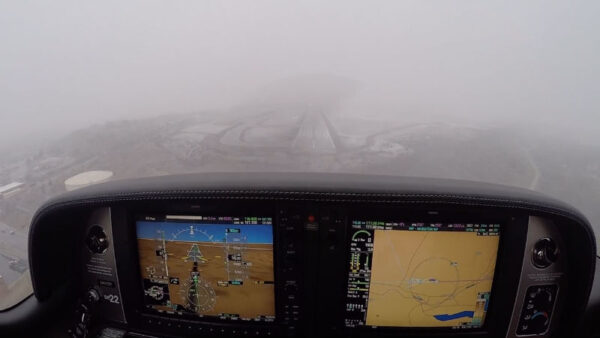
In single-pilot flying, especially IFR, workload is often the real threat. Airplanes rarely crash because the pilot cannot hold altitude; they crash because the pilot is overloaded, misses a cue, and never recovers. Managing your mental bandwidth is central to SRM.
Understanding Mental Workload In Single-Pilot Operations
Your performance follows an inverted-U curve: too little stimulation and you get complacent, too much and you get saturated. SRM is about staying on top of that curve as the flight evolves.
In practice:
- Low workload phases (cruise in VMC, quiet airspace): you have margin to plan ahead, brief the approach, set up alternates, and review contingencies.
- Moderate workload phases (climb out, descent, simple IFR approaches): you can still think ahead, but only if you already did most of the setup.
- High workload phases (short final in gusty crosswinds, single-pilot IFR in ice, go-around): you should be in execution mode with no new planning if you can help it.
Cognitive overload shows up as missed radio calls, blown altitudes, tunnel vision on a single instrument, or the feeling that events are “happening to you.” When you feel yourself climbing that curve, act early: slow down, ask for vectors, use the autopilot, or tell ATC “stand by” while you catch up.
Practical Task Management Techniques
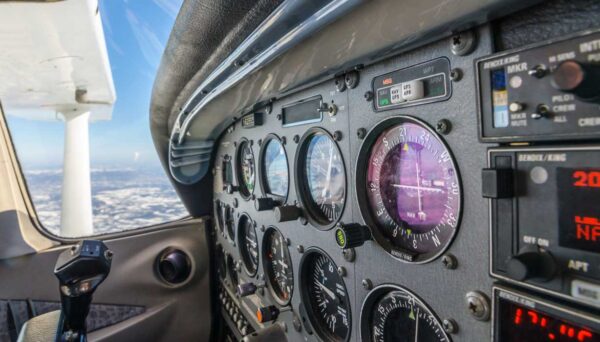
Here is how I recommend you manage tasks in real airplanes:
- Live “aviate, navigate, communicate”
- Aviate: stable airspeed, attitude, and altitude always come first.
- Navigate: course and vertical path come next.
- Communicate: everything else.
Any time something goes wrong, say it out loud: “Aviate first.” It keeps you from staring at the GPS when you should be flying the wings.
- Time slicing and task segmentation
Break complex flows into small actions and tie them to specific phases:- In cruise: set up and brief the approach.
- Before top of descent: load the approach and missed, check alternates.
- Inside the final approach fix: avoid reprogramming the GPS unless absolutely necessary.
- Preplanning high-workload scenarios
Prebrief every instrument approach, even VFR: frequencies, altitudes, and missed-approach plan. Decide in advance how you will handle late runway changes, lost comms, holding, or reroutes around weather. When the surprise comes, you are executing a script, not inventing one. - Create personal SOPs for common situations
You do not need to be an airline to have SOPs. Examples:- Below 1,000 feet AGL, you do not reprogram the GPS.
- Any abnormality before rotation: reject the takeoff. After rotation: climb to a safe altitude (for example, 1,000 feet AGL) before troubleshooting unless the checklist says otherwise.
- When you feel behind the airplane: slow down, ask for vectors or a delay, and simplify.
Good SRM is less about heroics and more about never needing heroics in the first place.
Technology Integration And Automation Management For Solo Pilots
Modern avionics can make single-pilot flying safer and easier, but only if you manage them on purpose. Blind trust in automation has hurt a lot of pilots who should have gone home with nothing but a story.
Maximizing Glass Cockpit Benefits
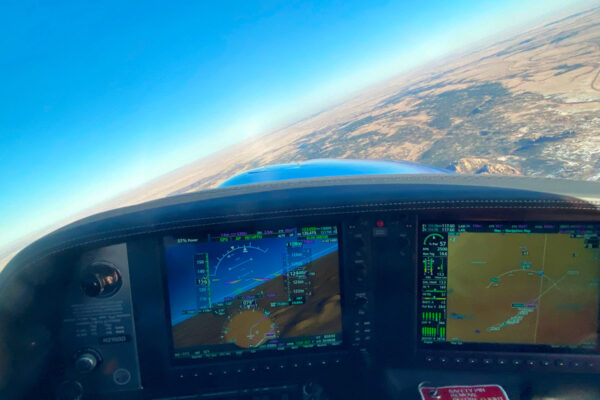
Integrated flight decks shine when they reduce your mental workload:
- Use the PFD for primary control and trend awareness. The flight director and trend vectors make it easier to stay ahead of pitch, bank, and power.
- Let the autopilot handle the grunt work. In cruise or during complex reroutes and holds, an engaged autopilot frees your brain for “captain-level” tasks: strategy, weather, alternates, fuel.
- Exploit GPS capabilities thoughtfully. Load full procedures, use direct-to with intent, and always review the flight plan or legs for altitude and course sanity before you execute.
Treat automation as a crew member you supervise, not a magic box that always knows best.
Avoiding Automation Pitfalls
Automation introduces its own traps that SRM must address:
- Mode confusion
Avoid the “What is it doing now?” moment by making a quick verbal mode check after any change: “Heading, 3,000 feet, NAV armed, altitude hold.” If the annunciators and the airplane’s behavior do not match what you expect, fix that before you look away. - Overreliance and rusty hand-flying
If you cannot comfortably hand-fly an approach to minimums in good weather, you are too dependent on the autopilot. Use benign days to hand-fly departures, arrivals, and the occasional full approach so the skills are there when technology quits. - Knowing when to disconnect
If the airplane is not doing what you want and you are spending more than a couple of seconds heads-down troubleshooting while descending toward terrain, the usual answer is:- Turn off the offending mode or the whole autopilot.
- Level the wings and stabilize.
- Reengage only the minimum automation you fully understand.
- Backup procedures for technology failures
Before every IFR flight, ask:- What is my plan if the PFD dies?
- What will I do if the GPS fails inside the terminal area?
- What if my tablet overheats or loses power?
That might mean carrying paper charts or a second EFB, having a backup GPS, or preloading key frequencies and raw navaid data.
Tablet And EFB Integration
Your EFB should be a workload reducer, not a bright, shiny distraction.
- Placement and power management
Mount it where you can see it with minimal head movement and no interference with the yoke or stick. Provide reliable power: ship’s power with a quality cable or a dedicated battery pack. - Information prioritization and decluttering
Turn off layers you do not need. In the terminal area, excessive data (airspace, traffic, terrain, weather, TFRs, all at once) can hide what matters. - Weather interpretation and update discipline
Treat ADS-B or satellite weather as strategic tools, not real-time storm scopes. Respect latency and resolution; do not use uplinked radar to pick your way through tight gaps at high speed.
If you are heads-down in the tablet for more than a couple of seconds in busy airspace or IMC, you are going the wrong way on the SRM scale.
Risk Assessment And Decision-Making Frameworks
Good SRM is built on disciplined risk assessment before and during the flight. The objective is simple: no surprises and no “I knew better” moments afterward.
Implementing Systematic Risk Assessment
Three tools work especially well for single-pilot operations:
- PAVE checklist (Pilot, Aircraft, enVironment, External pressures)
Use PAVE in your preflight planning to structure the go/no-go call. Look at your condition, the airplane’s readiness, the weather and terrain picture, and anything pushing you to go when you should not [1]. - Five Ps check (Plan, Plane, Pilot, Passengers, Programming)
The Five Ps give you a quick in-flight SRM snapshot. Run them at natural gates: before taxi, before takeoff, at cruise, before descent, and before the approach. The FAA specifically recommends this framework as a practical way to apply SRM in everyday flying [1]. - Personal minimums
Write your limits down and keep them realistic for your experience:- Ceiling and visibility for VFR and IFR
- Crosswind and gust limits
- Maximum surface wind
- Minimum runway length and surface condition
Then treat those numbers as hard limits, not “goals to beat.”
Decision-Making Models For Time-Critical Situations
When the clock is ticking, structure keeps emotion from running the show:
- DECIDE model
Detect the change, Estimate its impact, Choose a course, Identify actions, Do the actions, Evaluate the result. A quick mental pass through DECIDE prevents knee-jerk reactions and keeps you moving forward methodically. - Threat and Error Management (TEM)
Identify threats up front (night, marginal weather, unfamiliar airport), think through the likely errors they invite, and put barriers in place: extra fuel, higher personal minimums, more conservative alternates. - Go/no-go and “continue/abort” frameworks
Any time you find yourself arguing with your own gut to justify going, you probably should not. The same applies in flight: if continuing demands a long, tortured explanation to sound safe, the SRM-friendly choice is usually to turn around, divert, or land and regroup.
Always maintain at least one escape route: an alternate airport, a solid turn-back point, or a climb option into better conditions. If you do not have an out, you are no longer managing risk; you are accepting it blindly.

Managing External Pressures
External pressures quietly erode SRM more than most pilots admit:
- Get-there-itis
When you hear yourself say “I have to be there tonight,” pause and ask, “What actually happens if I am not?” In most cases the real-world consequences are small compared to the safety margin you gain by diverting or delaying. - Passenger management
Brief passengers honestly about the plan and the possibility of delays or diversions. Tell them up front that you will not push weather or fuel with them on board. That single expectation shift removes a lot of pressure in the cockpit. - Schedule and commercial considerations
For business flying, set policies that favor safety over meetings: build in buffer time, have an airline backup, and empower yourself to say, “We are not flying today” without a debate.
Many of the best SRM decisions you will ever make are quiet cancellations or diversions that never show up in a report.
Situational Awareness Maintenance And Information Management
Situational awareness is your constantly updated understanding of where you are, what the airplane is doing, what the environment is doing, and what will happen next if you do nothing. In single-pilot ops, losing SA is often the first step in the accident chain.
Building And Maintaining The Big Picture
Here is what I focus on to keep SA sharp:
- Continuous weather monitoring
Do not stop with the preflight briefing. Watch METAR and TAF trends, listen for pilot reports, and keep comparing what you see outside with what was forecast. - Traffic awareness in busy airspace
Use ADS-B In and ATC advisories, but back them up with a disciplined visual scan. In and around Class B or C airspace, do not let a tablet or MFD steal your eyes. - Fuel management and alternate planning
Track fuel with both gauges and time. Regularly ask yourself, “If I had to divert right now, where would I go and how much fuel would I land with?” - Systems monitoring and trend spotting
Look for slow changes, not just red Xs: gradually rising CHTs, lower-than-normal voltage, roughness at certain power settings. Most mechanical issues start as “something feels off.”
A simple habit is to brief yourself every 15 to 20 minutes: where you are, what you are doing, what comes next, and what you will do if the plan changes.
Information Prioritization Strategies
The modern cockpit throws more information at you than you can process in real time. SRM means filtering ruthlessly:
- Critical versus noncritical information
During high workload, ask: is this item directly tied to controlling the airplane, avoiding terrain or traffic, or complying with a clearance? If not, it can wait. - Radio efficiency
Anticipate calls, jot down clearances, and do not hesitate to say “unable” or “stand by.” Short, clear transmissions cut your time on frequency and reduce cognitive load. - Chart organization and approach prep
Have the active plate up and zoomed appropriately before you are in the terminal area. Keep key frequencies and altitudes visible where you do not have to hunt for them. - Emergency information access
Know exactly where the emergency checklist lives and which items you will do from memory. SRM is not rifling through a binder while descending in IMC.
Fatigue And Stress Recognition
None of this works if you are mentally compromised:
- Honest self-assessment
Go beyond IMSAFE. Ask yourself how you compare to your best flying days. If you are significantly below that benchmark, adjust the mission or do not go. - Watching for performance drift
Repeated small mistakes are a big clue: missed calls, trouble with simple calculations, rechecking everything twice. When you see that trend, simplify: slow down, consider climbing if needed, and tell ATC you need a minute. - In-flight stress management
In busy or abnormal situations, deliberately slow your breathing, your speech, and your control movements. Calm actions drive clearer thinking.
SRM is ultimately about staying ahead of the airplane, the environment, and your own limitations so that “normal” remains the default outcome.

FAQ
How Does Single-Pilot Resource Management Differ From Traditional Flight Training?
What Are The Most Common SRM Failures In General Aviation Accidents?
Should Single Pilots Always Use Autopilot When Available?
How Can I Practice SRM Skills Without Flying?
What Is The Biggest Mistake New Instrument Pilots Make Regarding SRM?
Sources
Disclaimer: Some articles on this site are created with the assistance of AI technology.