How Hard Is It to Get a Private Pilot License? A Complete Guide to FAA Requirements, Costs, and Timeline in 2025

Table of Contents
- What is a private pilot license and what can you do with it?
- FAA requirements for private pilot license - The official standards
- The real challenge: How difficult is private pilot training?
- Flight training timeline: How long does it really take?
- The complete cost breakdown of getting your PPL
- Choosing your flight training path
- Geographic and practical considerations
- Success rates and what determines training success
- Preparing for success: What you can do before starting
- First impressions, observations, and my recommendation
What is a private pilot license and what can you do with it?
Understanding private pilot privileges and limitations
A Private Pilot License (technically, a Private Pilot Certificate) authorizes you to act as pilot in command of an aircraft for personal and recreational purposes—carrying passengers, sharing expenses, and flying for your own travel or leisure, but not for compensation or hire. Your privileges apply to the category and class (and any ratings) on your certificate, and operations must align with the ratings you hold. A PPL by itself does not authorize flight in instrument meteorological conditions (IMC) or for hire; those require additional ratings and certificates. Private pilot training covers aircraft maneuvers, navigation, emergency procedures, and cross-country flight planning so you can legally and safely operate an airplane for non-commercial purposes. It’s widely considered the first major milestone toward professional aviation paths [4][1][7].
Many schools summarize PPL privileges as personal flying in visual conditions (VFR). One example course description notes private pilots are limited to visual flight conditions and typically below 18,000 feet (Class A airspace) unless they obtain additional training and ratings [10].
If your long-term goal is the airlines, the PPL is the starting point before advanced training and certificates [4].
How PPL differs from other pilot certificates
- Sport pilot vs private pilot: If you’re looking for the easiest entry point to flying light sport aircraft, the Sport Pilot certificate requires fewer hours and (for many applicants) uses a valid U.S. driver’s license in place of a medical exam. The typical cost is quoted around $4,500 and can be completed in a few weeks under favorable conditions. The tradeoffs: reduced privileges, aircraft limitations, and more constrained operations than a PPL [6].
- Private pilot: The PPL is the most common ticket and opens the door to a broad range of aircraft and operations for personal use. You’ll need a medical certificate and must meet the FAA’s knowledge and practical training standards [6][4].
- Commercial and beyond: If your goal is to be paid to fly, that’s the Commercial Pilot License (CPL). For airline operations, you’ll eventually need an Airline Transport Pilot (ATP) certificate. The PPL lays the foundation for both [6][4].

FAA requirements for private pilot license - The official standards
Age and medical requirements
The FAA’s rules live in 14 CFR Part 61, Subpart E (Private Pilots). Here’s what you need to know [1].
- Minimum age: You must be at least 17 to be issued a Private Pilot certificate (you can solo at 16). You must also be able to read, speak, write, and understand English [1][3].
- Medical certificate: You must hold at least a third-class medical certificate for a PPL, obtained from an FAA-authorized Aviation Medical Examiner following a physical [6][3].
I recommend getting your medical early, before you invest heavily in training. If you have conditions or prescriptions to review, consult resources and, if needed, an AME who can advise on your situation before a formal application. A denial can be complicated and costly to resolve, so a proactive approach matters [3].

Knowledge and experience requirements
- Minimum hours: Under Part 61, you must log at least 40 hours of flight time, including at least 20 hours of training with an instructor and 10 hours of solo flight, plus specific training elements (cross-country, night, instrument reference, and preparation for the practical test) [1].
- Approved course option: If you complete an approved private pilot course with a certificated training center (Part 142), the total may be 35 hours when approved by the Administrator [1].
- Knowledge test: You’ll complete ground training (with an instructor, via a course, or self-study) and pass a 60-question FAA knowledge exam with at least a 70% score [5].
- Average time to proficiency: While the minimum is 40 hours under Part 61, the FAA notes the average is approximately 75 hours for most pilots. Other training organizations cite typical ranges of 60–80 hours to reach practical proficiency [2][3][9].
Put simply: the regulatory minimum is not the expected average. Plan your budget and timeline based on the average, not the minimum [2][3][9].
Practical test (checkride) standards
Your checkride includes two parts—an oral exam and a flight test—administered by a Designated Pilot Examiner (DPE) [7]. Many describe DPEs as highly experienced instructors who are authorized to conduct practical tests on behalf of the FAA [6].
You’ll demonstrate knowledge and judgment in the oral portion, then fly a standards-based profile covering normal and emergency procedures, navigation, maneuvers, and scenario-based decision-making consistent with FAA-required areas of operation [1][7].
Best practice is to treat the checkride as a validation of the standards you’ve practiced all along. Instructors typically endorse applicants only when they are ready to meet test standards—if your sign-off comes with confidence, you’re on the right track [7].

The real challenge: How difficult is private pilot training?
Academic learning curve
You’ll cover aerodynamics, aircraft systems, weather theory and reports, navigation and cross-country planning, FAA regulations, airspace, weight and balance, performance, risk management, and emergency procedures. That’s the core of private pilot ground school [7].
- Expect to study steadily throughout training—don’t cram for the written at the end.
- Use a proven ground training program and quiz often until you consistently score above the minimum standard (70%) on full-length practice tests [5].
- Tie the book work to your flights: brief each lesson beforehand, debrief afterward while it’s fresh, and log questions for your instructor.
Physical and mental demands
- Aircraft control precision (trim use, pitch/power coordination).
- Multitasking and cockpit resource management (aviate–navigate–communicate).
- Confidence with radios and airspace.
- Judgment under changing weather and real-world constraints.
These are learned skills. If you show up rested, prepared, and willing to debrief honestly, they come together faster than you might expect.
Common student pilot challenges (and how to tackle them)
- Radios: Script your initial call-ups, practice with live ATC feeds, and have a flow for readbacks. Brief frequencies and likely calls before engine start.
- Landings: Focus on stabilized approaches, sight picture, and energy control; chair-fly your pattern. Pattern work accelerates when you fly more often.
- Weather decisions: Use conservative personal minima and plan alternates. Review forecast discussions, not just TAF/METAR codes, with your CFI.
- Navigation and planning: Cross-country planning is a systems exercise—weight and balance, performance, weather, NOTAMs, routing, fuel, alternates. Build a checklist you use every time.

Flight training timeline: How long does it really take?
Factors that drive duration
- Frequency: More lessons per week mean less time re-learning and faster proficiency. Inconsistent schedules stretch training—consistency is a big lever.
- Weather and seasons: VFR training is weather-dependent; winter ceilings and summer thunderstorms can slow you down in many regions.
- Aircraft and instructor availability: Bottlenecks at busy schools create gaps. Book blocks of lessons in advance.
- Your study habits: Prepared briefs and thorough debriefs compress the timeline more than any single trick.
Typical training timelines (what schools report)
- Full-time accelerated schedules can complete a PPL in about a month of intensive training when aircraft, weather, and DPE availability align [6].
- Many full-time students in structured programs finish in roughly 3 months; part-time students often finish in 4–6 months depending on schedule [8].
If you can only train sporadically (e.g., weekends), expect to take longer; build your plan around consistent sessions and supplemental study to offset longer intervals [8].
Strategies to finish efficiently
- Book 3–5 lessons per week if possible. If not, add self-study, chair-flying, and desktop sim practice to maintain proficiency between lessons.
- Front-load ground school and aim to take the knowledge test before your long solo cross-country [5].
- Build weather “Plan B” lessons (hood work, ground sessions, simulator) so every booking is productive regardless of conditions.
- Track your FAR 61.109 milestones and plan flights to meet multiple requirements efficiently (e.g., combine dual cross-country, night, and instrument reference training when practical) [1].
The complete cost breakdown of getting your PPL
Direct training costs
- Total program estimates: Many sources cite around $10,000 as a typical PPL cost in the U.S. under efficient, full-time training schedules. A structured Part 141 school example shows an estimate around $18,034, inclusive of aircraft and instructor time, ground school, exams, and materials [6][10].
- Hourly rates (example): One school lists airplane rental at $184.80 per hour and instructor at $73.50 per hour for dual instruction [10].
- Written exam: A common current fee example is $175 [10].
- Practical test (checkride): Plan for the examiner fee plus the aircraft time; one sample estimate shows an $840 examiner fee plus aircraft and instructor time to complete the ride [10].
Those are examples, not set prices—use them to benchmark your local quotes [10].

Additional required expenses
- Medical certificate: One school lists a $125 estimate; rates vary by AME and location [10].
- Ground school materials and books: An illustrative estimate is $316 from one program [10].
- Other optional gear (like a headset) and tools add to the total—ask your school what’s provided vs. what you should bring [10].
Total investment analysis (what to budget)
- Plan for a broad range—roughly $10,000 to $18,000—depending on program structure, your training frequency, local rates, and how many hours you need to reach proficiency beyond the regulatory minimums [6][10].
- Remember the average time to certification often exceeds 40 hours—the FAA notes about 75 hours nationally, and other sources cite 60–80 hours—so your final cost correlates more with your proficiency hours than the regulatory minimum [2][3][9].
- Ways to control costs:
- Train frequently to reduce re-training time.
- Study aggressively to shorten dual briefing/debrief time and accelerate lesson progress.
- Fly one type consistently; avoiding frequent aircraft changes helps preserve sight picture and flows—an industry best practice.
- Schedule back-to-back sessions (e.g., flight plus ground) to keep momentum high.
Choosing your flight training path
Flight school vs. independent instructor
- Structured schools (Part 141/142 programs) offer syllabi, stage checks, scheduling infrastructure, and—in some cases—reduced FAA minimum hours for approved programs (for example, 35 hours under Part 141 or an approved Part 142 course when authorized by the Administrator) [3][1]. They’re helpful if you thrive on structure and can commit to a set pace.
- Independent CFIs (Part 61) offer flexibility, personalized pacing, and often lower hourly costs—great if your schedule is variable or you want a tailored approach. Just ensure your instructor uses a clear syllabus and tracks your Part 61.109 requirements diligently [1].
My advice: interview both options, ask to see the syllabus, and request a realistic hourly estimate to proficiency based on your availability.
Aircraft considerations
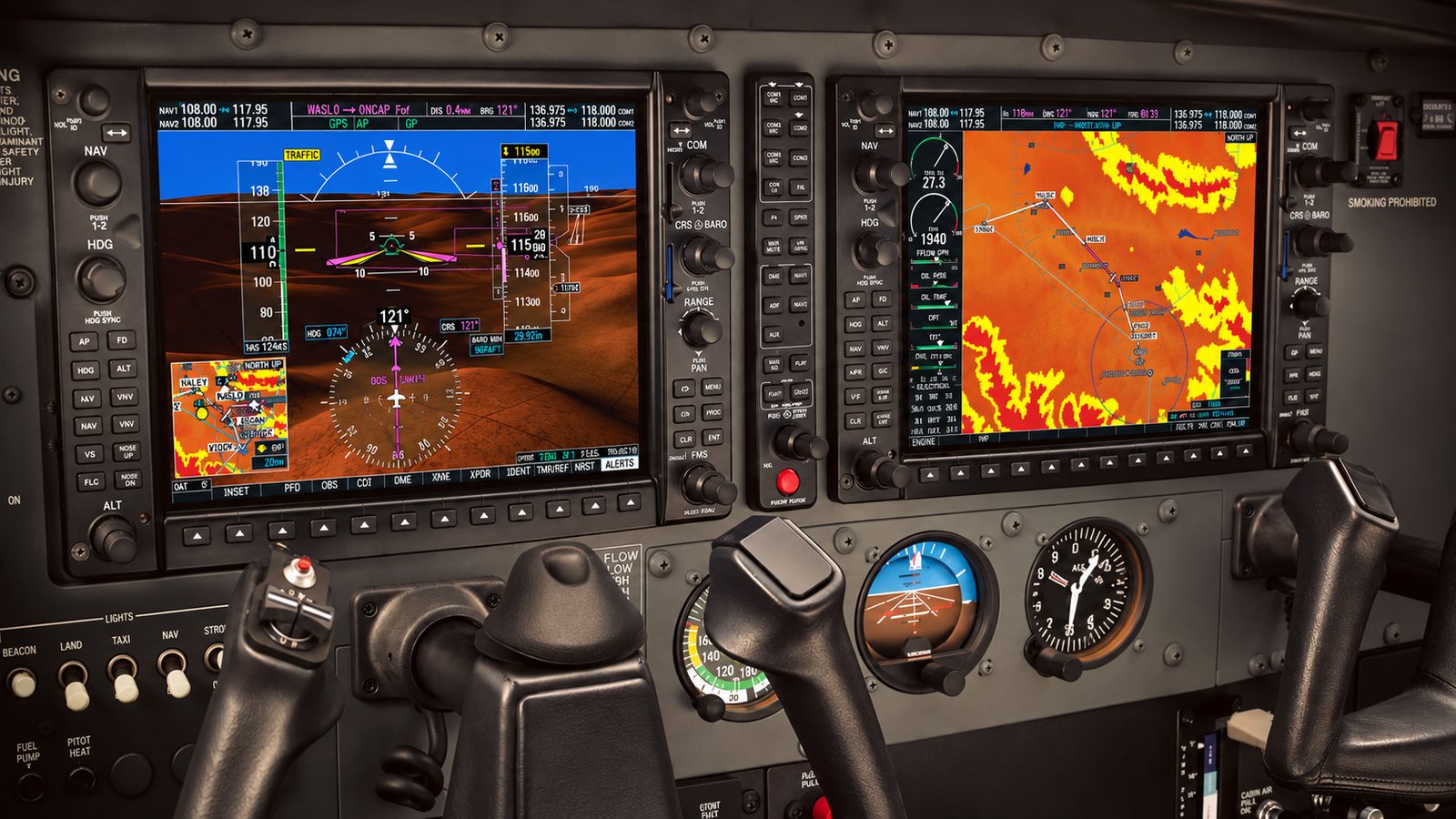
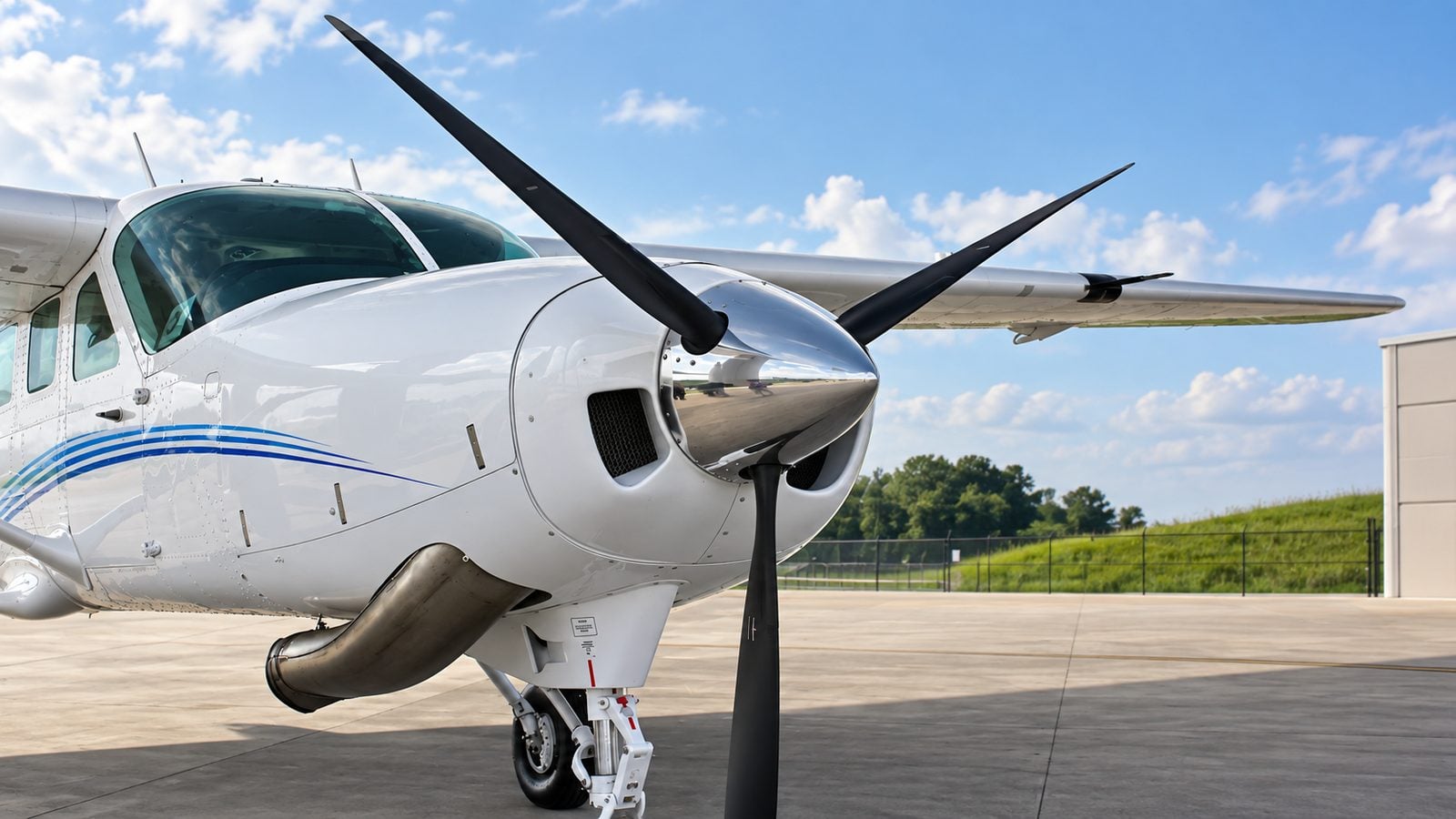
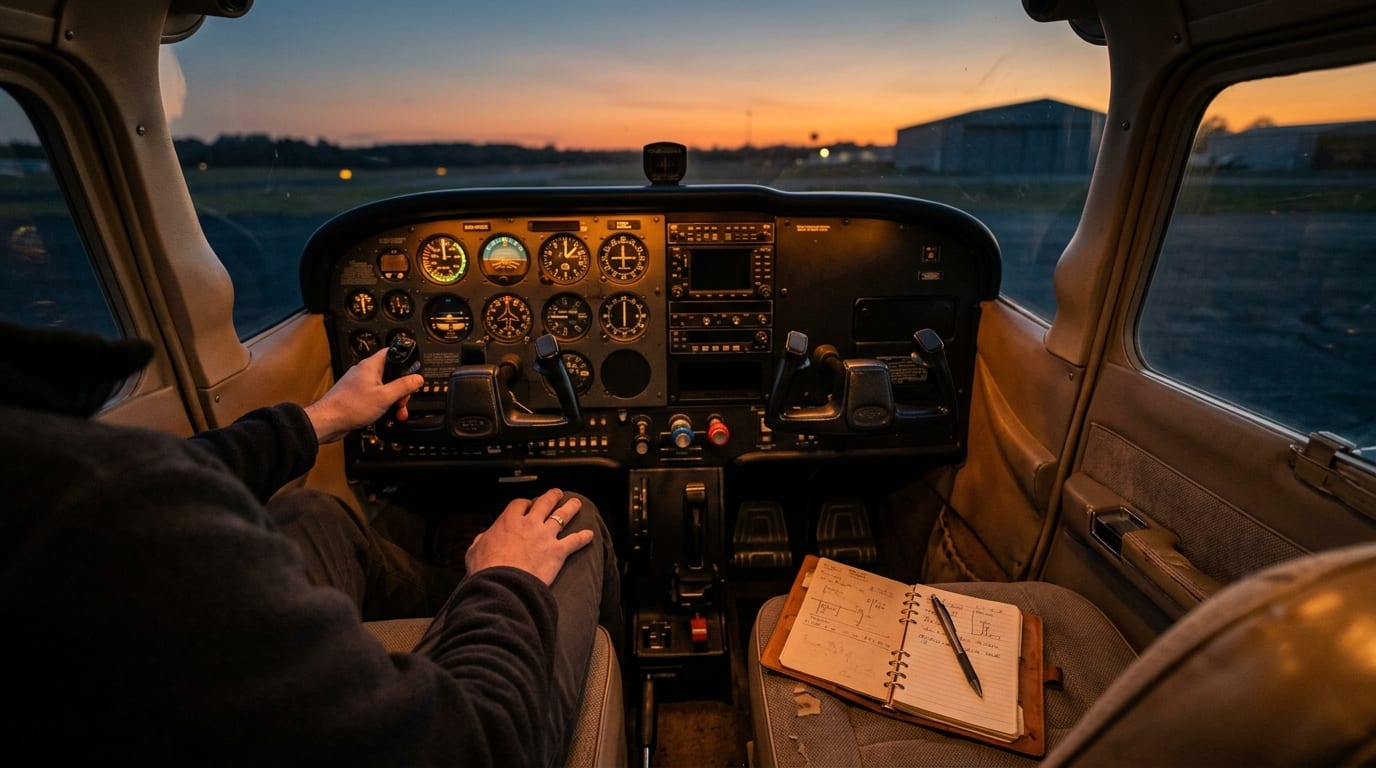
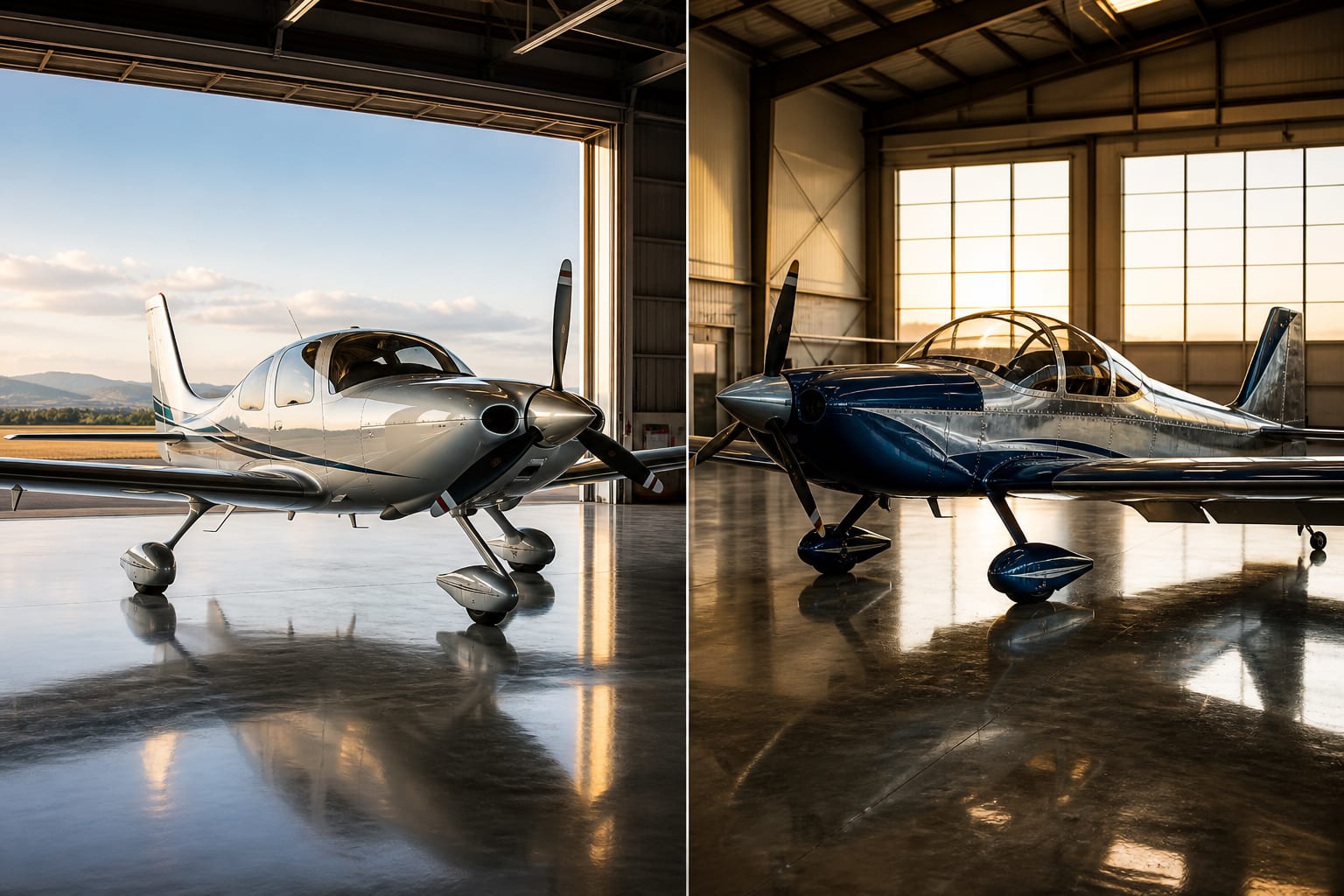
You’ll likely train in a two- or four-seat single-engine piston airplane with stable handling and good training support. Whether you choose a high-wing or low-wing airframe, analog gauges or a glass cockpit—pick one configuration and stick with it. Consistency is a common training best practice that shortens the learning curve.
As you approach checkride time, review whether a complex or high-performance endorsement is necessary for your goals; most PPL tracks don’t require them, and you can add those later [1].
Ground school options
- Online courses offer flexibility and repeatable modules—ideal if you’re disciplined and want to study on your own schedule.
- In-person classes give you instructor access and peer accountability.
- Self-study can work if you’re structured and pair it with regular quizzes and instructor check-ins.
Whichever you choose, aim to pass your knowledge test well before your long solo cross-country [5].

Geographic and practical considerations
Weather impact on training
- Climate matters: regions with many VFR days reduce weather cancellations and help you fly more often. In seasonal climates, plan around winter ceilings and spring/summer convective weather.
- Build weather alternates into every booking (e.g., hood work, simulator, or ground sessions) so you keep making progress even when you can’t fly.
Airport and airspace considerations
- Training at a controlled field (Class D/C/B) builds radio proficiency and traffic awareness quickly. An uncontrolled field offers simplicity and less taxi time. Ideally, get exposure to both during your cross-country training [1].
- Cross-country requirements will take you into new airspace and terrain—plan routes that increase your comfort with towered operations, airspace transitions, and practical fuel planning [1].
Success rates and what determines training success
What the industry notes about hours
- Minimums: 40 hours under Part 61; 35 hours if you complete an approved course with a certificated training center (when approved by the Administrator) [1].
- Averages: Approximately 75 hours to complete PPL requirements on average. Training organizations commonly report 60–80 hours as a typical range [2][3][9].
Factors that predict success (from what I see work)
- Consistency: Frequent lessons and regular study compress your timeline—and your cost. That’s a common training best practice.
- Preparation: Show up briefed, practice chair-flying, and debrief with intention after every flight.
- Readiness: Secure your medical early and build time for life’s inevitable disruptions [3].
- Financial plan: Budget to the average hours, not the minimum [2][3][9].
Why some students don’t finish (and how to avoid that)
- Budget shortfalls: The fastest way to spend more is to run out of funds mid-training. Budget for the average hour count up front [2][3][9].
- Inconsistent schedules: Long gaps add re-learning time. Book ahead and stack lessons.
- Medical surprises: Don’t wait on the medical. Address it early with an AME [3].
- Misaligned expectations: Understand the FAA standards and your training syllabus before you start [1][7].
Preparing for success: What you can do before starting
- Get your medical early: Book with an FAA-authorized AME. If you have questions about conditions or medications, seek guidance before your formal exam so you don’t risk a denial [3].
- Choose a training path that matches your schedule: If you can train full-time, an accelerated program can get you done in about a month; if not, plan a steadier 3–6 month path with frequent sessions [6][8].
- Start ground school now: Work through aerodynamics, weather, regulations, and navigation at your pace and aim to pass the knowledge test before your solo cross-country [5][7].
- Build your budget: Use local quotes and realistic hour estimates (60–80 or about 75 on average) to project costs. Consider the example totals (~$10,000 to ~$18,000, depending on program and pace) [2][3][9][10].
- Interview instructors: Ask about their syllabus, checkride pass process, scheduling, and how they track your FAR 61.109 milestones [1].
- Plan for checkride logistics: Ask your school how they schedule DPEs and what lead times to expect in your area [7].
First impressions, observations, and my recommendation
First impressions: The PPL journey looks complex on paper, but in practice it’s a series of manageable steps. The FAA’s framework is clear. The flight hours add up. The checkride is a fair assessment of skills you’ll have practiced many times [1][5][7].
My observations: Students who treat training like a standing appointment—and who study between flights—finish faster, spend less, and feel more confident. They don’t chase the minimum hours; they aim for proficiency and let the hours land where they may. The data supports that mindset: most people finish well beyond 40, and that’s okay [2][3][9].
My recommendation: If you’re serious about starting, schedule your medical, book an intro flight, pick a training path that matches your availability, and commit to flying frequently. For most motivated adults, earning a Private Pilot Certificate is absolutely within reach. It’s not about talent; it’s about planning, consistency, and good instruction. Use the standards, build momentum, and go earn your wings.
Frequently asked questions
How long does it usually take to get a private pilot license?
How much does a private pilot license cost in 2025?
Is passing the FAA checkride difficult?
What can you do with a private pilot license?
Can I train with an independent flight instructor instead of at a flight school?
What if I have a medical condition—can I still get a pilot license?
Sources
- 14 CFR Part 61 Subpart E — Private Pilots (eCFR)
- FAA FAQ: What are the hourly requirements in becoming a pilot?
- EAA — Becoming a Private Pilot: Step by Step
- ATP Flight School — Private Pilot License Requirements & Training
- FAA Requirements to Obtain a Private Pilot Certificate (Summary) — Kirtland Flight Center PDF
- Pilot Institute — How Hard Is It to Become a Pilot?
- Pilot Institute — Private Pilot Requirements: How to Get Your Pilot’s License
- Epic Flight Academy — Private Pilot License: Steps and Timeline
- AeroGuard — A Closer Look at Private Pilot License Requirements
- Illinois Aviation Academy — Private Pilot (Part 141) Cost Examples