As an Amazon Associate I earn from qualifying purchases.
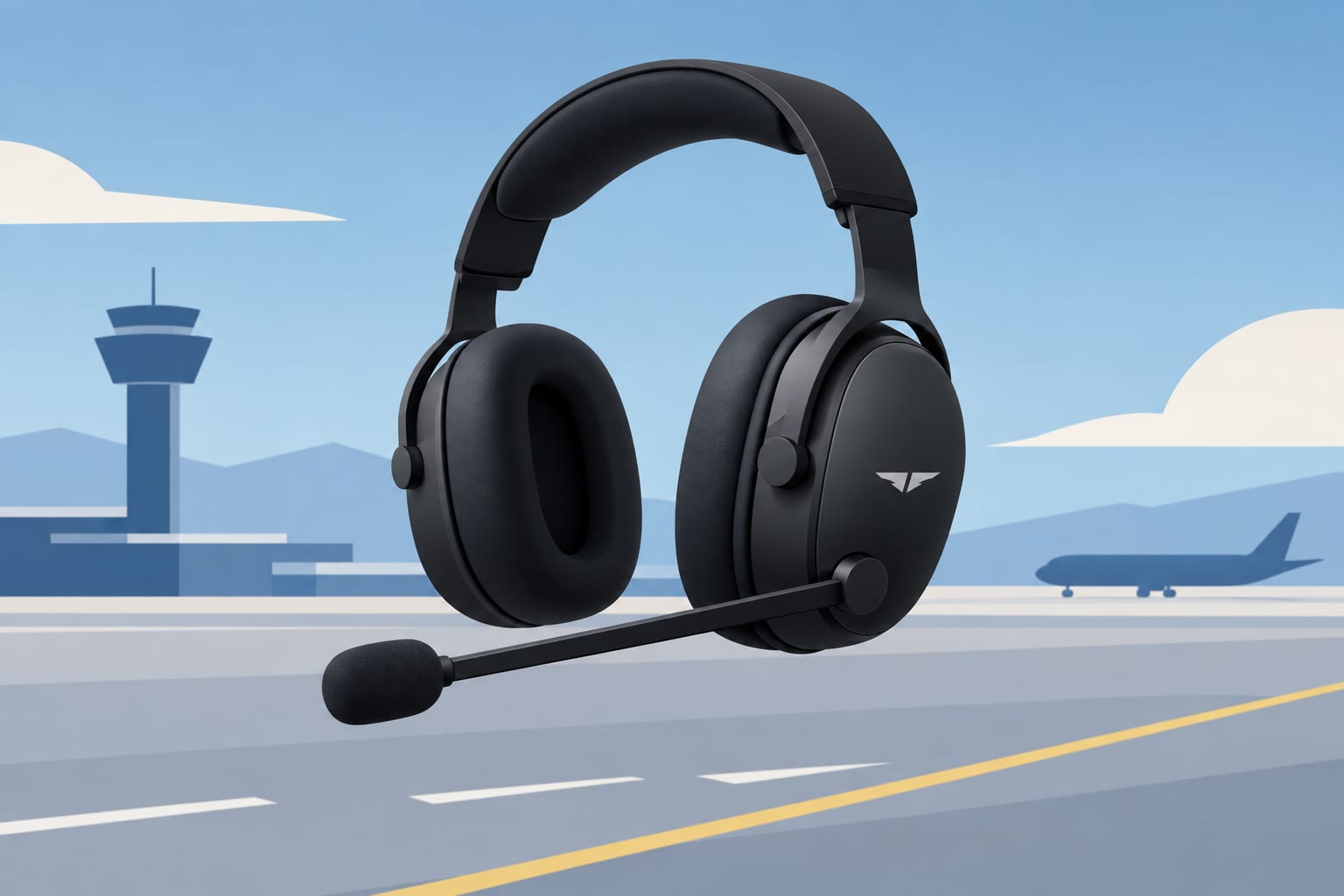
If you're choosing between Lightspeed's Lightspeed Zulu 3 Zulu 3 and the newer Lightspeed Delta Zulu Delta Zulu, you're evaluating two excellent active noise-canceling headsets from the same manufacturer, but with meaningfully different feature sets. The Delta Zulu is the pick for pilots who want built-in carbon-monoxide detection and personalized audio, while the Zulu 3 remains a compelling choice for those prioritizing comfort, long battery life, and proven performance without the flagship price tier.
Table Of Contents
- At A Glance
- Active Noise Reduction: Comparable Performance, Different Eras
- Comfort & Build: Glasses-Friendly Seals vs. Flagship Refinement
- Battery & Power: AA Longevity vs. Rechargeable Flexibility
- Audio & Connectivity: Front Row Center vs. HearingEQ
- The Flagship Differentiator: Built-In Carbon-Monoxide Detection
- Who Should Buy Which
- Bottom Line
At A Glance
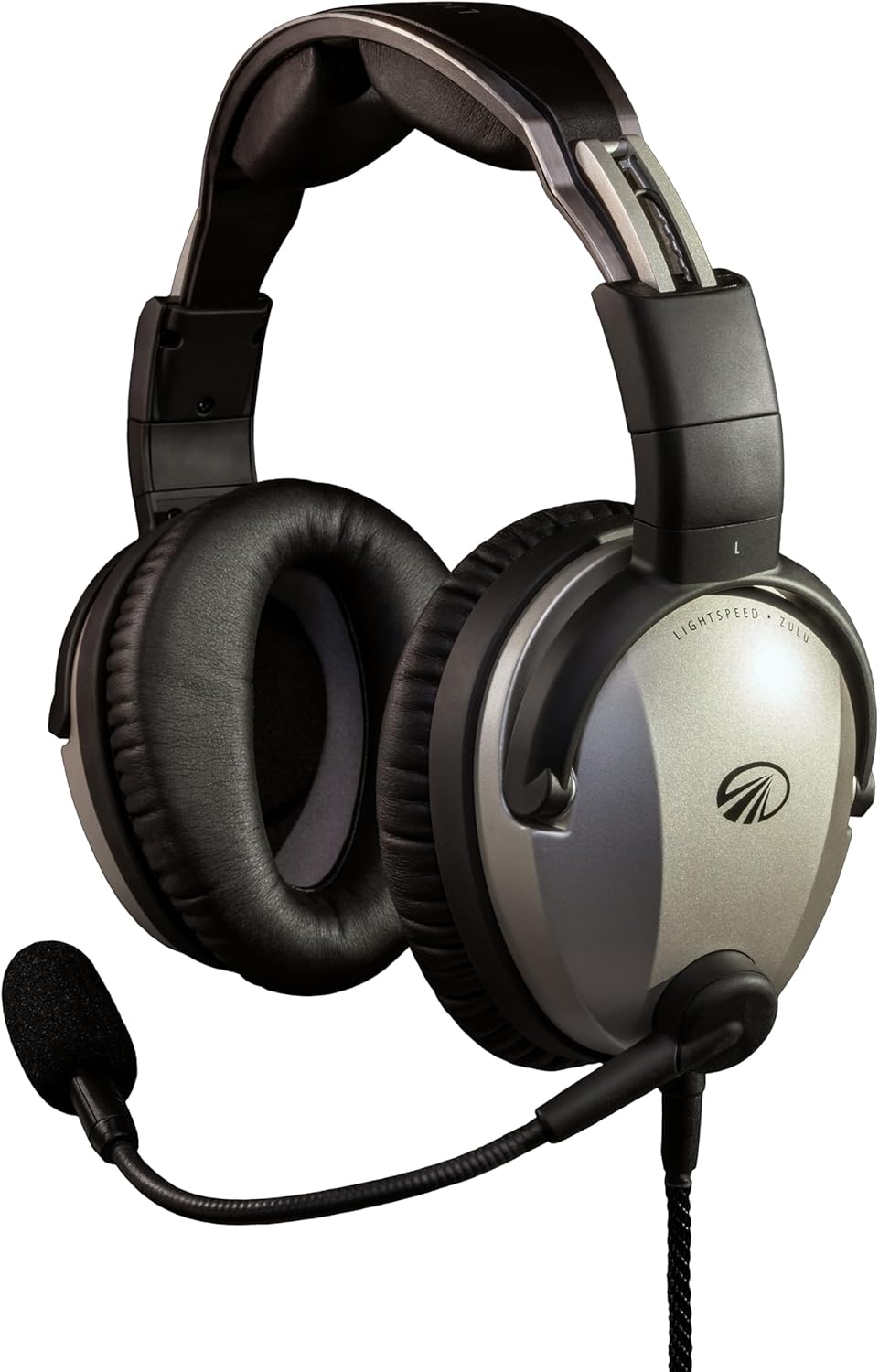

| Feature | Lightspeed Zulu 3 | Lightspeed Delta Zulu |
|---|---|---|
| Active noise reduction | Yes, over-ear ANR | Yes, over-ear ANR |
| Comfort & design | Plush tapered ear seals, glasses-friendly; magnesium frame | Over-ear design; Kevlar-core cable |
| Weight | Magnesium structural components | Not specified |
| Bluetooth & controls | Bluetooth + aux input | Bluetooth + aux input |
| Standout features | Front Row Center audio imaging; ~30 hrs on 2 AA batteries | Built-in CO detection with alerts; HearingEQ personalized profile |
| Power | 2 AA batteries (~30 hours) | Rechargeable battery or AA |
| Value tier | Mid-flagship workhorse | Current flagship |
Active Noise Reduction: Comparable Performance, Different Eras
Both the Lightspeed Zulu 3 Zulu 3 and Lightspeed Delta Zulu Delta Zulu deliver over-ear active noise cancellation, Lightspeed's core technology for cutting cockpit noise. The Zulu 3 has been the brand's wired ANR workhorse for years, direct successor to the discontinued Zulu.2, and pilots report excellent attenuation in piston singles and light twins. The Delta Zulu carries that ANR heritage forward as Lightspeed's current flagship, though the manufacturer does not publish comparative ANR metrics between the two models.
In practice, both headsets will give you the quiet cockpit Lightspeed is known for. Your choice here hinges more on the supplementary features than on raw noise suppression.
Comfort & Build: Glasses-Friendly Seals vs. Flagship Refinement
The Lightspeed Zulu 3 Zulu 3 is expressly designed for long-haul comfort. Its plush, tapered ear seals are sized to accommodate eyeglasses without breaking the seal or creating pressure points, a detail that matters on multi-hour cross-countries. Magnesium structural components keep weight manageable while maintaining durability, and the Kevlar-core cable resists kinks and abrasion.
The Lightspeed Delta Zulu Delta Zulu also incorporates a Kevlar-core cable and an over-ear design, but Lightspeed has not disclosed whether the flagship model's ear seals share the Zulu 3's specific taper geometry. If you wear glasses and comfort is your top priority, the Zulu 3's track record is well-documented by pilots who log hundreds of hours annually.
Battery & Power: AA Longevity vs. Rechargeable Flexibility
The Lightspeed Zulu 3 Zulu 3 runs on two AA batteries and delivers approximately 30 hours of use, enough for several weeks of weekend flying or an extended cross-country without needing fresh cells. That's a meaningful advantage if you fly sporadically or prefer not to manage charging cables.
The Lightspeed Delta Zulu Delta Zulu offers dual-mode power: a rechargeable internal battery or AA fallback. This flexibility appeals to pilots who fly frequently and appreciate USB charging between trips, but who also want the safety net of disposable batteries during long ferry flights or when caught without a charger. You'll need to remember to recharge, but you're never completely stranded.
Audio & Connectivity: Front Row Center vs. HearingEQ
Both headsets support Bluetooth audio and auxiliary input, so you can stream music, take phone calls, or connect a backup audio source. Where they diverge is in audio tuning.
The Lightspeed Zulu 3 Zulu 3 features Lightspeed's Front Row Center speakers, designed to improve audio imaging, particularly useful for clearly localizing radio calls and distinguishing multiple simultaneous transmissions in busy airspace.
The Lightspeed Delta Zulu Delta Zulu introduces HearingEQ, a personalized hearing profile that tailors audio output to your unique hearing characteristics. Combined with adjustable EQ, this gives you fine-grained control over how radio, intercom, and entertainment audio sound in your ears. If you have asymmetric hearing or struggle with certain frequency ranges (common after years of flying older aircraft), HearingEQ is a tangible benefit.
The Flagship Differentiator: Built-In Carbon-Monoxide Detection
The most significant feature gap between these headsets is the Lightspeed Delta Zulu Delta Zulu's built-in carbon-monoxide detection. The headset continuously monitors for CO and delivers both audible and visual alerts if dangerous levels are detected. This is not a gimmick, CO incapacitation has caused fatal accidents in aircraft with compromised exhaust systems, and early warning can be lifesaving.
The Lightspeed Zulu 3 Zulu 3 has no such feature. You can carry a standalone CO detector, but the Delta Zulu integrates the sensor into gear you're already wearing on every flight.
If you fly behind piston engines, especially older installations or experimental aircraft, the Delta Zulu's CO detection is a substantive safety upgrade. If you fly turbine aircraft, glass-panel trainers with robust ventilation, or you already carry multiple independent CO monitors, this feature may be less decisive.
Who Should Buy Which
Choose the Lightspeed Zulu 3 if:
- You prioritize long battery life and prefer the simplicity of AA power
- You wear glasses and want proven, plush ear seals designed around that use case
- You fly regularly but don't need flagship-tier features like CO detection
- You appreciate audio imaging (Front Row Center speakers) in busy airspace
- You want a well-regarded, mature platform at a mid-flagship value tier
Choose the Lightspeed Delta Zulu if:
- You fly piston singles or twins and want integrated carbon-monoxide monitoring for an added layer of safety
- You have hearing asymmetries or preferences that benefit from personalized HearingEQ tuning
- You prefer rechargeable power with an AA backup option
- You want Lightspeed's current flagship technology and are willing to invest in it
Bottom Line
The Lightspeed Delta Zulu Lightspeed Delta Zulu is the clear choice for pilots who value integrated CO detection and personalized audio, two features that directly address safety and hearing fatigue. It's Lightspeed's current flagship for good reason.
That said, the Lightspeed Zulu 3 Zulu 3 remains a highly capable headset with excellent noise cancellation, outstanding comfort for glasses wearers, and impressive battery endurance. If you don't need carbon-monoxide monitoring or customized EQ, the Zulu 3 delivers proven Lightspeed performance in a mature, reliable package. Both headsets will serve you well, your mission and cockpit will determine which belongs on your head.
Disclaimer: Some articles on this site are created with the assistance of AI technology.