As an Amazon Associate I earn from qualifying purchases.
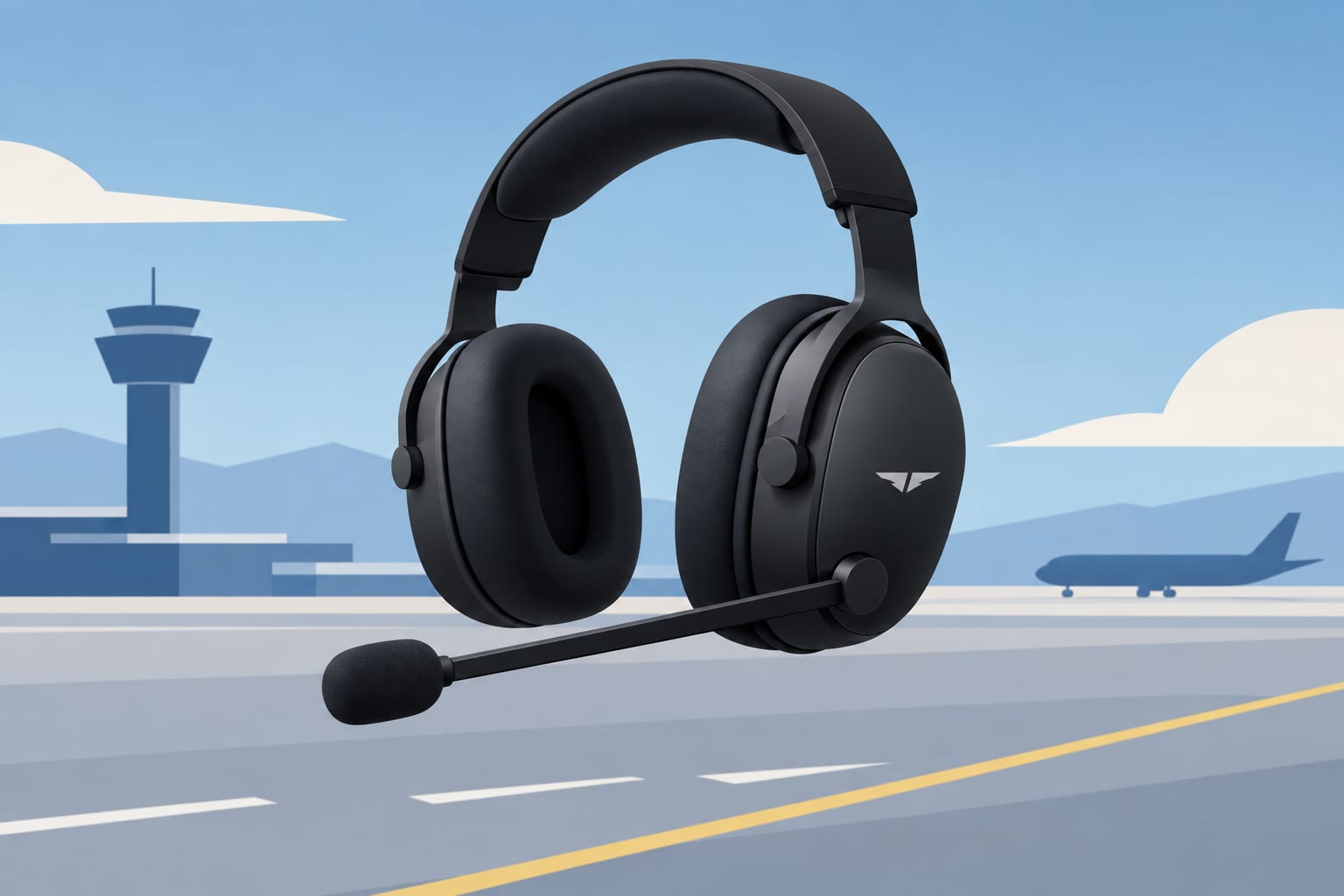
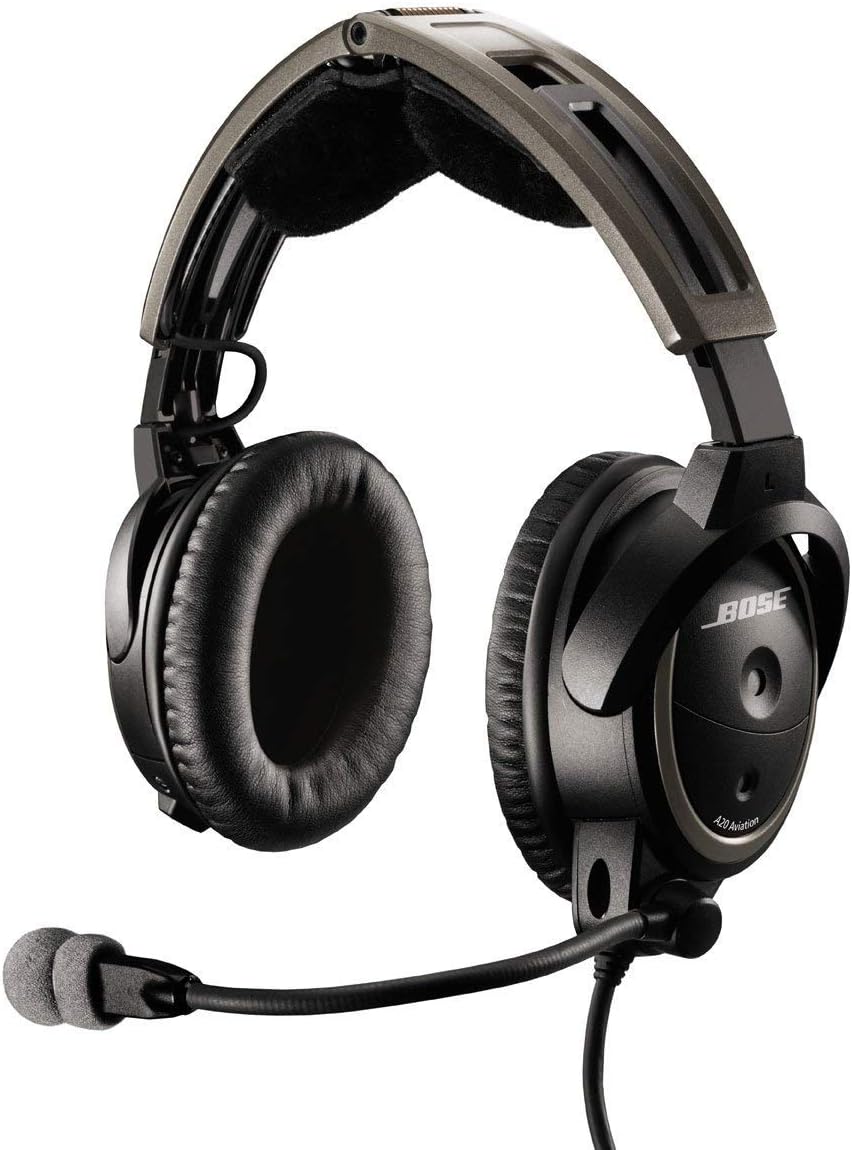
If you already own the Bose A20 or you're deciding between it and the newer A30, this comparison cuts through the marketing to show you what actually changed, and whether those changes matter in the cockpit. For most pilots, the Bose A30 is the better buy thanks to measurably lower clamping force, three selectable noise-cancellation modes, and instant tap-through for situational awareness. But the A20 remains a proven, TSO-certified workhorse that many pilots will be perfectly satisfied keeping or buying.
Table Of Contents
- At A Glance
- Active Noise Reduction: Three Modes vs. Proven Single Mode
- Comfort and Clamping Force: Measurable Difference for Long Flights
- Tap Control vs. Button-Only Interface
- Bluetooth and Connectivity: Essentially Matched
- Certification and Durability: Both TSO-Certified, Both Proven
- Who Should Buy Which
- Bottom Line
At A Glance

| Feature | Bose A30 | Bose A20 |
|---|---|---|
| Active Noise Reduction | Three selectable ANR modes | Single ANR mode |
| Clamping Force | ~20% lower than A20 | Standard (reference point) |
| Controls | Tap Control (hear-through) | Button controls only |
| Bluetooth | Yes, plus aux input | Yes (Bluetooth variant), plus aux |
| TSO Certified | FAA TSO-C139a | FAA TSO-C139a |
| Battery Life | Not specified | ~30 hours (2 AA) |
| Market Position | Newest flagship | Long-standing flagship (since 2010) |
Active Noise Reduction: Three Modes vs. Proven Single Mode
The Bose A30 introduces three selectable ANR modes, allowing you to dial noise cancellation up or down depending on the phase of flight or your cockpit environment. This flexibility means you can maximize quiet during cruise, then pull back ANR slightly during taxi or approach when you want more ambient awareness without removing the headset.
The Bose A20 offers a single, fixed ANR mode, the same active noise cancellation that has defined the over-ear benchmark since 2010. It delivers consistent, effective noise reduction across all flight phases, but you don't have the option to adjust intensity on the fly.
Edge: A30. The ability to tune noise cancellation to the mission adds real utility, especially for instructors, pipeline pilots, and anyone who switches between high- and low-workload environments.
Comfort and Clamping Force: Measurable Difference for Long Flights
The Bose A30 applies roughly 20 percent less clamping force than the A20. For pilots flying multi-hour legs or wearing glasses, that reduction translates to less pressure on the temples and a noticeably lighter feel over time. The A30 maintains the same over-ear (circumaural) design, so seal and ANR performance aren't compromised.
The Bose A20 uses the original clamping force, which many pilots have worn comfortably for thousands of hours. It's not uncomfortable, it's simply the reference point. If you've never had issues with the A20's fit during a four-hour cross-country, the difference may not matter to you.
Edge: A30. The lower clamping force is a tangible improvement for all-day wear, particularly for pilots who've found the A20 slightly tight.
Tap Control vs. Button-Only Interface
The Bose A30's Tap Control lets you instantly reduce ANR and microphone sensitivity by tapping the right ear cup, giving you quick situational awareness during line checks, ramp communication, or when a passenger taps your shoulder. Release, and full ANR returns. It's faster and more intuitive than toggling a switch.
The Bose A20 relies on physical button controls. All functions work reliably, but there's no one-tap hear-through mode, you'd need to pull an ear cup back or lower the ANR manually if such an option existed (it doesn't on the A20).
Edge: A30. Tap Control is a genuinely useful addition for instructors, multi-crew operations, and any scenario where you need to hear the ramp or cabin without breaking your scan.
Bluetooth and Connectivity: Essentially Matched
Both the Bose A30 and the Bose A20 (Bluetooth variant) offer Bluetooth audio streaming and an auxiliary input. You can pair your phone or tablet for music, podcasts, or EFB alerts, and both headsets handle Bluetooth plus intercom audio simultaneously without conflicts. Dual GA plugs are standard on both.
Edge: Tie. No meaningful difference here, both deliver the connectivity pilots expect.
Certification and Durability: Both TSO-Certified, Both Proven
The Bose A30 and Bose A20 are both FAA TSO-C139a certified, meeting the same performance and reliability standards for active noise reduction in the cockpit. The A20 has over a decade of real-world durability data; the A30 is newer but built to the same Bose standard.
Edge: Tie. Either headset meets certification requirements and will hold up to the rigors of professional and recreational flying.
Who Should Buy Which
Choose the Bose A30 if:
- You fly long legs (3+ hours) and want the lowest clamping force available in a Bose headset
- You're a CFI or fly multi-crew and need quick hear-through for ground communication
- You want the flexibility of three noise-cancellation modes to match different phases of flight
- You're buying your first high-end ANR headset and want the most current technology
Stick with or buy the Bose A20 if:
- You already own one and it fits comfortably, the A20 remains a TSO-certified, fully capable headset
- You don't need adjustable ANR modes or tap-to-hear features
- You prioritize proven, decade-long durability data over the newest features
- You fly shorter trips where clamping force isn't a fatigue factor
Bottom Line
The Bose A30 is the headset to buy today. Its lower clamping force makes all-day wear more comfortable, three ANR modes give you real-world flexibility, and Tap Control is faster than fumbling with buttons when you need to hear the ramp. If you already own an A20 and it fits well, you're not missing critical capability, but if you're buying new or logging frequent long flights, the A30's refinements are worth it.
Disclaimer: Some articles on this site are created with the assistance of AI technology.