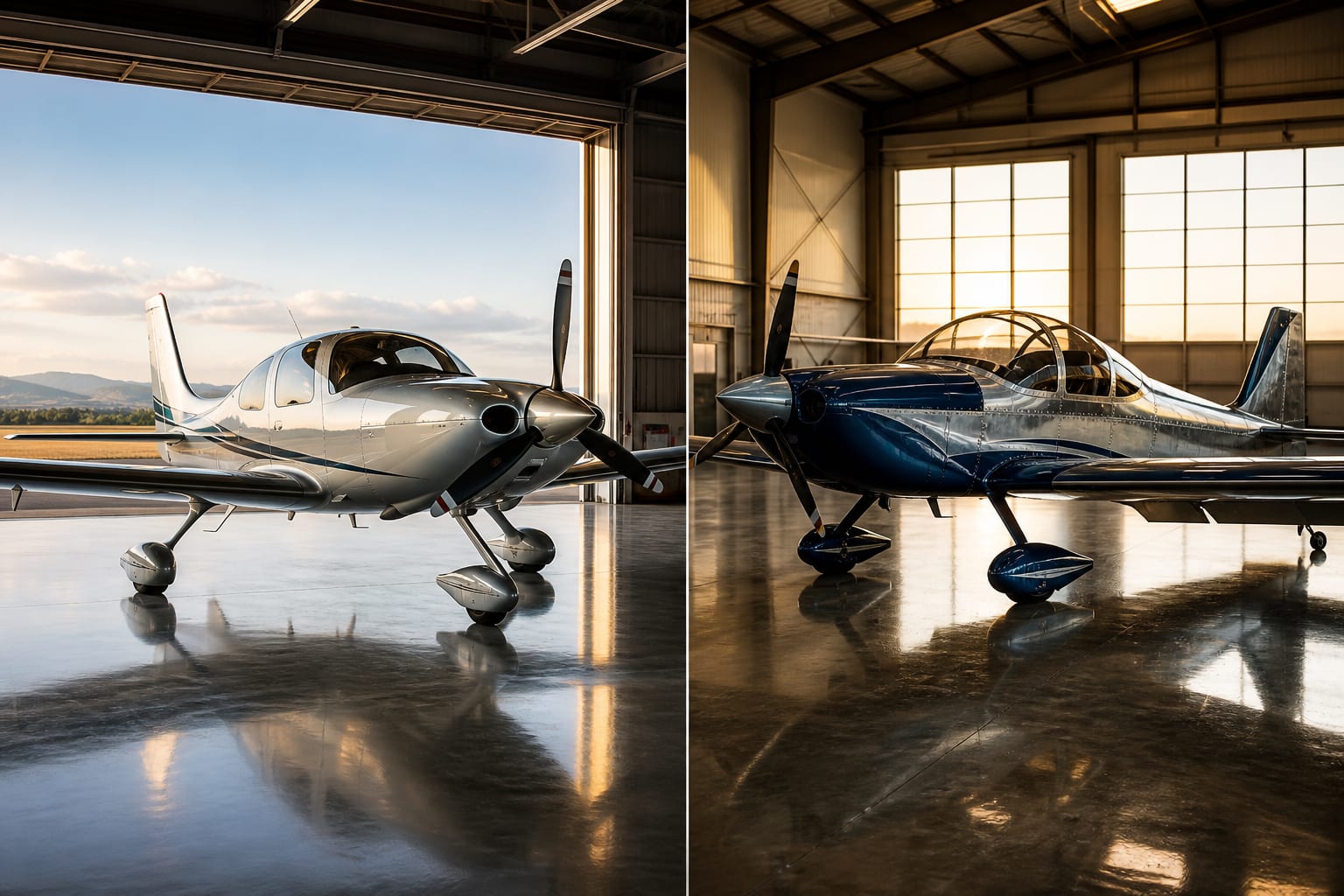
Picture this: you've just earned your private pilot certificate, you're scrolling through aircraft listings, and you notice two seemingly similar planes side by side. One is listed for significantly more than the other. The cheaper one says "Experimental - Amateur Built." The pricier one is FAA certified. Before you assume you've found a bargain, or dismiss the experimental outright, stop. The decision between an experimental and a certified aircraft is one of the most consequential choices a first-time buyer will make, and it's rarely as simple as price. Here's how to think through both sides clearly so you can buy with confidence.
Table Of Contents
- What "Certified" And "Experimental" Actually Mean
- The Cost Reality: Purchase Price Is Just The Beginning
- Safety: Separating Fact From Fear
- Practical Limitations: What You Can And Can't Do With Each
- Who Is Each Type Of Aircraft Actually Right For?
- Before You Buy: Key Steps That Apply To Both Paths
- The Bottom Line: There's No Universal Right Answer, Only The Right Answer For You
- Sources
What "Certified" And "Experimental" Actually Mean
Before you can make a smart decision, you need to understand what these labels actually represent, because the FAA definitions matter more than the marketing language you'll see in listings.
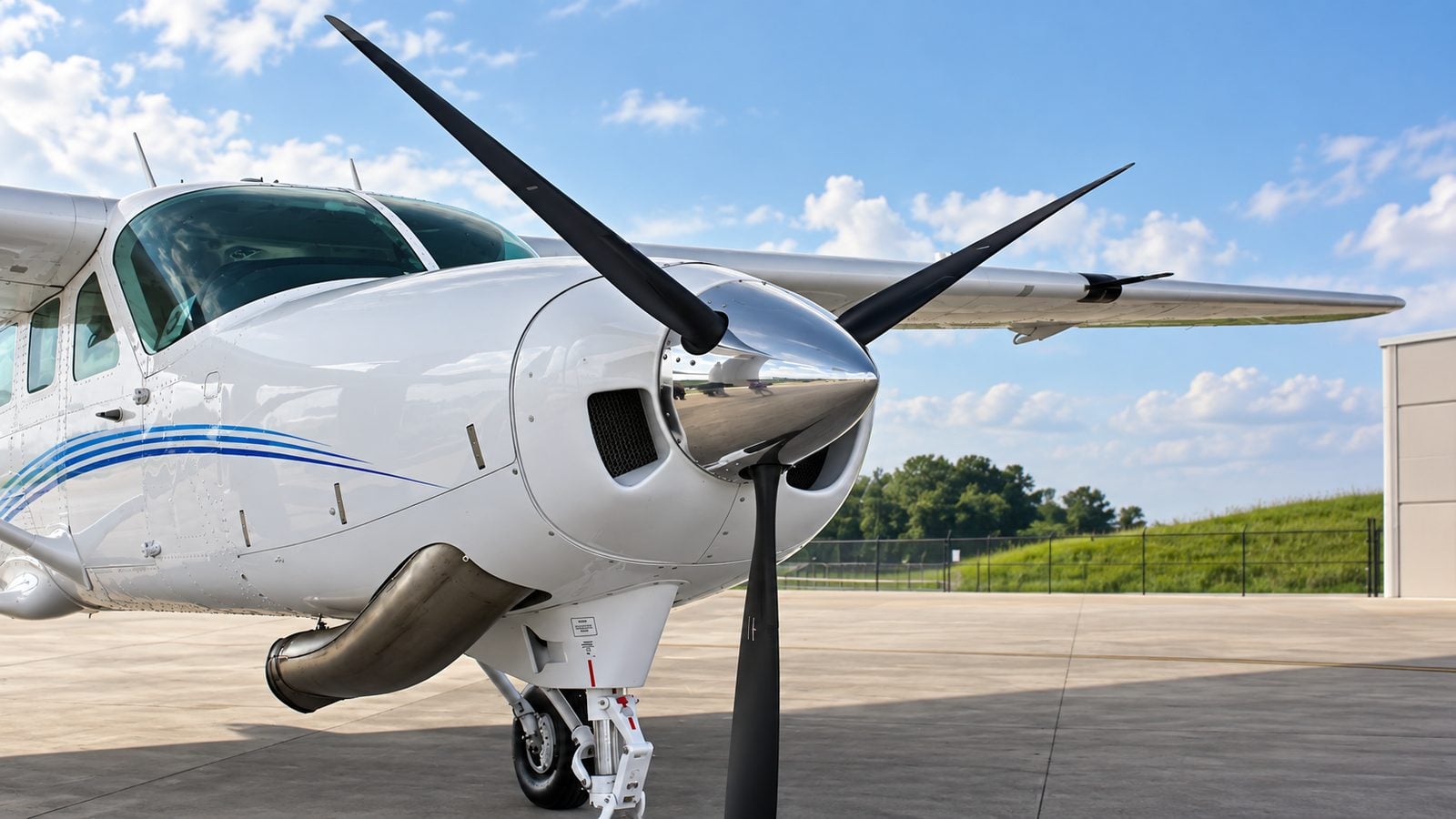
A certified aircraft holds an FAA Type Certificate (TC), which means the FAA has reviewed and approved the aircraft's design, manufacturing processes, and materials against a defined airworthiness standard. Every Cessna 172, Piper Cherokee, and Cirrus SR22 that rolls off the production line does so under that TC umbrella. The manufacturer is legally accountable for building to that standard, and the FAA oversees the process.
The operational implications are significant. Certified aircraft must be maintained by FAA-certificated Airframe and Powerplant (A&P) mechanics. Any modification, such as adding an avionics upgrade, typically requires a Supplemental Type Certificate (STC). Parts must meet FAA-approved standards (PMA or TSO'd). The system is structured, traceable, and well-documented by design. One nuance worth knowing: certificated pilots are permitted to perform certain preventive maintenance tasks on aircraft they own under 14 CFR 43.3(g), but the scope is limited.
An experimental amateur-built aircraft operates under a different FAA airworthiness certificate category entirely. The defining requirement is the FAA's "major portion" rule, commonly called the 51% rule, which requires that the individual builder (not a manufacturer) complete the majority of the fabrication and assembly, primarily for education and recreation rather than commercial sale [1]. Popular kit aircraft in this category include the Van's RV series, Zenith aircraft, Kitfox, and Sonex. These are serious, well-engineered machines, not backyard experiments. The word "experimental" is a regulatory classification, not a quality rating. Once construction is complete, the aircraft must pass a Phase 1 flight test period (typically 40 hours, though the exact requirement can vary based on proximity to populated areas and other factors in the FAA-issued operating limitations) before it can be flown operationally.
One more category worth knowing: Light Sport Aircraft (LSA). These are a recognized FAA airworthiness category covering aircraft that meet specific weight and performance limits and operate under their own regulatory framework. LSA actually includes several subcategories beyond factory-built models. If you're shopping for used aircraft at lower price points, you'll likely encounter LSAs alongside certified and experimental options, though new LSAs from manufacturers like Pipistrel or Flight Design can exceed $150,000 to $200,000.
The Cost Reality: Purchase Price Is Just The Beginning
Price is usually what draws first-time buyers toward experimentals. But sticker price is the least important number in the ownership equation.
Experimental aircraft are often, though not always, less expensive to purchase than comparable certified aircraft. Certified manufacturers carry enormous liability overhead, regulatory compliance costs, and type certificate maintenance expenses. Those costs flow directly into the purchase price. An experimental builder absorbs their own labor and builds without that liability framework, which can result in a lower asking price for a comparable airframe. That said, a well-built, well-equipped experimental with a glass panel, quality engine, and thorough documentation can command a serious premium. Don't assume "experimental" automatically means affordable.
Ongoing maintenance is where the experimental category's financial picture gets more nuanced, and where a critical distinction applies. The original builder of an experimental aircraft can apply for an FAA Repairman Certificate (Experimental Aircraft Builder), which authorizes them to perform maintenance and sign off their own annual condition inspection without hiring an A&P [2]. That is a genuine cost advantage for builders. However, this privilege does not transfer to a subsequent buyer. If you purchase a pre-owned experimental, you do not inherit the original builder's Repairman Certificate. You will need to hire an A&P to sign off condition inspections unless you hold your own A&P certificate. This is one of the most commonly misunderstood aspects of experimental ownership, and it changes the financial calculus significantly for buyers (as opposed to builders).
Certified aircraft annuals must be signed off by a licensed A&P. Labor rates vary by region and shop, and costs depend heavily on the aircraft's condition and what maintenance items surface. The ongoing cost gap between certified and experimental ownership can be meaningful over time, but only if you, as a buyer, have the mechanical aptitude and time to work on the aircraft under A&P supervision or oversight.
Insurance is another variable first-time buyers underestimate. Underwriters treat experimental aircraft differently than certified aircraft. Some insurers require documented flight hours in type or specific transition training before they'll bind coverage on an experimental. Hull coverage terms can also differ. Before you fall in love with a specific aircraft, get an insurance quote. It's a short call that can save you real money and frustration.
Safety: Separating Fact From Fear
The safety question is the one most first-time buyers ask first and understand least. Here's the honest answer.
Experimental amateur-built aircraft do have a higher accident rate per flight hour than certified GA aircraft in aggregate. That headline number requires critical context, though: a disproportionate share of experimental accidents occur during Phase 1 flight testing, the initial test period flown by the builder immediately after construction. That population (newly completed aircraft being evaluated by their builders) skews the overall statistics significantly. A buyer purchasing a completed, flight-tested experimental with a solid maintenance history, a thorough logbook, and hundreds of hours on the airframe is operating in a fundamentally different risk environment than those raw statistics suggest. The aircraft has already been proven. The unknowns have been worked out.
Certified aircraft carry their own risk factors, primarily age and deferred maintenance. The average certified GA aircraft in the U.S. fleet is decades old. An aging Piper with deferred airframe work and a tired engine is not inherently safer than a well-built, well-maintained experimental.
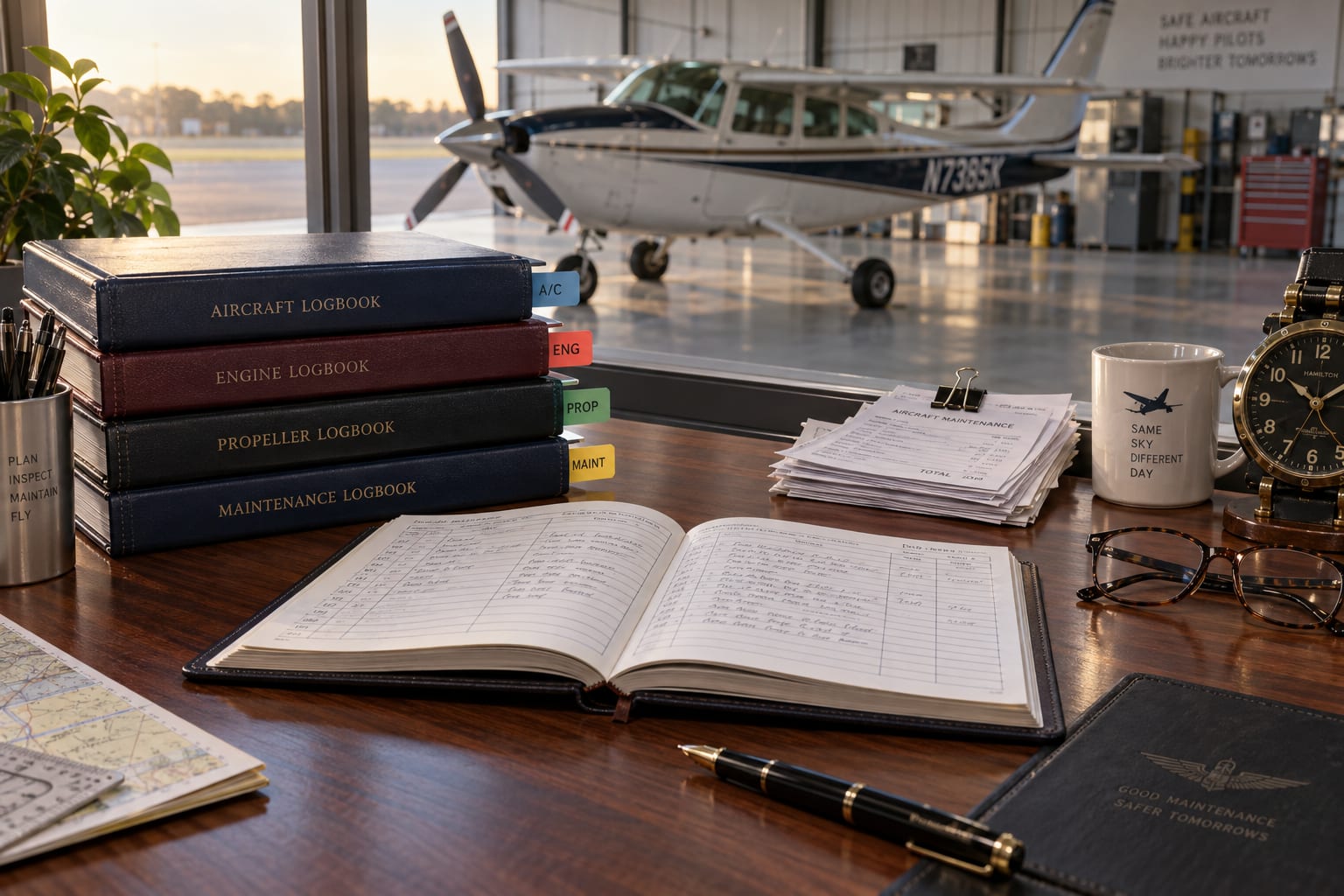
Here's the uncomfortable truth about experimentals: build quality varies dramatically. A meticulous builder who documented every step, involved EAA technical counselors, and flew hundreds of hours of uneventful operation has produced a very different aircraft than someone who rushed through a kit build with minimal documentation and no outside oversight. When you evaluate a pre-owned experimental, you are evaluating the builder as much as the aircraft. Ask for the builder's log. Ask for Phase 1 test flight records. Look for photos from the build process. Ask whether an EAA technical counselor was involved. If the documentation is thin or missing, treat that as a serious red flag regardless of how good the aircraft looks on a ramp walk-around. For any experimental pre-purchase inspection, hire an A&P with specific experience in that aircraft type. This step is non-negotiable.
Many popular experimental aircraft, particularly the Van's RV series, are significantly faster and more capable than the trainers most new pilots learn on. The RV-8, for example, cruises at approximately 170 to 175 knots, roughly 195 to 200 mph, which is a significant step up from a Cessna 172. Transitioning into that performance envelope without proper preparation is a real proficiency challenge. Seek out type-specific training, connect with EAA chapters, and find a mentor who flies the specific model you're considering before you take the keys.
Practical Limitations: What You Can And Can't Do With Each
Both certified and experimental aircraft generally have the same airspace access. Your pilot ratings and avionics determine where you can fly, not the aircraft's certification category. However, experimental aircraft carry operational restrictions that matter for certain buyers.
Experimental aircraft cannot be used for compensation or hire. You cannot use one to give paid flight instruction, fly charter, or conduct any commercial operation. If you have any ambition to eventually fly for hire, an experimental will not support that path. Additionally, experimental aircraft operating over congested areas are subject to specific FAA limitations that vary by the aircraft's operating limitations document.
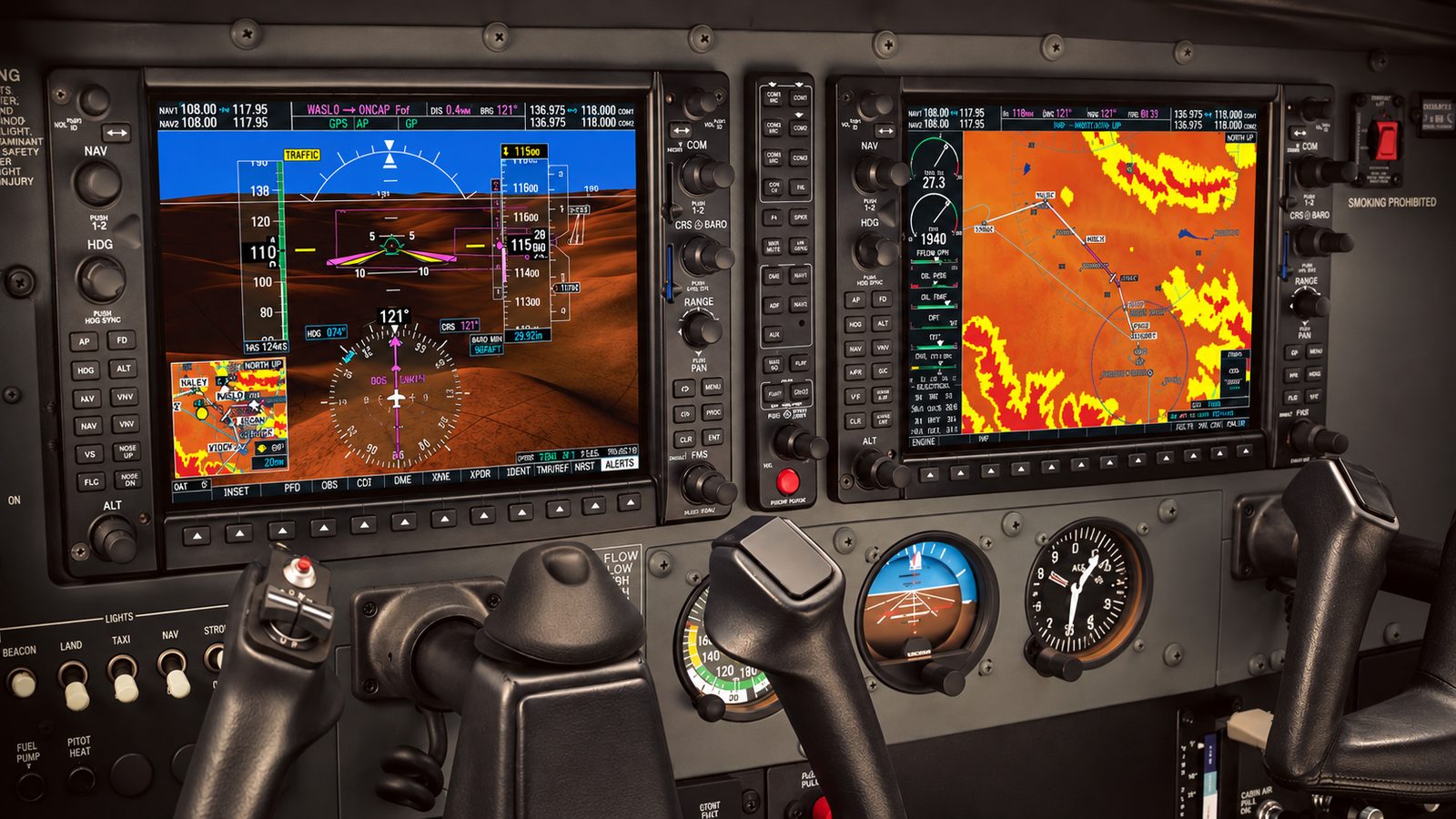
On the avionics side, experimentals offer a compelling advantage for the technically minded buyer. Certified aircraft require FAA-approved STCs for avionics additions or modifications, a process that adds cost and limits options. Experimental aircraft owners have broad latitude to install non-certified avionics: experimental-approved glass panels, ADS-B solutions, autopilots, and engine monitoring systems at a fraction of the STC'd equivalent cost. If you want a modern, well-equipped panel without a certified-aircraft price tag, the experimental route is worth serious consideration. The flip side: more freedom means more personal responsibility. You are accountable for ensuring every installation is safe, functional, and properly integrated.
Certified aircraft from established manufacturers tend to hold value more predictably and trade in a more liquid market. A 1978 Cessna 172 has a well-understood value floor. Experimental resale is more variable. A well-documented Van's RV-7 with a known builder history will sell; an obscure design with incomplete logs may sit on the market indefinitely. Financing is another practical constraint: many traditional aviation lenders will not finance experimental aircraft, which means buyers typically need to purchase with cash or find specialty financing. For a first-time buyer with limited capital, that is a real constraint worth factoring into your planning.
Who Is Each Type Of Aircraft Actually Right For?
Both categories are legitimate choices. The right one depends entirely on your mission, your skills, and your honest self-assessment.
You're probably a better fit for a certified aircraft if:
- You want predictable, well-documented maintenance with established parts availability
- You plan to fly IFR regularly, travel with family, or operate in IMC
- You have limited mechanical aptitude or time to invest in hands-on maintenance
- You may eventually want to use the aircraft commercially or for flight instruction
- You value an established resale market and want financing to be an option
You're probably a better fit for an experimental if:
- You are mechanically inclined and genuinely enjoy working on aircraft
- Your flying is primarily VFR recreational: cross-countries, fly-ins, personal travel
- You want modern avionics and strong performance at a lower total acquisition cost
- You have time to invest in deeply understanding your specific aircraft
- You're connected to, or willing to join, a community like EAA for ongoing support
- You've done thorough due diligence on the specific aircraft and its builder history
A separate note on building your own: some first-time buyers consider building a kit aircraft rather than purchasing a completed one. You'll know every rivet and wire in the airplane, and there's genuine satisfaction in flying something you built. But be honest about the commitment. Kit builds routinely take three to seven years to complete and require dedicated workspace, specialized tools, and sustained motivation. Many kit projects are never completed. Before you commit, spend time with EAA chapter builders who are mid-build and see what the process actually looks like before you write the first check.
Before You Buy: Key Steps That Apply To Both Paths
Regardless of which direction you go, these steps are non-negotiable for a first-time buyer.
- Get a pre-purchase inspection. For certified aircraft, use a qualified A&P. For experimentals, find an A&P with specific experience in that aircraft type, or engage an EAA technical counselor.
- Review the logbooks thoroughly. Look for gaps, deferred maintenance, and damage history. For experimentals, demand builder logs and Phase 1 test flight records.
- Fly the aircraft before you buy. If a seller won't allow a demo flight with appropriate insurance in place, walk away.
- Talk to type-specific communities. Van's Air Force forums, type clubs, and EAA chapters are invaluable. Other owners will tell you things a seller never will.
- Be honest about your actual mission. Buy the airplane for how you'll really fly, not how you imagine you'll fly.
- Check the FAA aircraft registry. Verify the N-number, current ownership, and any recorded liens before you commit.
- Consult an aviation attorney or aircraft title company, particularly for experimentals, where ownership documentation can be less standardized than certified aircraft transactions.
The Bottom Line: There's No Universal Right Answer, Only The Right Answer For You
Both certified and experimental aircraft are legitimate, well-supported choices with real communities, real resources, and real advantages. The right one depends on your mission, your mechanical aptitude, your budget, and your long-term goals as a pilot.
What I'll tell every first-time buyer: the cheapest aircraft to purchase is rarely the cheapest to own. Total cost of ownership, including maintenance, insurance, parts, and your own time, matters far more than the listing price. Take your time, take discovery flights in both types if you can, talk to owners who actually fly what you're considering, and lean on communities like EAA and AOPA before you sign anything. This is one of the most exciting purchases you'll ever make. The right research now sets you up for years of safe, rewarding flying.
Ready to move forward? Whether you're leaning toward a certified aircraft or seriously considering the experimental route, getting objective, experienced guidance before you buy can save you from costly mistakes. Reach out to our aviation advisors for a no-pressure consultation. We'll help you match the right aircraft to your actual mission, budget, and goals.
Sources
- FAA - 14 CFR Part 21, Amateur-Built Aircraft Certification
- FAA - Repairman Certificate (Experimental Aircraft Builder)
Disclaimer: Some articles on this site are created with the assistance of AI technology.