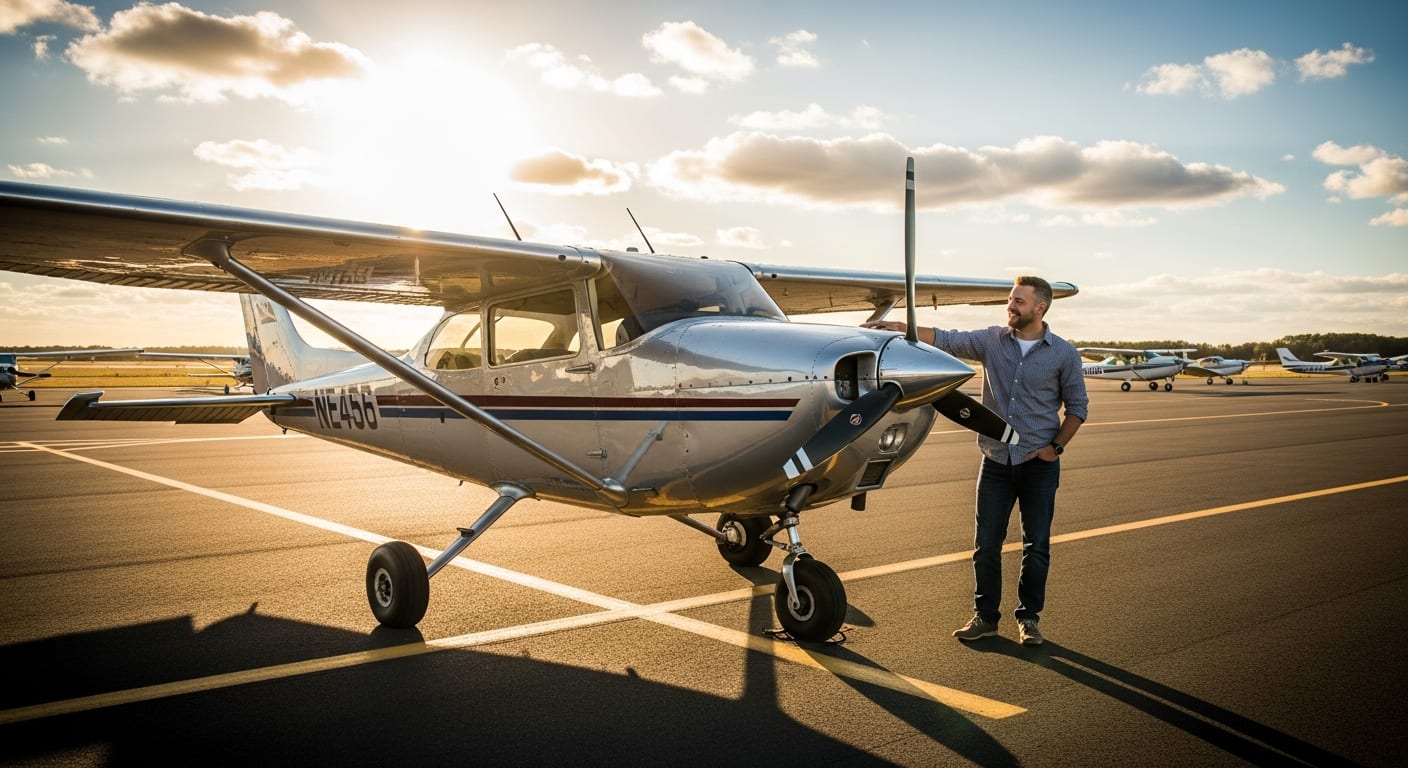
That moment when ownership stops feeling like a fantasy and starts feeling possible is one of the best in aviation. What follows almost immediately is the question that trips up most first-timers: what does this actually cost? The honest answer is that it depends on more variables than any single number can capture, and anyone who quotes you a quick figure without context is doing you a disservice. The purchase price is just the entry point. Licensing, insurance, maintenance, storage, and fuel all stack on top of it. This guide walks you through every layer so you can make a clear-eyed decision about whether personal aircraft ownership makes sense for you right now.
Table Of Contents
- First, You'll Need a Pilot's License, Here's What That Costs
- What Type of Aircraft Are You Looking For? Price Ranges by Category
- Beyond the Purchase Price, The True Annual Cost of Owning a Plane
- Financing and Alternatives to Full Ownership
- The Pre-Purchase Process, What to Do Before You Write a Check
- Is Buying a Plane to Fly Yourself Worth It? Honest Pros and Cons
- Conclusion
- Sources
First, You'll Need a Pilot's License, Here's What That Costs
Before you can legally fly yourself anywhere, you need a certificate. That cost belongs in your ownership budget from day one, not as a separate line item you will deal with later.
Private Pilot License (PPL)
The FAA requires a minimum of 40 flight hours to be eligible for a Private Pilot certificate, with at least 20 of those hours with a flight instructor and 10 hours of solo flight time. In practice, most students need 60 to 70 hours before they are ready to pass the checkride. That gap matters because every extra hour costs money.
All-in, ground school, flight instruction, written test fees, and the practical exam, most students spend between $10,000 and $15,000 to earn a PPL at a traditional flight school. Instruction rates vary by region and aircraft type, so treat those figures as a reasonable planning range rather than a guarantee. Accelerated programs can run higher but compress the timeline significantly.
Sport Pilot Certificate, a Lower-Cost Entry Point
If your goal is recreational flying in lighter aircraft, a Sport Pilot certificate offers a lower barrier to entry. The FAA minimum is 20 flight hours [1], and total training costs are generally lower than a full PPL. The tradeoff is real: a Sport Pilot certificate limits you to Light Sport Aircraft (LSA), which are smaller, slower, and less capable than most certified single-engine aircraft. That limitation directly affects what you can buy, where you can fly, and how many passengers you can carry.
Think of your certificate as Part One of the true cost of flying yourself. Once you have it, the next question is what kind of aircraft fits your mission and your budget.
What Type of Aircraft Are You Looking For? Price Ranges by Category
The general aviation market spans an enormous range, from used trainers you can find for under $40,000 to new factory aircraft pushing well past $400,000 [2]. Here is how the major categories break down for a first-time buyer.
Used Single-Engine Piston Aircraft and New Production Options
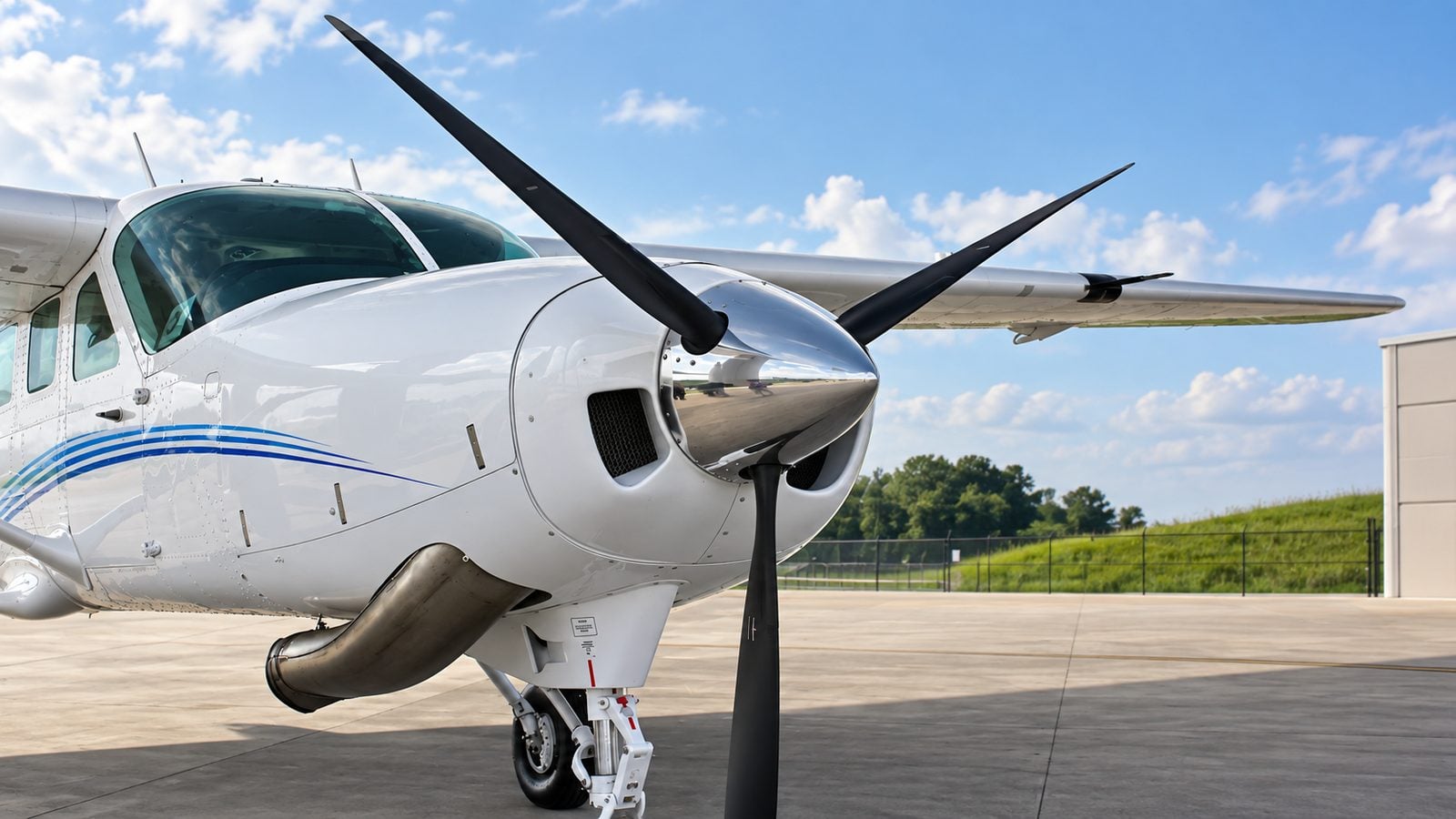
This is where the vast majority of first-time buyers land, and for good reason. Used single-engine piston aircraft offer the best combination of utility, availability, and relative affordability. A well-maintained Cessna 172 typically trades somewhere in the $40,000 to $100,000 range depending on year, total airframe hours, engine time remaining, and avionics. A Piper Cherokee or Warrior occupies a similar price band. Older examples from the 1960s and 1970s can be found for less, but expect to invest more in maintenance and avionics upgrades over time.
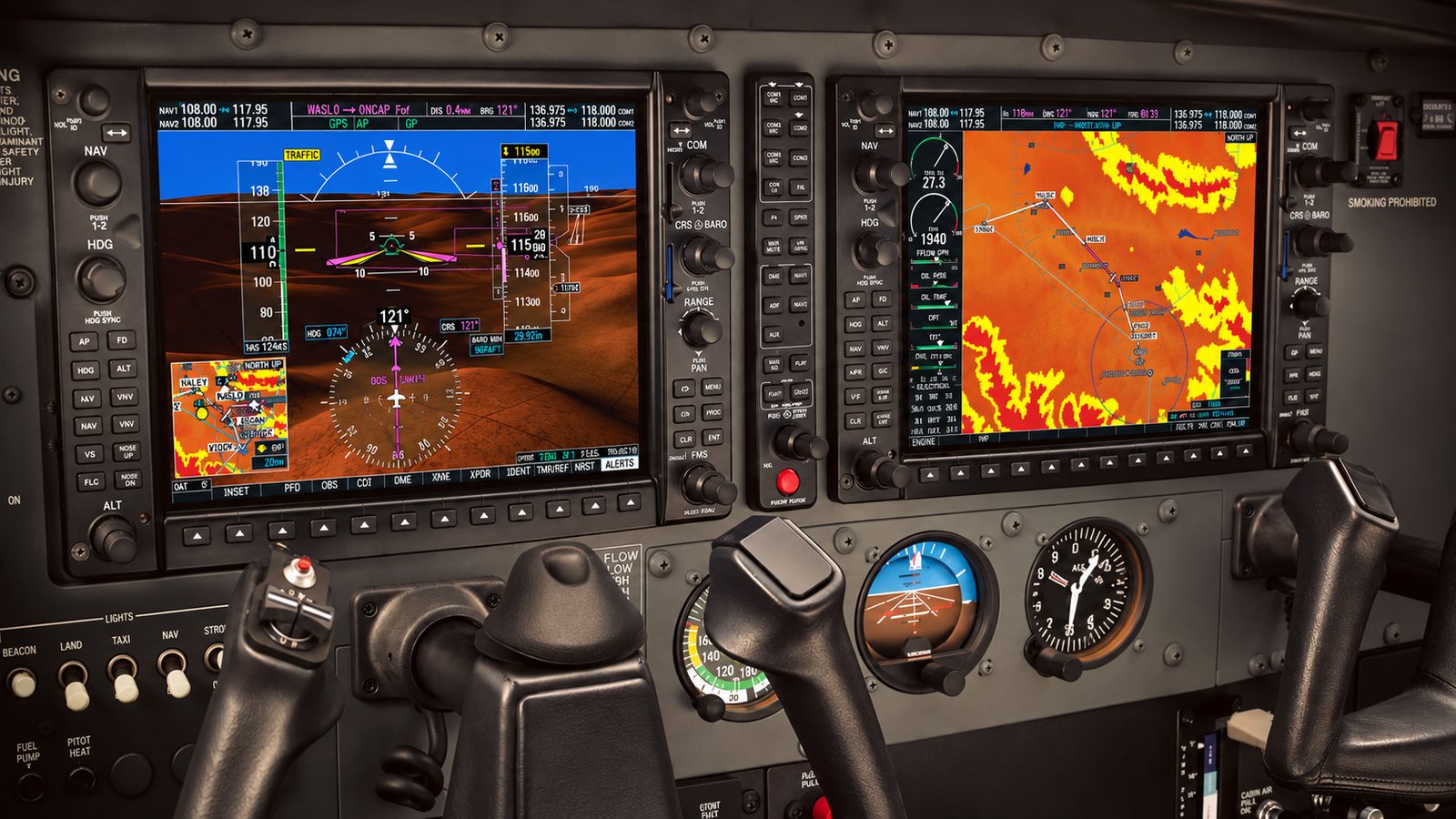
Four factors drive price more than anything else in this category: airframe hours, how much time remains before the engine reaches its manufacturer-recommended overhaul interval (TBO), what avionics are installed, and overall airframe condition. An aircraft with a freshly overhauled engine and a modern glass panel will command a significant premium over the same model with 200 hours left to TBO and a steam-gauge panel, and that premium is often justified.
If you are looking at an aircraft with 1,800 hours on an engine with a 2,000-hour TBO, budget for an engine overhaul in your near-term ownership costs. Depending on the engine, that overhaul can run $20,000 or more. That is not a reason to walk away, but it is a reason to negotiate the purchase price accordingly.
If you are considering a new production aircraft, be prepared for sticker shock. New single-engine aircraft from major manufacturers have surged well past $400,000 in recent years, with fully equipped models pushing significantly higher. Buying new makes sense when warranty coverage, modern avionics, and favorable manufacturer financing terms align with your priorities, but for a first-time buyer, a well-chosen used aircraft almost always delivers better value per dollar.
Light Sport Aircraft and Experimental Builds
LSAs are FAA-defined aircraft with a maximum gross weight of 1,320 pounds, a maximum speed of 120 knots calibrated airspeed, and a two-seat limit. New LSAs from established manufacturers generally start above $130,000, and some now exceed $200,000. Used examples can be found for considerably less depending on age and condition. Some LSAs are available as kit-built aircraft, which can reduce the purchase price substantially, but kit builds require significant time, mechanical aptitude, and workspace. For a first-time buyer, a factory-built LSA is the more practical path.
Experimental aircraft, built from kits or plans under FAA authorization, can also offer meaningful savings on purchase price. The tradeoff is significant: experimental aircraft carry different insurance considerations, have a more limited resale market, and require the owner to handle much of their own maintenance. Unless you have a strong mechanical background and a clear understanding of what you are taking on, I would not recommend an experimental aircraft as a first plane.
Here is a quick reference for how these categories compare:
| Category | Typical Price Range | Best For | Key Consideration |
|---|---|---|---|
| Used single-engine piston | $25,000–$100,000+ | Most first-time buyers | Engine time remaining is critical |
| Light Sport Aircraft (new) | $130,000+ | Sport Pilot certificate holders | Two-seat, speed, and weight limits |
| Light Sport Aircraft (used) | $50,000–$100,000 | Budget-conscious Sport Pilots | Verify LSA compliance history |
| New single-engine piston | $400,000+ | Buyers prioritizing warranty/avionics | High upfront cost, strong financing options |
| Experimental/homebuilt | $40,000–$80,000 | Mechanically experienced buyers | Insurance, resale, and maintenance complexity |
Beyond the Purchase Price, The True Annual Cost of Owning a Plane
This is where many first-time buyers get surprised. The aircraft purchase is a one-time transaction. Everything below is recurring, and it adds up whether you fly 50 hours a year or 200.
Storage, Insurance, and Required Inspections
You have two basic options for storing your aircraft: a hangar or an outdoor tie-down. Tie-downs are cheaper but expose your aircraft to weather, UV degradation, and the occasional wildlife encounter. Hangars protect the aircraft and generally reduce maintenance costs over time. Monthly costs vary enormously by location, smaller rural airports are far more affordable than metro-area facilities, where demand is high and space is limited. If you are based near a major city, budget accordingly, as hangar rents in those markets can run well above what you might expect.
Insurance for a single-engine piston aircraft generally runs in the range of $1,000 to $5,000 per year for a combination of liability and hull coverage, with first-time buyers and low-time pilots sitting at the higher end of that range. Insurers look at your total logged hours, hours in make and model, your certificate type, the aircraft's hull value, and intended use. As you build hours and experience, your premiums will generally decrease. Do not skip hull coverage on a financed aircraft, most lenders require it, and it protects your investment if the aircraft is damaged or destroyed.
Every FAA-certified aircraft must also undergo a full annual inspection by an FAA-certificated Airframe and Powerplant (A&P) mechanic with Inspection Authorization. A straightforward annual on a simple single-engine aircraft typically runs $800 to $1,500 in labor, but that number can climb significantly if the mechanic finds discrepancies that require repair. On an older aircraft, $2,500 to $4,000 for an annual that includes minor repairs is not unusual. Budget for the inspection itself and set aside an additional reserve for whatever the mechanic finds, because they will find something.
Fuel and Ongoing Maintenance
Aviation gasoline (100LL avgas) prices fluctuate with the broader fuel market and vary considerably by region, so check current prices at your home airport when building your budget. A Cessna 172 burns roughly 8 to 9 gallons per hour. At 100 hours of flying per year, a reasonable estimate for a personal aircraft owner, fuel alone becomes a meaningful line item. Some aircraft certified for mogas (automotive fuel) can reduce that cost, but verify your aircraft's eligibility before assuming that option is available.
Engine overhaul is the largest single maintenance expense you will face in ownership. Most piston aircraft engines have a manufacturer-recommended TBO of 1,500 to 2,000 hours, and a factory overhaul or rebuilt engine can cost $20,000 to $35,000 or more depending on the engine type. Experienced owners typically set aside a per-hour maintenance reserve to smooth those costs over time, the right number varies by aircraft type and age, but treating it as a real line item from day one is non-negotiable. Beyond the engine, budget for propeller inspections, avionics updates, and compliance with Airworthiness Directives (ADs), mandatory safety-related actions issued by the FAA that can range from a simple inspection to a costly part replacement.
When you stack all of these costs together, annual ownership expenses for a basic single-engine aircraft can realistically range from roughly $7,000 on the low end to $30,000 or more depending on the aircraft, how much you fly, and where you are based. These are real numbers, not worst-case scenarios.
Financing and Alternatives to Full Ownership
Not every buyer writes a check for the full purchase price, and aviation-specific financing is a well-established option for qualified buyers. Standard auto loans and personal loans are generally not the right tool for aircraft purchases. Aviation lenders understand the asset class, they evaluate aircraft age, total airframe time, avionics configuration, and title history as part of the underwriting process. Typical aviation loans require a meaningful down payment and carry multi-year terms, with interest rates that generally track secured consumer lending rates at the time of purchase.
One practical constraint worth knowing: many aviation lenders have minimum aircraft value thresholds, and some impose age limits on aircraft they will finance. A 1968 Cessna 172 priced at $35,000 may not qualify for conventional aviation financing, which means you either need cash, a personal loan, or a seller willing to carry a note. If you are targeting the lower end of the used market, plan for the possibility that you will need to pay cash or find creative financing.
Full ownership is not the only path to regular access to an aircraft. Co-ownership arrangements split fixed costs between two or more owners, which can cut hangar, insurance, and annual inspection costs substantially. Flying clubs offer access to a fleet without the obligations of ownership. If full ownership feels like a stretch at your current stage, these are legitimate and worthwhile alternatives.
The Pre-Purchase Process, What to Do Before You Write a Check
Skipping or shortcutting the pre-purchase process is one of the most expensive mistakes a first-time buyer can make. A pre-buy inspection is not the same as an annual inspection, and it should never be performed by a mechanic who has any relationship with the seller. You want an independent set of eyes on the aircraft, someone whose only obligation is to you. The inspection should cover the airframe, engine, avionics, logbooks, and compliance with all applicable ADs. Always fly the aircraft before you buy it. A test flight reveals handling characteristics, system behavior, and anomalies that a static inspection can miss.
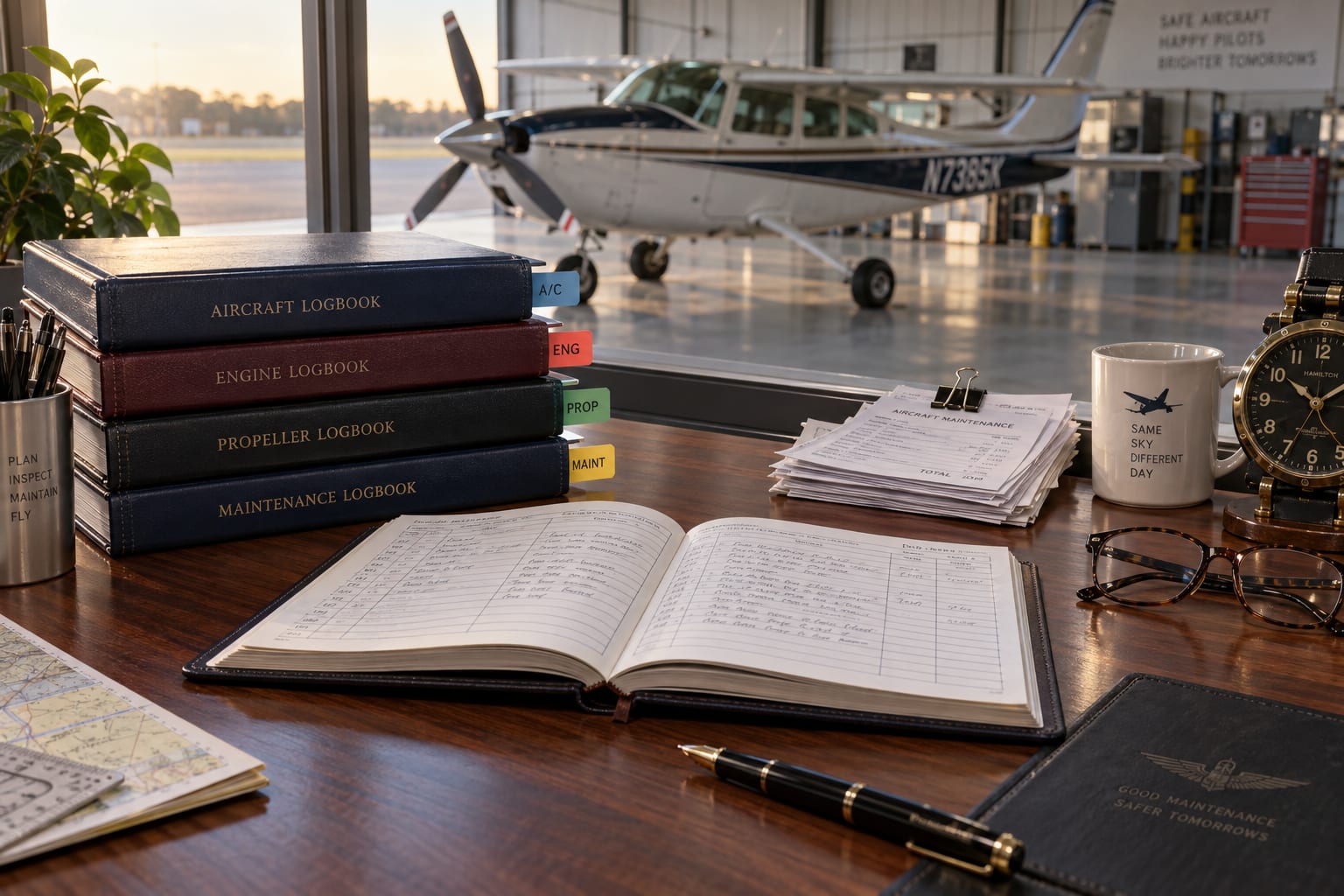
Every certificated aircraft comes with a set of logbooks covering the airframe, engine, and propeller. These are the aircraft's permanent record. Look for continuity in entries, documentation of major repairs or alterations (Form 337s), and evidence that all required inspections have been completed. Gaps in logbook entries, undocumented repairs, or a history of damage are red flags that warrant deeper investigation or a renegotiated price.
Verify that all applicable ADs have been complied with and documented in the logbooks. Your pre-buy mechanic should flag any outstanding ADs, but it is worth confirming independently through the FAA's AD database. Also confirm that the aircraft's FAA registration is current and that the N-number matches the paperwork. A title search through an aviation title service will confirm whether any liens are recorded against the aircraft. Do not skip this step to save the modest cost of a title search, it is the kind of thing that only becomes expensive when you skip it.
Is Buying a Plane to Fly Yourself Worth It? Honest Pros and Cons
Owning your own aircraft means flying on your schedule, to airports that commercial airlines will never serve. For frequent regional travelers, the time savings can be significant. A two-hour drive to a regional airport, a connecting flight, and a rental car on the other end can often be replaced by a direct flight to a small airport close to your actual destination. Beyond utility, there is the personal satisfaction of ownership and the community that comes with it. General aviation is a close-knit world, and aircraft owners tend to fly more consistently and build skills faster than renters.
The fixed costs of ownership are real and they do not go away when the aircraft sits on the ramp. Insurance, hangar fees, and the annual inspection are due whether you fly 200 hours or 20. If you are flying fewer than 50 to 75 hours per year, renting from a flight school or FBO is almost always the more economical choice. The break-even point between renting and owning varies by aircraft and market, but it is highly dependent on local rental rates and your specific ownership costs, do the math for your situation before committing.
Currency is also a real consideration. To stay proficient and legally current as a private pilot, you need to fly regularly. An aircraft sitting in a hangar while life gets busy does not make you a better or safer pilot, it just makes ownership more expensive per hour flown.
Ownership is deeply rewarding for the right buyer at the right stage. It is not the right financial decision for everyone, and there is no shame in renting or co-owning until the numbers and the commitment level align.
Conclusion
The cost of buying a plane to fly yourself spans a wide range, from a $30,000 used trainer to a $400,000-plus new aircraft, with thousands more in annual operating costs layered on top. The purchase price is only the beginning of the conversation. Licensing, insurance, maintenance, fuel, and storage are all part of the real number, and understanding all of them before you sign anything is what separates a rewarding ownership experience from a frustrating one.
Personal aircraft ownership is achievable for more people than assume it is. With the right aircraft choice, realistic budgeting, and a thorough pre-purchase process, you can enter this market with confidence. If you are ready to take the next step, connect with an experienced aircraft broker who can help you match your mission and budget to the right aircraft, and navigate the transaction from first look to closing.
Sources
Disclaimer: Some articles on this site are created with the assistance of AI technology.