As an Amazon Associate I earn from qualifying purchases.
If you've been flying with a Lightspeed Zulu.2 and wondering whether the current Lightspeed Zulu 3 is worth upgrading to, the short answer is yes, especially if your Zulu.2 is showing wear or you want meaningfully better audio clarity and comfort on long flights. The Zulu 3 keeps everything that made the Zulu.2 a cockpit favorite while delivering quieter operation, clearer comms, and refined ergonomics.
Table Of Contents
- What Stayed the Same: The Zulu Foundation You Know
- What Changed: Quieter, Clearer, More Comfortable
- Why the Zulu 3 Remains the Right Choice Today
What Stayed the Same: The Zulu Foundation You Know
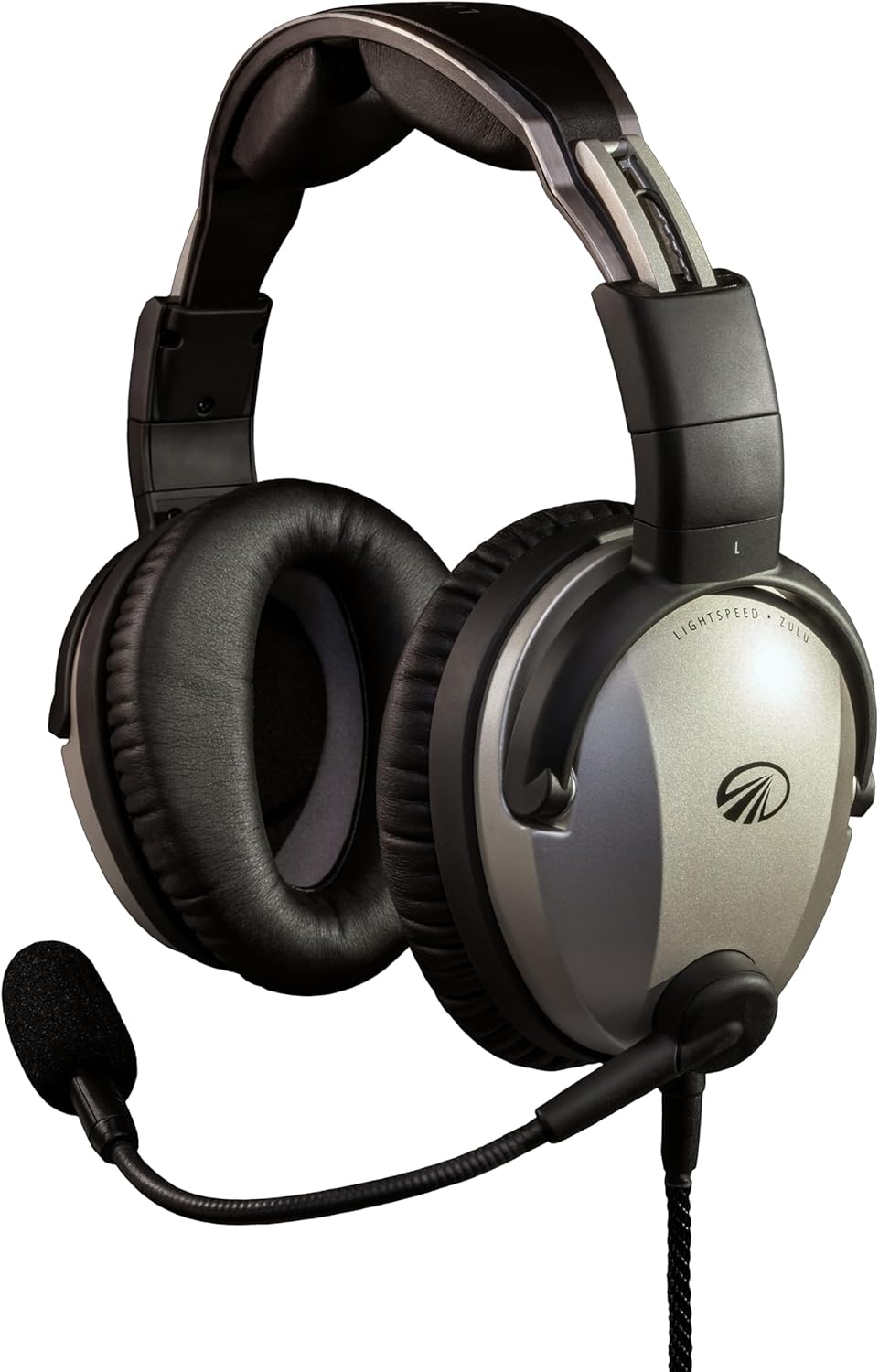
The Lightspeed Zulu 3 retains the core architecture Zulu.2 owners already trust. You still get over-ear active noise cancellation powered by two AA batteries delivering around 30 hours of runtime, no need to rethink your battery habits or carry proprietary chargers. The Kevlar-core cable and magnesium structural components remain, so you're still flying with a headset built to handle the rigors of daily training, charter work, and ownership flying.
Bluetooth audio and the auxiliary input port carried over intact, so if you've built workflows around streaming music, taking phone calls, or routing audio from an iPad, nothing changes. The plush tapered ear seals sized to work comfortably with glasses also made the transition, which matters if you've spent years fine-tuning your fit.
What Changed: Quieter, Clearer, More Comfortable
Lightspeed made three meaningful upgrades when moving from the Zulu.2 to the Zulu 3, and each one addresses a real pain point for pilots logging serious hours.
Improved Active Noise Reduction: The Zulu 3's ANR circuitry is noticeably quieter than the Zulu.2, particularly in the low-frequency rumble range where piston singles and light twins do their worst. If you've found yourself turning up the volume or feeling fatigued on legs over two hours, the Zulu 3's enhanced ANR makes a measurable difference in both clarity and end-of-day fatigue.
Front Row Center Speaker Technology: This is the most audible upgrade. The Zulu 3 Lightspeed Zulu 3 uses a dual-driver design that creates a more natural audio image, placing voices and radio calls in a "front and center" soundstage instead of the more diffuse presentation of earlier models. In busy terminal airspace or when monitoring multiple frequencies, this spatial clarity helps you parse who's talking to whom without mentally sorting overlapping transmissions.
Refined Comfort Geometry: Lightspeed re-contoured the headband and adjusted clamping force based on feedback from Zulu.2 owners. The result is a headset that stays put during turbulence without the pressure hotspots some pilots reported on 4+ hour legs. If you fly long cross-countries, aerobatic profiles, or simply have a smaller head, the Zulu 3's fit is noticeably more forgiving.
Why the Zulu 3 Remains the Right Choice Today
For Zulu.2 owners, the Lightspeed Zulu 3 represents an evolutionary refinement rather than a total redesign, and that's precisely the point. Lightspeed didn't chase features or aesthetics; they addressed the specific feedback from working pilots and improved the areas that matter most: noise reduction, audio clarity, and all-day wearability.
If your Zulu.2 is still performing well and you're satisfied with the noise reduction and comfort, there's no urgent need to replace a functioning headset. But if you're shopping because your Zulu.2 has reached end-of-life, you're adding a headset for a second pilot, or you simply want the quietest and clearest version of this platform, the Zulu 3 delivers measurable improvements in the areas Zulu.2 owners cited most often.
The fundamentals, battery life, build quality, Bluetooth integration, and that signature Lightspeed durability, remain unchanged, so you're not relearning a new headset or adapting to a different operating philosophy. You're simply getting a quieter, clearer, more comfortable version of the workhorse you already know.
Disclaimer: Some articles on this site are created with the assistance of AI technology.