As an Amazon Associate I earn from qualifying purchases.
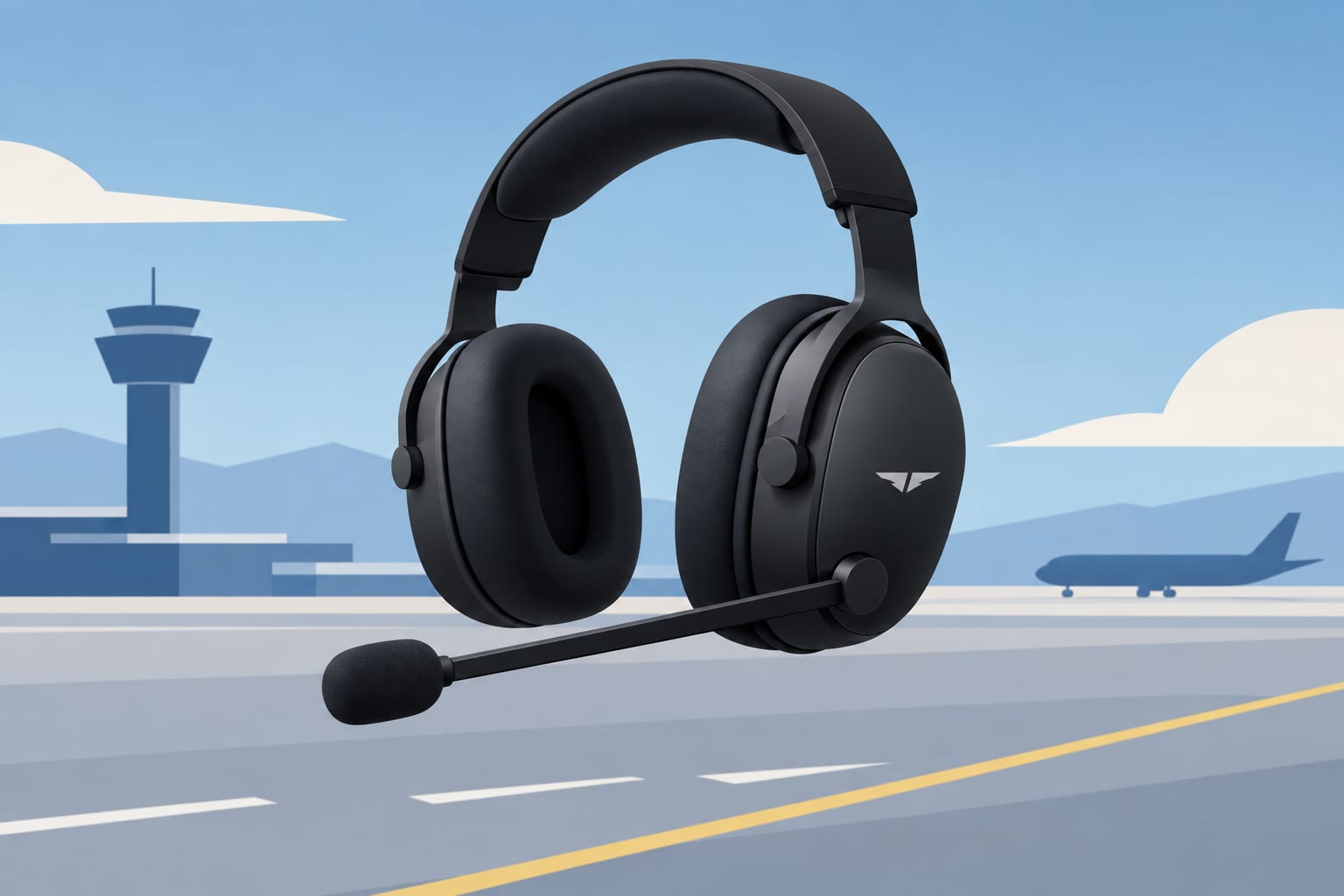
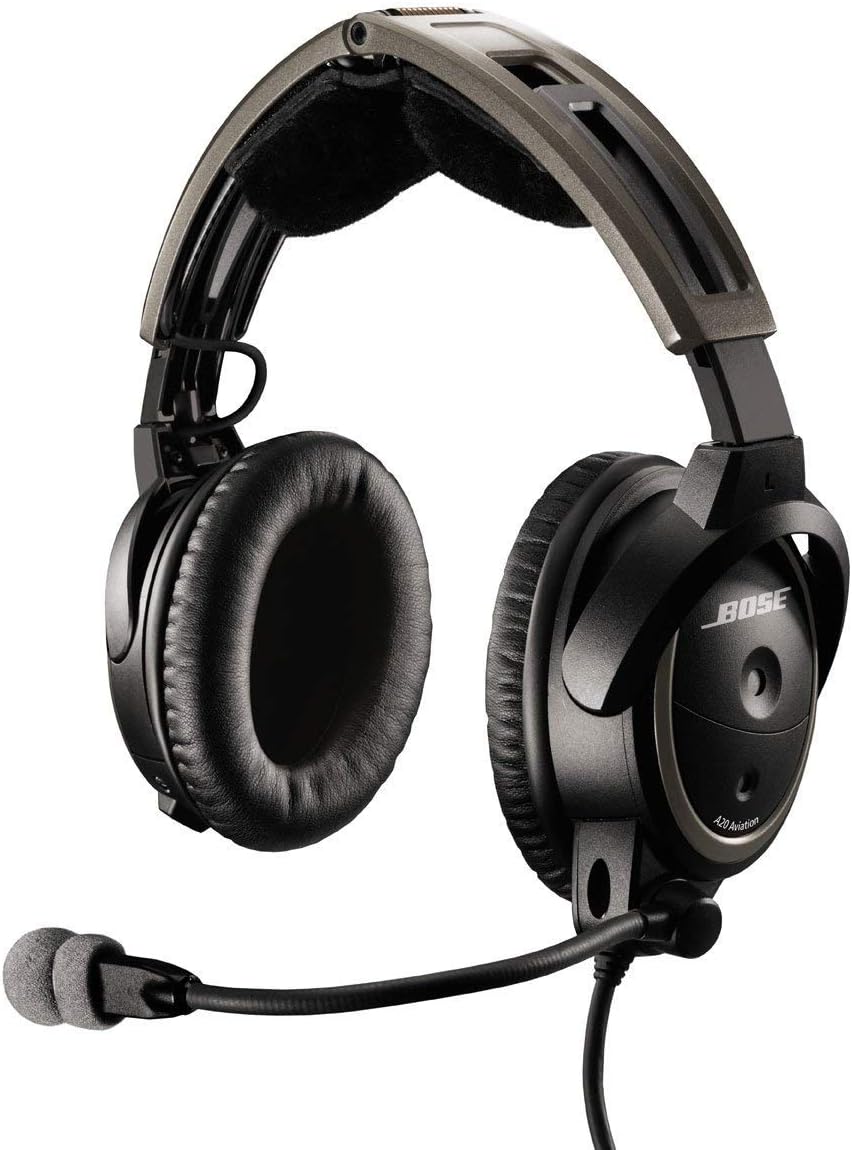
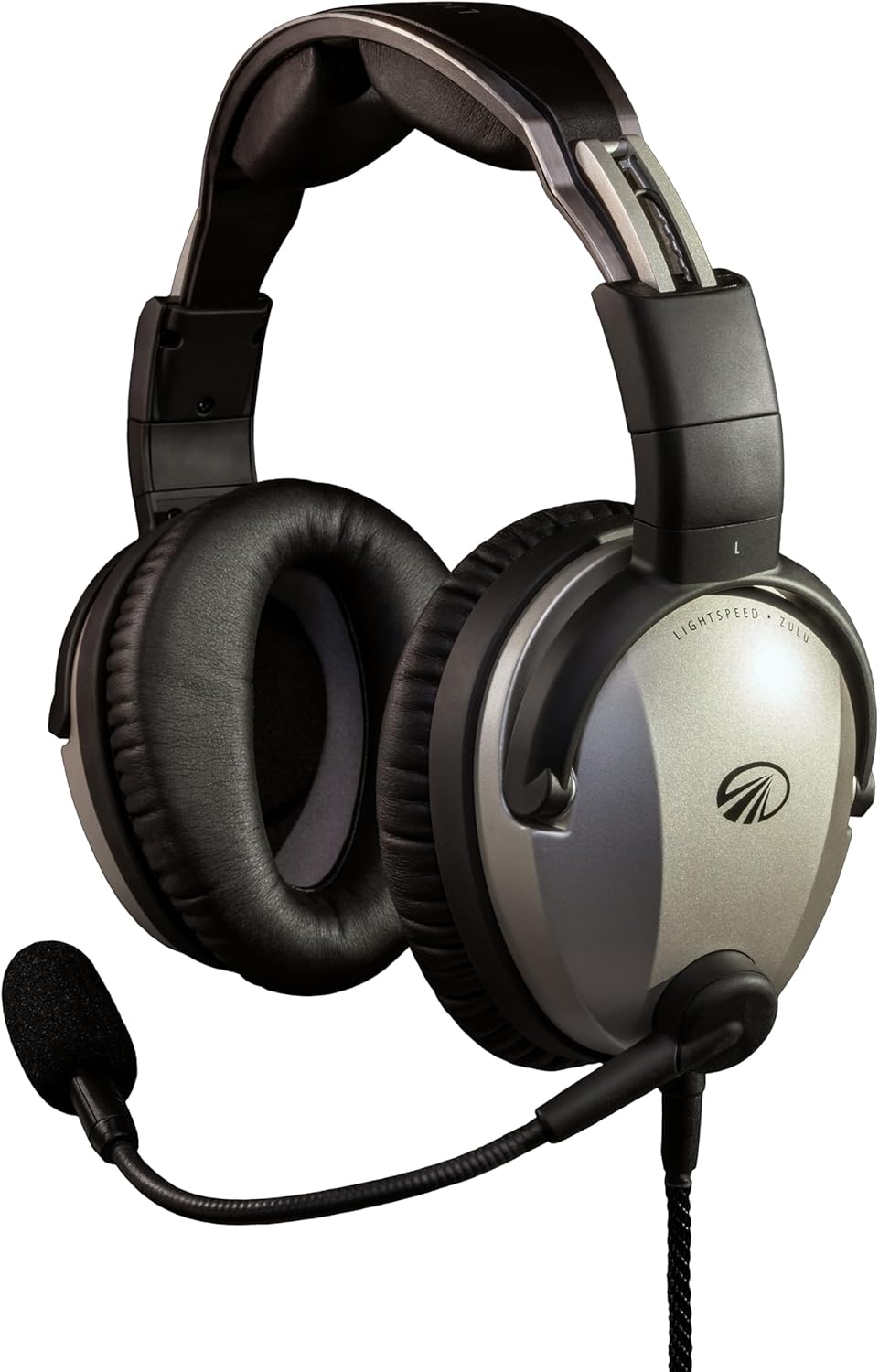
If you're choosing between two of general aviation's most respected mid-flagship ANR headsets, this comparison will help you decide. For most pilots, the Lightspeed Zulu 3 edges ahead thanks to superior long-session comfort, more refined controls, and thoughtful design details that shine during extended cross-countries, but the Bose A20 remains a proven, TSO-certified workhorse with benchmark noise reduction.
Table Of Contents
- At A Glance
- Noise Reduction
- Comfort & Clamping Force
- Controls & Bluetooth Integration
- Durability & Build Quality
- Who Should Buy Which
- Bottom Line
At A Glance
| Feature | Lightspeed Zulu 3 | Bose A20 (Bluetooth) |
|---|---|---|
| Active noise reduction | Excellent; comfort-optimized | Benchmark; industry reference since 2010 |
| Comfort & clamping | Plush tapered ear seals; glasses-friendly; lighter clamp | Circumaural over-ear; firmer clamp |
| Weight & build | Magnesium structure; Kevlar-core cable | Durable composite; time-proven construction |
| Bluetooth & controls | Bluetooth audio + aux input; intuitive control module | Bluetooth audio + aux input; control module on ear cup |
| Standout features | Front Row Center speakers for audio imaging; tapered seals | FAA TSO-C139a certified; long production track record |
| Battery life | ~30 hours (2 AA) | ~30 hours (2 AA) |
| Value tier | Mid-flagship | Mid-flagship |
Noise Reduction
The Bose A20 has served as the ANR benchmark in GA cockpits since 2010. Its active noise cancellation system consistently delivers quiet, controlled attenuation across the full spectrum of cockpit noise, from low-frequency prop drone to mid-range engine rumble. Bose engineered this headset with FAA TSO-C139a certification, a testament to its reliability and performance envelope in certified aircraft. Pilots report that the A20's ANR remains exceptionally effective even in high-noise environments like older taildraggers or training aircraft with minimal soundproofing.
The Lightspeed Zulu 3 matches the A20's noise reduction capability while tuning the ANR algorithm for comfort over extended wear. Lightspeed's approach prioritizes smooth, fatigue-free attenuation rather than maximum raw cancellation, and pilots flying four-plus-hour legs often notice less listening fatigue. The Zulu 3's Front Row Center speaker system also contributes to perceived clarity by improving audio imaging, comm audio feels more spatially defined, which can reduce cognitive load during busy approach sequences.
Winner for raw ANR: Bose A20. Winner for long-mission comfort and audio clarity: Lightspeed Zulu 3.
Comfort & Clamping Force
The Lightspeed Zulu 3 is purpose-built for all-day comfort. Its plush, tapered ear seals conform gently to the head and are specifically sized to work with eyeglasses without creating pressure points on the temple arms. The headband applies lighter clamping force than the A20, which most pilots appreciate on flights longer than two hours. Magnesium structural components keep weight down while maintaining rigidity, and the overall design reduces "hot spots" that can develop during extended wear.
The Bose A20 uses circumaural (over-ear) cushions and a firmer headband clamp to maintain consistent seal and ANR performance. This firmer grip works well for aerobatic pilots or those flying in turbulence, where headset shift can break the seal and degrade noise reduction. However, eyeglass wearers and pilots prone to headaches sometimes find the A20's clamping force fatiguing after three or four hours. The A20's ear seals are durable and effective but less forgiving around frames than the Zulu 3's tapered design.
Winner: Lightspeed Zulu 3, especially for eyeglass wearers and long cross-countries.
Controls & Bluetooth Integration
Both headsets offer Bluetooth audio streaming and auxiliary input, but the Lightspeed Zulu 3 delivers a more intuitive control experience. Its control module is logically laid out, with distinct tactile buttons for volume, ANR on/off, and Bluetooth pairing. The module's position and button spacing make it easy to adjust settings by feel in turbulence or IMC without taking your eyes off the panel. Bluetooth pairing is quick, and the Zulu 3 handles simultaneous comm audio and music streaming smoothly, auto-ducking music when ATC calls.
The Bose A20 (Bluetooth variant) mounts its control module on the right ear cup. While functional, the layout requires more deliberate attention, buttons are smaller and closer together, and some pilots report accidental presses when adjusting the headset or removing it. Bluetooth audio works reliably, but the interface feels less refined than Lightspeed's. The A20 does include an aux input alongside Bluetooth, giving you wired backup for music or GPS audio alerts.
Winner: Lightspeed Zulu 3 for ease of use and control ergonomics.
Durability & Build Quality
The Lightspeed Zulu 3 incorporates Kevlar-core cabling and magnesium structural components, both chosen explicitly for long-term durability. The cable resists kinking and abrasion better than standard PVC jacketing, and the magnesium frame flexes slightly under stress rather than cracking. Lightspeed backs this construction with a strong warranty and a reputation for responsive service. Pilots who've flown the earlier Zulu and Zulu.2 report multi-decade service lives with only routine ear-seal replacement.
The Bose A20 has been in continuous production since 2010, and its longevity in the market reflects proven durability. The composite structure and cable have survived thousands of hours in training fleets and owner-flown aircraft alike. Bose's engineering is conservative and time-tested, and parts remain readily available. While the A20 lacks the exotic materials of the Zulu 3, its track record speaks for itself, many A20 headsets are still in daily service after a decade or more.
Winner: Draw. The Zulu 3 uses more advanced materials; the A20 offers a longer proven service record.
Who Should Buy Which
Choose the Lightspeed Zulu 3 if you:
- Fly cross-countries longer than two hours regularly and prioritize all-day comfort
- Wear eyeglasses and have struggled with pressure points from other headsets
- Value intuitive, easy-to-use controls that work by feel in IMC or turbulence
- Appreciate refined audio imaging that reduces comm-channel fatigue
- Want modern materials engineering (Kevlar cable, magnesium frame) for long-term durability
Choose the Bose A20 if you:
- Fly aerobatics, practice unusual attitudes, or operate in sustained turbulence where firmer clamping maintains seal integrity
- Need FAA TSO-C139a certification for commercial, charter, or specific operator requirements
- Prefer a proven, conservative design with over a decade of in-service history
- Value Bose's benchmark ANR performance and are willing to trade some long-session comfort for it
- Fly shorter legs (under two hours) where clamping force is less of a fatigue factor
Bottom Line
Both the Lightspeed Zulu 3 and the Bose A20 deliver excellent active noise reduction and reliable Bluetooth integration, but they're optimized for different missions. The Zulu 3 is the better choice for most GA pilots, especially those logging long cross-countries, wearing glasses, or seeking fatigue-free comfort on extended flights. Its refined controls, tapered ear seals, and Front Row Center audio imaging make it the more pilot-focused design. The A20 remains a strong pick for pilots who need TSO certification, prefer firmer clamping for aerobatic or turbulence-heavy flying, or simply trust Bose's fourteen-year track record in the cockpit. Either headset will serve you well, your mission profile and comfort priorities will determine the right fit.
Disclaimer: Some articles on this site are created with the assistance of AI technology.