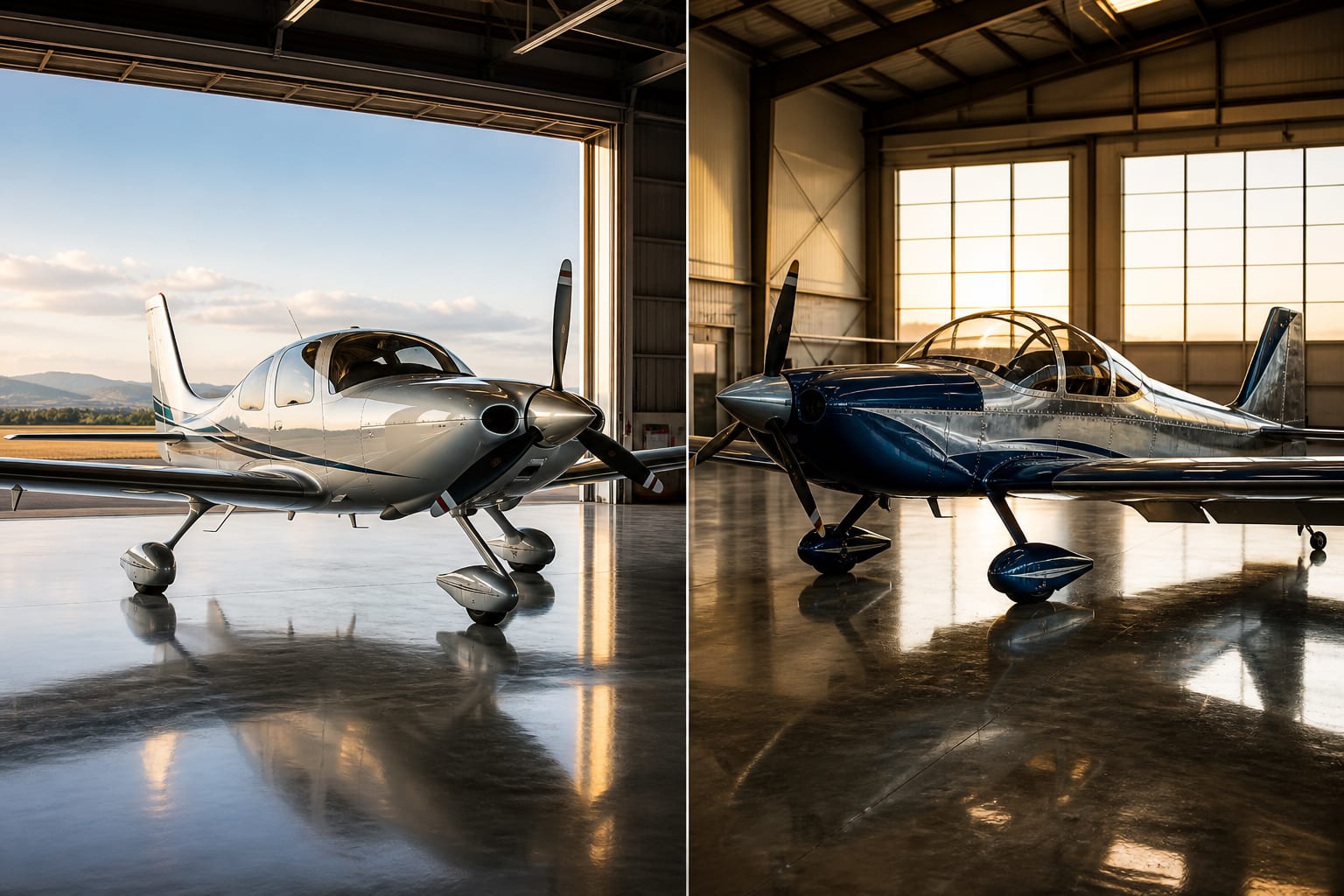
Vision Jet and single-engine turboprop comparison
Table of Contents
- Introduction - The Single-Engine Turbine Revolution
- Understanding Your Aircraft Categories
- Performance and Capabilities Deep Dive
- Operational Considerations for Owner-Pilots
- Acquisition Costs and Ownership Economics
- Mission Profile Analysis - Matching Aircraft to Usage
- Detailed Aircraft Comparisons
- Technology and Avionics Comparison
- The Ownership Experience
- Making Your Decision - Buyer's Framework
- Conclusion - Your Path Forward
- Frequently asked questions
- Sources
Introduction - The single-engine turbine revolution
Owner-flown, single-engine turbine aircraft have matured into a sweet spot for capability and simplicity. On the jet side, the Cirrus SF50 began as a clean-sheet concept that first flew in 2008 and earned FAA type certification in 2016; since then, it has been popular with more than 500 deliveries and a steady backlog, especially among pilots transitioning from high-performance pistons—a noteworthy proof point that single‑engine piston pilots can successfully move into jets without multiengine time [1]. Cirrus’s support and safety focus—capped by the Vision Jet’s parachute and Safe Return Autoland—helped the company celebrate its 500th Vision Jet delivery in late 2023 [3].
On the turboprop side, manufacturers proved long ago that a single engine can deliver serious business-aircraft performance and short-field utility. Pilatus helped pioneer the single-engine turboprop business category beyond pure utility aircraft, and TBM brought speed and sophistication to the segment—creating the “do‑it‑all” tools for owner-pilots who want range, payload, and runway flexibility [1].
This isn’t a purely technical decision. It’s an ownership decision. It’s about how you spend your time, what runways you need access to, what your passengers expect, and how you want to manage training and support. I’ll frame each category with facts, then give you a candid recommendation.

Understanding your aircraft categories
The Vision Jet phenomenon – Very light jet disruption
Cirrus defined the personal, single-engine jet segment with the SF50 Vision Jet and made it approachable for owner-pilots. The airplane was designed from the start for single-pilot operations with automation and avionics aimed at reducing workload for nonprofessionals in real-world conditions [2]. At cruise altitude, the G2 Vision Jet shows about 309 knots true airspeed near FL310 in typical conditions, giving you a true jet profile and the “feel” many pilots aspire to—even if ATC at larger hubs sometimes has to work to mix it with faster Boeings and Airbuses [2].
Two unique safety nets distinguish the Vision Jet: the Cirrus Airframe Parachute System (CAPS) and the Safe Return Autoland system. CAPS is the red handle Cirrus pilots know, and Safe Return allows a passenger to press a single button to have the airplane navigate, communicate, and land itself in an emergency—an unmatched combination in this cross-shop [3]. This pairing of jet performance, whole-airframe parachute, and passenger-initiated Autoland is singular in the category [3].
Bottom line: if you prize jet altitude, jet handling, and Cirrus’s integrated safety/automation stack, the Vision Jet offers a compelling package [2][3].
Turboprop titans – Proven performance leaders
Turboprops occupy the high-utility end of the owner-flown turbine spectrum. TBM brought speed and refinement to a category that prioritizes field performance and efficiency, and Piper’s M‑Class delivers modern, efficient single-engine turboprop capability in the same space [1][7]. In general, turboprops are more fuel efficient to operate than jets at the lower altitudes and speeds common to many owner-pilot missions; they also can fly in and out of shorter fields, carry heavier loads, and travel longer distances on the same amount of fuel compared to jets [1][4]. That’s a powerful combination when you need range, payload, and runway access.
If you’re optimizing for flexibility—shorter runways, more useful load, and long legs on tight fuel budgets—this category deserves a hard look. And in busy airspace, remember that controllers manage both single‑engine jets and fast turboprops relative to airliners; either type can require sequencing and vectoring at major Class B airports [1][2].

Performance and capabilities deep dive
Speed and efficiency analysis
- Cruise speed: The Vision Jet G2 typically shows about 309 KTAS near FL310 in standard conditions [2]. TBM models post higher cruise speeds—commonly around 330 KTAS—so the speed delta is meaningful on paper even if the operational impact varies by mission and airspace [1][2].
- Efficiency: Jets are optimized for higher performance and velocity and typically burn more fuel per hour, while turboprops are generally more economical at lower altitudes and speeds—one reason they are widely used for shorter regional trips [4]. In owner-pilot use, turboprops are typically more fuel-efficient to operate than jets [1][4].
- Stage length: Because turboprops are efficient at lower altitudes and speeds, they can minimize block-time penalties on shorter legs while saving fuel. As legs get longer and winds/altitude allow you to exploit higher cruise speeds, a jet’s time savings can matter more to time-sensitive missions [4].
Recommendation: For trips under two hours using mid-length runways, turboprops offer better trip economics with minimal schedule difference. If your missions often stretch to longer legs and you value jet cruise and altitude, the Vision Jet’s speed advantage becomes more compelling [1][2][4].
Altitude and weather capabilities
- Flight levels: The Vision Jet’s maximum altitude is 31,000 feet, and TBMs climb to the same 31,000‑foot ceiling—so both operate in the lower flight levels where winds and weather often favor higher cruise and tactical flexibility [2][1].
- Weather and efficiency: Turboprops are optimized to be efficient at lower altitudes and speeds, preserving fuel-burn advantages when you choose to cruise lower due to winds or ATC constraints, whereas jets typically realize their best range and efficiency at higher altitudes and speeds [4].
Recommendation: If your comfort and mission demand consistent high-altitude cruise for smoother rides above most weather systems, the Vision Jet’s FL310 capability offers the jet profile without stepping up to larger multi-crew jets [2]. If you value fuel economy and the freedom to cruise lower to work winds or step around buildups, a TBM or M‑Class turboprop plays to those strengths [4][1].
Range and payload trade-offs
- Payload and fuel: In general, turboprops can carry heavier loads and travel longer distances on the same amount of fuel than jets, giving you “bring it all” flexibility when passengers and baggage stack up [1][4].
- Practical range: Because turboprops are efficient at lower altitudes, real-world range holds up even when weather or ATC keeps you from climbing to optimal flight levels; by contrast, jets typically make their best range when they can climb high and stay there [4].
Recommendation: If your mission frequently pushes useful load or requires filling seats and baggage, prioritize turboprops. If your payloads are lighter and you value the jet profile, the Vision Jet’s performance covers most owner-flown business and family missions at FL310 [1][2][4].

Operational considerations for owner-pilots
Pilot training and insurance requirements
- Vision Jet training: Cirrus provides a comprehensive type rating program that typically takes about two weeks, including simulator and in-aircraft training—an approachable step for SR‑series owners due to the SF50’s single-engine design and automation [5].
- Transition from piston: The SF50 has shown that pilots of single-engine piston models can successfully move to jets without multiengine backgrounds—important for planning your training arc and building insurance-friendly proficiency [1].
Recommendation: Budget time for an initial program and plan your first 6–12 months around mentor flights and scenario-based training. For insurance and currency, structured training up front usually saves time and money later [5][1].
Airport accessibility and ground operations
- Runway access: Turboprops commonly operate from shorter runways than jets; as a broad reference point, turboprops can land on runways as short as around 3,200 feet, while jets often average near 5,000 feet. Turboprops can also handle some unimproved strips that jets avoid [4]. AOPA’s comparison likewise notes that turboprops typically access shorter fields and carry more on the same fuel than jets [1].
- ATC mixing: Controllers manage both the Vision Jet and TBMs relative to faster airliners; either can face sequencing/vectoring at large airports, especially in busy terminal areas [1][2].
Recommendation: If your destinations include mountain strips, hot/high airports, or runways under about 4,000 feet, a turboprop gives you margin and options. If you mostly fly between regional or metropolitan airports with 5,000+ feet of pavement and want the jet experience, the Vision Jet will fit well [4][1][2].
Acquisition costs and ownership economics
Purchase price analysis
- Relative pricing: In general, TBM and other single‑engine turboprops cost more to buy than the SF50 Vision Jet [1]. As a historical reference, the 2019 G2 Vision Jet listed at about $2.38 million base (more for the Elite trim), illustrating Cirrus’s strategy to keep the jet within reach for piston step-ups; verify current pricing with manufacturers or brokers, as market conditions change [2][1].
Recommendation: Let relative economics guide your short list, then validate with current quotes. Treat historical Vision Jet pricing as context—not a present-day benchmark—and confirm TBM and Piper pricing directly with OEMs and dealers [1][2].
Operating cost breakdown
- Fuel and efficiency: Jets typically consume more fuel because they’re optimized for higher performance and velocity; turboprops are more economical at lower altitudes and speeds, which often matches owner‑pilot missions [4]. Aggregating the usual owner‑flown mission mix, turboprops are generally more fuel‑efficient to operate than jets [1][4].
- Engine count: A single engine is cheaper to operate than two, but it typically reduces cruise speed—a tradeoff that applies at the jet level and is relevant when cross-shopping categories [6].
Recommendation: Model your mission mix and altitudes, then request detailed fuel and maintenance projections from each OEM or service center. In most owner‑flown cases, a single‑engine turboprop will lead on per‑hour operating costs, while the Vision Jet often wins on speed and altitude when time truly is money [1][4][6].
Financial and tax planning (what to do, not what to assume)
- Determine true business use and structure ownership accordingly [general guidance; consult tax counsel].
- Model cash flow, depreciation strategy, and state tax exposure with your tax counsel before you sign.
- Align training, insurance, and maintenance reserves in your annual budget.
The key is to build the ownership model first, then match the aircraft—not the other way around.
Mission profile analysis – Matching aircraft to usage
The weekend warrior – Recreational flying
If you’re moving family and gear to vacation destinations and prefer shorter regional hops, the turboprop’s runway flexibility and efficiency at lower altitudes simplify life. You can work around weather by cruising lower without a dramatic fuel penalty, and you’ll typically have shorter‑field options closer to resorts and remote destinations [4][1].
That said, if your family wants the jet experience—higher flight levels, smoother rides above weather, and jet‑speed legs—the Vision Jet scratches that itch while keeping single‑pilot operations front and center [2].
Recommendation: Prioritize turboprops if your trips regularly include fields under about 4,000 feet or require carrying more passengers and baggage. Choose the Vision Jet if the “jet ride” is part of the experience and you’re flying between longer runways [4][1][2].
Business travel efficiency
- Turboprops deliver strong trip economics and access to smaller airports closer to your final destination, often saving door‑to‑door time despite slightly slower cruise [1][4].
- The Vision Jet offers jet speeds with an FL310 ceiling matched by TBMs, plus owner‑friendly automation and protections to reduce workload in busy environments [2][1].
Recommendation: If your itineraries are multi‑city with short legs and secondary airports, turboprops maximize productivity and minimize fuel burn. If your trips are longer and you value being on top of the weather with jet speeds, the Vision Jet can be worth the premium for time‑sensitive missions [1][2][4].
Mixed-use scenarios

Detailed aircraft comparisons
Cirrus Vision Jet SF50 – The jet advantage
- Single‑engine personal jet designed for owner‑pilots with an avionics/automation stack built to reduce workload for a single pilot [2].
- Safety systems include Cirrus’s CAPS whole‑airframe parachute and the Safe Return Autoland, which allows a passenger to land the aircraft in an emergency—unique in this cross‑shop [3].
- Typical cruise near 309 KTAS around FL310 under standard conditions, with a service ceiling of 31,000 feet [2].
- In terminal areas, controllers may work harder to mix the Vision Jet with faster airliners; similar considerations can also apply to TBMs at major hubs [2][1].
- A type rating course of roughly two weeks is standard for new owners through Cirrus’s training pathway; SR‑series pilots often find the transition approachable due to single‑engine simplicity and automation [5].
Daher TBM series – The speed-king turboprops
- TBM brought speed and sophistication to the single‑engine turboprop category, and today’s models maintain that blend of performance and refinement [1].
- TBMs cruise faster than the Vision Jet (commonly around 330 KTAS) with the same 31,000‑foot ceiling, delivering high speed plus turboprop efficiency in the altitudes many owners actually fly [1][2][4].
- Turboprop efficiency shines at lower altitudes and speeds, which helps on shorter legs or when winds aloft make lower levels advantageous [4].
- Turboprops commonly operate from shorter runways and typically carry heavier loads while traveling longer distances on the same fuel compared to jets [1][4].
- Owner‑pilots who value speed plus short‑field capability and want the best combination of range and payload for real‑world airports [1][4].
Piper M‑Class evolution (M600/SLS, M700 Fury)
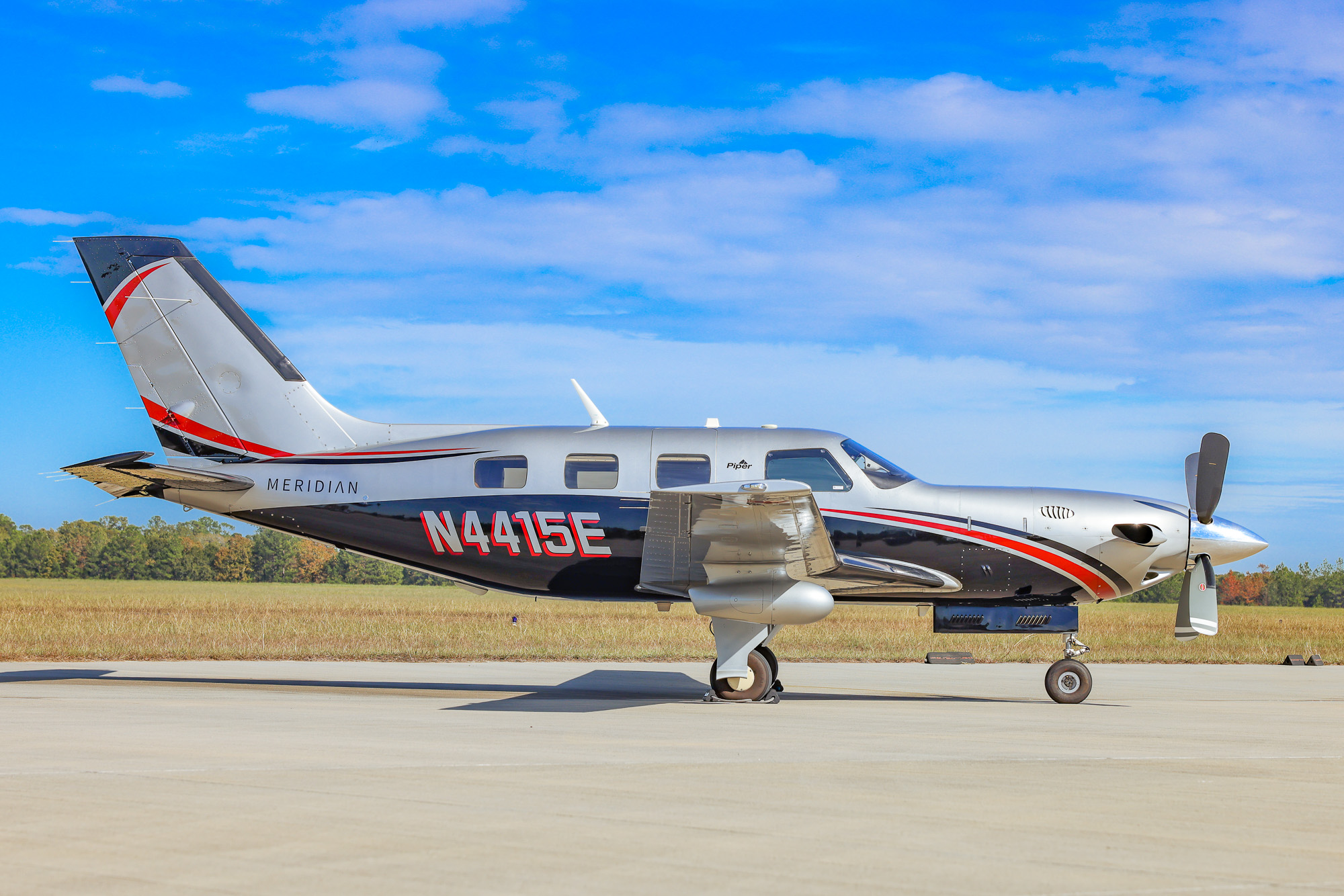
- Piper’s M‑Class lineup competes squarely in the single‑engine turboprop segment alongside TBM, with models including the M600/SLS and M700 [7].
- Like other turboprops, the M‑Class benefits from efficiency at lower altitudes and runway flexibility relative to jets [4][1].
- Buyers prioritizing a modern turboprop with strong efficiency and shorter‑field access who want to remain in the single‑engine, owner‑flown turbine class [4][7].
Technology and avionics comparison
Glass cockpit evolution and automation
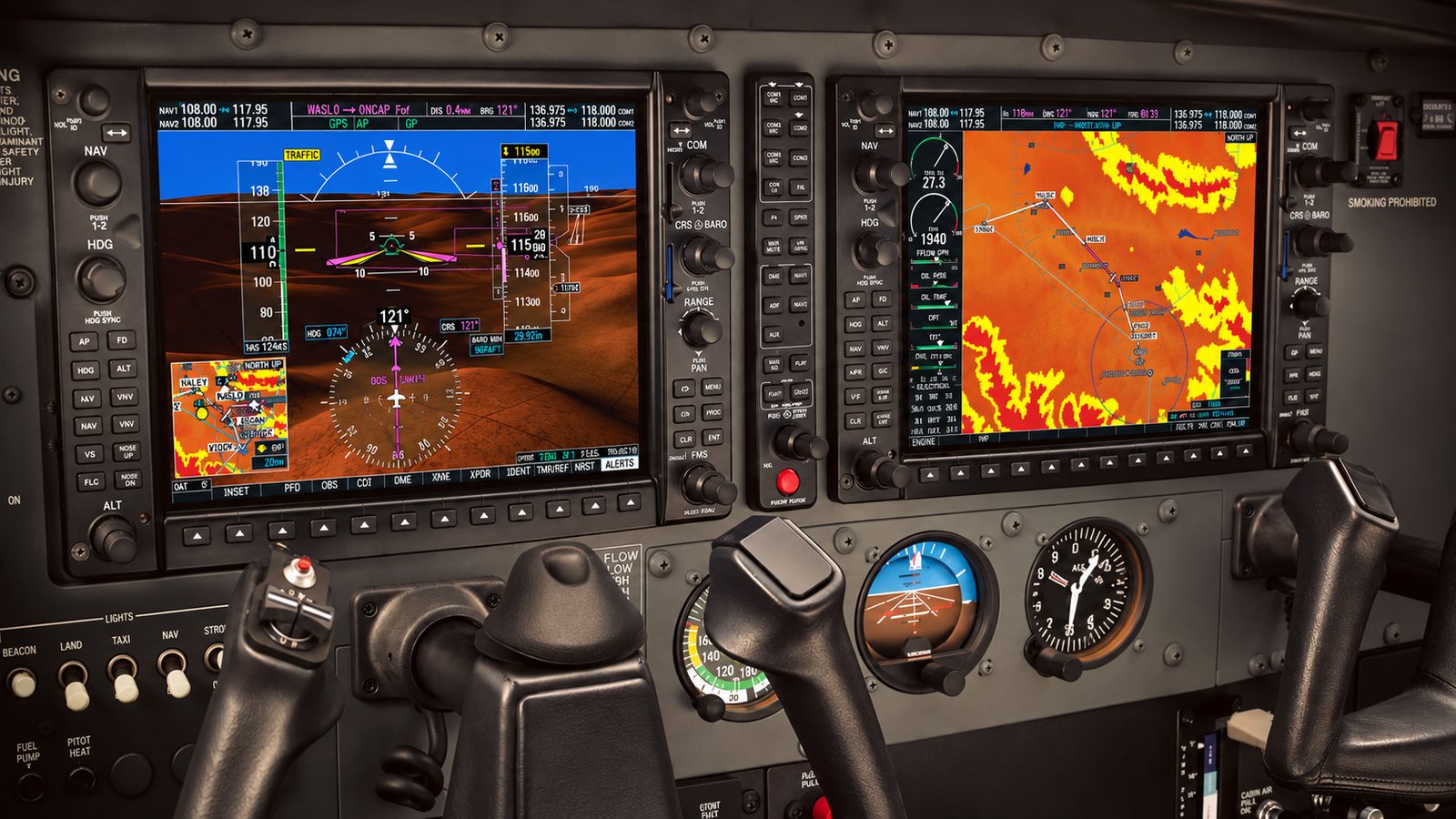
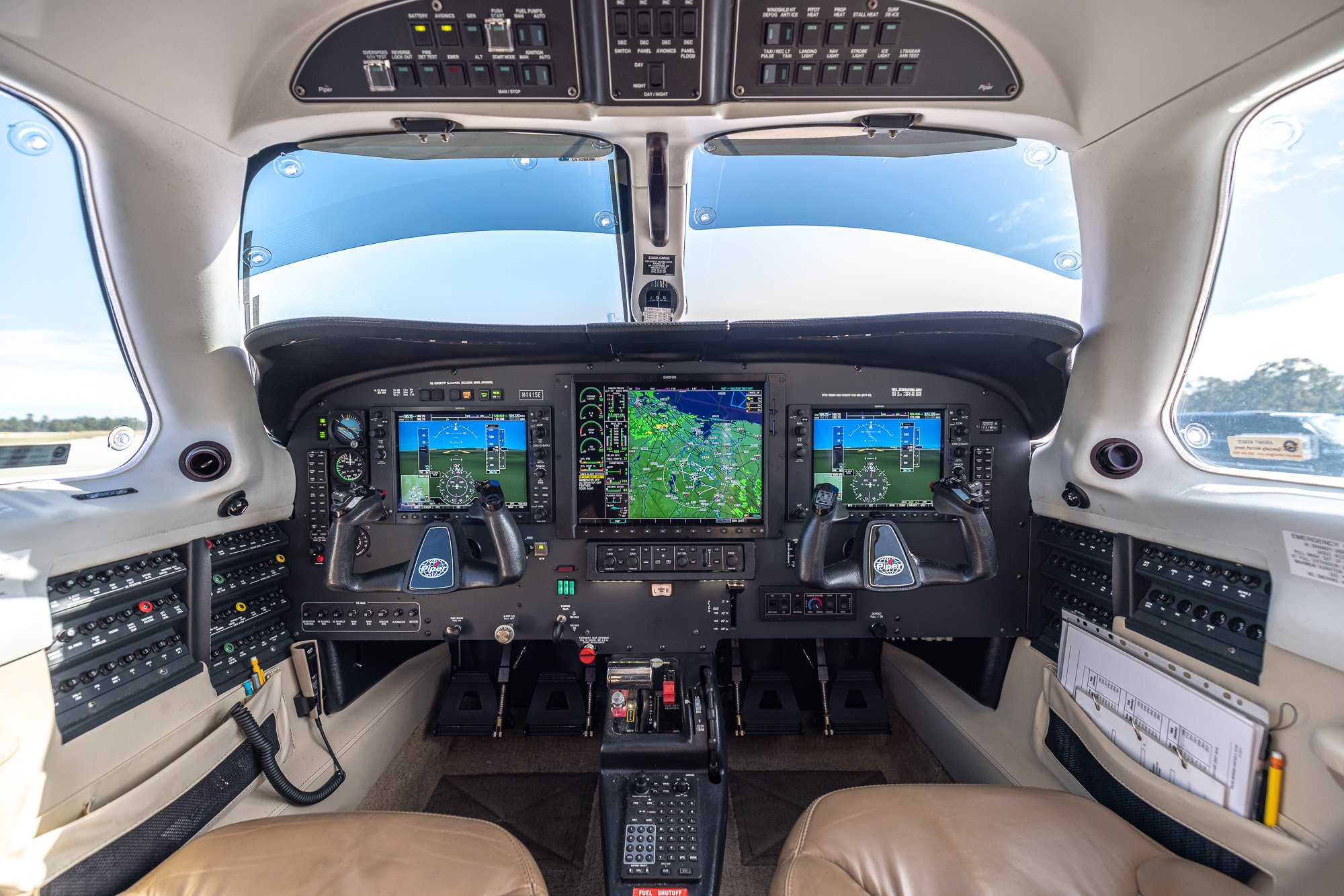
- The Vision Jet’s avionics and automation were enhanced in the G2 generation, including autothrottle and protections designed to support single‑pilot operations; the emergency autothrottle can intervene even when not actively engaged [2].
- In AOPA’s head‑to‑head evaluation of SF50 and TBM, both platforms earned praise for low‑speed stability, high‑AOA handling, and safety tools aimed at avoiding loss of control; the automated protections “take over” within one knot of each other—effectively a tie in that arena [1].
Recommendation: If cockpit automation and envelope protection are top priorities, you’ll find excellent systems in both categories. If you want the additional layers of CAPS and passenger‑initiated Autoland, the Vision Jet stands alone there [1][3][2].
Safety systems and technology
- CAPS and Safe Return Autoland in the SF50 add unique safety nets for owner‑pilots and families—distinct advantages if you frequently fly with non‑pilot passengers [3].
- Both the SF50 and TBM provide sophisticated automation aimed at preventing loss of control, with comparable automated envelope protection thresholds during slow flight [1].
Recommendation: If you fly with non‑pilot family members, the combination of CAPS and Safe Return is a decisive advantage for the Vision Jet. If your priority is short‑field safety margins and heavier‑load capability, the turboprop’s performance envelope is compelling in its own right [3][1].
The ownership experience
Manufacturer support, training, and service
- Cirrus’s training pipeline for the Vision Jet emphasizes an accessible transition over a roughly two‑week type rating course, with structured simulator and in‑aircraft training [5].
- Cirrus’s support and safety culture have fostered a brand‑loyal community of owners—an intangible that simplifies ownership and underpins the platform’s adoption [3].
Recommendation: Evaluate OEM training and support as part of total cost of ownership. Structured training and a responsive support network can be worth more than a few knots at cruise [5][3].
Owner communities and resale considerations
- The SF50’s strong market acceptance—more than 500 deliveries and an active order book—indicates healthy demand for the type [1][3].
- For resale valuations and time‑to‑sell, consult brokers with current market data; deliveries and backlog signal demand but aren’t a guarantee of liquidity in a changing market [1][3].
Recommendation: Consider both installed base and OEM engagement. A robust owner community and OEM support often translate into smoother day‑to‑day ownership and healthy secondary‑market interest, but confirm model‑specific data before you buy or sell [1][3].
Making your decision – A buyer’s framework
Decision matrix and evaluation criteria
- Mission legs
- Airport access
- Payload and cabin use
- Efficiency vs. speed
- Safety tech preferences
Professional guidance and due diligence
- Training and insurance plan: Engage OEM training early and build a 6–12 month proficiency plan; it’s an insurance and safety investment [5].
- Maintenance and support: Compare service‑center access, AOG support, and parts logistics with your typical routes; ease of support drives dispatch reliability [3].
- Financial modeling: Model your annual flight hours, average stage length, and fuel prices; then compare per‑leg time and fuel burn between categories using OEM estimates. The turboprop’s efficiency can dominate shorter legs; the jet’s speed can dominate longer ones [1][4].
Conclusion – Your path forward
Here’s my bottom line. If your mission is a mix of shorter legs, heavier loads, and secondary airports—and you want the best economics and flexibility—the single‑engine turboprop is the right tool. TBM and Piper M‑Class offer the speed, range, and runway performance that make business and family travel efficient and predictable [1][4].
If you want the jet experience, higher cruise altitude, and a safety/automation stack that includes a whole‑airframe parachute and passenger‑initiated Autoland, the Cirrus Vision Jet is uniquely positioned for owner‑pilots. It’s designed for single‑pilot operations, offers true jet performance at FL310, and has a proven training pipeline for piston‑to‑jet transitions [2][3][5].
Both paths are excellent. The real question is which airplane fits your actual flying. Start with your mission profile, be honest about runway needs and payload, weigh efficiency versus speed, and then choose the aircraft that supports how you live and work. An experienced broker or aviation advisor can help you analyze these variables so your decision aligns with your long‑term needs.
Frequently asked questions
What are the total operating costs per hour for Vision Jets compared to TBM or Piper M‑Class turboprops?
Do I need a type rating for these aircraft, and how much training is involved?
Which aircraft offers the best resale value after 5–10 years?
How do runway requirements differ, and will this limit where I can fly?
What insurance requirements should transitioning pilots expect?
Sources
- TBM 910 Versus SF50 Vision Jet: There’s Gonna Be a Showdown – AOPA
- We Fly: Generation 2 Cirrus Vision – Flying
- Outperforming on Just One Engine – Twin & Turbine
- Turboprop vs. Jet: Learn Their Advantages and Disadvantages – PilotMall
- Flying the Cirrus Vision Jet from a SR22 Owner’s Perspective – Personal Wings
- Cirrus Vision Jet Buyer’s & Investor’s Guide – Corporate Jet Investor
- Aircraft Performance – Altivation Aircraft

We promise we don't send spam