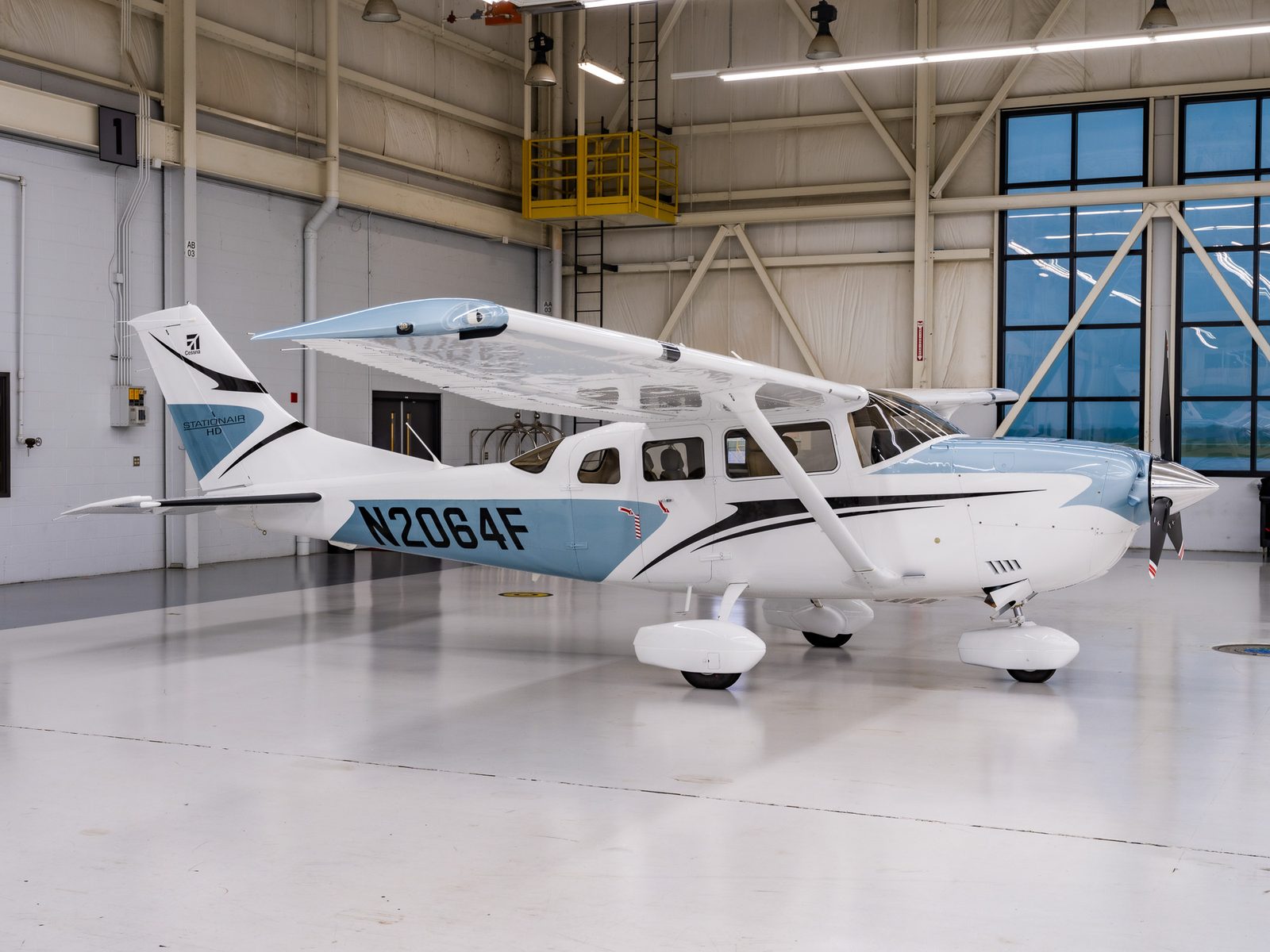
Cessna calls the 206 "the sport-utility vehicle of the air," and its history is anything but a straight line. The airplane grew out of a fixed-gear version of the retractable Cessna 210, cycled through a long list of designations and marketing names, left production in 1986, and came back in 1998 with a different engine manufacturer and a different certification basis. If you are shopping for a 206 today, knowing which chapter of that story your candidate airplane comes from is one of the most useful things you can learn before you make an offer.
Over six decades the family has worn several names: Super Skywagon, Skywagon, Super Skylane, and Stationair. It has also been built in two distinct production eras, 1964 through 1986 and 1998 to the present, and the airplanes from those eras share far less than their silhouettes suggest. In this guide we walk through the 206 story generation by generation and pull out what matters to a buyer at each stop: certification basis, engine family, documented airworthiness directives, and where the market prices that era in 2026. Two listings that look identical on paper can behave very differently in the shop, and the generation is usually the reason why.
Table Of Contents
- Before the 206: The Cessna 205 and the 210 Connection
- The First Production Era, 1964 to 1986: Super Skywagon to Stationair
- The Turbocharged 206: Altitude, Heat, and a Wider Mission
- The 1986 Halt, the 1998 Return, and the Modern 206H and T206H
- What 206 History Means for Your Purchase: ADs, Inspection Points, Values, and Mission Fit
Before the 206: The Cessna 205 and the 210 Connection
A Fixed-Gear Spin on the Cessna 210
The 206 family begins with an airplane that does not carry the 206 name at all. In the early 1960s Cessna took the recently revamped, retractable-gear 210 Centurion and built a fixed-gear derivative of it. Cessna's own designation for the new model was the Model 210-5, and it was marketed as the Cessna 205. Fixing the gear in place kept both the price and the empty weight down compared with the retractable 210, and Cessna also reworked the door arrangement. One contemporary description puts the layout at two doors up front and a relatively small rear door, with seating for six.
The Cowling Bump
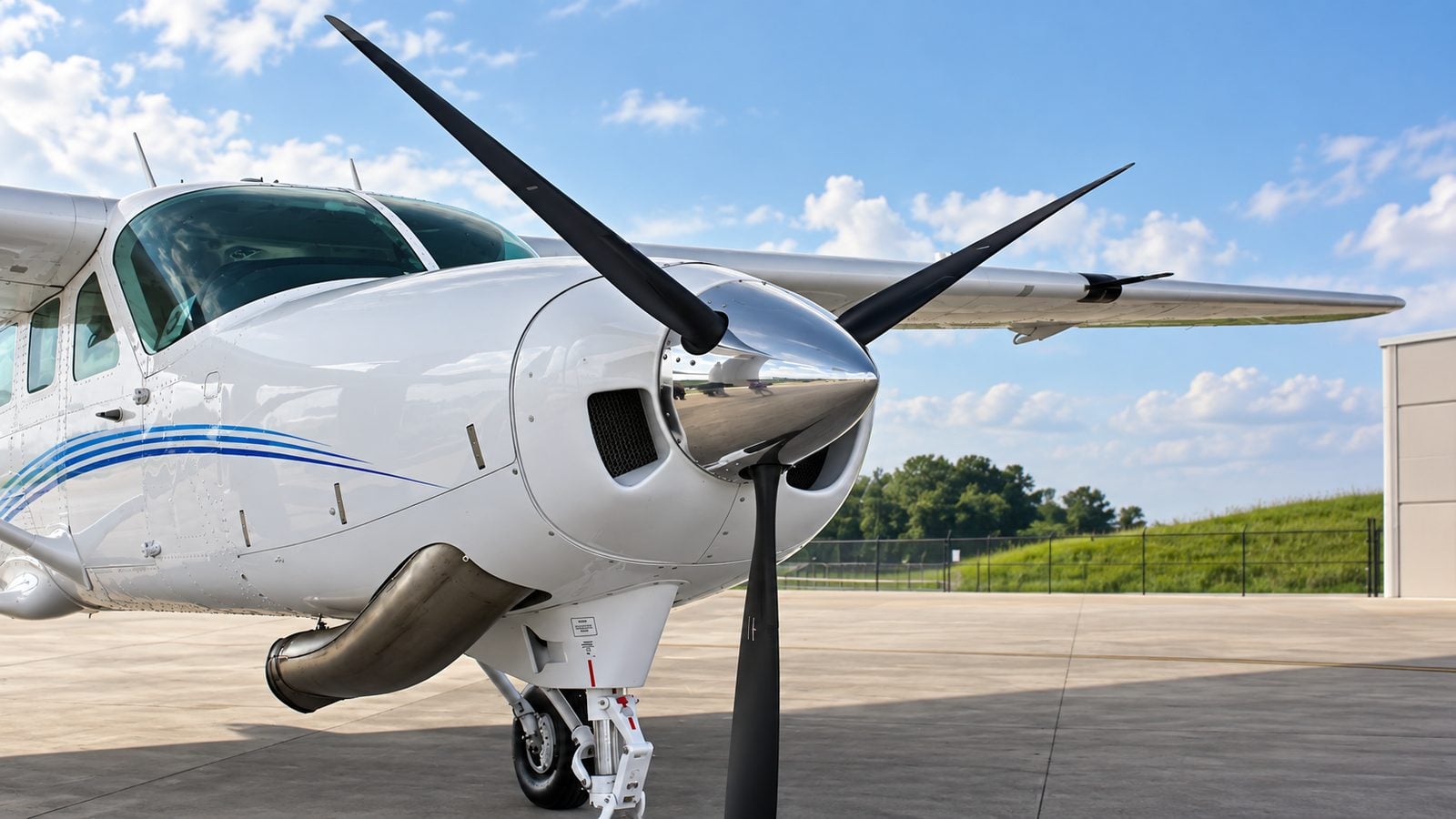
Because the airframe was lifted from the early 210, the 205 kept the 210's cowling bulge, the space where the Centurion stowed its nosewheel on retraction. The 205 had nothing to put in that space, but the cowling stayed. Treat the bulge as a family resemblance rather than a positive identifier, because early 206s carried it too. General type histories note that the later 206 received a more streamlined cowling, and a detailed model-year walkthrough from a type-specialist shop adds the specifics: a protruding "chin" with an empty nosewheel well on 206s from 1964 through about 1969, with the smooth chin arriving for 1970. If you are looking at a mid-1960s 206 and see the chin, that is consistent with the airframe's age, not a sign that something has been bolted on.
Engine and Production Run
The 205 was powered by a 260 hp Continental IO-470-S. It was introduced late in 1962 as a 1963 model year airplane and was built for just two model years, 1963 and 1964, before the 206 replaced it. The production total is small no matter which history you read: published figures put it at 576 or 577 airplanes, and other accounts simply round to "nearly 600" [1].
Should a 205 Be on a 206 Shopper's List?
That is a fair question, and the answer depends on what you expect from the purchase. On paper the 205 is a Model 210-5, certificated under the older CAR 3 standard, the same basis as the original 206, U206, and P206. In practice it is the earliest and least powerful airplane in the family, with the 260 hp engine and the smaller rear door that the 206 was specifically created to improve upon. If your mission is light passenger hauling and you value scarcity, a well-kept 205 can be a charming airplane. If your mission is cargo, floats, or anything the double cargo door makes easy, we would steer you to a 206. Whatever you decide, treat the type certificate data sheet and the logbooks as your primary references, because the 205 and 206 are close cousins, not twins.
The First Production Era, 1964 to 1986: Super Skywagon to Stationair
The 1964 Debut
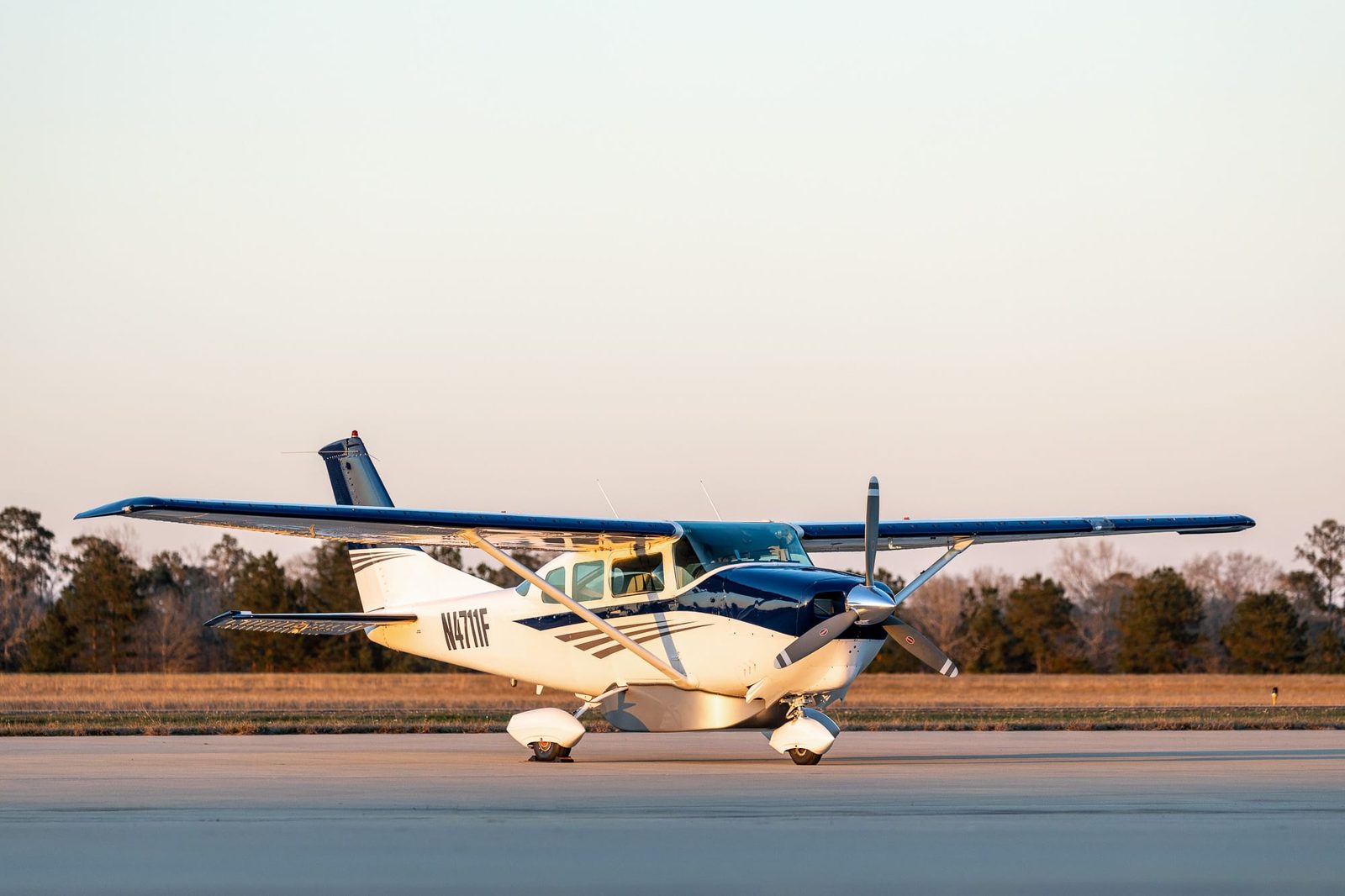
Cessna introduced the six-seat Model 206 as a 1964 model in direct response to demand for more utility than the 205 offered. The new airplane carried a 285 hp Continental IO-520-A, a redesigned wing, and bigger flaps, and it was marketed as the Super Skywagon [2]. The defining change was the door layout: a single door for the pilot and a large double cargo door aft on the right side. Cessna intended the airplane as a flying pickup truck, and in the early utility versions even the seats were optional. Every reliable account traces the 206 to the 210 through the 205, so that is the lineage to assume when reading its systems and structure.
1965 and the Split into Multiple Versions
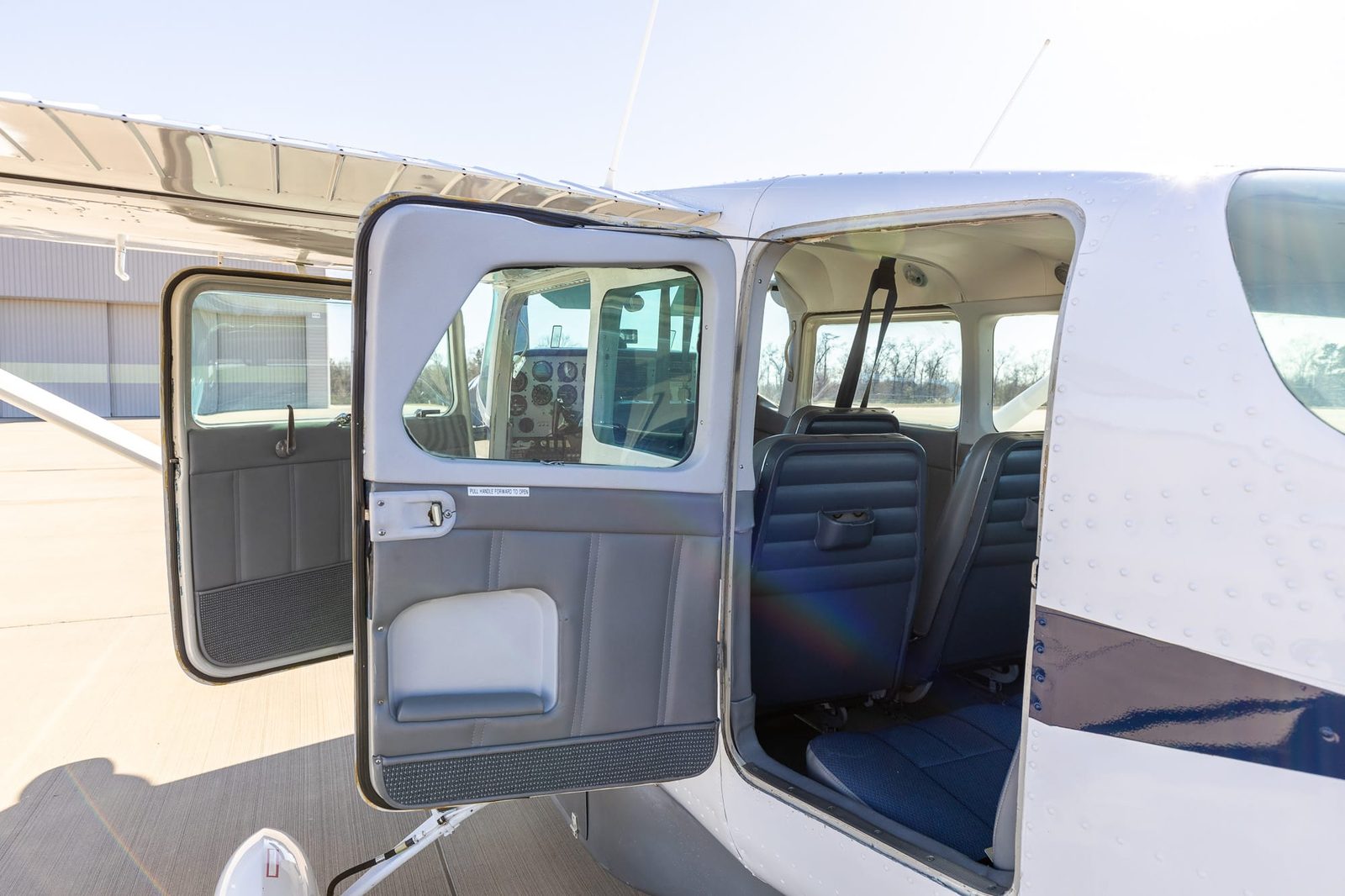
The line split quickly. In 1965 the passenger-oriented P206 Super Skylane appeared alongside the utility U206 Super Skywagon. The letter prefixes are not arbitrary: Cessna regarded the 206 as a utility aircraft, so the U stands for utility and the P stands for passenger. The two differed in doors more than anything else. The utility lineage, built from 1964 through 1986 and joined by the turbocharged TU206 in 1966, carried the rear cargo door, while the P206 and TP206 used a passenger door instead and were pitched toward comfort and speed.
Decoding the Alphabet Soup: Model Designations
Cessna advanced the designations with suffix letters as the model years rolled on, so the fleet includes the U206 Super Skywagon, the P206 Super Skylane, and their turbocharged counterparts, the TU206 and TP206, each with its own suffix. Production records tie those suffixes to model years; the U206A, P206A, TU206A, and TP206A, for example, are all 1966 model year airplanes. The suffix is not a cosmetic detail for a buyer. It governs which airworthiness directives apply, which parts manual you order from, and what you should type into a listing search. If you are not already comfortable reading a type certificate data sheet, make that your homework before you start comparing serial numbers.
Engine Changes and the Stationair Name (1967 to 1971)
In 1967 the normally aspirated utility versions received a power increase to 300 hp with the IO-520-F [3]. From 1971 onward, when all 206 models were renamed Stationair 6s, the -F became the standard normally aspirated engine and the Stationair name replaced the U206 Skywagon. The practical takeaway: a normally aspirated 206 built before 1967 is a 285 hp airplane unless the logbooks show a later conversion, and a normally aspirated airplane from 1971 forward should be a 300 hp Stationair in its original configuration. The turbocharged models followed their own schedule, which we cover next.
Late-Era Changes and Why They Matter
Beyond the engine milestones, the legacy 206 saw a steady stream of year-to-year changes to the tail (the 1964 through 1967 airplanes have a narrow tail), the cowling, and systems. Fuel system configuration in particular is one of the first questions we would ask about any legacy 206, because the airworthiness directive history for the series touches the fuel selector and related components more than once.
The Sibling: Model 207
The 207 is a stretched 206 with more seats, and the 205, 206, and 207 are usually treated as a single family. It shows up in the same searches and shares several airworthiness directives with the 206, but it is a different airplane for a different buyer, so keep it out of your 206 comparisons.
The Turbocharged 206: Altitude, Heat, and a Wider Mission
Why Turbocharging Mattered
Turbocharging did more than add a letter to the designation. A normally aspirated engine loses power as it climbs, which is why a 300 hp airplane that performs well at sea level can feel marginal on a hot afternoon at a high-elevation strip. A turbocharged engine holds its rated power to a much higher altitude, which can widen the mission profile: higher cruise altitudes, better takeoff performance from hot and high airports, and more margin out of short strips with a load aboard. Those are potential advantages, not guarantees. What a specific airplane will actually do depends on its approved performance data, its weight, the conditions of the day, and its limitations, and the trade-offs in engine management and cost are real.
Legacy Turbo Models (TU206 and TP206)
Cessna first offered a turbocharged 206 beginning in 1966, using the 285 hp Continental TSIO-520-C. The turbo airplanes kept that engine while the normally aspirated models moved to 300 hp, and they did not get their own power increase until 1977, when the 310 hp TSIO-520-M arrived. Ask for the flight manual on any specific airframe to understand its power limits.
There is a thermodynamic reason the turbo and non-turbo Continentals behave differently. The IO-520 and IO-550 series run an 8.5:1 compression ratio, while the TSIO-520 runs 7.5:1 [4]. The lower compression protects the engine from the elevated induction air temperatures a turbocharger produces at high power, but it hands the normally aspirated engines a thermal efficiency advantage. Whether that shows up in your actual fuel burn depends on how and where you fly.
Owners of legacy turbo 206s also share impressions worth hearing, with the caveat that they are anecdotes and not approved operating guidance: that the turbochargers themselves are not maintenance hogs, that Continental cylinders are sensitive to boost, that turbine inlet temperature limits can be exceeded in an instant if you adjust the mixture and look away, and that shutting down with a hot turbocharger shortens its life. Take those as prompts for your pre-buy and your training, and let the flight manual set your procedures.
The Modern T206H Turbo Stationair
The restart-era turbo airplane is the T206H, powered by a 310 hp Lycoming TIO-540-AJ1A, and the current production version is marketed as the T206H Turbo Stationair HD. Published type data puts the HD at a 3,789 lb maximum takeoff weight with useful load up to roughly 1,450 lb, 88 gallons of usable fuel, a maximum cruise in the 161 to 163 knot range at altitude, and a range of roughly 630 to 700 nautical miles depending on configuration [5]. Earlier pre-HD T206H airplanes list a 3,600 lb maximum takeoff weight and about 1,255 lb of useful load. Published service ceiling figures for the T206H range from 26,000 to 27,000 feet depending on the reference. Treat all of those as reference points rather than reconciled limits, and confirm them against the flight manual for the specific serial number.
Buyer Takeaway
Turbocharged examples may command a premium over otherwise comparable normally aspirated airplanes because the mission is wider. Before you pay it, answer two questions honestly. First, will you actually use the altitude? If most of your flying is below 8,000 feet in temperate weather, you are paying for capability you rarely need and accepting a more demanding engine. Second, can you commit to the operating discipline the turbo requires? For scale, one illustrative cost estimate for a normally aspirated 206H puts annual variable costs at $52,000 and fixed costs at $86,680 based on 200 owner-flown hours and $8 per gallon fuel [6]. Build your turbo budget separately, with your own shop quotes, rather than treating that figure as a floor.
The 1986 Halt, the 1998 Return, and the Modern 206H and T206H
Why the Gap Matters
Cessna built the 206 continuously from 1964 through 1986, then stopped, and no new 206 airframes appeared for more than a decade. When Cessna returned to piston production, the 206 came back in 1998 as the 206H and T206H (one type-specialist account dates the restart to 1997, but most published histories use 1998). Today the airplane is built by Textron Aviation's Cessna operation in Independence, Kansas. For a buyer, the consequence of the gap is that a legacy 206 is about 40 years old or older in 2026. That is not a disqualifier (these airplanes were built to work), but it means corrosion, wiring, fuel system condition, and the completeness of records should dominate your pre-buy, not the paint.
What Changed in the New-Generation 206
Mechanics tend to treat the restart airplane as a near-different airplane rather than a running update, and we agree with that framing. The most visible change is the engine maker. Every legacy 206 left the factory with a Continental; every H-model left with a Lycoming. The normally aspirated 206H uses a 300 hp Lycoming IO-540-AC1A5, and the T206H uses the 310 hp TIO-540-AJ1A, so the engine experience and reputations you hear about for one fleet do not carry over to the other. The restart airframes also came epoxy-primed with stainless steel control cables, a direct response to the hidden corrosion that older airframes can harbor.
The certification basis changed as well. The 205, 206, U206, and P206 were certificated under CAR 3, while the 206H and T206H were type-certificated under FAA Part 23 on type certificate A4CE in 1998 [7]. A different certification basis is not better or worse for an owner day to day, but it does mean the two generations were evaluated against different standards, and it is one more reason the H-model is best thought of as a separate type when you compare maintenance history and modifications. Ask a type-experienced A&P to walk you through the differences on the specific airplane you are considering.
Two Models, Then One
From 1998 onward Cessna built both the normally aspirated 206H and the turbocharged T206H. Most published histories put the end of 206H production at 2013, leaving the T206H to carry the line, and the T206H, now marketed as the Turbo Stationair HD, is still being delivered new in 2026. At least one market guide lists used 206H examples as spanning 1998 to 2015, so any listing described as a 2014 or 2015 206H deserves a close look at the data plate and type certificate.
Two production figures circulate, and they count different things. One puts total 206 production at 6,581 aircraft between 1964 and 2004 [8]. Another counts 8,509 aircraft across the whole 205, 206, and 207 family from 1962 to 2006 [9]. Keep them separate; the second number is not a larger estimate of the first, it is a wider net.
Avionics and Equipment Evolution
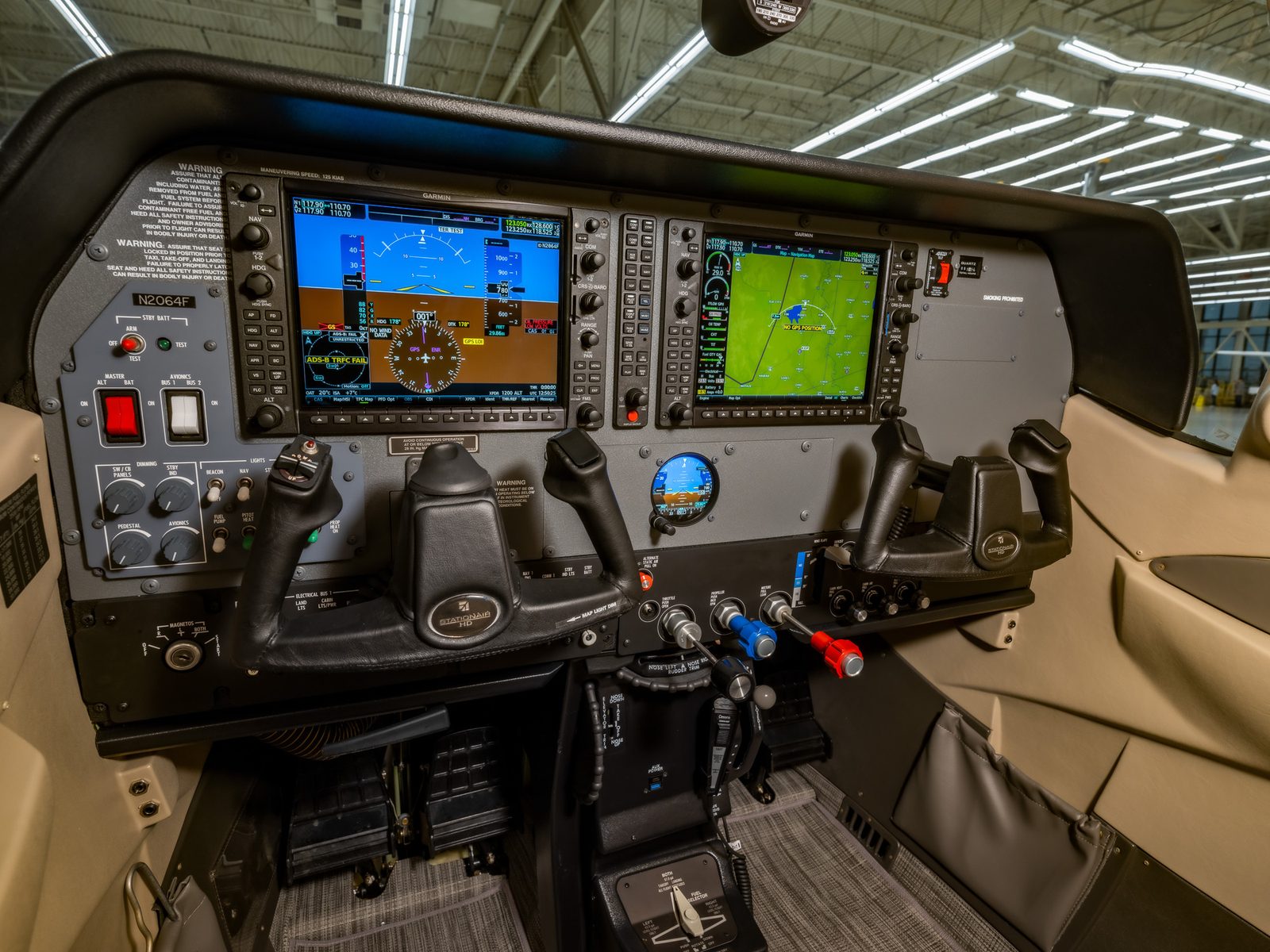
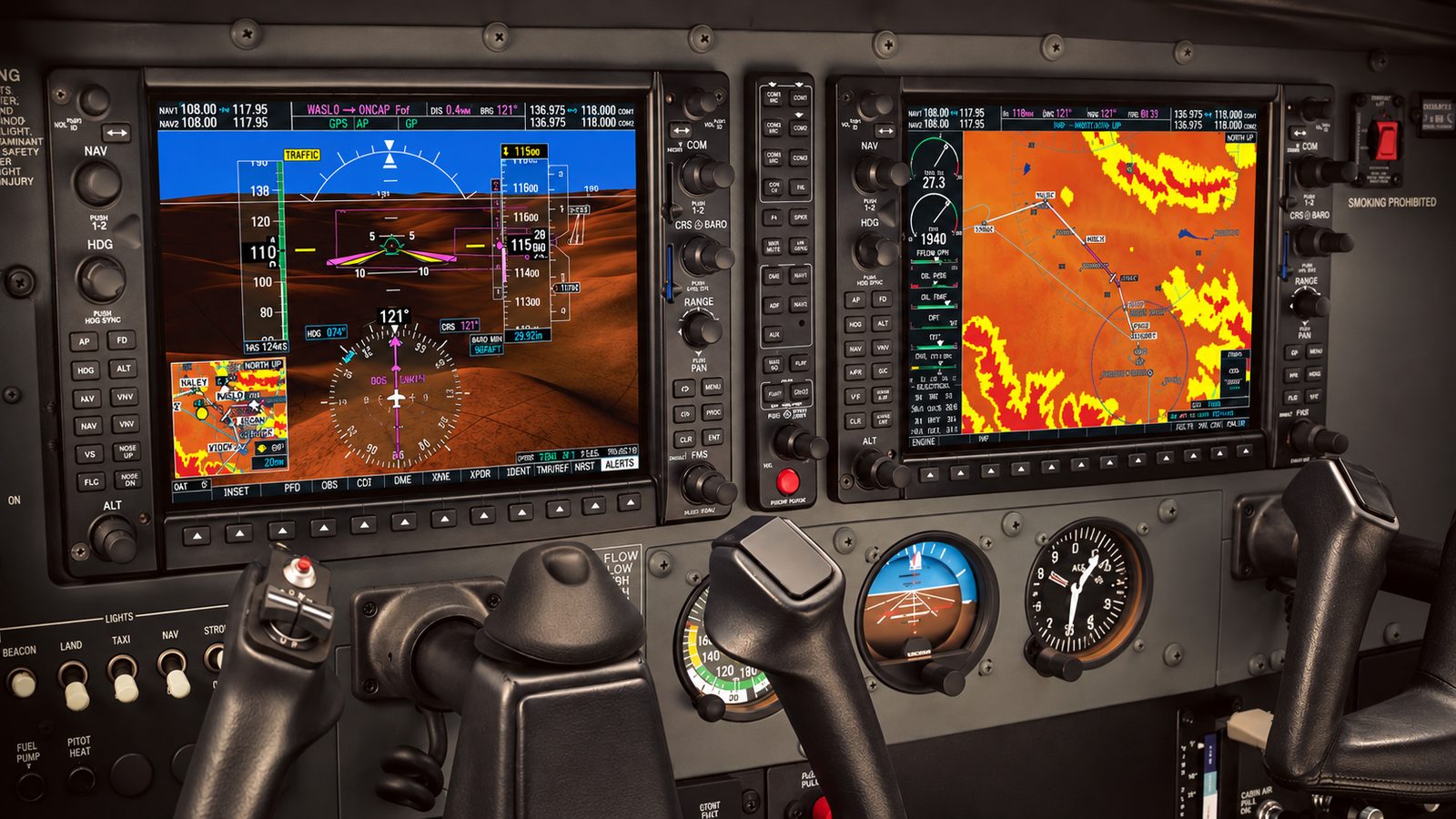
The H-model fleet spans the transition from conventional instruments to glass. Published model histories put the Garmin G1000 as standard equipment on the Stationair beginning in the mid 2000s, so a later H-model should have a glass panel unless something unusual happened. Earlier H-models were delivered with conventional panels, and what they carry today is whatever owners have done since. This matters to value more than almost any other single factor on a used 206H: a low-time G1000 airplane sits at the top of the price range, and a high-time airframe with steam gauges and an original interior sits at the bottom. If you are comparing a 2003 206H with a retrofit panel against a 2009 with factory glass, do not assume the retrofit is equivalent. Verify what was installed, under what approval, and whether the autopilot and engine monitoring were integrated.
Equipment also shows up in the series-wide airworthiness directive history, which includes items on electronic flight information systems, Mode S transponders, vacuum pumps, the alternate static air source selector valve, and seat rails and roller housings. None of these are exotic, and not every one applies to every H-model. Have your A&P run a documented applicability review by serial number and installed equipment, then confirm compliance with the directives that do apply.
Floats and Special Missions
Common 206 modifications include seaplane conversions, STOL kits, belly cargo pods, and wingtip modifications, and the type's reputation as a bush airplane is well earned across both eras. A current Canadian listing illustrates how far a legacy airframe can travel from stock: a 1974 206 amphibian offered at an asking price of $352,000 (confirm the currency before comparing it with U.S. figures), described by the seller as having an IO-550-F conversion under supplemental type certificate, EDO 3430 floats, a Robertson STOL kit, and a three-blade McCauley propeller [10]. Seller-reported equipment and an asking price are not the same as verified configuration and transaction value, but the point stands: that airplane is functionally a different machine from a stock 1974 Stationair, and it should be priced, insured, and inspected as one.
What 206 History Means for Your Purchase: ADs, Inspection Points, Values, and Mission Fit
Airworthiness Directives Rooted in the Type's History
Every applicable AD must be complied with for an airplane to be legally airworthy, and some ADs are recurring (intervals of 25, 50, or 100 hours are typical examples across general aviation), which directly affects your operating cost. An overlooked AD can ground an airplane for months and cost tens of thousands of dollars to resolve. For a 206, start with the FAA AD database and the type-club compilations, then reconcile every item against the logbooks.
One AD deserves specific attention because it touches primary structure. In 2002 the FAA issued an airworthiness directive covering the P206, TP206, TU206, U206, 207, T207, and 210-series airplanes. It required a visual inspection of the left and right horizontal stabilizer attachment reinforcement brackets, part number 1232624-1, and their specified seam welds, within 50 hours time in service after the May 13, 2002 effective date, unless already accomplished, per Cessna Service Bulletin SEB00-10 dated November 6, 2000 [11]. The intent was to detect and replace structurally deficient brackets. That 50-hour window was a historical deadline, not an allowance that restarts when you buy the airplane. Determine whether the directive applies to the candidate airplane, then verify the required compliance records.
The 1985 to 1997 portion of the type's AD list includes items on the fuel selector (85-02-07), throttle and mixture controls (85-03-01), engine induction airbox (85-10-02), contaminated fuel (86-19-11), engine controls installation (86-24-07), and fuel, oil, and hydraulic hoses (97-01-13) [12]. Do not assume applicability by model year from a list like this; each AD's text defines which serial numbers it covers. Have your A&P pull the full text and check the airplane against it.
Inspection Points and Records
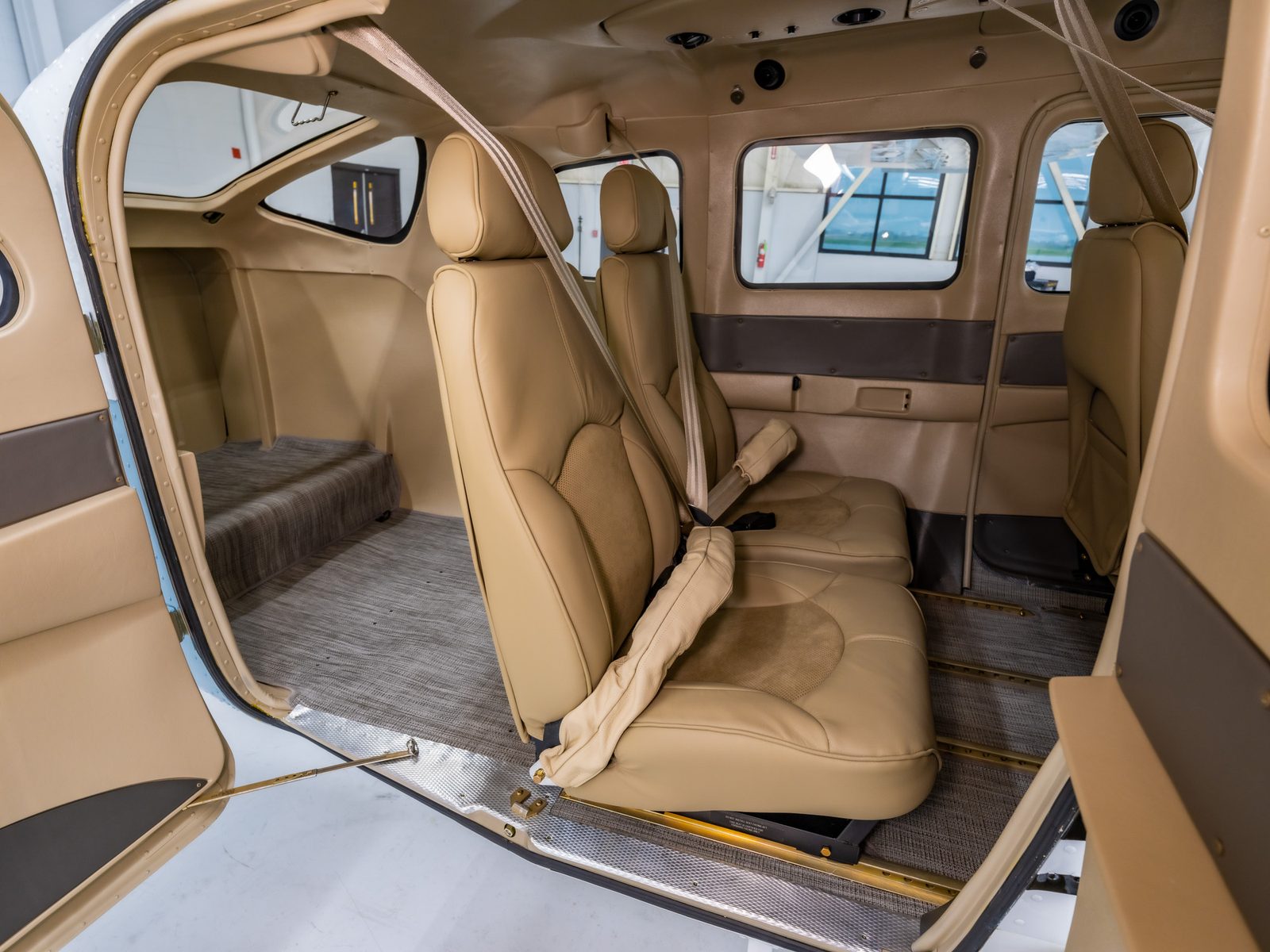
More than almost any other airplane, a 206's history is its condition. Skydiving, floats, bush work, freight, flight training, and single-owner private use all leave different marks on the airframe. None of them automatically disqualifies an airplane, but you need to know which one you are looking at, and the logbooks will usually tell you if you read them closely. Beyond the AD list, we would prioritize the cargo door frames and hinges, the fuel system end to end, engine cylinder condition (especially on legacy turbos), and airframe corrosion on both generations. The restart airplanes' epoxy primer helps, but primer is not freedom from corrosion, and a legacy airframe may or may not have picked up protection during later repairs or refinishing.
Set expectations for the pre-buy itself. A typical pre-buy is not a complete annual; the mechanic is looking for airworthiness items and matters of immediate concern. Agree on the actual scope in writing rather than assuming it from the label, and budget for the possibility that the first annual after purchase costs more than usual. A sensible approach is to commission a limited-scope inspection of the expensive items (engine borescope, airframe corrosion, rigging) at an hourly rate, with the understanding that you will roll it into a full annual if the airplane checks out. And remember that a pre-buy is a snapshot: a clean report today does not mean nothing will surface later.
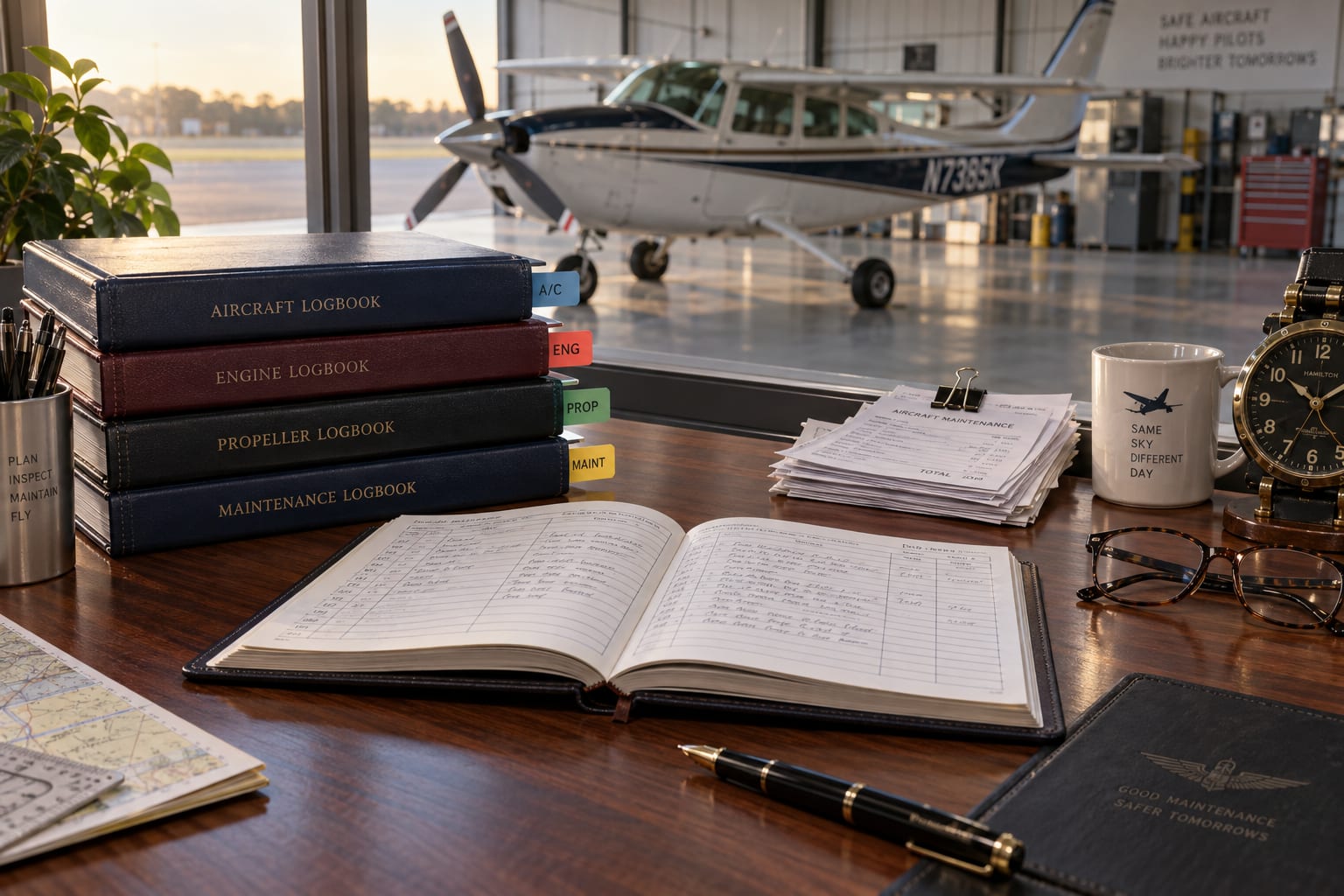
Sellers are told that a comprehensive record of an airplane's history speeds the sale and builds buyer confidence. Flip that advice around: insist on complete records. A 206 with gaps in its logbooks is not necessarily a bad airplane, but it is an airplane whose history you cannot verify, and the price should reflect that uncertainty.
Used Values by Generation (2026)
Market figures come from buyer guides using different methods, so never blend them into one average. With that caveat, here is where the H-model market sits in 2026:
| Generation | Reported 2026 range | Main value drivers |
|---|---|---|
| Used 206H (1998 to 2013) | Most listings $300,000 to $550,000 [13] | Engine time and avionics (G1000 at top, steam gauges at bottom) |
| Late-model used T206H (2015 to 2023) | $550,000 to $850,000 | Turbo premium, wider mission profile |
| New T206H Turbo Stationair HD | $725,000 to $1.25 million depending on options; buyer-guide estimate of $900,000 to $1.05 million for most well-equipped deliveries | Configuration and dealer; no open MSRP published for 2026 |
The guide behind the first row labels its used 206H range as 1998 to 2015, which conflicts with the 2013 end of production noted above, so the table uses the production years. A second guide puts the overall used T206H range at roughly $300,000 to $650,000 with new HD airplanes at $900,000 and up, which overlaps the table but shows how much the spread depends on who is counting and when. Keep asking prices, guide estimates, and actual delivery prices distinct. Legacy U206 and TU206 pricing is highly modification-dependent, as the amphibian example above demonstrates; pull current comparables for the specific configuration you want rather than relying on any single published range.
Match the Generation to the Mission
Each chapter of the 206 story shapes the airplane you are buying: engine maker, certification basis, applicable ADs, avionics baseline, and price bracket all follow from the generation. Our recommendation is simple. Decide on the mission first (altitude, heat, floats, backcountry, cargo), then choose the generation that serves it, then find the best-documented example you can afford within that generation. A Continental-powered legacy Stationair and a Lycoming-powered T206H can both be excellent airplanes, but they are not interchangeable, and the pre-buy for each should be tailored to its history. If you are weighing a 206 purchase, talk to us before you make an offer, and tell us in the comments which generation you fly and why.
Sources
- Cessna 206 - Wikipedia
- Cessna 206 Stationair - Aviation Consumer
- 550 for the 206 - AOPA
- Classic Airframe, Cutting-Edge Powerplant: Upgrade and Overhaul Options for your 206 - Cessna Flyer Association
- Cessna 206 Stationair Specs, Performance & Price | FLYING Finance
- Cessna 206H Ownership Price & Operating Costs
- Cessna 206 Stationair - Specs, History & Tires - DMI Aviation Sales
- Cessna U206F Stationair Buyer's Guide & Charter Use Case | Jettly Blog
- Cessna 206 ::: Open WIKI
- CESSNA 206 for Sale with Price - GlobalAir
- Federal Register :: Airworthiness Directives; Cessna Aircraft Company P206, TP206, TU206, U206, 207, T207, 210, P210, and T210 Series Airplanes
- Cessna 206 ADs Airworthiness Directives | Cessna Owner Organization
- Cessna 206 Stationair: Specs, Cost, 2026 Buyer Guide
Disclaimer: Some articles on this site are created with the assistance of AI technology.